Quick answer: Christmas fat quarters are individual pieces of holiday-themed fabric, each about 18 by 22 inches, featuring prints like snowflakes, ornaments, trees, plaids, and poinsettias. Quilters buy them one at a time or in coordinated bundles to make stockings, ornaments, table runners, and small quilts for the holiday season.
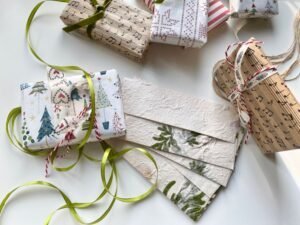
Few fabrics bring out the excitement of quilters quite like Christmas prints. Snowflakes, candy canes, cozy plaids, and evergreen trees make holiday sewing feel festive before a single stitch is made. Christmas fat quarters are a popular way to collect those prints, since each piece is large enough to be useful but small enough to let you try a lot of different designs.
This beginner’s guide explains what Christmas fat quarters are and covers the most popular holiday fabric styles. We’ll walk through how to choose prints for your project, share project ideas, and talk about when to shop for seasonal fabric. We’ll also look at a question many holiday fabric guides skip, which is how to choose Christmas fabrics that feel less seasonal so they can be used beyond December. Finally, we’ll explain the difference between individual Christmas fat quarters and Christmas bundles. At Bee’s Quilt Shop, holiday fabrics were always a highlight of the year, and they inspired plenty of handmade gifts.
What Are Christmas Fat Quarters
A fat quarter is a quarter yard of fabric cut in a wider, more useful shape. Rather than a long strip measuring 9 inches by the full width of the bolt, a fat quarter is cut from a half yard and divided in two, giving a piece of about 18 by 22 inches. That near-square shape is easier to cut quilt blocks from, which is why fat quarters are so popular with quilters.
Christmas fat quarters are simply fat quarters printed with holiday designs. You can buy them individually, picking the exact prints you like from different collections, or as part of a bundle where the fabrics have been chosen to coordinate. Individual pieces give you total control over your palette, while bundles take the guesswork out of matching.
Many quilters enjoy collecting Christmas fat quarters over several years, adding a few favorite prints each season. This gradually builds a holiday stash with plenty of variety. If you want the exact measurements and how they compare to other cuts, our guide on how big a fat quarter of fabric is breaks it down.
Popular Christmas Fabric Styles
Christmas fabrics come in a wide range of styles. Traditional prints feature deep red and green, often with holly, poinsettias, pinecones, and ornaments. These classic designs have a timeless, nostalgic feel and are popular for stockings and tree skirts.
Modern Christmas fabrics take a fresher approach, with simplified shapes, bright or unexpected colors like pink and aqua, and graphic patterns. They suit quilters who want a contemporary holiday look. Vintage-inspired prints recreate the style of mid-century holiday decor, with retro ornaments, kitschy Santas, and soft colors.
Snowy and winter prints focus on snowflakes, snowmen, mittens, and icy blues and whites. These can feel festive without being strictly Christmas themed, which makes them useful through the whole winter. Woodland prints with deer, foxes, birds, and evergreen trees bring a cozy, outdoorsy charm. Many collections also include plaids, stripes, dots, and tonal prints that act as coordinates. Knowing which style you prefer helps when you’re browsing, since mixing too many styles at once can make a project feel busy.

Choosing Christmas Fat Quarters for Your Project
Choosing Christmas fat quarters starts with your color palette. A classic red and green palette is always popular, but you might prefer red and white, green and gold, blue and silver, or a softer palette with blush and cream. Deciding on a palette first keeps your choices focused and helps your finished project look cohesive.
Print scale is the next consideration. Large prints, like a big Santa or a scene of trees, look best in larger pieces where the motif isn’t cut apart. Small prints and tone-on-tone fabrics work well in small patches and blocks. A mix of scales adds interest.
Watch out for directional prints, where the design runs in one direction, like trees standing upright or text that reads one way. These need a little extra planning when cutting, so the design doesn’t end up sideways or upside down. Also, check that you have enough contrast between lights and darks. Holiday fabrics are often saturated, so adding a light background or a few lighter prints helps your blocks stand out. Taking time to plan your choices makes the sewing more enjoyable.
Project Ideas for Christmas Fat Quarters
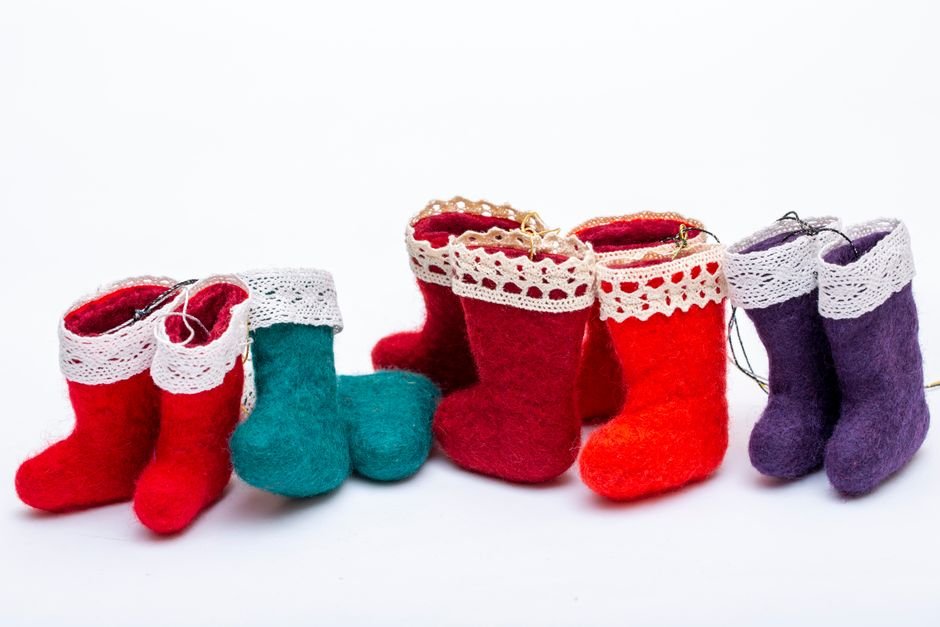
Christmas fat quarters are perfect for holiday projects of all sizes. Stockings are a classic, and many stocking patterns call for a fat quarter or two for the main body and cuff. Fabric ornaments, such as stuffed stars, patchwork balls, or simple hanging hearts, use small amounts of fabric and make lovely gifts.
Table runners and placemats bring holiday color to the table and usually use several fat quarters. Mug rugs and coasters are quick projects that use up smaller scraps. Tree skirts are a bigger project but can be made from a mix of fat quarters and yardage.
For quilters who want to make a full holiday quilt, fat quarters can be the start of a lap quilt or throw, usually with added background fabric and borders. Simple patterns like nine patches, half square triangles, or star blocks show off holiday prints nicely. Gift bags and pillow covers are other easy projects. Starting with a small project lets you enjoy your fabric right away, while you plan something larger for a future season.
Buying Christmas Fat Quarters Early or Late
Timing can make a difference when you’re shopping for holiday fabric. Christmas collections often arrive in shops well before the holidays, sometimes in late summer or early fall, so quilters who want time to finish a project tend to shop early. Shopping early also gives you the best selection, since popular prints can sell out as the season goes on.
Shopping later in the season has its own appeal. You may find fabric on clearance after the holidays, although selection can be limited. Some quilters use post-holiday shopping to stock up for next year’s projects, while others prefer to buy what they love as soon as they see it.
There’s no single right approach, and prices and availability vary by retailer. The best plan is to think about your project timeline. If you want to give handmade gifts this year, buying early gives you plenty of time to sew without a last-minute rush. If you’re building a stash for future seasons, waiting until after the holidays might suit you better.
Making Christmas Fat Quarters Feel Less Seasonal
Many quilters love Christmas fabric but hesitate because the projects only come out for a few weeks. One way around this is to choose Christmas fat quarters that feel more wintry than strictly holiday. Snowflakes, mittens, red and white plaids, evergreen trees, and birds can feel at home from November right through February.
Mixing a few obvious holiday prints with more neutral winter prints is another approach. A quilt with mostly plaids, tonal reds, and snowy blues, accented with just a few candy canes or ornaments, can stay on the couch long after the decorations come down. Choosing a softer palette, like red and cream or blue and white, also helps a project feel less seasonal.
Some quilters save their most festive prints for small items like ornaments and stockings, while using versatile winter prints for larger quilts. This makes your holiday fabric work harder and gives you more value from your stash. It’s a simple planning step, but it can make holiday sewing feel more worthwhile throughout the year.
Christmas Fat Quarters vs Christmas Fat Quarter Bundles
Individual Christmas fat quarters and Christmas fat quarter bundles each have their benefits. Buying individual fat quarters gives you complete control. You can pick exactly the prints and colors you want, mix collections, and build a unique look. This is great for quilters who enjoy curating their own fabric pulls.
Bundles, on the other hand, come pre-coordinated. The fabrics are chosen to work together, usually from a single collection, so you don’t have to worry about whether colors clash. Bundles are a convenient option for beginners or anyone who wants a cohesive project without much planning.
Many quilters use both, starting with a bundle as the foundation and adding a few individual fat quarters to fill gaps or add personality. If you’re curious about bundles in more detail, our guide to the Christmas fat quarter bundle covers what usually comes in one and how to choose. Either way, the goal is to find holiday fabrics you’ll love sewing with.
Get ready for a season of happy holiday sewing with Bee’s Quilt Shop. Explore our Fabric Buying and Precuts guides, browse the Fabric collection for coordinating prints, and read our fall fat quarter bundles guide to plan your seasonal stash.
Frequently Asked Questions
How big is a Christmas fat quarter?
A Christmas fat quarter is the same size as any fat quarter, usually about 18 by 22 inches. The exact measurement can vary slightly depending on the width of the fabric bolt.
What can I make with Christmas fat quarters?
Popular projects include stockings, ornaments, table runners, placemats, gift bags, and small quilts. Many quilters start with a small project and save larger ones for future seasons.
When should I buy Christmas fabric?
Holiday collections often appear in shops well before the season, so shopping early gives you the best selection and time to sew. Some quilters also shop after the holidays to stock up for next year.
How many fat quarters do I need for a Christmas table runner?
It depends on the pattern and size, but many table runner patterns use a handful of fat quarters plus backing and binding. Bee’s Quilt Shop always suggested checking the pattern’s fabric requirements before buying.
Are Christmas fat quarters good for beginners?
Yes, fat quarters are a friendly size for beginners because they’re easy to handle and cut. Starting with a small holiday project like a mug rug or ornament is a fun way to build confidence.
This article is intended for general educational and informational purposes only and reflects common quilting practices. Fabric collections, sizes, and availability vary by manufacturer and retailer, and results vary by skill level, fabric, and equipment. Bee’s Quilt Shop shares this guide as part of our ongoing library of quilting and sewing resources.