Quick answer: A fat quarter of fabric typically measures eighteen by twenty two inches, cut from a quarter yard in a way that produces a wider, more usable rectangle than a standard quarter yard strip. That shape makes fat quarters ideal for quilt blocks, scrap projects, and building a varied fabric stash affordably.
Ask any longtime quilter how their fabric stash got so big, and there’s a decent chance fat quarters had something to do with it. These oddly shaped little bundles of fabric are one of the most beloved formats in quilting specifically, and if you’ve ever wondered exactly how big a fat quarter of fabric is or why quilters seem to collect them by the dozen, this guide walks through the dimensions, the shopping habits, and the practical uses that make fat quarters such a quilting shop staple.
The Standard Fat Quarter Dimensions
A standard fat quarter measures roughly eighteen by twenty two inches, cut from a quarter yard of fabric in a way that produces a wider, more usable rectangle than a regular quarter yard cut would give you. That’s the key detail that makes a fat quarter genuinely useful rather than just a smaller cut of fabric, the dimensions are deliberately shaped to maximize how much workable width you get out of a small piece. Because fat quarters are cut from standard forty four to forty five inch wide quilting cotton, the exact measurements can vary by a fraction of an inch from shop to shop, but eighteen by twenty two inches is the widely accepted standard most quilters and pattern designers work from when calculating yardage or block layouts. So when a beginner asks how big is a fat quarter of fabric exactly, eighteen by twenty two inches is the number worth memorizing, since nearly every pattern and shop listing you encounter will assume that same baseline measurement.
Fat Quarter Vs Regular Quarter Yard
The difference between a fat quarter and a regular quarter yard comes down entirely to how the fabric is cut from the bolt, and understanding that shape difference explains why fat quarters are so popular in the first place. A regular quarter yard is cut straight across the full width of the bolt, giving you a long, narrow strip measuring roughly nine by forty four inches, which is a fairly awkward shape for cutting larger squares or rectangles out of. A fat quarter takes that same quarter yard of fabric but cuts it differently, slicing a half yard length in half along its width instead, which produces a shorter but much wider rectangle. That wider, more squared off shape is exactly why fat quarters can accommodate larger cut pieces, like an eighteen inch square block, that a standard quarter yard strip simply couldn’t fit. It’s a small distinction on paper but a significant one at the cutting table, and it’s the entire reason shops stock fat quarters as a separate, clearly labeled item rather than just letting customers request a quarter yard cut two different ways.
What You Can Make With A Fat Quarter
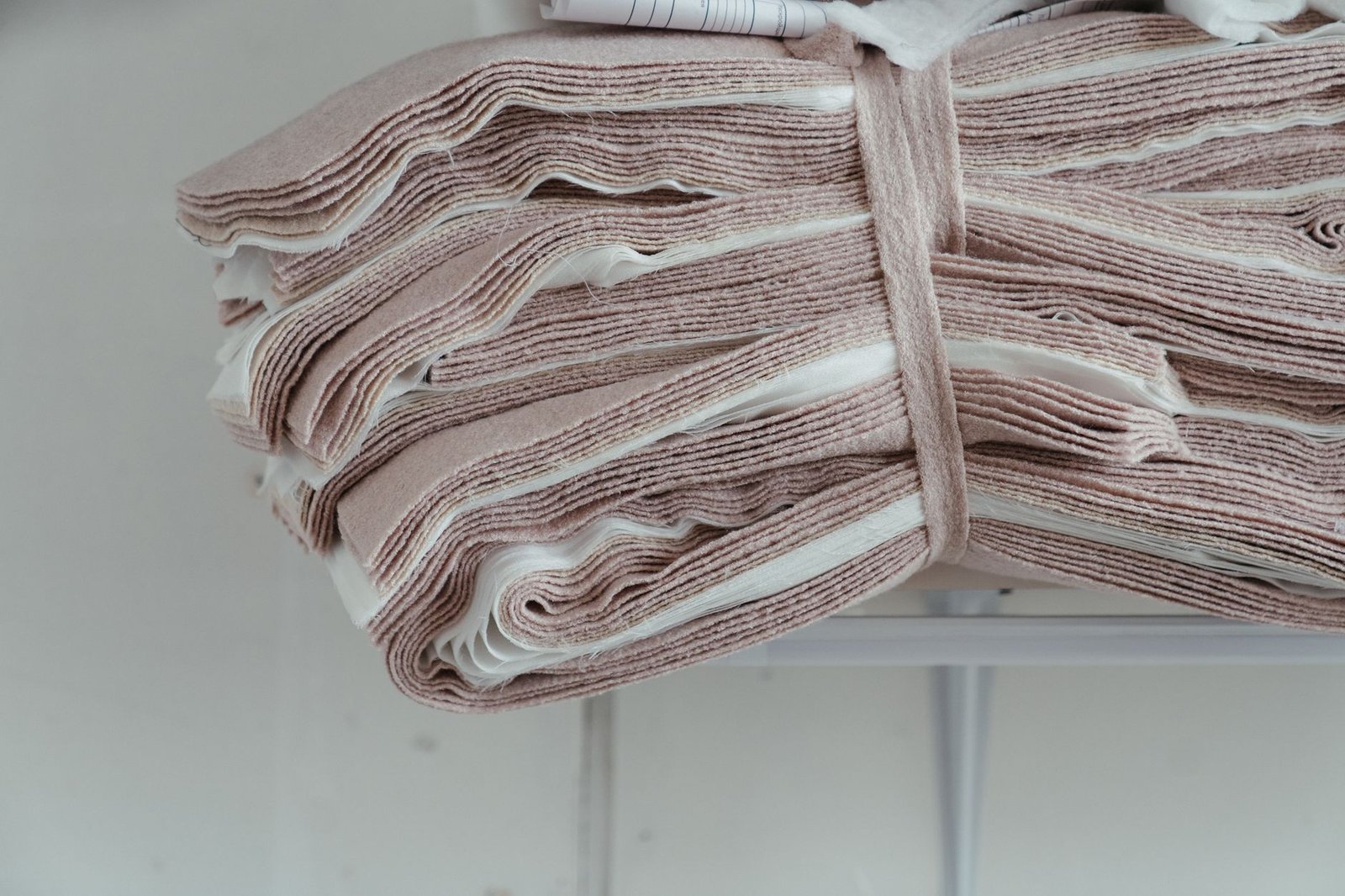
What you can actually make with a single fat quarter depends on your project, but it’s genuinely enough for a surprising range of smaller items. A handful of quilt blocks, several coordinating pouches or small bags, a simple pillow cover, or a handful of applique pieces all fit comfortably within one fat quarter’s dimensions. For quilting specifically, fat quarters are ideal for scrap-style quilts, table runners, or any pattern calling for several different fabrics in smaller quantities rather than large yardage of just one or two prints. Garment sewing uses fat quarters less often given their smaller size, though they work well for small accent pieces like pockets, bias binding, or a fabric-pieced yoke on a simple top. Home decor projects benefit too, since a single fat quarter is usually plenty for a coaster set, a small drawstring pouch, or the front panel of an accent pillow, making it a genuinely flexible size well beyond quilting alone, and one genuinely worth keeping in mind any time a small home decor idea calls for just a modest little bit of extra fabric.
Why Fat Quarters Are Popular With Quilters
Fat quarters are popular with quilters for reasons that go well beyond just the convenient shape, and a lot of it comes down to how they support variety and stash building. Buying a fat quarter of a dozen different prints costs less and takes up less storage space than buying larger cuts of each one, which makes it much easier to build a genuinely diverse color and print collection over time. Fat quarter bundles, meaning pre-coordinated sets sold together as part of a single fabric collection, take that convenience even further by handing quilters an already color-matched palette without the guesswork of picking coordinating prints individually off the shelf. This appeal to variety is a big part of why fat quarters have such a devoted following, since they let quilters experiment with far more prints and colorways than buying full yardage of each one would ever be practical for. Many quilt shops also use fat quarters as an entry point for newer designers or limited print runs, releasing just a handful of fat quarter cuts of a specialty print before deciding whether to stock it in larger yardage, which gives shoppers early access to prints that might otherwise sell out before a full bolt ever gets ordered, rewarding quilters who check new arrivals regularly rather than simply waiting around for a favorite print to go into wider production.
Buying Fat Quarter Bundles Vs Singles
Buying fat quarter bundles versus individual singles comes down to how much control you want over your final fabric selection. Bundles offer real convenience and a professionally coordinated palette straight out of the package, which makes them especially appealing for quilters who find color matching stressful or time consuming. Buying singles gives you complete control to hand pick exactly the prints and colors you want, mixing and matching across different collections rather than sticking to one designer’s coordinated set, though it takes more time and a sharper eye for what will actually work together. Some quilters split the difference by buying a small coordinated bundle as an anchor and then adding a few hand-picked singles around it, blending the convenience of a curated set with a bit more personal control over the final palette. Many quilters do both depending on the project, grabbing a bundle as a starting point for a quick, cohesive project, then supplementing with hand-picked singles when they want more control over the final look. Checking a bundle’s included print list before buying is worth the extra minute too, since some bundles include a handful of very similar prints rather than the fully varied selection the cover photo might suggest.
Storing And Organizing A Fat Quarter Collection
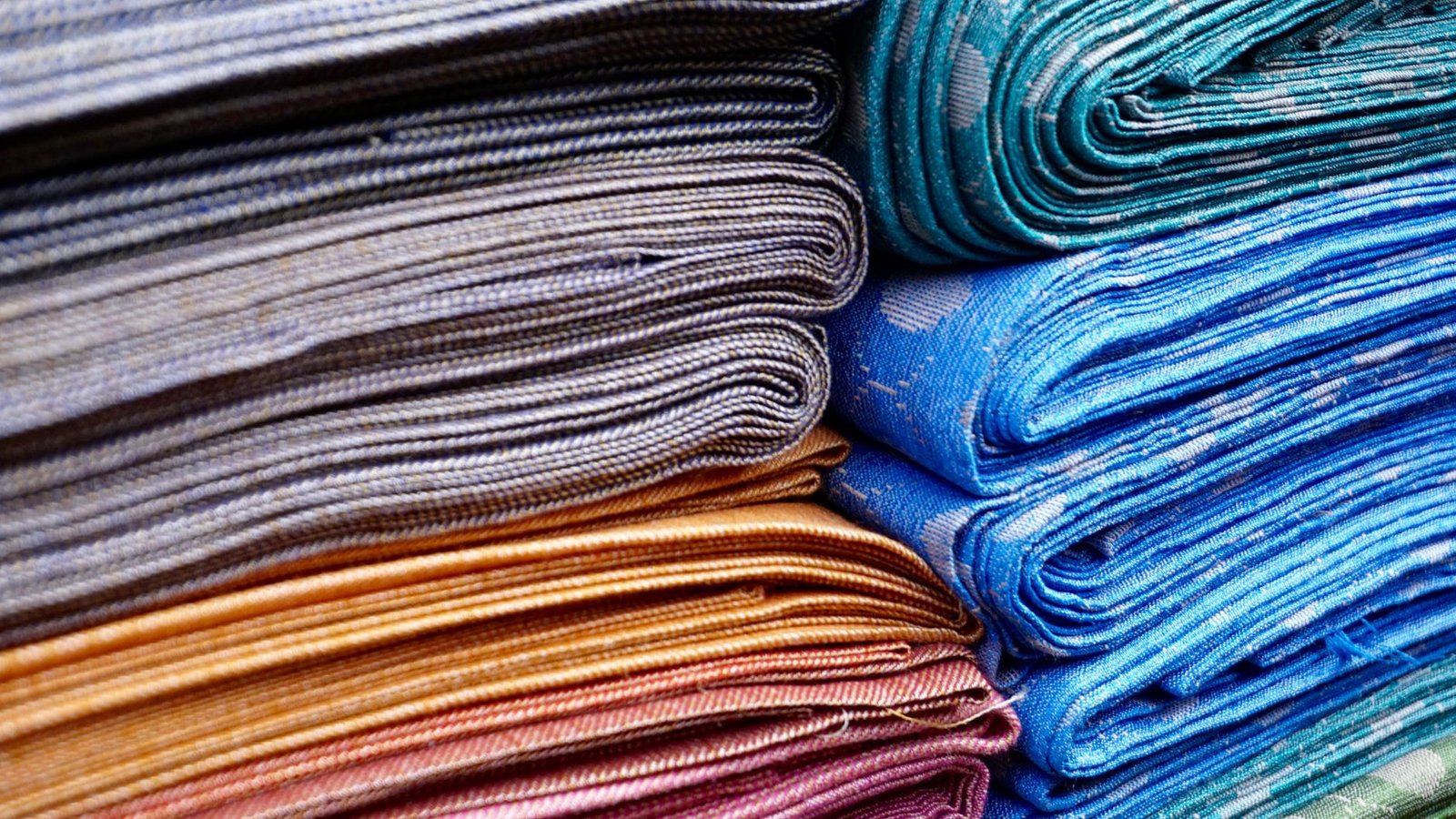
Storing and organizing a growing fat quarter collection becomes genuinely important once you have more than a handful, since they’re small enough to get lost or crushed if just tossed into a drawer. Folding fat quarters into a consistent size, often a small rectangle or square, and storing them upright in a bin or drawer organizer like a bookshelf lets you see colors at a glance rather than digging through a stack. Sorting by color family rather than by collection or purchase date tends to be more useful when you’re actually planning a project and pulling fabrics, since most quilters shop their stash by color palette first. Rolling fat quarters onto small cardboard comic book boards or acid-free tubes is another popular storage method among quilters with larger collections, since it prevents the deep creasing that folding can eventually cause, something many longtime quilters and the team at Bee’s Quilt Shop have learned firsthand after years of managing a growing fat quarter stash. Labeling storage bins or drawer dividers by color name rather than relying on memory alone also pays off once a collection grows past a hundred or so pieces, since even a well-organized stash becomes hard to navigate quickly without some kind of visible labeling system in place. Clear bins or open shelving also help simply by keeping fat quarters visible day to day, which tends to encourage actually using the collection for new projects rather than letting it sit untouched and forgotten in a closet.
Ready to start or grow your fat quarter collection? Explore our Fabric Types and Guides library here at Bee’s Quilt Shop for more fabric-buying tips, and browse our current fabric collection to see what’s currently available. Explore more Fabric Types & Guides guides on the blog, or browse our Fabric collection to see what is currently available.
Frequently Asked Questions
How big is a fat quarter compared to a regular quarter yard?
A fat quarter measures roughly eighteen by twenty two inches, while a regular quarter yard is a long, narrow strip about nine by forty four inches. Both use the same amount of fabric, just cut into a different shape.
Why do quilters prefer fat quarters over regular quarter yards?
The wider, more squared off shape of a fat quarter fits larger cut pieces, like an eighteen inch block, that a narrow quarter yard strip simply can’t accommodate. Bee’s Quilt Shop also finds fat quarters make it easier to build a varied stash affordably.
How many fat quarters do I need for a quilt?
It depends entirely on your pattern and quilt size, so checking the specific pattern’s fabric requirements is the most reliable approach. Many scrap-style quilt patterns are actually written specifically around fat quarter counts.
Are fat quarter bundles worth buying instead of picking fabrics myself?
Bundles offer a convenient, professionally coordinated palette that takes the guesswork out of color matching, which many quilters appreciate. Picking singles gives more control if you want to mix prints across different collections instead.
What’s the best way to store a fat quarter collection?
Folding them to a consistent size and storing upright by color family, similar to organizing a small bookshelf, makes them easy to browse at a glance. Some quilters also roll fat quarters onto small boards to avoid deep creasing over time.
This article is intended for general educational and informational purposes only, based on common quilting practices. Exact fat quarter measurements can vary slightly by retailer, so double-checking dimensions before starting a project is always a good idea. Bee’s Quilt Shop shares this guide as part of our ongoing library of quilting and sewing resources.