Quick answer: Modern fabrics favor bold, large-scale graphics, generous negative space, and a restrained color palette, setting them apart from the smaller, denser prints found in traditional quilting cotton. They work especially well in quilts and garments with simple, uncluttered designs that let the print itself take center stage.
Modern fabrics have carved out a genuinely distinct identity within quilting cotton over the past couple decades, moving away from the small, dense florals and calico prints a lot of people still picture when they think of quilting fabric. Walk through the modern quilting fabric section of any well-stocked shop and the difference is immediate, bolder graphics, more open space, and a color sensibility that feels closer to contemporary home decor than traditional quilting. This guide covers what actually defines modern fabric style, how it differs from more traditional quilting cotton, and how to use and shop for it confidently. Whether you’re a longtime traditional quilter curious about trying something new or a newer sewist who’s only ever known this bolder, cleaner aesthetic, understanding what actually separates modern fabric from everything else makes shopping and planning noticeably easier.
What Defines A Modern Fabric Style
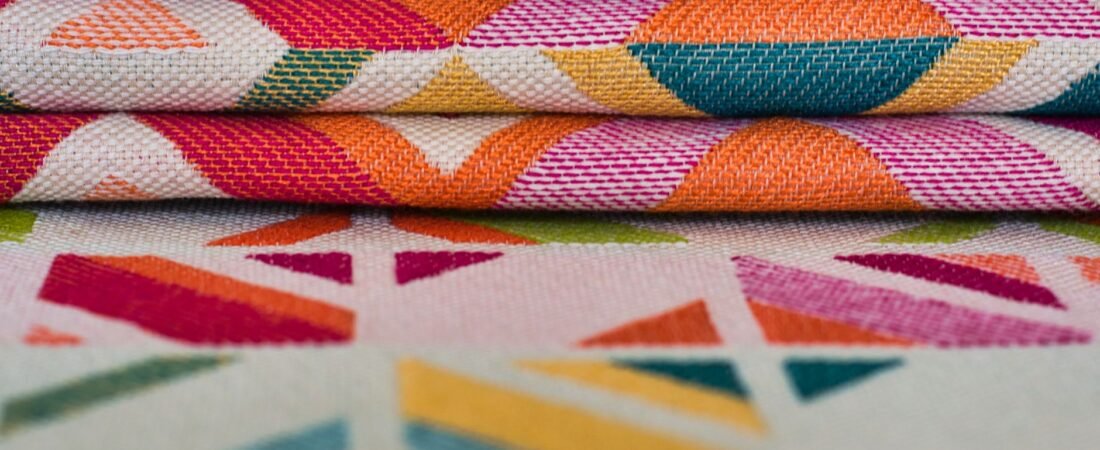
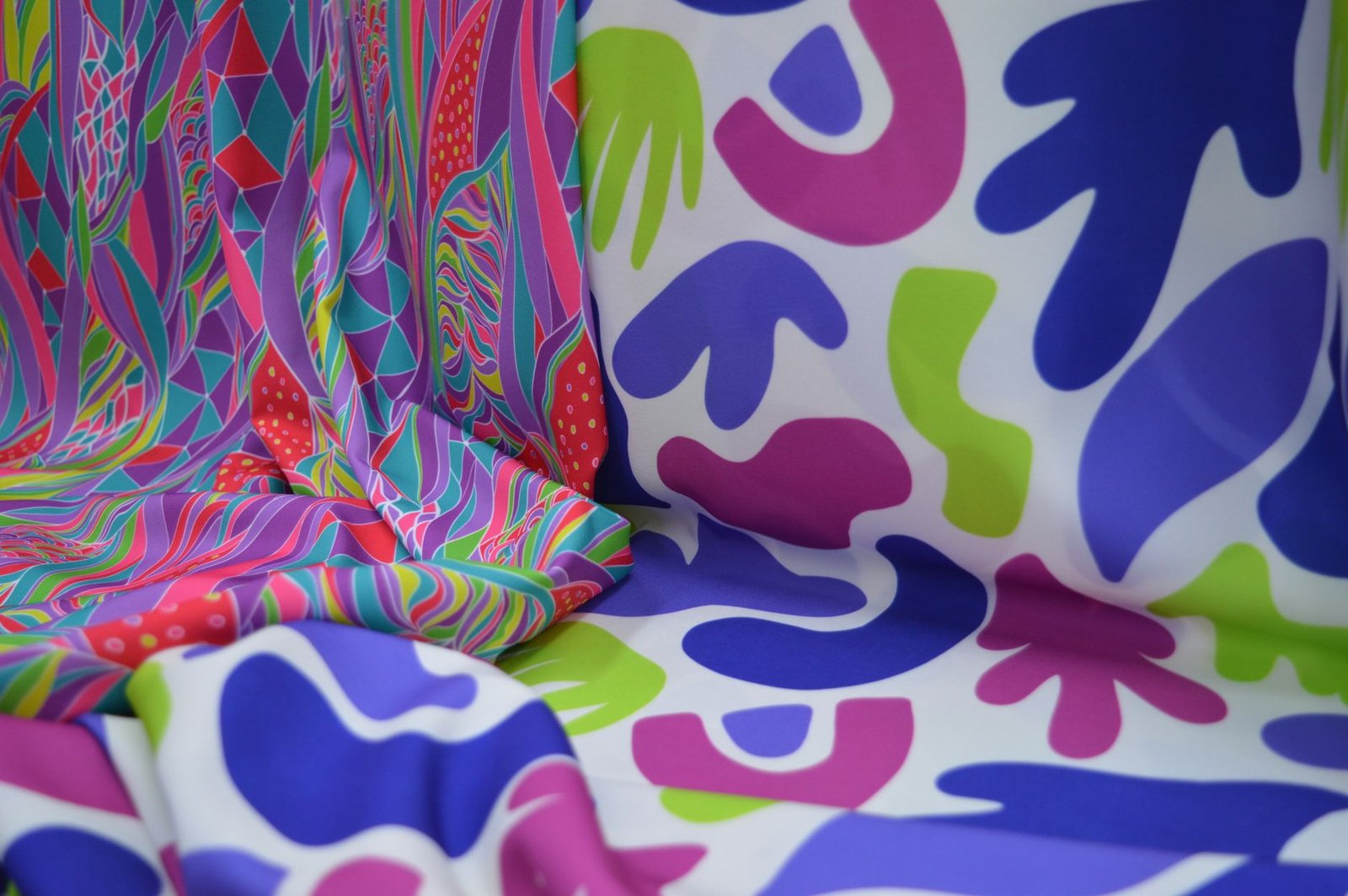
The modern fabric aesthetic tends to build on a few consistent visual habits, even though individual designers and collections vary quite a bit. Bold, often large-scale graphics are one hallmark, whether that’s a chunky geometric shape, an oversized floral, or an abstract print, generally rendered with fewer colors and cleaner lines than a traditional busy print would use. Negative space, meaning generous areas of solid or near-solid background left intentionally uncluttered, is another signature move, giving modern fabric a breathing room that a lot of traditional prints simply don’t have. Clean lines and a slightly graphic, almost illustrated quality round things out, often favoring a more limited, curated color palette over the dense, saturated rainbow approach some traditional collections lean into. Many modern fabric designers also lean toward a specific, recognizable color story across an entire collection, releasing a print in three or four coordinated colorways rather than a dozen unrelated options, which makes it easier for quilters to build a cohesive palette straight out of one collection. Print scale itself also tends to run larger overall in modern fabric than in traditional lines, with a single motif sometimes spanning several inches across, a deliberate choice that lets the fabric hold its own as a focal point rather than blending into a busier, more repetitive traditional layout.
Modern Vs Traditional Quilting Fabric
Comparing modern and traditional quilting fabric side by side makes the differences pretty clear, and understanding them helps when you’re trying to figure out which direction a project should lean. Traditional quilting fabric tends to favor smaller scale, densely packed prints, often florals, calicos, or classic Americana motifs, frequently in warmer, more saturated color combinations reminiscent of quilts from decades past. Modern fabric, by contrast, generally uses larger scale motifs with more open space around them, a more restrained color palette, and design sensibilities that borrow more from contemporary graphic design and illustration than from historical quilting traditions. Neither style is objectively better, plenty of quilters love the warmth and density of traditional prints just as much as others are drawn to modern fabric’s cleaner, more minimalist feel, and the right choice really comes down to personal taste and the mood you’re going for in a finished piece. It’s also worth remembering that “modern” describes an aesthetic rather than a strict rulebook, so plenty of fabric collections blend elements of both styles, borrowing traditional motifs but rendering them with a more contemporary color palette or a bolder, larger print scale. This hybrid category, sometimes called modern-traditional or transitional fabric, has grown considerably in recent years as more designers try to bridge the gap between the two audiences rather than committing fully to one camp or the other.
Popular Modern Fabric Motifs
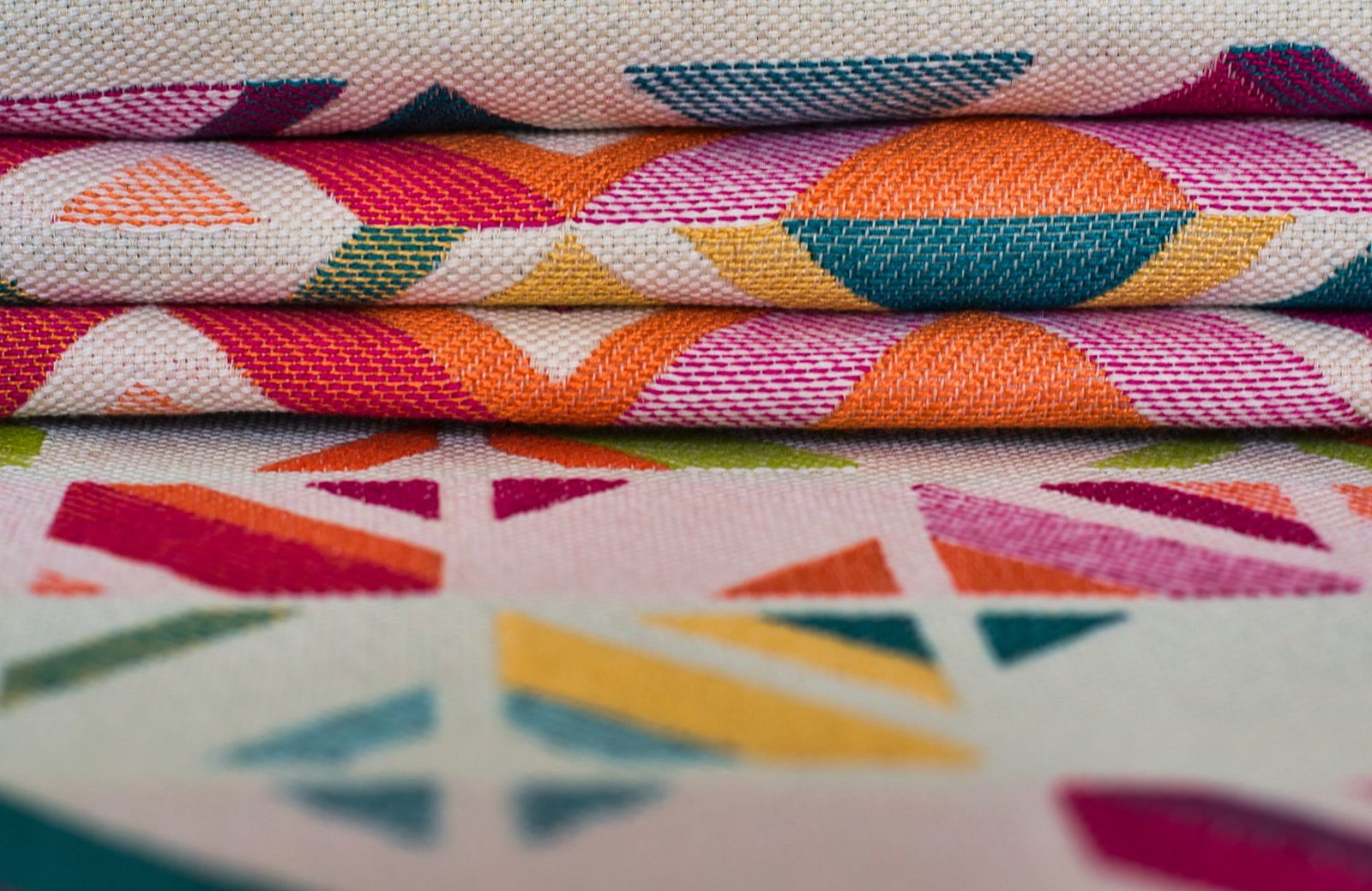
Certain motifs show up again and again across modern fabric collections, and getting familiar with them makes shopping and planning noticeably easier. Geometric prints, including bold stripes, chevrons, and abstract shapes, are extremely common and pair well with the clean, graphic quality modern fabric tends to favor overall. Large-scale florals, distinct from the tiny, dense florals of traditional quilting cotton, bring a botanical feel without the busy, cluttered look, often rendered in a more limited color palette than their traditional counterparts. Minimalist blenders, meaning subtly textured or lightly patterned solids that read as nearly solid from a distance, round out most modern fabric lines and give quilters an easy way to add quiet texture without introducing another busy print into a design. Solid-adjacent low-volume prints, meaning fabrics with just a hint of subtle pattern on a mostly white or neutral background, are especially common in modern lines and often serve as the connective tissue that ties a whole modern fabric project together without competing with the bolder focal prints. Novelty and conversational prints, meaning fabrics printed with a recognizable object, animal, or scene rendered in a clean, modern illustration style rather than a traditional realistic rendering, are also common, giving modern fabric a playful side that still fits comfortably within its overall clean, graphic sensibility.
Using Modern Fabric In Quilts And Garments
Modern fabric works especially well in quilts and garments that lean into its clean, uncluttered visual style rather than fighting against it. Quilt patterns with simple geometric blocks, generous negative space, or minimalist improv-style piecing let modern fabric’s bold prints and open backgrounds really shine, since the pattern itself doesn’t compete with the fabric’s already strong visual presence. Garments benefit from modern fabric too, particularly simpler silhouettes where large expanses of fabric let a bold geometric or floral print read clearly rather than getting chopped into tiny, hard-to-see pieces. Home decor projects, like throw pillows or simple wall hangings, are another natural fit, since modern fabric’s graphic quality tends to read well at the scale and viewing distance those projects are typically seen from. Modern fabric can work in more traditional block patterns too, and doing so often produces a fresh, updated take on a classic quilt shape simply by swapping in bolder, more graphic fabric where a smaller traditional print would normally go.
Mixing Modern And Traditional Prints
Mixing modern and traditional prints in the same project is entirely possible and something a lot of quilters enjoy experimenting with, even though the two styles come from fairly different design sensibilities. A helpful starting approach is choosing one style to dominate a project, say mostly modern fabric with just a few traditional accent prints woven in, rather than trying to split the palette evenly, since an even split can sometimes read as visually unresolved. Color coordination matters more than style matching in this kind of mix, so pulling traditional prints in colors that already echo a modern fabric’s palette tends to blend the two styles more successfully than picking based on print style alone. Many quilters find that solids and blenders, which exist comfortably in both aesthetics, work well as a bridge between a bolder modern print and a more traditional busy one, smoothing the visual transition between the two. Sketching a rough layout before cutting, or laying fabric pulls out on a design wall and stepping back to view them from a distance, also helps confirm a modern-traditional mix is working before committing to cutting into a full project’s worth of fabric.
Where To Find Modern Fabric Collections
Finding modern fabric collections comes down to knowing what to look for rather than any one specific source, since these fabrics show up across independent quilt shops, larger fabric retailers, and online exclusively at various points depending on the designer and collection. Many modern fabric designers release collections seasonally, similar to how a lot of quilting cotton lines work generally, so a particular print or colorway may only be available for a limited window before it’s replaced by newer designs. Following individual fabric designers whose style resonates with you, rather than searching generically, tends to be one of the more reliable ways to consistently find new modern fabric that fits your taste. As always, preferences vary quite a bit from quilter to quilter, and building a modern fabric stash is really about discovering which designers and collections speak to your own sense of color and design over time. Following a shop’s social media or newsletter announcements is often the most reliable way to catch new modern fabric collections the moment they arrive, since the most popular colorways from a well-loved designer can sell out within days of release.
Ready to explore modern fabric for your next project? Explore our Fabric Types and Guides library here at Bee’s Quilt Shop for more fabric-specific advice, and browse our current fabric collection to see what’s currently available. Explore more Fabric Types & Guides guides on the blog, or browse our Fabric collection to see what is currently available.
Frequently Asked Questions
What makes a fabric count as modern versus traditional?
Modern fabric generally uses larger scale graphics, more open negative space, and a more restrained color palette compared to the smaller, denser prints typical of traditional quilting cotton. It’s more of a design sensibility than a strict rule.
Can I mix modern and traditional fabrics in the same quilt?
Yes, and many quilters do, often letting one style dominate the project while using the other as an accent. Matching colors across the two styles tends to blend them more successfully than matching print style alone.
What quilt patterns work best with modern fabric?
Simple geometric blocks or minimalist improv-style piecing tend to let modern fabric’s bold prints and open space really shine. Bee’s Quilt Shop suggests avoiding overly busy pieced patterns that might compete with an already strong print.
Where can I find modern fabric collections?
They show up at independent quilt shops, larger fabric retailers, and online, though many designers release collections seasonally, so availability shifts over time. Following individual designers whose style you like is often more reliable than a generic search.
Is modern fabric more expensive than traditional quilting cotton?
Pricing varies by designer and collection rather than by style category alone, so it’s not accurate to say modern fabric is universally pricier. Comparing per-yard pricing within a specific shop is the most reliable way to budget for a project.
This article is intended for general educational and informational purposes only, based on common quilting practices. Style preferences and fabric availability vary widely, so exploring a range of collections before committing to a palette is always a good idea. Bee’s Quilt Shop shares this guide as part of our ongoing library of quilting and sewing resources.