Quick answer: A cathedral window quilt is made from folded fabric units with small accent squares tucked into curved stitched openings, creating a stained glass style effect without any traditional piecing. It’s considered an advanced technique because of the precision folding required, not because any single step is especially complicated.
A cathedral window quilt is one of those techniques that seems to defy explanation the first time you see one in person, small folded fabric “windows” framing tiny colorful accent squares in a design that looks far more like origami than typical quilting. It’s a technique that rewards patience more than complicated skill, and once you understand the basic folding logic behind it, the whole thing starts to make a lot more sense. This guide covers what a cathedral window quilt actually is, why it’s considered an advanced technique, and how to approach it with realistic expectations from the start. For quilters who love a slow, meditative process just as much as the finished result, few techniques deliver quite the same satisfying rhythm as folding and stitching one cathedral window unit after another. It’s a technique that genuinely rewards a slower, more deliberate pace, and quilters who approach it that way tend to enjoy the process far more than those trying to rush toward a finished quilt.
What A Cathedral Window Quilt Is
A cathedral window quilt gets its signature look from a folded fabric technique rather than traditional piecing, where background fabric squares are folded multiple times into a smaller finished unit, and small accent fabric squares are then tucked into the folds and secured with a curved stitch, creating the appearance of a small stained glass window framed by fabric. Each finished “window” unit connects to its neighbors, building up a quilt entirely from these individually folded and stitched pieces rather than from squares or triangles sewn together edge to edge the way most quilting techniques work. The visual effect, that soft, rounded window shape appearing to float against a folded fabric background, comes entirely from precise folding and pressing rather than any printed or pieced pattern, which is part of what makes this technique so visually distinct from almost anything else in quilting. The finished texture also stands apart, since the multiple folded layers give a cathedral window piece a noticeably heavier, more substantial hand than a typical pieced quilt of the same size.
Why Cathedral Window Is Considered An Advanced Technique
Cathedral window quilting has a well-earned reputation as an advanced technique, and it’s worth being honest about that rather than downplaying the learning curve involved. The precision required in folding each unit consistently, matching corners exactly and pressing sharp, accurate folds repeatedly across potentially dozens or hundreds of units, takes real practice to master, and even experienced quilters describe an adjustment period when first learning the technique. Unlike techniques where a slightly uneven seam allowance might go unnoticed, inconsistent folding in cathedral window work becomes immediately visible once units are joined together, since the whole design depends on those folded edges lining up cleanly. Working in small batches of just a handful of units at a time, rather than trying to fold an entire quilt’s worth in one long session, tends to keep both accuracy and enthusiasm from slipping as fatigue sets in. That said, the individual steps themselves aren’t conceptually complicated, it’s really the combination of repetition and precision that makes this technique feel advanced rather than any single difficult skill. Working through a checklist for each unit, fold, press, fold again, press again, position accent square, stitch, helps break the process into manageable individual steps rather than one overwhelming task.
Fabric Choices That Showcase The Window Effect
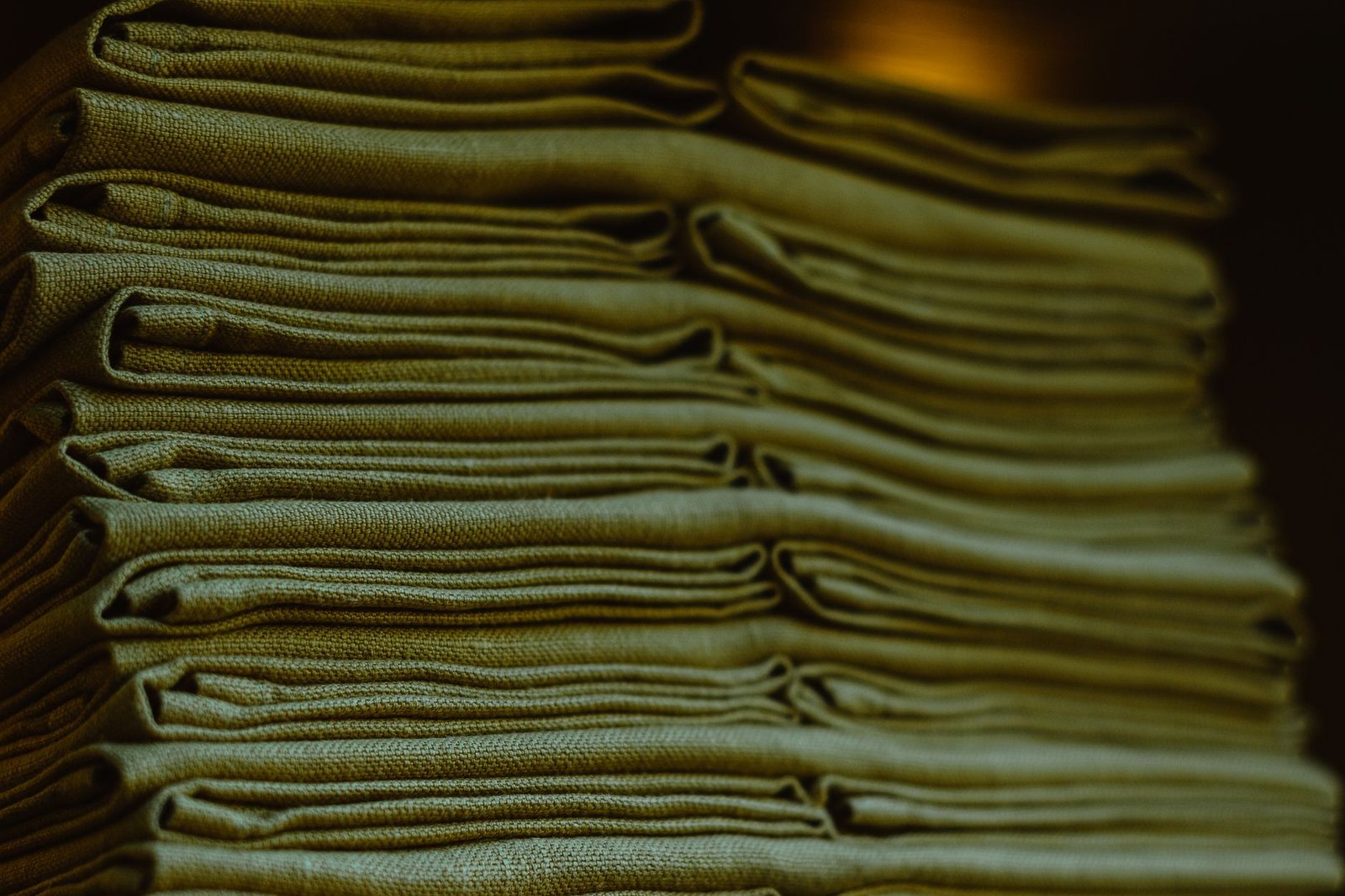
Fabric choice plays a genuinely important role in how well a cathedral window quilt’s signature effect actually reads once finished. The background fabric, which gets folded to create the window frames, tends to work best in a solid or nearly solid color, since a busy print would compete with and obscure the folded structure the technique is known for. The accent fabric, tucked into each window and showing through as the “glass,” benefits from higher contrast against the background, whether that’s a bold color, a small distinct print, or a different value entirely, since strong contrast is what makes each window pop visually against its folded frame. Many quilters use a single consistent background fabric throughout for a cohesive, calm base, then vary the accent fabric from window to window for scrappy visual interest, giving the piece both structure and variety at the same time. Batik and hand-dyed fabrics are especially popular accent choices too, since their tonal variation within a single piece adds subtle depth to each small window even before it’s set against its folded frame. Some quilters intentionally scatter a handful of especially vivid or contrasting accent squares throughout an otherwise consistent palette, creating small focal points that draw the eye across the finished piece.
Basic Cathedral Window Construction Approach
The basic cathedral window construction approach follows a consistent sequence across most versions of the technique, even though specific measurements vary by pattern. Background squares get folded in half, then in half again, and often folded a third time toward the center, with each fold carefully pressed to create sharp, accurate creases that will define the finished window shape. Once a base unit is folded and pressed, it typically gets joined to its neighboring units, and the accent “window” fabric is then positioned over the seam between joined units and secured by folding the background fabric’s curved edge up and over the accent fabric’s raw edge, stitched down by hand or machine in that distinctive curved line. Because so much of this process depends on precise folding and pressing rather than measuring and cutting alone, working through a full sample unit before committing to an entire quilt is genuinely one of the most valuable things a first-time cathedral window quilter can do. Some quilters use starch or a fabric stiffener on the background squares before the first round of folding, finding that the added body makes those initial creases hold their shape more reliably through the following steps. A hot iron with a bit of patience, rather than rushing each press, genuinely makes the difference between crisp, professional-looking folds and soft, imprecise ones that undermine the whole design.
Tools That Help With Precision Folding
Certain tools genuinely help with the precision folding this technique demands, and investing in a few of them can meaningfully smooth the learning curve. A quality pressing tool, whether a traditional iron or a smaller specialty pressing tool designed for tight folds, helps achieve the sharp, accurate creases each fold requires, since a soft or imprecise press makes it much harder to keep units consistent. Templates or acrylic guides sized specifically for cathedral window units help ensure consistent cutting and folding measurements across potentially dozens of repeated units, reducing the drift in size that can accumulate if each square is measured freehand. Fabric clips or small binder clips, rather than pins, are a favorite among many cathedral window quilters for holding folded layers in place before stitching, since pins can be awkward to maneuver through the multiple folded layers this technique produces. A dedicated small workspace where partially folded units can sit undisturbed between sessions also helps, since this is rarely a technique completed in one uninterrupted sitting. A shallow tray or labeled container to keep folded units organized between sessions also prevents accidentally unfolding a carefully pressed piece before it’s ready to be joined.
Realistic Time Expectations For A Cathedral Window Project
Setting realistic time expectations for a cathedral window project matters more here than for almost any other quilting technique, since the repetitive folding and pressing genuinely takes considerably longer per finished square inch than most piecing methods. Rather than promising a specific timeline, since that genuinely varies enormously by quilt size, individual pace, and experience level, it’s more useful to think of this as a technique best suited to a project you’re not in a hurry to finish, one where the process itself, the meditative rhythm of folding, pressing, and stitching each unit, becomes part of the appeal rather than an obstacle to rush through. Many quilters at Bee’s Quilt Shop describe starting with a small sample piece, a single pillow cover or wall hanging rather than a full bed quilt, specifically to get a realistic feel for their own personal pace before committing to a much larger cathedral window project. That smaller starting project also produces something genuinely usable within a reasonable timeframe, which helps sustain motivation before tackling the considerably longer commitment a full-size quilt represents.
Ready to try a cathedral window sample block? Explore our Quilt Patterns and Blocks library here at Bee’s Quilt Shop for more technique guides, and browse our current fabric collection to see what’s currently available. Explore more Quilt Patterns & Blocks guides on the blog, or browse our Patterns collection to see what is currently available.
Frequently Asked Questions
Is a cathedral window quilt too hard for a beginner to try?
It’s genuinely considered an advanced technique, but that’s mostly due to the repetition and precision folding required rather than any single difficult step. Bee’s Quilt Shop suggests starting with a small sample piece to get a feel for it before committing to a full quilt.
What fabric works best for cathedral window quilting?
A solid or nearly solid background fabric works best since a busy print would compete with the folded window structure. The accent fabric tucked into each window benefits from higher contrast to make each window really pop.
How long does a cathedral window quilt take to make?
It varies considerably by quilt size, individual pace, and experience level, so it’s best approached as a project you’re not in a rush to finish. Many quilters treat the slow, repetitive folding process as part of the appeal rather than an obstacle.
What tools help with cathedral window folding accuracy?
A good pressing tool for sharp creases, templates or acrylic guides for consistent measurements, and fabric clips instead of pins for holding folded layers all genuinely help. These tools reduce the small errors that can accumulate across many repeated units.
Why does my cathedral window unit look uneven after folding?
Inconsistent folding is one of the most common issues with this technique, since even a slightly off fold becomes visible once units are joined together. Practicing on a few sample units before starting a full quilt helps build the consistency this technique needs.
This article is intended for general educational and informational purposes only, based on common quilting practices. Results vary by fabric, folding technique, and individual skill level, so practicing on a sample unit before a full project is always a good idea. Bee’s Quilt Shop shares this guide as part of our ongoing library of quilting and sewing resources.