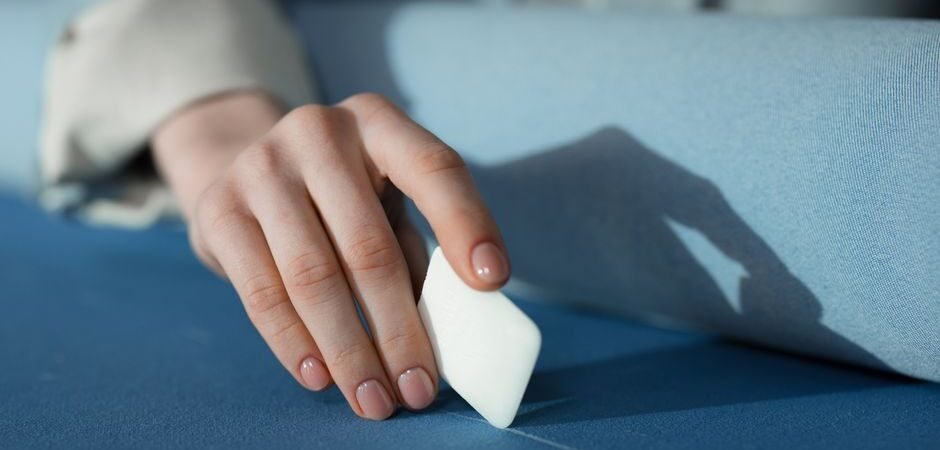
Quick answer: Fabric chalk is a temporary marking tool used to draw cut lines, seam allowances, and pattern placement directly onto fabric before sewing. It comes in pencils, wheels, and traditional wedges, and brushes or washes away cleanly once its job is done.
Fabric chalk is one of those simple, unglamorous tools that quietly makes almost every other step in a sewing or quilting project easier, and once you start using it consistently, it’s hard to imagine going back to eyeballing a cut line. At its core, fabric chalk is a marking tool used to draw temporary lines and reference points directly onto fabric, typically in the form of pressed chalk shaped into a pencil, wedge, or wheel-based dispenser. Its main job is guiding accuracy in places where a mistake is genuinely hard to undo, marking exactly where to cut, where a seam allowance ends, or where a pattern piece needs to be placed carefully before pinning. Because it’s designed to sit on the surface of the fabric rather than penetrate the fibers, most fabric chalk brushes or washes away cleanly once it’s done its job. It’s one of those notions that’s easy to overlook when building a sewing kit, yet nearly every experienced quilter reaches for it constantly once a project moves from planning into actual cutting and construction. This guide covers what fabric chalk is used for, the different types available, and how to choose, use, and store it well. Bee’s Quilt Shop keeps fabric chalk in regular rotation as one of those small but genuinely essential sewing room notions.
What Fabric Chalk Is Used For
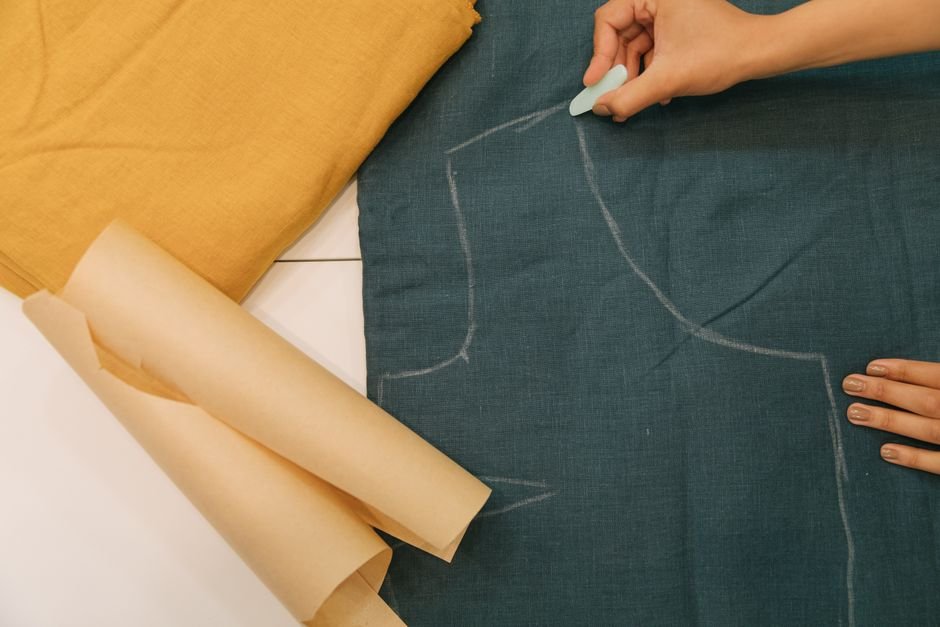
Fabric chalk earns its place in a sewing kit by solving a handful of very specific, recurring problems. Marking cut lines is probably its most basic use, giving a clear, visible guide to follow with scissors or a rotary cutter instead of relying on a ruler alone or trying to remember where a line should fall. Seam allowances benefit from chalk marking too, particularly on patterns with a less standard allowance or on projects where precision really matters, like matching points in a pieced quilt block. Pattern placement is another common use, helping position elements like pockets, buttonholes, or appliqué pieces accurately before they’re pinned or basted in place. Beyond these core functions, many quilters and sewists also use fabric chalk for transferring embroidery designs, marking quilting lines before stitching, or noting temporary reference points like a garment’s hemline before it’s finalized, all situations where a mark needs to be visible but not permanent. It also comes in handy for marking fabric grain lines when working with a slippery or hard-to-read fabric, helping keep pattern pieces oriented correctly relative to the weave during cutting.
Types Of Fabric Chalk
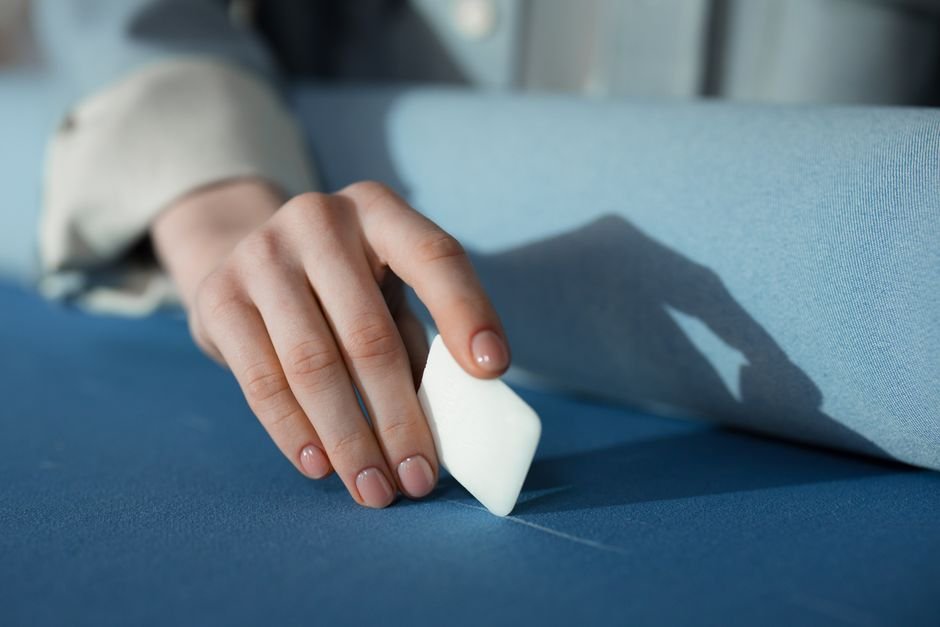
Not all fabric chalk works the same way, and understanding the main types helps in choosing the right one for a given task. Chalk pencils look and function much like a regular pencil, offering fine, controlled lines that work especially well for detailed marking, like transferring small pattern notches or embroidery guides. Chalk wheels, sometimes called tracing wheels with a chalk cartridge, dispense a thin, even line of powdered chalk as they roll along a ruler or pattern edge, making them fast and consistent for marking long, straight cutting or seam lines. Traditional tailor’s chalk comes in a flat, triangular wedge shape, often used with the edge of the wedge to draw a line, and it remains popular for its simplicity and the fact that it doesn’t require sharpening the way a chalk pencil eventually does. Each type has its strengths, chalk pencils for precision, wheels for speed and consistency, and traditional wedges for straightforward, no-fuss marking, so many sewists end up keeping more than one type on hand for different tasks. Some brands also offer heat-erasable or friction-based chalk pencils that disappear with a pass of a warm iron, giving an alternative removal method beyond simple brushing or washing for anyone who prefers that approach.
Choosing Chalk Color For Light Vs Dark Fabric
Choosing the right chalk color comes down to one simple principle, contrast, but getting it right matters more than it might seem for keeping marks genuinely visible while you work. On light-colored or white fabric, a darker chalk, like a blue, pink, or even a basic gray, tends to show up clearly without disappearing into the background. On dark fabric, a white or pale yellow chalk is usually necessary, since a colored chalk close in value to the fabric itself can become nearly impossible to see, especially in dim lighting. Many chalk products come in small sets specifically for this reason, giving you a light and dark option in the same pack so you’re covered regardless of what you’re working on. Testing a chalk mark on a scrap of your actual project fabric before marking the real piece for good is a smart habit, both to confirm visibility and to check how easily the chalk brushes off that specific fabric’s texture and color. For fabric that falls somewhere in the middle of the value range, holding both a light and dark chalk against a scrap side by side, under the same lighting you’ll be cutting in, usually makes the better choice obvious quickly.
Fabric Chalk Vs Other Marking Tools
Fabric chalk isn’t the only marking tool available, and understanding how it compares to alternatives like marking pens and disappearing ink helps in choosing the right tool for a specific job. Marking pens, including air-erasable and water-soluble varieties, offer a finer, more precise line than most chalk and tend to be popular for detailed work like embroidery transfer or fine quilting lines, though they carry a small risk of staining certain fabrics if not tested first. Disappearing ink pens fade on their own after a set period of time, which is convenient for temporary marks you don’t want to think about removing later, but that same feature becomes a drawback if a project takes longer than expected and the marks fade before you’re done using them. Fabric chalk’s main advantage over both is its immediate, reliable removability by brushing or washing, along with the fact that it doesn’t carry any risk of chemical staining the way some inks occasionally do, making it a safer default choice for fabrics you’re unsure about.
Removing Fabric Chalk Marks
Removing fabric chalk marks is usually the easiest part of the process, though the exact method depends a bit on the chalk type and fabric. Most fabric chalk brushes away with a dry cloth, a soft brush, or even a firm flick of the fingers once its job is done, since it’s designed to sit lightly on the surface rather than absorb into the fibers. For chalk that’s left a bit more residue, particularly on textured or napped fabrics like flannel or corduroy, a light misting of water or a quick wash typically clears any remaining marks completely. It’s worth testing removal on a scrap first for any fabric that’s especially delicate, deeply colored, or prone to water spotting, just to confirm the chalk comes away cleanly without leaving a shadow or affecting the fabric’s finish. Waiting to remove chalk marks until you’re fully done referencing them, rather than brushing them off prematurely mid-project, helps avoid having to re-mark a line you still needed.
Storing Fabric Chalk So It Doesn’t Crumble
Keeping fabric chalk in good working condition mostly comes down to protecting it from moisture and physical damage, since pressed chalk is more fragile than it might look. Storing chalk pencils, wedges, and wheel cartridges in a dedicated case or pouch rather than loose in a sewing box or drawer helps prevent them from chipping or crumbling from being knocked around alongside scissors and other hard tools. Keeping chalk away from humidity is worth paying attention to as well, since pressed chalk can absorb moisture over time and become softer, crumblier, and harder to control with precision. For chalk pencils specifically, a small sharpener designed for the softer chalk core, rather than a standard pencil sharpener, tends to produce a cleaner point without excessive breakage. A little care in storage goes a long way toward getting consistent, long-lasting use out of what’s otherwise a genuinely inexpensive and easily replaceable little sewing room tool.
Ready to stock up on marking tools for your next project? Explore our Notions and Tools library here at Bee’s Quilt Shop for more practical advice, and browse our current notions collection to see what’s in stock right now. Explore more Fabric Types & Guides guides on the blog, or browse our Notions collection to see what is currently available.
Frequently Asked Questions
Does fabric chalk wash out completely?
Most fabric chalk brushes away with a dry cloth or light wash without leaving any trace, since it’s designed to sit on the surface rather than absorb into the fibers. Testing removal on a scrap first is still a smart habit, especially for delicate or deeply colored fabric.
What color fabric chalk should I use on dark fabric?
A white or pale yellow chalk tends to show up clearly on dark fabric, since a colored chalk too close in value to the fabric can be nearly impossible to see. Many chalk sets include both a light and dark option specifically so you’re covered either way.
Is fabric chalk better than a marking pen?
It depends on the task, chalk offers reliable, low-risk removability with no staining concerns, while marking pens give a finer, more precise line for detailed work. Many sewists at Bee’s Quilt Shop keep both on hand and choose based on what a specific project calls for.
Why does my fabric chalk keep breaking or crumbling?
Pressed chalk is fairly fragile and can absorb moisture over time, making it softer and more prone to crumbling if it’s stored loosely or in a humid space. Keeping chalk in a dedicated case away from moisture helps it hold together and mark cleanly for longer.
Can fabric chalk be used on delicate or dark fabrics safely?
Generally yes, but testing on a hidden scrap first is always worth doing, since some heavily textured or delicate fabrics can hold onto chalk residue more than others. This small extra step helps confirm both visibility and clean removal before marking your actual project.
This article is intended for general educational and informational purposes only, based on common sewing and quilting practices. Results vary by fabric type and chalk brand, so testing on a scrap before marking a full project is always a good idea. Bee’s Quilt Shop shares this guide as part of our ongoing library of quilting and sewing resources.