Quick answer: Duck cloth fabric is a tightly woven, heavyweight cotton fabric, often woven with doubled yarns for extra strength, prized for its durability in bags, upholstery-adjacent projects, and structured home decor. It is closely related to canvas but tends to have a denser, tighter weave.
Duck cloth fabric has a reputation for being nearly indestructible, and once you’ve handled a bolt of it, it’s easy to see why. Duck cloth fabric is a tightly woven, heavyweight cotton fabric, often woven with two threads twisted together in the weft for extra strength, giving it a dense, sturdy hand that holds up to serious wear far better than a typical quilting cotton. The name itself doesn’t come from actual ducks, it’s a shortened version of the Dutch word “doek,” meaning cloth, though the confusion around the name comes up often enough that it’s worth clearing up right away. Because of its density and durability, duck cloth shows up constantly in projects that need to survive real abuse, from tote bags to workwear to outdoor gear. This guide covers what makes duck cloth what it is, how it compares to the closely related canvas, and how to sew with and care for it successfully. Bee’s Quilt Shop sees plenty of interest in duck cloth from crafters looking for something more substantial than standard quilting cotton.
What Duck Cloth Fabric Is
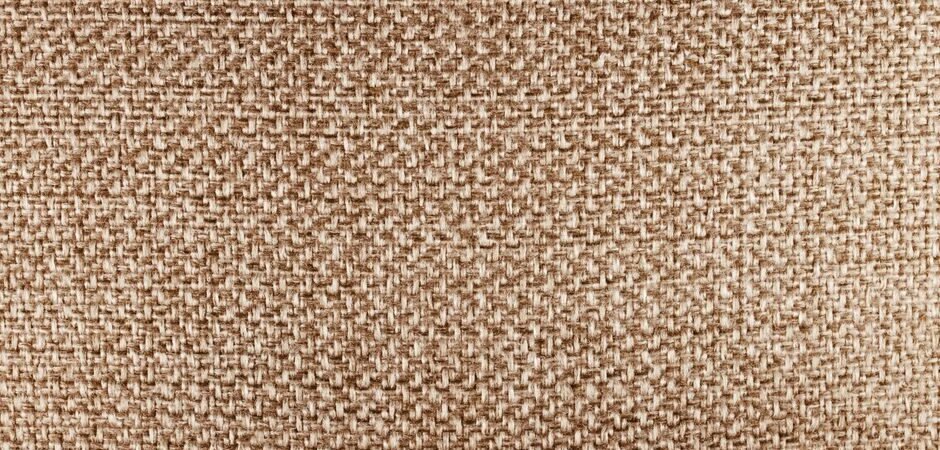
Duck cloth is built on a plain weave, the same basic structure found in many lighter fabrics, but what sets it apart is the density and weight of that weave. The threads are packed in extremely tightly, and duck cloth frequently uses a technique where two yarns are twisted together before weaving, adding extra bulk and strength to the finished fabric compared to a single-yarn weave of similar fiber content. This tight, doubled construction is what gives duck cloth its characteristic stiffness and resistance to tearing, snagging, and general wear, making it feel noticeably different in your hands than a soft quilting cotton or even a medium-weight home decor fabric. Most duck cloth is made from cotton, though cotton-polyester blends exist too, generally aimed at adding a bit of wrinkle resistance or water repellency without sacrificing too much of that classic sturdy hand. Because of how densely it’s woven, duck cloth also tends to hold its shape well without much stretch or give, a trait that makes it excellent for structured projects but less forgiving for anything requiring drape or flexibility. Duck cloth is also sold in several grades and finishes, ranging from a soft, pre-washed hand aimed at garment use to a stiffer, untreated version better suited to structural craft projects, so it’s worth checking a specific listing’s finish before assuming every duck cloth handles the same way off the bolt.
Duck Cloth Vs Canvas: What’s The Difference
Duck cloth and canvas get confused constantly, and it’s an honest mix-up since both are heavy, tightly woven cotton fabrics used for similarly rugged projects. The clearest distinction usually comes down to weave and hand rather than any strict rule, since canvas is traditionally woven in a plain or basket weave and can range quite a bit in weight, while duck cloth specifically tends toward that tighter, often double-yarn plain weave that gives it a slightly smoother, denser surface compared to some canvas varieties. In practice, many manufacturers and retailers use the terms somewhat interchangeably, and the line between a heavy duck cloth and a lighter canvas can genuinely blur depending on the specific product and who’s labeling it. Rather than treating the terms as strictly separate categories, it’s often more useful to compare specific fabrics by their actual weight and hand rather than relying on the name alone, since a “canvas” from one supplier might feel nearly identical to a “duck cloth” from another. Historically, duck cloth was more strongly associated with sailcloth and workwear applications, while canvas carried a broader reputation spanning art canvas through heavy-duty tenting, though that historical distinction has blurred considerably in how the two terms get used in general fabric retail today.
Weight Numbers And What They Mean
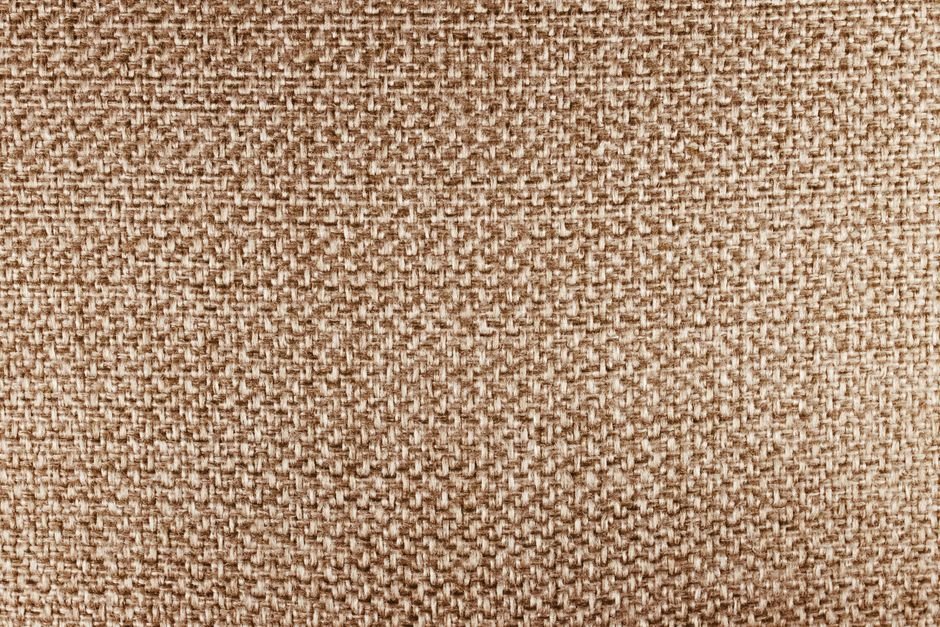
Understanding duck cloth’s weight numbers, usually expressed in ounces per square yard, makes a real difference in choosing the right fabric for a project rather than guessing based on the name alone. Lighter duck cloth, generally in the range of around 7 to 10 ounces, still has good body and durability but retains enough flexibility for projects like lighter bags, aprons, or garments that need some structure without excessive stiffness. Mid-weight duck cloth, often somewhere around 10 to 12 ounces, hits a versatile middle ground popular for tote bags, upholstery-adjacent home decor, and general craft projects that need real durability without becoming difficult to sew through. Heavier duck cloth, running 12 ounces and up, is genuinely substantial and stiff, generally reserved for projects like heavy-duty bags, work aprons, or outdoor gear where maximum durability matters more than ease of sewing. Because ounce weight isn’t always labeled consistently across every supplier, it’s worth handling a swatch in person or checking a specific product’s listed weight closely if a project has a particular stiffness or drape requirement in mind. Ordering a small sample cut before committing to yardage for a larger project is a reasonable extra step when shopping online specifically, since photographs alone rarely convey how a given weight of duck cloth actually feels and drapes in hand.
Best Projects For Duck Cloth
Duck cloth’s durability makes it a natural choice for projects that need to survive real, repeated use rather than sitting decoratively on a shelf. Bags are probably the most common application, including totes, backpacks, and utility pouches, where duck cloth’s resistance to tearing and abrasion holds up to being packed, dropped, and hauled around daily. Upholstery-adjacent projects benefit from duck cloth too, including seat cushions, slipcovers, and outdoor furniture covers, where its sturdiness and relatively tight weave stand up to regular sitting and weather exposure better than lighter decor fabrics. Structured home decor pieces, like placemats, aprons, and even some curtain applications where a heavier drape is desired, round out duck cloth’s common uses, giving projects a substantial, tailored look rather than a soft, flowing one. Because it holds a crisp fold and structured shape so well, duck cloth is also a popular choice among crafters building their own storage bins, organizers, or other functional sewn items meant to hold their shape without additional stiffening.
Sewing Tips For Working With Heavy Duck Cloth
Sewing with heavy duck cloth calls for a few adjustments compared to working with quilting cotton, mostly because its density puts more strain on a standard home machine setup. A larger, sturdier needle, typically in the denim or heavy-duty range, punches through the tightly woven layers far more reliably than a standard sewing needle, which can dull quickly or even bend trying to force its way through multiple duck cloth layers. A heavier-weight thread, sometimes upholstery or topstitching thread, both matches the visual scale of the fabric and holds up better to the stress a duck cloth project typically endures. Many sewists also find that reducing stitch length slightly and sewing a bit more slowly through thick seams, particularly where multiple layers overlap, like a bag’s bottom corners, helps the machine feed evenly and avoid skipped stitches. Pressing seams open or to one side with a hot iron before topstitching also helps manage duck cloth’s natural bulk, making it easier to sew a clean, flat line through multiple thick layers.
Caring For Duck Cloth Projects
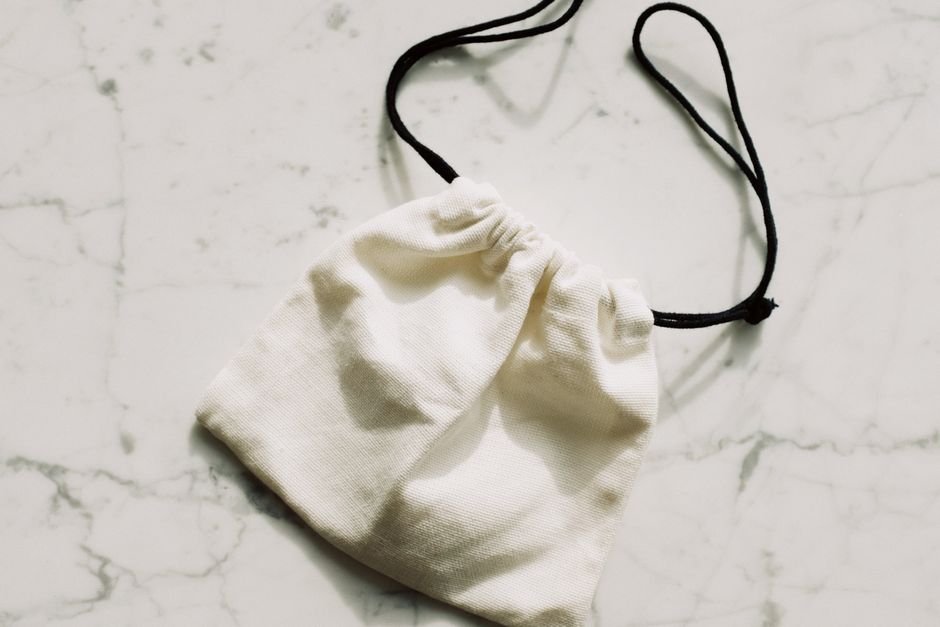
Caring for finished duck cloth projects is fairly low-maintenance given how the fabric is generally used for durable, functional items rather than delicate ones. Most duck cloth can be machine washed in cool to warm water, though checking for any specialized coatings or water-repellent finishes first is worth doing, since some treated duck cloth performs best with gentler care to preserve that finish over time. Line drying or a low-heat dryer setting tends to be gentler on duck cloth’s fibers over repeated washes and helps preserve its shape, particularly for structured bags or accessories where excessive heat and tumbling could distort the fabric’s crisp fold lines. Because duck cloth is prized for its durability in the first place, most finished projects hold up remarkably well to regular use and washing without much special attention, which is really the whole point of choosing this fabric for a hardworking project in the first place.
Ready to work with something built to last? Explore our Fabric Types and Guides library here at Bee’s Quilt Shop for more fabric-specific advice, and browse our current fabric collection to see what’s in stock right now. Explore more Fabric Types & Guides guides on the blog, or browse our Fabric collection to see what is currently available.
Frequently Asked Questions
Is duck cloth the same thing as canvas?
They’re closely related and the terms are often used somewhat interchangeably, though duck cloth tends toward a tighter, often double-yarn plain weave that gives it a denser, slightly smoother surface than some canvas. Comparing actual weight and hand rather than relying on the label alone is the most reliable way to tell them apart.
What ounce weight of duck cloth should I use for a tote bag?
A mid-weight duck cloth, generally in the 10 to 12 ounce range, tends to be a popular choice for tote bags since it balances real durability with fabric that’s still manageable to sew through. Heavier weights work too but can make sewing bulkier seams more difficult on a standard home machine.
Why is duck cloth so hard to sew through on my regular sewing machine?
Duck cloth’s tight, often doubled weave puts more strain on a standard needle and machine than quilting cotton does, especially through multiple layers. Switching to a heavy-duty or denim needle and sewing a bit more slowly through thick seams usually solves the problem.
Can duck cloth be washed in a regular washing machine?
Most untreated duck cloth can be machine washed in cool to warm water without issue, though it’s worth checking for any water-repellent or specialty coating first, since those finishes sometimes need gentler care. At Bee’s Quilt Shop we generally suggest a cooler wash and lower heat drying to preserve any applied finish.
Does duck cloth come in colors and prints, or just natural tones?
While natural, undyed duck cloth is common and popular for its classic look, it’s also widely available dyed in solid colors and occasionally in prints. The fabric’s texture and weight stay the same either way, so choosing color is really just a matter of personal preference for the finished project.
This article is intended for general educational and informational purposes only, based on common sewing practices. Results vary by fabric weight, machine, and project, so testing a seam sample before starting a full project is always a good idea. Bee’s Quilt Shop shares this guide as part of our ongoing library of quilting and sewing resources.