Quick answer: Twin size batting typically measures around 72 by 90 inches, sized to accommodate a standard twin quilt top with margin for shrinkage and squaring up. Weight and fiber content should be chosen based on the quilt’s intended warmth and use.
Choosing the right twin size batting is one of those decisions that seems minor until you’re standing at the fabric counter faced with a dozen options that all look roughly similar on the bolt. Batting is the layer that gives a quilt its warmth, drape, and dimensional texture, and getting the size and type right for a twin quilt makes a real difference in how the finished piece turns out. This guide covers the standard dimensions for twin size batting, how to choose weight and fiber content for this particular quilt size, how much extra to buy beyond your quilt top’s exact measurements, when and how to piece batting together for a larger project, and how to properly prep and store batting before you’re ready to use it. Whether you’re making your first twin quilt or you’ve made several but still second-guess your batting choice every time, this reference guide covers the practical basics. At Bee’s Quilt Shop, batting questions are some of the most common we hear from quilters planning a specific bed size project, since it’s easy to underestimate how much this one layer affects the whole finished quilt.
Standard Twin Size Batting Dimensions
Twin size batting typically comes precut in dimensions somewhere around 72 by 90 inches, though exact sizing varies a bit by manufacturer, generally offering enough margin around a standard twin quilt top to accommodate quilting shrinkage and squaring up the edges after the quilting process is complete. A standard twin bed mattress measures about 39 by 75 inches, but quilt makers typically add generous overhang on the sides and a deeper drop at the foot, which is why finished twin quilt tops usually run larger than the mattress dimensions alone would suggest, commonly somewhere in the 65 to 70 inch width range and 85 to 90 inches or more in length depending on how much drape you want. Buying precut twin batting sized specifically for this project saves you from either wasting a large cut of batting on a project that didn’t need it, or running short partway through basting a top that turned out larger than expected. It’s always worth double-checking your specific quilt top’s finished dimensions against the batting’s listed size before purchasing, since patterns vary quite a bit in their intended overhang and finished size. Some quilters also prefer buying batting off a bolt by the yard rather than a precut package specifically so they can size it exactly to their own quilt top rather than relying on a manufacturer’s standard dimensions.
Choosing Batting Weight For A Twin Quilt
Batting weight, described in terms of loft or thickness, affects both the warmth and the finished look of a twin quilt in ways worth thinking through before you buy. A low-loft batting produces a flatter, more traditional quilted look with a finer, more detailed quilting stitch pattern showing through clearly, and it tends to suit quilts intended more for decorative use or warmer climates where heavy warmth isn’t the primary goal. A higher-loft batting creates a puffier, more dimensional finished quilt with noticeably more warmth, which many quilters prefer for a twin quilt intended for actual daily bed use through colder months. There’s no universally correct choice here, since the right loft really depends on how the finished quilt will actually be used and the climate it’s headed for, so it’s worth thinking honestly about the quilt’s intended purpose rather than just picking whatever loft happens to be in stock that day. If you’re unsure, a mid-loft batting is generally a safe, versatile middle ground that works reasonably well across most twin quilt use cases without leaning too far in either direction.
Cotton Vs Polyester Vs Blend For Twin Projects
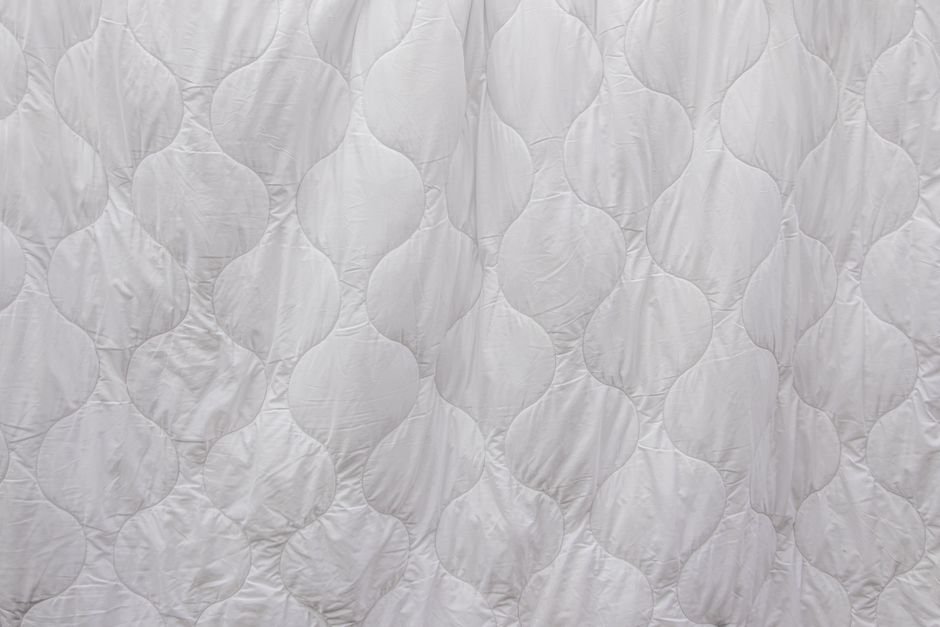
Fiber content is another major decision point, and each common option comes with its own tradeoffs worth understanding before committing to a twin-size project. Cotton batting offers a flatter, more traditional finished drape and breathes well, making it a popular choice for warmer climates or quilters who prefer a more classic quilted look and feel. Polyester batting tends to be warmer for its weight, holds loft well over repeated washing, and is generally more resistant to shifting or bunching inside the quilt over time, which some quilters find makes it more forgiving for a first project. Cotton-polyester blend battings aim to split the difference, offering some of cotton’s natural drape alongside some of polyester’s durability and loft retention. For a twin quilt specifically, many quilters lean toward cotton or a cotton blend if the piece is meant for everyday use and regular washing, simply because natural fiber tends to soften and age more gracefully through repeated laundering than pure synthetic batting does over many years. Reading the specific manufacturer’s care instructions before buying is worth doing too, since washing and drying recommendations can vary even between two battings of the same general fiber type.
How Much Extra Batting To Buy Beyond The Quilt Top
Buying enough batting margin beyond your quilt top’s exact finished measurements is genuinely important, and skimping here is a common beginner mistake that leads to real frustration partway through the quilting process. A general rule many experienced quilters follow is adding at least four to six inches of extra batting on all sides beyond your quilt top’s finished size, which accounts for the way quilting stitches naturally draw the layers in slightly, plus gives you working margin to keep everything smooth and taut while basting and quilting. Skimping on this margin risks running short right at the edge of your quilt, which is a genuinely frustrating problem to solve after the fact compared to simply buying enough batting up front. If you’re at all unsure whether your calculated margin is generous enough, erring on the side of a bit more batting than you think you need is almost always the safer call, since leftover batting scraps are useful for smaller future projects while running short mid-project is not. Keeping a small notebook or spreadsheet of your typical margin needs across past projects can also help you calculate more confidently the next time you’re buying batting for a new quilt.
Piecing Batting For A Twin Quilt If Needed
For a twin size quilt, precut batting is usually large enough that piecing shouldn’t be necessary, but it’s worth understanding the process in case your project runs unusually large or you’re working with batting remnants from previous projects rather than a fresh precut piece. Piecing batting involves overlapping two pieces by an inch or two and joining them with a whip stitch, a specialty fusible batting tape, or a wide zigzag stitch on the machine, creating a seam flat enough that it won’t create a noticeable ridge under the finished quilting. Positioning any pieced seam away from the center of the quilt, ideally somewhere it will fall along a natural quilting line, helps disguise the join in the finished piece. For a standard twin project using appropriately sized precut batting, this generally isn’t something you’ll need to deal with, but knowing the technique is useful for stretching batting remnants on future smaller projects rather than letting good leftover material go to waste. Keeping a labeled bag of batting offcuts specifically for future piecing is a simple habit that pays off the first time a smaller project comes up unexpectedly.
Prepping And Storing Twin Size Batting
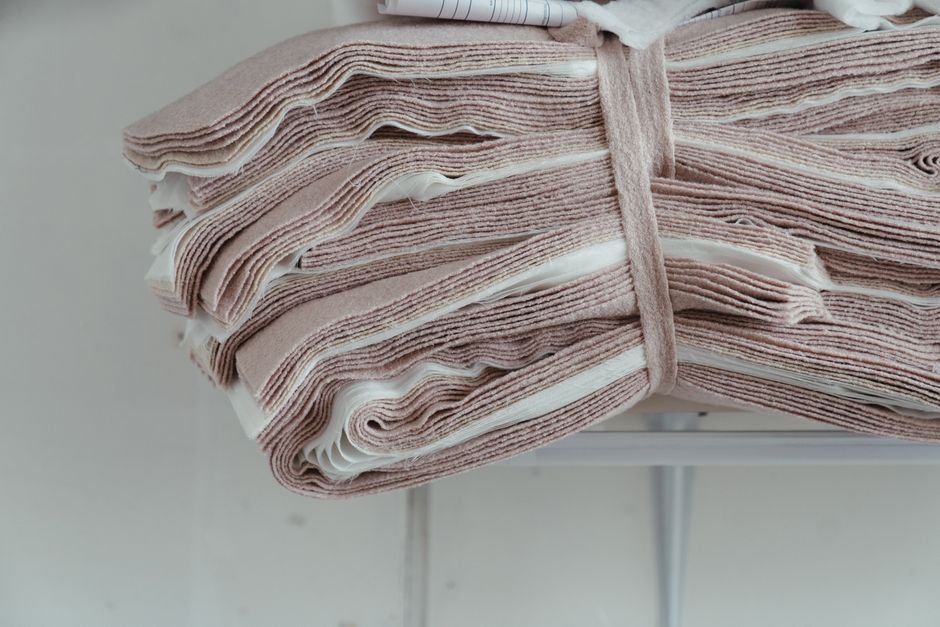
Prepping batting properly before you start basting makes the whole quilting process go more smoothly, and a few simple habits prevent common frustrations. Unrolling or unfolding batting well ahead of when you actually plan to use it, ideally a day or so in advance, gives it time to relax and lie flat, since batting straight out of tight packaging often holds stubborn creases that are much easier to smooth out with time than with force. Whether to prewash batting depends on the fiber content and manufacturer’s specific recommendations, since some cotton battings benefit from a gentle prewash to preshrink them slightly and prevent excessive puckering after the finished quilt’s first wash, while polyester batting generally doesn’t require this step at all. Storing unused batting flat or loosely rolled, rather than tightly folded, in a clean, dry area protects it from creasing and keeps it ready to use without extra prep work the next time a project calls for it. Keeping batting away from direct sunlight during storage also helps preserve its loft and whiteness, especially for lighter-colored quilt tops where any yellowing would show through visibly on the finished piece.
Ready to pick out batting for your next twin quilt? Explore our Fabric Buying and Precuts guides here at Bee’s Quilt Shop for more precut advice, and browse our current notions collection to see what’s available right now. Explore more Fabric Buying & Precuts guides on the blog, or browse our Notions collection to see what is currently available.
Frequently Asked Questions
What size batting do I need for a twin quilt?
Twin size batting typically comes precut around 72 by 90 inches, though it’s worth checking your specific quilt top’s finished dimensions before buying. Adding a few extra inches of margin on all sides is a reasonable safety buffer.
Should I choose cotton, polyester, or blend batting for a twin quilt?
Cotton offers a flatter, more traditional drape, while polyester holds loft and warmth well over repeated washing. Many quilters choose based on whether the quilt is meant for everyday use or more decorative display.
How much extra batting should I buy beyond my quilt top’s size?
Adding at least four to six inches of margin on all sides accounts for how quilting stitches naturally draw the layers in slightly. Skimping on this margin risks running short right at the edge of your quilt.
Do I need to prewash batting before using it?
It depends on the fiber content, since some cotton battings benefit from a gentle prewash to preshrink them, while polyester generally doesn’t require this step. Checking the manufacturer’s specific recommendation is the most reliable approach.
Can I piece two smaller batting pieces together for a twin quilt?
Yes, overlapping the pieces slightly and joining them with a whip stitch or fusible batting tape works well, positioned away from the quilt’s center. Bee’s Quilt Shop notes this is rarely needed with properly sized precut twin batting.
This article is intended for general educational and informational purposes only, based on common quilting practices. Results vary by batting brand, fiber content, and project size, so checking your specific quilt top measurements first is always a good idea. Bee’s Quilt Shop shares this guide as part of our ongoing library of quilting and sewing resources.