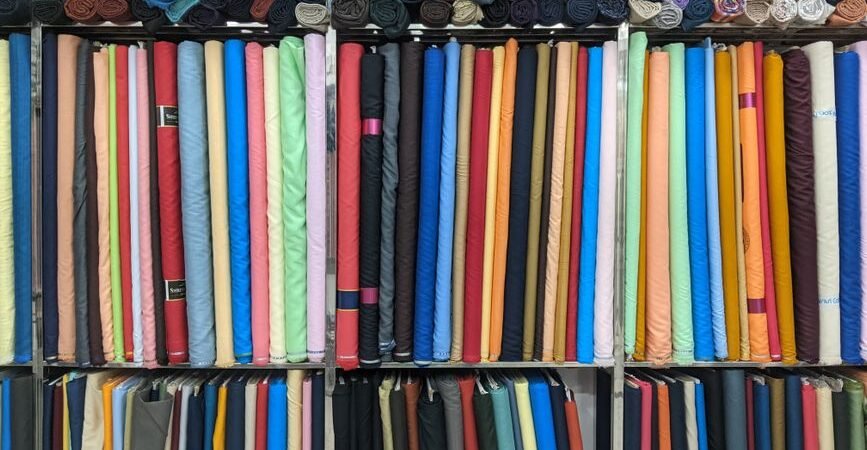
Quick answer: Blue fat quarter bundles group eight to twenty coordinated eighteen by twenty-two inch prints within one color family, ranging from deep navy to soft powder blue. They suit ocean, nursery, and scrappy monochromatic quilting projects well.
Blue fat quarter bundles have a special appeal for quilters who love the idea of working within a single color family without having to hunt down each coordinating print individually. A well-curated bundle takes the guesswork out of color matching, delivering a collection of fabrics that already work together, saving real time compared to selecting fat quarters one at a time from open bolts or online listings. This guide covers what a typical blue bundle actually includes, the range of blue shades you’re likely to encounter, the best projects for a monochromatic blue palette, how to mix a blue bundle with other colors, the tradeoffs between curated bundles and building your own collection, and practical storage tips for a growing blue-based stash. Whether you’re drawn to blue for a specific project or simply love the color and want to build a themed collection, this guide covers the practical basics. At Bee’s Quilt Shop, color-themed bundles are consistently popular, and blue is one of the most requested palettes we hear about, likely because it pairs so easily with nearly any home decor style or quilt theme.
What A Blue Fat Quarter Bundle Typically Includes
A typical blue fat quarter bundle includes somewhere between eight and twenty coordinated prints, each cut to the standard eighteen by twenty-two inch fat quarter dimension, curated by either a fabric manufacturer or a specific quilt shop to work harmoniously together within the blue color family. These bundles often draw from a single fabric collection or designer line, ensuring the prints share consistent scale, print style, and color saturation rather than feeling randomly assembled. Some bundles focus tightly on solids and tonal prints within the blue family, while others mix in florals, geometrics, and novelty prints alongside solid or near-solid blues to add visual variety within the overall color scheme. Reading the bundle’s description before purchasing helps set expectations, since a bundle described as tonal will look quite different once sewn up compared to one built around bold, varied print styles, even though both technically qualify as blue fat quarter bundles. Print scale varies within bundles too, with some mixing large-scale florals alongside small tonal blenders, so thinking about how those different scales will read together in your specific pattern is worth doing before you cut into anything. Looking at a bundle’s full spread of included prints, rather than just the cover image on the packaging, gives a much clearer sense of what you’re actually getting.
Shades Of Blue Commonly Found In Bundles
The range of blue found in these bundles is genuinely broad, and understanding that range helps you choose a bundle that matches your project’s intended mood. Deep navy anchors many bundles, offering a rich, grounding shade that pairs well as a background or border fabric in a finished quilt. Classic mid-tone blues, the shade most people picture when they hear the word blue, tend to dominate the middle of most bundles and work well as a primary color in a wide range of block styles. Softer sky blues and powder blues round out the lighter end of the spectrum, often used for backgrounds or areas of a design meant to feel airy and light rather than bold. Teal and blue-green tones sometimes sneak into bundles marketed as blue as well, adding a bit of complexity to the overall palette that some quilters love and others prefer to avoid, so checking a bundle’s included swatches or photo closely before buying is worth the extra minute if you have a specific vision in mind. If a bundle description doesn’t clearly state which shades are included, reaching out to the shop directly for a closer look at the actual fabrics is a reasonable step before committing to a purchase. Lighting in product photos can also shift how a blue reads on screen, so it’s worth keeping in mind that the fabric in hand may look a touch warmer or cooler than it appeared online.
Best Projects For A Blue Fat Quarter Bundle
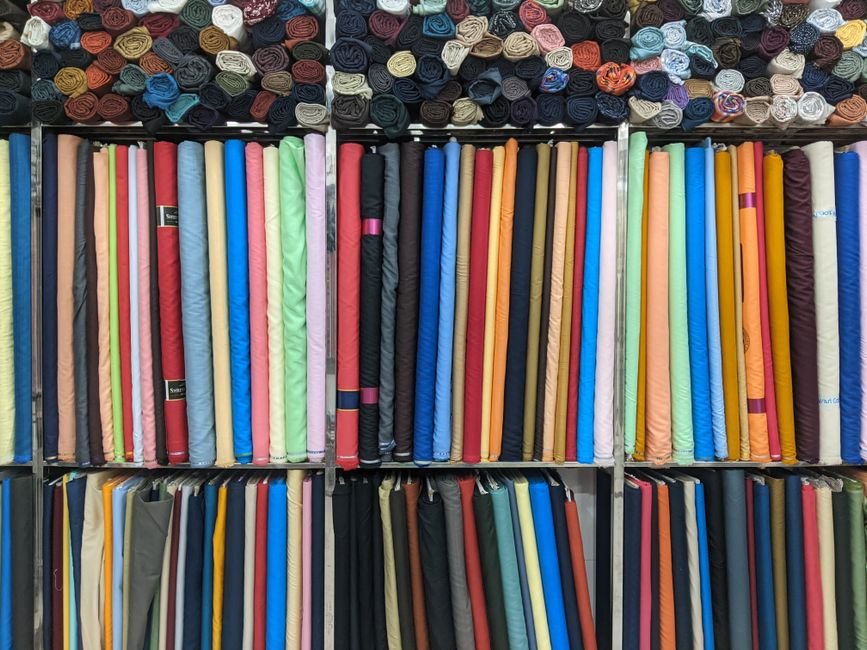
A monochromatic blue palette suits a wide range of quilting projects particularly well, since working within one color family naturally produces a cohesive, calming finished look without requiring much color theory expertise. Ocean or nautical-themed quilts are an obvious fit, leaning into blue’s natural association with water and sky for a design that feels intentional and well-composed. Baby and nursery quilts also frequently draw on blue bundles, especially those built around softer, lighter shades within the family. Beyond specific themes, many quilters simply enjoy how forgiving a monochromatic palette is for pattern selection, since almost any block design reads well when color value contrast, meaning the range from light to dark within the bundle, rather than color variety is doing the visual work of the quilt. Scrappy-style quilts also work beautifully with a blue bundle, since the built-in coordination means you can combine prints somewhat randomly and still end up with a cohesive, intentional-looking result.
Mixing Blue Bundles With Other Colors
Mixing a blue bundle with accent colors from outside the family is a great way to add visual interest without abandoning the cohesive base a monochromatic bundle provides. A single accent color, such as a warm yellow, coral, or cream, used sparingly throughout a design creates contrast and keeps an all-blue quilt from feeling visually flat or monotonous. Many quilters find that pulling just one or two accent fabrics, rather than several competing accent colors, keeps the overall composition feeling intentional rather than busy or scattered. White or cream sashing and borders also work well with blue bundles, providing visual breathing room between busier printed blocks while letting the blue palette itself remain the clear star of the finished piece. Testing a small swatch of your chosen accent color against a few pieces from the bundle before cutting into your fabric is a smart way to confirm the pairing works as well in person as it did in your head.
Buying Curated Bundles Vs Building Your Own
Deciding between a curated bundle and building your own blue collection fat quarter by fat quarter comes down to a genuine tradeoff between convenience and creative control. A curated bundle saves significant time and takes the guesswork out of coordination, since a fabric company’s design team has already done the work of ensuring every included print works together in terms of scale, saturation, and style. Building your own collection, on the other hand, gives you complete control over which specific prints, brands, and shades end up in your stash, which appeals to quilters with a very particular vision or who want to mix prints from multiple different fabric lines rather than staying within one designer’s single collection. Many experienced quilters use both approaches depending on the project, reaching for a curated bundle when they want a quick, reliable starting point and building custom collections when a project calls for something more specific than any single bundle offers. Neither approach is objectively better, and many quilters find their preference shifts from project to project depending on how much time they have and how particular their vision is for that specific piece.
Storing And Organizing A Blue Fat Quarter Collection
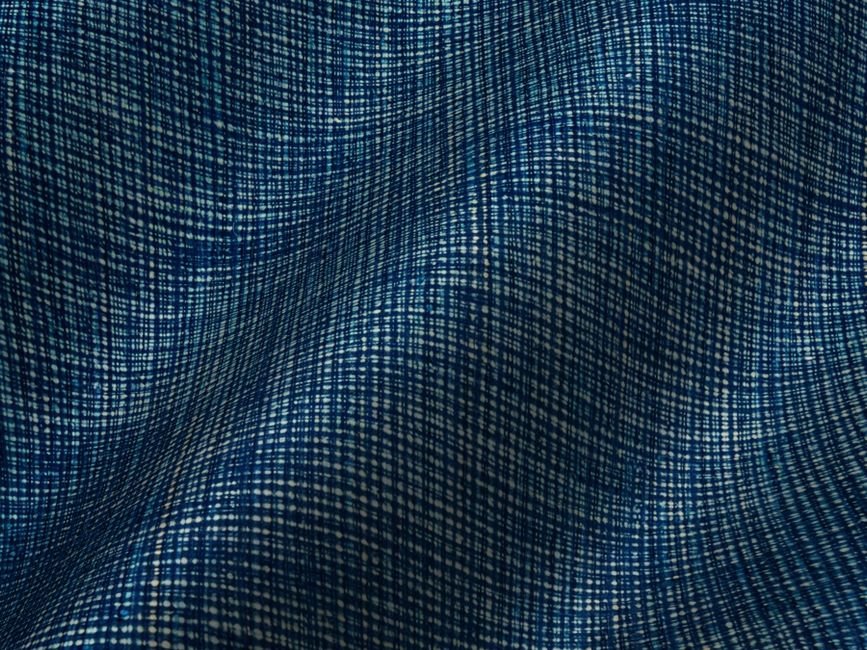
As any color-based fat quarter collection grows, keeping it organized becomes genuinely important for actually using what you’ve collected rather than losing track of individual pieces in a disorganized stash. Clear bins or labeled fabric boxes sorted by color let you see your full blue collection at a glance when planning a new project, rather than digging through a general fabric pile hoping to rediscover pieces you remember having. Folding fat quarters to a consistent size, often using a fabric comb or simple cardboard template, keeps a color-sorted stash looking tidy and makes it easy to fan through and compare shades side by side. Many quilters also photograph their color-sorted collections periodically, creating a visual reference they can consult while planning a project without needing to physically pull every piece out of storage first. Keeping a small notebook of which bundles have already been used in past projects also helps avoid the common experience of buying a near-duplicate collection you’d simply forgotten you already owned.
Ready to start a blue-themed quilting project? Explore our Fabric Buying and Precuts guides here at Bee’s Quilt Shop for more precut advice, and browse our current fabric collection to see what’s available right now. Explore more Fabric Buying & Precuts guides on the blog, or browse our Fabric collection to see what is currently available.
Frequently Asked Questions
What’s typically included in a blue fat quarter bundle?
Most bundles include eight to twenty coordinated eighteen by twenty-two inch prints pulled from a single fabric collection, ranging from deep navy to soft sky blue. Some focus on tonal solids while others mix in florals and geometrics.
What projects work best with an all-blue fat quarter bundle?
Ocean or nautical-themed quilts and baby or nursery quilts are especially popular, since a monochromatic palette produces a cohesive, calming look. Scrappy-style quilts also work beautifully with the built-in coordination a bundle provides.
How do I add contrast to an all-blue quilting project?
Pulling in just one or two accent colors, like a warm yellow or coral, used sparingly throughout the design keeps the composition feeling intentional rather than busy. White or cream sashing also provides helpful visual breathing room.
Should I buy a curated bundle or build my own blue fabric collection?
A curated bundle saves time and takes the guesswork out of coordination, while building your own gives more control over specific prints and brands. Many quilters use both approaches depending on the project.
How should I store a growing collection of blue fat quarters?
Clear bins or labeled boxes sorted by color let you see your full collection at a glance when planning a new project. Bee’s Quilt Shop suggests folding fat quarters to a consistent size to keep a color-sorted stash looking tidy.
This article is intended for general educational and informational purposes only, based on common quilting practices. Results vary by fabric collection, project size, and personal color preference, so previewing swatches before buying is always a good idea. Bee’s Quilt Shop shares this guide as part of our ongoing library of quilting and sewing resources.