Quick answer: Fleece by the yard is a soft, brushed polyester fabric that doesn’t fray, making it a beginner-friendly choice for blankets, garments, and no-sew projects. Anti-pill, sherpa, and printed varieties all suit slightly different uses.
Fleece by the yard is one of the most forgiving and versatile fabrics a sewist can keep on hand, prized for its soft hand, warmth, and the fact that it doesn’t fray, which opens up project possibilities that woven fabrics simply can’t match. Whether you’re making a no-sew blanket for a weekend gift, a cozy pair of pajama pants, or lining a winter garment, fleece shows up across an enormous range of projects precisely because it’s so easy to work with even for sewists who haven’t built much confidence yet. This guide covers what fleece fabric actually is, the different types sold by the yard, how to estimate the yardage a project will need, the best project categories for this fabric, sewing tips for handling its particular stretch and loft, and how to care for finished fleece projects so they stay soft and pill-free for years. Whether you’re a longtime fleece fan or you’re considering it for a project for the first time, this guide covers the practical basics. At Bee’s Quilt Shop, fleece questions come up constantly, especially heading into the cooler months when blanket and outerwear projects pick up, from parents making their kids’ first no-sew blanket to experienced sewists planning cozy winter garments.
What Fleece Fabric Is
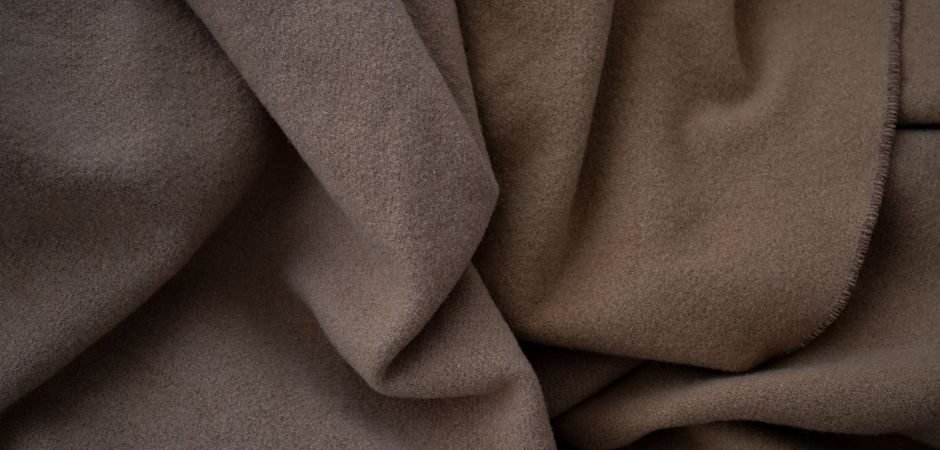
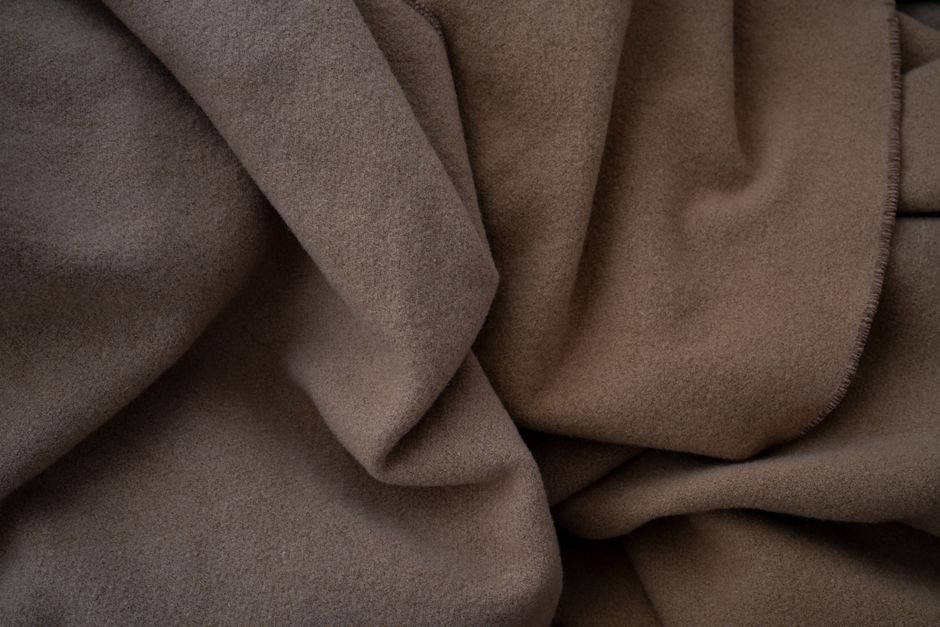
Fleece is a soft, brushed synthetic fabric, most commonly made from polyester, engineered specifically to mimic the warmth and softness of wool without the itchiness, weight, or care demands that natural wool requires. The manufacturing process involves knitting a polyester base fabric and then brushing one or both sides to raise a soft, fuzzy nap, which is what gives fleece its characteristic plush hand and excellent insulating properties despite being a relatively lightweight fabric overall. Because fleece is knit rather than woven, it has a small amount of natural stretch and, crucially, doesn’t fray at cut edges the way woven cotton or linen does, which is a huge part of why it’s become such a popular choice for beginner sewists and no-sew craft projects alike. Fleece also dries quickly and resists moisture better than natural fiber alternatives, which is part of why it shows up so often in outdoor and activewear applications in addition to home sewing and craft projects. Its widespread availability and relatively low cost per yard compared to many natural fiber alternatives also make it an accessible fabric choice for sewists working within a tighter project budget.
Types Of Fleece Sold By The Yard
Not all fleece sold by the yard is identical, and understanding the common variations helps you pick the right one for a specific project. Anti-pill fleece has been treated during manufacturing to resist the small fabric balls, called pills, that develop on standard fleece with repeated washing and wear, making it a smart choice for garments or blankets that will see frequent use and laundering. Sherpa fleece features a deeper, curlier pile on one side that mimics the texture of shearling, often paired with a smooth knit backing, and it’s especially popular for cozy linings, jacket interiors, and blankets meant to feel extra plush. Printed fleece comes in an enormous range of patterns, from simple seasonal prints to licensed character designs, and tends to be a favorite for children’s blankets and costume projects specifically because the fun prints add personality without requiring any additional embellishment. Solid-color fleece remains the most versatile option overall, working equally well for garments, blankets, and craft projects where a specific print isn’t the point. Micro fleece, a lighter-weight variation with a finer, denser nap, is another option worth knowing about, well suited to garments where bulk needs to stay minimal without sacrificing warmth entirely.
Estimating How Much Fleece You Need
Estimating yardage accurately before you shop saves both money and an extra trip back to the fabric counter partway through a project. A standard no-sew throw blanket typically uses one and a half to two yards of fleece, depending on the finished size you’re after, while a larger bed-sized blanket can require three yards or more. Simple garments like pajama pants or a basic pullover generally fall in the two to three yard range depending on the pattern and your size, though it’s always worth checking a specific pattern’s yardage requirements rather than estimating from general rules of thumb alone. Buying a bit of extra fleece beyond your calculated minimum is a reasonable habit, both to account for any cutting mistakes and to have a little extra on hand for a small matching accessory or repair down the road.
Best Projects For Fleece Fabric
Fleece’s versatility really shines once you start listing out the range of projects it suits well. Blankets are probably the most iconic fleece project, ranging from simple no-sew tied blankets perfect for beginners to more involved quilted or bound versions for sewists wanting extra polish. Garments, including pajama pants, hoodies, vests, and cozy loungewear, take advantage of fleece’s warmth and stretch, and the fabric’s forgiving nature makes it a genuinely good choice for a first garment-sewing attempt, since minor fit or seam imperfections tend to disappear into the plush texture rather than standing out the way they might on a crisper woven fabric. No-sew projects extend well beyond blankets too, including simple scarves and even basic stuffed animals, since fleece’s non-fray property means clean, finished-looking edges without any hemming required at all. Home decor applications, like pillow covers and simple throws, round out the list, giving fleece a place in nearly every category of home sewing. Pet accessories, including simple pet beds and blankets, are another popular use, since fleece’s softness and washability suit four-legged household members just as well as the humans in the house.
Sewing Tips For Working With Fleece
Sewing with fleece does require a few adjustments compared to working with quilting cotton, mostly related to its stretch and loft. A ballpoint or stretch needle handles fleece’s knit construction better than a standard sharp needle, which can snag or skip stitches on the fabric’s slight give. A walking foot helps feed the thicker, plush fabric evenly through the machine, preventing the layers from shifting or stretching unevenly as you sew, which becomes especially important on longer seams. Because fleece doesn’t fray, many projects don’t require finished seam allowances at all, which simplifies construction considerably compared to a woven fabric project requiring careful edge finishing. Trimming away excess bulk from seam allowances before pressing, using a low, gentle iron setting or steam from a distance rather than direct heat, helps avoid melting or flattening the nap on this delicate synthetic fiber, since fleece is a synthetic fabric that can scorch or melt under too much direct heat far more easily than natural fiber cotton would. Using a longer stitch length than you would on woven cotton also helps accommodate fleece’s natural stretch without the seam puckering or the fabric bunching up as it feeds through the machine.
Caring For Fleece Projects
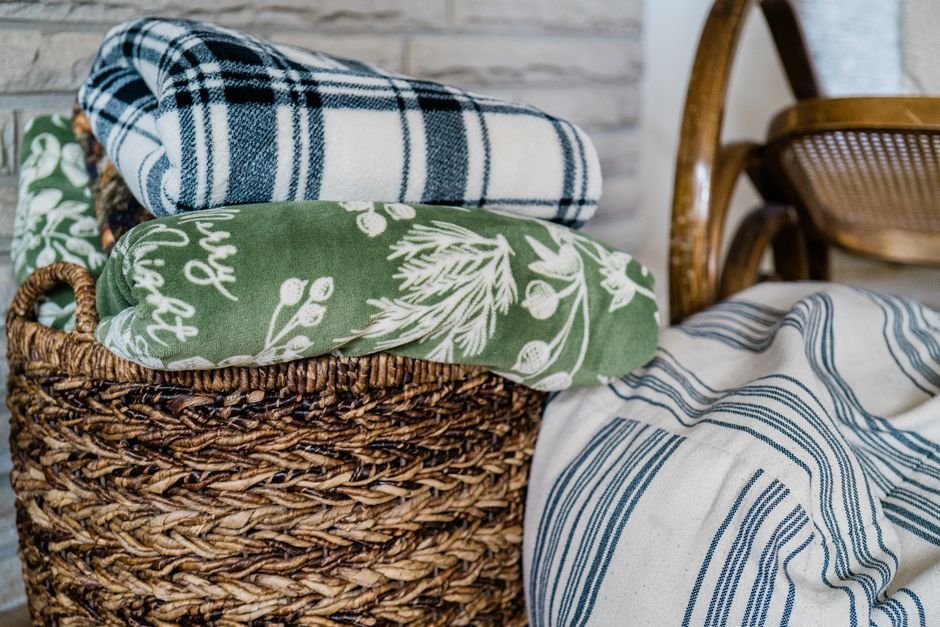
Caring for fleece properly keeps it soft, warm, and pill-free for years of use. Washing in cool to warm water on a gentle cycle helps preserve the nap and prevents the fabric from becoming stiff or matted over repeated washes. Skipping fabric softener is genuinely important with fleece, since softener coats synthetic fibers in a way that actually reduces their loft and moisture-wicking properties rather than helping them, despite what the name suggests. Air drying or using a low, gentle dryer setting helps prevent excess heat exposure, which can flatten the nap and encourage pilling over time. Turning printed or anti-pill fleece inside out before washing also helps protect the fabric’s face from friction against other items in the wash, keeping prints vibrant and pilling to a minimum for as long as possible, and washing fleece items with similar synthetic fabrics rather than heavier items like towels or jeans reduces the abrasion that tends to cause pilling in the first place. If pilling does eventually develop despite these precautions, a fabric shaver or a simple sweater comb can gently remove the small pills and restore much of the fabric’s original smooth appearance.
Ready to start your next cozy fleece project? Explore our Fabric Types and Guides library here at Bee’s Quilt Shop for more fabric-specific advice, and browse our current fabric collection to see what’s in stock right now. Explore more Fabric Types & Guides guides on the blog, or browse our Fabric collection to see what is currently available.
Frequently Asked Questions
How much fleece do I need for a no-sew throw blanket?
A standard no-sew throw typically uses one and a half to two yards, while a larger bed-sized blanket can require three yards or more. Checking a specific pattern’s yardage requirement is always more reliable than estimating.
What’s the difference between anti-pill and regular fleece?
Anti-pill fleece has been treated during manufacturing to resist the small fabric balls that develop with repeated washing and wear. It’s a smart choice for garments or blankets that will see frequent use.
Do I need a special needle to sew with fleece?
A ballpoint or stretch needle handles fleece’s knit construction better than a standard sharp needle, which can snag or skip stitches. A walking foot also helps feed the thicker fabric evenly through the machine.
Can I wash fleece with regular fabric softener?
It’s best to skip fabric softener with fleece, since it coats synthetic fibers in a way that actually reduces their loft rather than helping them. Washing in cool water without softener keeps fleece performing its best.
Why does my fleece project need hemming if it doesn’t fray?
Most fleece projects genuinely don’t require finished seam allowances at all, which is one of the fabric’s biggest advantages for beginners. Bee’s Quilt Shop notes this is a big part of why fleece suits no-sew projects so well.
This article is intended for general educational and informational purposes only, based on common sewing practices. Results vary by fabric weight, project type, and care routine, so checking a specific pattern’s requirements first is always a good idea. Bee’s Quilt Shop shares this guide as part of our ongoing library of quilting and sewing resources.