
Quick answer: The standard dimensions of a fat quarter of fabric are eighteen by twenty-two inches, roughly forty-six by fifty-six centimeters. This cut differs from a standard quarter yard by prioritizing width over length for more versatile piecing.
Understanding the exact dimensions of a fat quarter of fabric is one of those small pieces of quilting knowledge that makes a genuinely big difference once you start planning projects, calculating yardage, or comparing precut options against each other. While most quilters have an intuitive sense that a fat quarter is roughly a quarter yard of fabric cut into a useful rectangular shape, the precise measurements, and how they differ from other cutting methods, matter a lot more than casual intuition alone can capture. This guide covers the standard fat quarter dimensions in both inches and centimeters, how those dimensions differ from a standard quarter yard cut, the small size variations you might encounter between manufacturers, how fat quarter dimensions compare to other popular precut formats, how to calculate the number of fat quarters a specific project needs, and how to measure and cut your own accurate fat quarters at home. Whether you’re new to precuts or you’ve been quilting for years but never quite nailed down the exact math, this reference guide covers the practical basics. At Bee’s Quilt Shop, questions about precut sizing come up constantly from quilters trying to plan a project’s fabric needs accurately before ever making a single cut.
Standard Fat Quarter Dimensions In Inches And Centimeters
A standard fat quarter measures eighteen inches by twenty-two inches, which in metric terms works out to approximately forty-six by fifty-six centimeters. This rectangular shape represents a quarter yard of fabric, but cut in a way specifically designed to maximize the usable width of the piece rather than the narrow strip a standard quarter yard cut would produce. Because standard quilting cotton typically comes off the bolt at forty-four to forty-five inches wide, a fat quarter’s eighteen by twenty-two inch dimensions give quilters a piece that’s nearly square and far more versatile for cutting larger shapes, like bigger squares or fussy-cut motifs, than a narrow standard cut of the same total yardage would allow. Knowing this exact measurement by heart is genuinely useful shorthand once you’re regularly reading quilt patterns, since so many patterns reference fat quarter counts directly rather than spelling out total yardage.
How A Fat Quarter’s Dimensions Differ From A Standard Quarter Yard
The difference between a fat quarter and a standard quarter yard comes down entirely to how the same amount of fabric gets cut from the bolt, and understanding this distinction is genuinely useful for planning projects. A standard quarter yard cut measures nine inches by the fabric’s full width, typically forty-four to forty-five inches, producing a long, narrow strip of fabric. A fat quarter takes that same quarter-yard amount of fabric but cuts it differently, first cutting a half yard length and then cutting that half yard in half again along its width, producing the shorter, wider eighteen by twenty-two inch rectangle instead. This is why the word fat appears in the name at all, since the resulting piece is proportionally shorter and wider, or fatter, than the long, narrow strip a standard cut produces from the same quarter-yard amount. Both cuts contain the exact same total area of fabric, roughly, but the fat quarter’s more balanced proportions make it dramatically more useful for cutting larger squares or rectangles than the long, narrow standard cut allows, which is exactly why quilters gravitate toward fat quarters for so many pattern types. This distinction matters most for patterns calling for larger squares, since a long narrow quarter yard cut simply cannot yield a big square the way a fat quarter’s more balanced proportions can.
Dimension Variations Between Fabric Manufacturers
While eighteen by twenty-two inches represents the widely accepted standard, it’s worth knowing that small variations exist between different fabric manufacturers and even between different quilt shops cutting their own fat quarters from bolts. Some shops cut slightly generous fat quarters, occasionally reaching close to nineteen by twenty-two inches or a touch beyond, to give quilters comfortable working margin for squaring up edges after washing or prewashing fabric. Other sources cut closer to the precise eighteen by twenty-two inch standard without extra margin. This small variation rarely matters for most projects, but for patterns with very tight, exact cutting requirements, it’s worth double-checking your specific fat quarters’ actual measurements before cutting into them, particularly if you’re combining fat quarters from multiple different sources within the same project. Keeping a small ruler handy specifically for spot-checking new fat quarters as they arrive is a simple habit that catches any unexpected sizing surprise well before you’re in the middle of cutting a pattern.
Comparing Fat Quarter Dimensions To Other Precut Formats
Comparing fat quarter dimensions against other popular precut formats helps clarify why quilters reach for different precuts depending on a project’s specific needs. Charm packs consist of much smaller five by five inch squares, offering far less fabric per piece but a wider variety of coordinated prints within a single collection. Layer cakes use larger ten by ten inch squares, giving considerably more fabric per piece than a charm pack while still offering that same square, easy-to-piece shape. Jelly rolls consist of long two and a half inch wide strips running the fabric’s full width, suited to entirely different piecing techniques than any of the square-format precuts. A fat quarter, at eighteen by twenty-two inches, sits well above all of these in total fabric area per piece, making it the go-to choice whenever a project calls for larger cut pieces, fussy cutting specific motifs, or simply working with a more substantial piece of a single coordinating print. Understanding these size relationships side by side also makes it much easier to substitute one precut format for another when a specific bundle isn’t available but a similarly sized alternative is.
Calculating How Many Fat Quarters You Need By Dimension
Calculating how many fat quarters a specific project needs starts with breaking your pattern down by required cut sizes and figuring out how many of each size piece a single fat quarter can yield given its eighteen by twenty-two inch dimensions. For a project requiring numerous smaller squares or rectangles, a single fat quarter often yields quite a few pieces, while a pattern calling for larger cut shapes may only get one or two usable pieces per fat quarter, requiring you to purchase considerably more than you might initially assume. Sketching out your cutting layout on paper or using a pattern’s stated fat quarter requirement, when available, is far more reliable than guessing based on total project size alone, since cutting efficiency varies a lot depending on the specific shapes a pattern calls for and even experienced quilters can misjudge yardage without actually mapping out the cuts on paper first. Buying one or two extra fat quarters beyond your calculated minimum is a reasonable safety margin too, accounting for any cutting mistakes or fabric flaws you might encounter partway through, and having a spare on hand can also come in handy later for a small repair or matching accessory.
Measuring Your Own Fat Quarter Cuts At Home
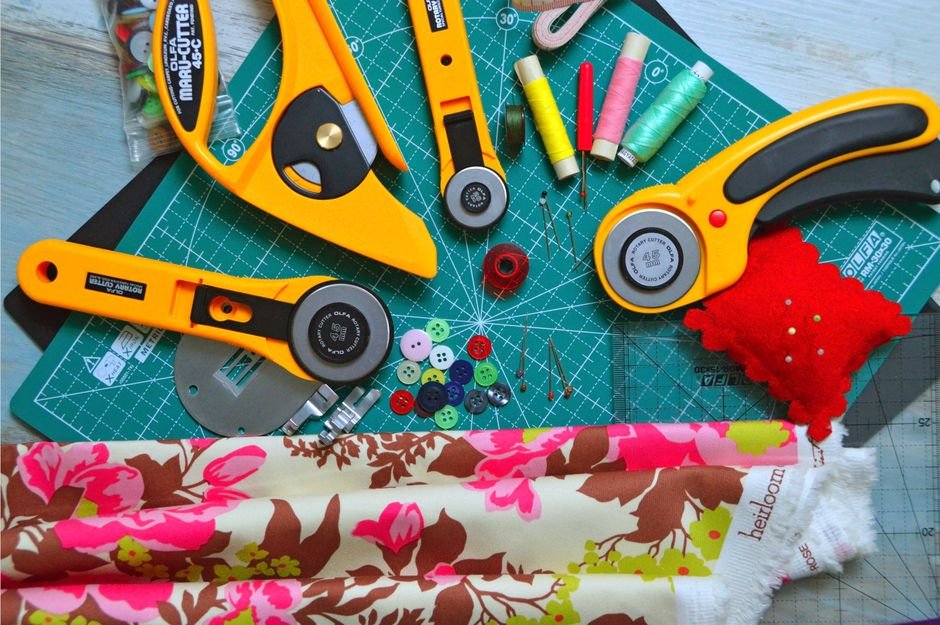
Measuring and cutting your own accurate fat quarters from yardage at home is a straightforward skill worth having, especially for quilters who prefer working from bolts rather than buying precuts. Starting with an accurately squared piece of yardage, using a rotary cutter, a long acrylic ruler, and a self-healing cutting mat produces far more precise results than scissors alone. Cutting a half-yard length first, then folding that half yard in half along its width and cutting along the fold, produces the correct eighteen by twenty-two inch fat quarter dimensions reliably and repeatably. Double-checking your ruler measurements at multiple points along the cut, rather than trusting a single measurement at one edge, helps ensure the piece stays accurately rectangular rather than subtly tapering to one side, since even a small error at the starting cut tends to compound as you continue cutting additional pieces from the same length of fabric, which is a common beginner mistake that becomes obvious only once you try to use the piece in a pattern requiring precise dimensions. Practicing this cut on inexpensive fabric first, before cutting into a precious or hard-to-replace print, is a smart way to build confidence in your measuring accuracy without risking fabric you’d hate to waste.
Ready to calculate fabric for your next project? Explore our Fabric Types and Guides library here at Bee’s Quilt Shop for more fabric-specific advice, and browse our current fabric collection to see what’s in stock right now. Explore more Fabric Types & Guides guides on the blog, or browse our Fabric collection to see what is currently available.
Frequently Asked Questions
What is the exact size of a fat quarter in inches?
A standard fat quarter measures eighteen inches by twenty-two inches, representing a quarter yard cut to maximize usable width rather than length. This is the widely accepted standard across most quilt shops and manufacturers.
How is a fat quarter different from a regular quarter yard?
A standard quarter yard measures nine inches by the fabric’s full width, producing a long, narrow strip, while a fat quarter is cut into a shorter, wider rectangle from the same amount of fabric. Both contain roughly the same total area.
Do all fat quarters measure exactly the same size?
Small variations exist between manufacturers and shops, with some cutting slightly generous margins for squaring up after washing. Double-checking your specific fat quarters’ actual measurements is worth doing for patterns with tight requirements.
How many fat quarters do I need for a specific quilt pattern?
This depends on how many pieces of your pattern’s required cut sizes a single fat quarter can yield, so sketching out your cutting layout is more reliable than guessing from total project size alone.
How do I cut an accurate fat quarter from yardage at home?
Cutting a half-yard length first, then folding it in half along its width and cutting along the fold, produces the correct dimensions reliably. Bee’s Quilt Shop suggests practicing this cut on inexpensive fabric before cutting into a precious print.
This article is intended for general educational and informational purposes only, based on common quilting practices. Results vary by manufacturer, cutting method, and project requirements, so double-checking measurements first is always a good idea. Bee’s Quilt Shop shares this guide as part of our ongoing library of quilting and sewing resources.