Quick answer: Robin Pickens fabric features whimsical, illustrative quilting cotton known for animal characters, painterly florals, and storybook-style scenes. It suits quilts, nursery decor, and applique projects that let the artwork take center stage.
Robin Pickens fabric has developed a devoted following among quilters and crafters who are drawn to whimsical, illustrative prints that read more like storybook art than typical quilting cotton. If you’ve ever admired a quilt featuring charming animal characters or delicate, painterly florals and wondered about the designer behind it, there’s a good chance you were looking at this designer’s work. This guide introduces who Robin Pickens is and the general design style she’s known for, the recurring themes that show up across her fabric collections, the best projects for this style of illustrative print, how to mix these prints with solids and blenders, why availability shifts over time with any designer line, and how to care for finished projects made with this style of fabric. Whether you’re a longtime fan of her work or you’re just discovering it, this guide covers the practical basics of working with her fabric. At Bee’s Quilt Shop, designer prints like these are popular precisely because they bring a distinctive, recognizable personality to a project that a generic print simply can’t replicate.
Who Robin Pickens Is And Her Design Style
Within the quilting and fabric design world, Robin Pickens has built a strong reputation for a distinctive illustrative style that sets her work apart from more traditional geometric or purely floral quilting cotton lines. Her design background in watercolor and hand illustration comes through clearly in the fabric itself, with a painterly quality to the artwork that feels more like a piece of original artwork transferred to fabric than a typical repeating pattern print. This reputation has earned her a loyal following among quilters who specifically seek out her collections by name, browsing new releases with real anticipation rather than discovering her work incidentally while shopping for fabric more generally, much the way some readers wait eagerly for a favorite author’s next book rather than picking up whatever is newest on the shelf. Many quilters describe her prints as bringing genuine charm and narrative quality to a finished project, transforming a simple quilt into something that feels like it’s telling a small story through its imagery, in a way that a purely abstract or geometric print simply isn’t designed to do. Quilters who prefer this more artistic, illustrated style over traditional geometric quilting cotton often gravitate specifically toward designer lines like this one for exactly that reason.
Signature Themes In Robin Pickens Collections
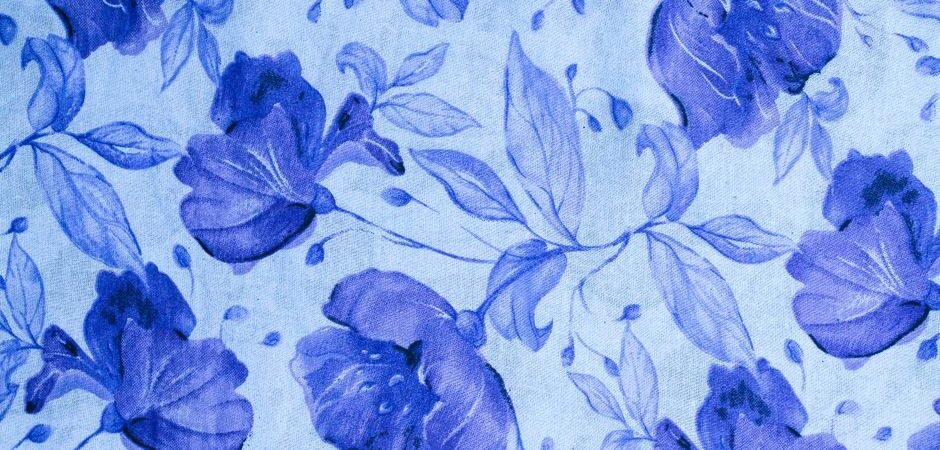
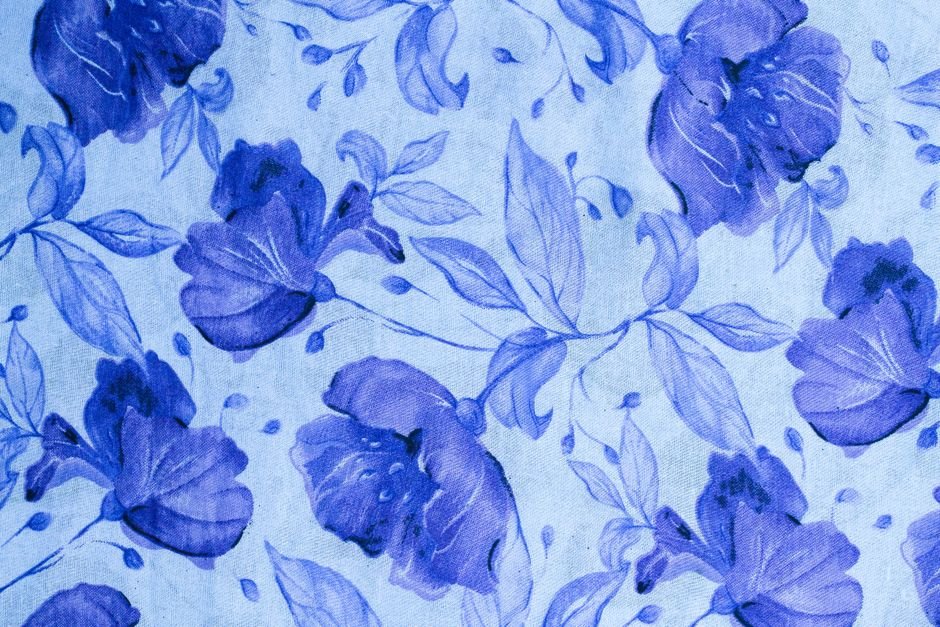
Certain themes and motifs recur across Robin Pickens fabric collections, giving her body of work a recognizable throughline even as specific collections vary in color palette and exact subject matter. Animal characters, often rendered with warmth and personality rather than purely realistic detail, appear frequently, ranging from woodland creatures to farm animals depending on the specific collection. Florals show up constantly as well, typically painted with a soft, watercolor quality rather than the crisp, graphic florals more common in traditional quilting cotton lines. Storybook-style scenes, sometimes incorporating small narrative details or charming background elements, round out her recurring style, giving collections a cohesive, illustrated-book feel that quilters often build entire nursery or children’s-themed projects around. It’s worth noting that each specific collection has its own particular focus and color story, so browsing current and past collections gives a much better sense of the range within her body of work than assuming any single print represents everything she creates. Some collections lean more toward muted, soft pastels while others favor richer, more saturated color stories, giving quilters real variety to choose from depending on the mood of their planned project.
Best Projects For This Style Of Fabric
This whimsical, illustrative style of fabric suits a particular range of projects especially well, largely because the fabric itself carries so much visual interest and narrative charm on its own. Quilts, whether a full bed quilt or a smaller lap or baby quilt, let the illustrative panels and prints take center stage, often arranged in simple block patterns that showcase the fabric’s artwork rather than competing with it through overly complex piecing. Nursery decor is an especially popular application, with these gentle, storybook-style prints suiting baby quilts, crib skirts, and wall art beautifully. Applique projects also pair naturally with this style of fabric, since individual motifs, like a specific animal character or floral element, can be fussy cut and appliqued onto a background to create a focal point within a larger design, letting a quilter highlight one especially charming character or scene without needing to build an entire quilt top around the whole print. Many quilters also use smaller cuts of these prints for simple accent pieces, like pillow covers or wall hangings, letting a single charming motif shine without needing an entire quilt built around it. Tote bags and simple zippered pouches are another popular small-scale use, turning a beloved print into something genuinely useful for everyday carrying, and even a single fat quarter of this style of fabric can anchor a satisfying small project without requiring a much larger yardage commitment.
Mixing Robin Pickens Prints With Solids And Blenders
Balancing a whimsical, illustrative print like this within a larger project usually benefits from pairing it thoughtfully with solids and simpler blender fabrics rather than surrounding it with equally busy competing prints. Solid or near-solid fabrics in colors pulled directly from the print’s own palette let the illustrative fabric remain the clear visual star while providing visual rest for the eye elsewhere in the design. Simple tonal blenders, which read as texture rather than a distinct competing pattern, can add depth without pulling attention away from the featured illustrative print. Many quilters find that limiting a project to just one or two of these statement prints, surrounded generously by coordinating solids, produces a more polished and intentional-looking finished piece than trying to incorporate several busy illustrative prints into the same design. Neutral background fabrics, like a soft cream or oatmeal solid, are a particularly popular pairing choice, since they let the illustrative print’s colors read as clearly and vividly as possible.
Where Collections Change Over Time
As with most designer fabric lines, specific Robin Pickens collections are released seasonally and eventually go out of print as new collections take their place, which is simply standard practice across the fabric design industry rather than anything unusual to this particular designer. This means a specific print or colorway that catches your eye may not remain available indefinitely, and reprints or restocks aren’t something any retailer can promise in advance. If a particular collection or print speaks to you, most experienced quilters recommend purchasing what you need for your planned project when you find it in stock, rather than waiting and risking the fabric selling out or being discontinued. Following updates from quilt shops that regularly carry her work, or from the designer’s own channels, is generally the most reliable way to stay informed about new collection releases. Some quilters also keep a small wishlist of past collections they’d love to find, occasionally getting lucky through secondhand fabric marketplaces or shop remnant bins even after a specific print has technically gone out of print.
Caring For Finished Projects Made With This Fabric
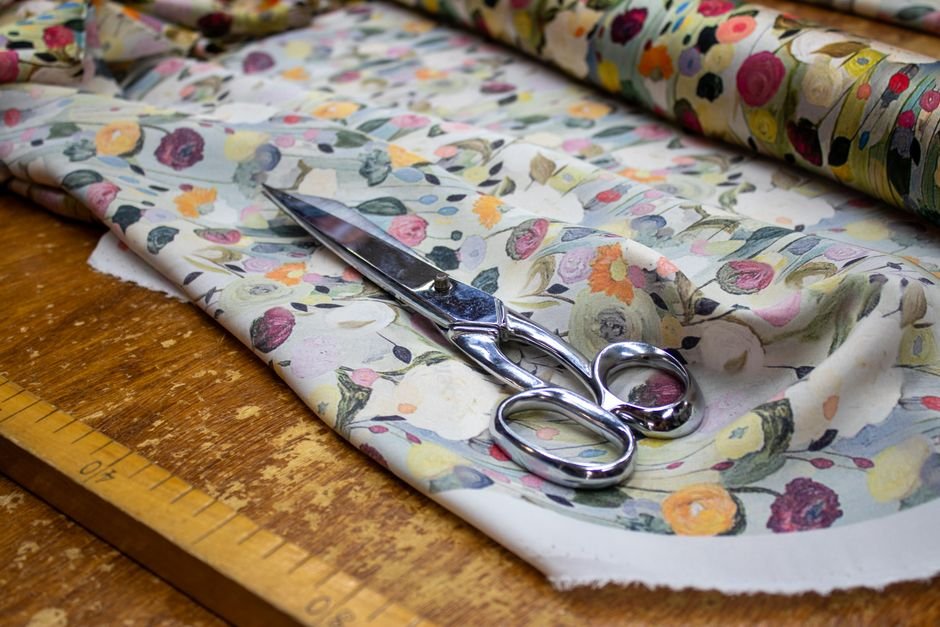
Caring for finished projects made with this style of quilting cotton follows the same general guidelines as caring for quality quilting cotton more broadly. Washing in cool to warm water with a gentle detergent helps preserve both the fabric’s color saturation and the crisp definition of the illustrated artwork over repeated washes. Avoiding harsh bleach or high-heat drying protects the printed design from fading or cracking prematurely, which matters especially for pieces meant to be treasured keepsakes rather than everyday utilitarian items. Gentle pressing, rather than aggressive high-heat ironing directly on the printed surface, helps maintain the crisp look of the artwork for years of enjoyment, keeping a favorite illustrative quilt looking as charming as the day it was finished. For a piece intended as a genuine keepsake, storing it folded in acid-free tissue when not in use, rather than in direct sunlight or a damp closet, helps preserve both the fabric and the artwork for future generations to enjoy.
Ready to start a project with illustrative fabric? Explore our Fabric Types and Guides library here at Bee’s Quilt Shop for more fabric-specific advice, and browse our current fabric collection to see what’s in stock right now. Explore more Fabric Types & Guides guides on the blog, or browse our Fabric collection to see what is currently available.
Frequently Asked Questions
What is Robin Pickens fabric known for?
This designer is known for whimsical, illustrative prints with a painterly quality, often featuring animal characters, florals, and storybook-style scenes. Her background in watercolor illustration comes through clearly in the fabric itself.
What projects work best with this style of illustrative fabric?
Quilts, nursery decor, and applique projects all suit this fabric particularly well, since the artwork carries so much visual interest on its own. Smaller accent pieces like pillow covers also let a single charming motif shine.
How do I pair this fabric with other prints in a quilt?
Solid or near-solid fabrics pulled from the print’s own palette let the illustrative fabric remain the clear visual star. Limiting a project to just one or two statement prints tends to produce the most polished result.
Will a specific Robin Pickens print always be available to buy?
Not necessarily, since designer fabric collections are released seasonally and eventually go out of print like most creative product lines. Purchasing what you need when you find it in stock is generally the safer approach.
How do I care for a quilt made with this style of fabric?
Washing in cool to warm water with a gentle detergent helps preserve both the color and the crisp artwork over time. Bee’s Quilt Shop recommends avoiding harsh bleach and high heat drying for any printed quilting cotton.
This article is intended for general educational and informational purposes only, based on common quilting practices. Results vary by fabric collection, project type, and care routine, so checking specific washing instructions first is always a good idea. Bee’s Quilt Shop shares this guide as part of our ongoing library of quilting and sewing resources.