Quick answer: Tulle fabric by the yard is a fine, hexagonal mesh netting, most commonly nylon, used for costumes, wedding decor, and embellishments. Soft illusion tulle, glitter tulle, and stiffer craft tulle each suit different project needs.
Tulle fabric by the yard shows up everywhere from ballet costumes to wedding decor to birthday party tutus, and its fine, netted structure makes it one of the more distinctive fabrics a sewist or crafter is likely to work with. Unlike woven or knit fabrics that form a solid surface, tulle’s open, airy net construction gives it a lightness and volume that no other common fabric quite replicates, which is exactly why it remains the go-to choice whenever a project calls for dramatic fullness without significant weight. This guide covers what tulle fabric actually is, the different types available by the yard, how to estimate the yardage a specific project needs, the best uses for tulle across costume, decor, and embellishment projects, practical sewing and handling tips given its tendency to snag, and how to store tulle without damaging its delicate structure. Whether you’re planning a costume, a wedding project, or a simple decorative touch, this guide covers the practical basics. At Bee’s Quilt Shop, tulle questions spike heavily around wedding season and Halloween alike, for very different but equally enthusiastic reasons, proving just how far this one fabric’s usefulness actually stretches.
What Tulle Fabric Is
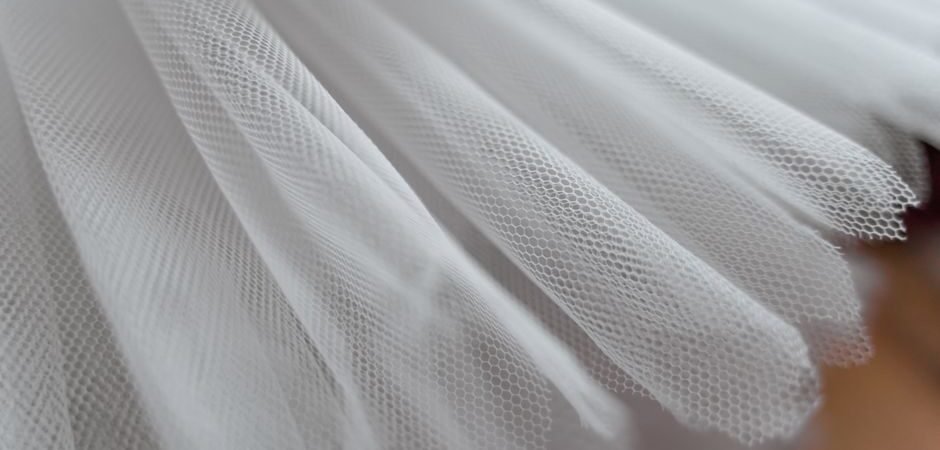
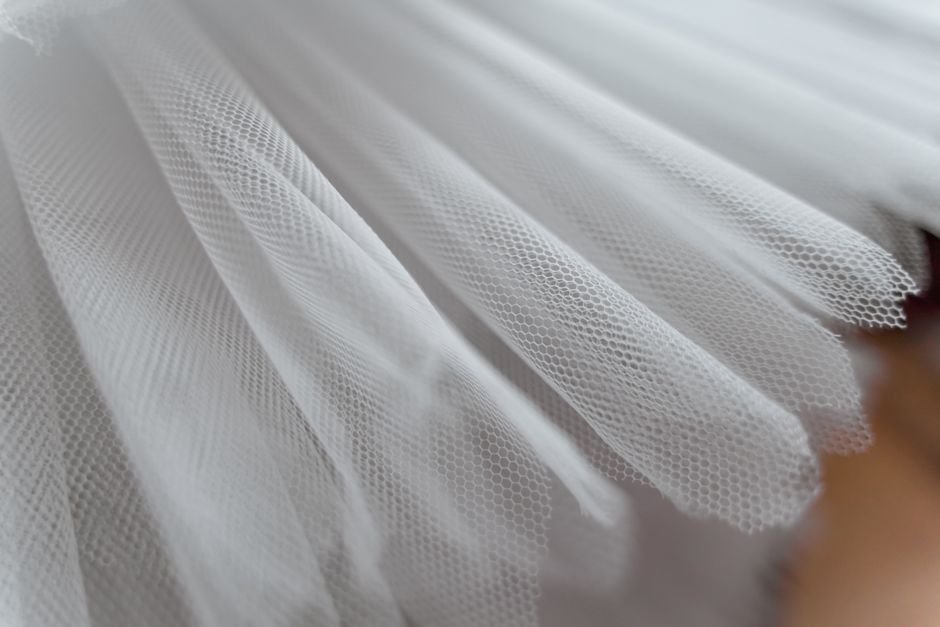
Tulle is a fine, lightweight netting fabric constructed from a hexagonal mesh weave, most commonly made from nylon today, though it was historically produced from silk before synthetic fibers became widely available and affordable. That open, hexagonal mesh structure is what gives tulle its signature sheer, airy quality and its ability to hold volume and shape without the weight a solid fabric of comparable fullness would carry. Because the weave leaves so much open space between the threads, tulle drapes and gathers in a way solid fabric simply can’t, creating the poofy, cloud-like fullness associated with ballet tutus and wedding veils alike. Modern tulle is almost always synthetic, which also makes it relatively affordable and widely available compared to historical silk versions, putting this once-luxury fabric within easy reach for craft projects and costumes as much as formal wear. Tulle is also available in a range of stiffness levels even within the synthetic nylon category, which is worth keeping in mind since two rolls labeled simply as tulle can actually behave quite differently once you start working with them.
Types Of Tulle Available By The Yard
Tulle sold by the yard comes in several distinct varieties, and knowing the differences helps you choose the right one for a specific project’s needs. Soft nylon tulle, sometimes called illusion tulle, offers the softest hand and the most delicate drape, making it the preferred choice for veils, formal gown overlays, and any application where the tulle will touch skin or need to move fluidly, and it remains a bridal industry staple for exactly this reason, since a scratchy or overly stiff netting simply wouldn’t suit a garment worn this close to the face and skin. Glitter tulle incorporates small flecks of glitter bonded to the mesh, adding sparkle and visual interest for costume and decorative projects where extra shimmer suits the design, though it does shed slightly more than plain tulle over time, which is worth keeping in mind for projects that will be worn against skin or handled by young children. Stiffer craft tulle, sometimes labeled nylon netting, holds its shape more firmly and is favored for structured projects like tutus, pom-poms, and decorative bows where volume and body matter more than soft drape. Colored tulle spans an enormous range beyond basic white and black, making it easy to match nearly any costume or decor color scheme without needing to dye fabric yourself. Some specialty rolls also combine two colors woven together or add an iridescent sheen, giving crafters even more creative options beyond flat, single-color tulle.
Estimating How Much Tulle You Need
Estimating how much tulle a project needs varies dramatically depending on what you’re making, since tulle projects range from a small decorative bow to a full, voluminous ball gown skirt. A simple tutu for a child’s costume typically requires somewhere around ten to fifteen yards when working with the common strip-tying no-sew method, since achieving real fullness with tulle’s lightweight, sheer nature requires layering considerably more fabric than a solid material project would. Wedding decor applications, like table runners or chair sashes, generally need much less, often just a yard or two per item depending on the desired length and drape. Costume overlays and formal gown skirts fall somewhere in between, and checking a specific pattern’s yardage recommendation, rather than guessing based on general rules of thumb, is especially important with tulle given how much fullness varies by project style and desired poof. A quick test with a smaller sample length, gathered and held up against the intended garment, can also help you visualize the finished fullness before committing to cutting and gathering the full yardage. Buying a little extra beyond your calculated estimate is a reasonable habit too, since tulle is relatively inexpensive per yard and running short partway through a layered project is far more frustrating than having a bit left over.
Best Projects For Tulle Fabric
Tulle’s lightweight volume makes it the natural choice for a specific set of projects where fullness and a dreamy, ethereal look matter more than durability or structure. Costume projects, especially tutus, fairy wings, and any character costume calling for dramatic volume, rely on tulle almost universally, since no other easily accessible fabric produces the same lightweight poof. Wedding and event decor, including centerpiece accents, chair decorations, and pew bows, take advantage of tulle’s affordability and visual impact for large-scale decorating on a reasonable budget. Embellishment uses round out the list, with small tulle bows, rosettes, or gathered accents adding texture and dimension to everything from gift wrapping to hair accessories, proving that tulle’s usefulness extends well beyond its most famous costume and bridal applications. Photo backdrops and simple party decor, like tulle pom-poms or draped ceiling accents, have also become genuinely popular uses for craft-weight tulle at celebrations of all kinds.
Sewing And Handling Tips For Tulle
Working with tulle does require a bit of extra care compared to more forgiving woven fabrics, mostly because of its tendency to snag and shift during cutting and stitching. Using sharp, clean scissors or a rotary cutter helps prevent the mesh from catching and pulling unevenly, which dull blades are especially prone to causing on tulle’s delicate open weave. Because tulle has essentially no grip on its own, pinning it can be tricky, and many crafters find that fabric weights or a light spray adhesive designed for temporary fabric hold work better than pins alone for keeping layers in place while cutting. When sewing tulle on a machine, a fine, sharp needle and a slightly loosened tension setting help avoid puckering or snagging the delicate mesh, and testing on a scrap piece first is always a smart habit given how unforgiving tulle can be of a poorly tuned machine setting. For many simple projects, hand tying or gathering tulle by hand avoids machine sewing altogether, which some crafters actually prefer given how slippery and unpredictable tulle can be under a presser foot.

Storing Tulle Without Snagging Or Creasing
Storing tulle properly protects its delicate structure between projects and prevents the frustration of unpacking a snagged or badly creased length right when you need it. Rolling tulle around a cardboard tube, rather than folding it, is the single most effective way to prevent the sharp creases that folding tends to leave permanently pressed into the mesh over time. Keeping tulle away from anything with rough texture or sharp edges during storage helps prevent snags before you’ve even had a chance to use the fabric. Clear storage bags or bins let you see your tulle collection at a glance without needing to unroll pieces just to check color or check remaining yardage, which matters especially for crafters who keep several colors on hand for varied projects throughout the year. A dedicated drawer or bin lined with a smooth fabric, rather than a cardboard box that can catch on the delicate mesh, offers an extra layer of protection for a growing tulle collection.
Ready to start your next tulle project? Explore our Fabric Types and Guides library here at Bee’s Quilt Shop for more fabric-specific advice, and browse our current fabric collection to see what’s in stock right now. Explore more Fabric Types & Guides guides on the blog, or browse our Fabric collection to see what is currently available.
Frequently Asked Questions
How much tulle do I need for a child’s tutu?
A simple tutu using the common strip-tying no-sew method typically requires around ten to fifteen yards, since achieving real fullness with tulle requires layering considerably more fabric than a solid material would. Checking your specific pattern helps confirm the right amount.
What’s the difference between soft tulle and craft tulle?
Soft nylon or illusion tulle offers the most delicate drape, suited to veils and formal wear, while stiffer craft tulle holds its shape more firmly for tutus and structured bows. Choosing based on your project’s need for drape versus structure matters most.
Why does my tulle keep snagging while I cut it?
Using sharp, clean scissors or a rotary cutter prevents the mesh from catching, since dull blades are especially prone to dragging on tulle’s open weave. A light spray adhesive or fabric weights can also help keep layers in place while cutting.
Can I sew tulle on a regular sewing machine?
Yes, using a fine, sharp needle and a slightly loosened tension setting helps avoid puckering or snagging the delicate mesh. Many crafters also hand tie or gather tulle by hand for simpler projects.
How should I store tulle to avoid permanent creases?
Rolling tulle around a cardboard tube, rather than folding it, is the most effective way to prevent sharp creases from setting into the mesh. Bee’s Quilt Shop suggests keeping it away from anything with rough texture during storage too.
This article is intended for general educational and informational purposes only, based on common sewing and craft practices. Results vary by tulle weight, project type, and handling technique, so testing on a scrap piece first is always a good idea. Bee’s Quilt Shop shares this guide as part of our ongoing library of quilting and sewing resources.