Quick answer: Choosing the right batting for your quilt starts with how the quilt will be used, then narrows by quilting method, fiber, loft, and shrinkage. A cotton or cotton blend batting suits many bed and lap quilts, while lighter or loftier options can be better for wall hangings or puffy throws, depending on the look you want.
Every quilt with batting has a hidden decision at its heart. You can spend weeks choosing fabric and piecing a top, and then stand in front of a wall of batting packages wondering which one is right. The middle layer doesn’t show, but it shapes how the quilt feels, how it drapes, how warm it is, and how the quilting stitches look on the surface.
The good news is that you don’t need to memorize every product on the market. A few practical questions narrow the field quickly. This guide walks through how the quilt will be used, how your quilting method affects the choice, a quick look at fiber options, prewashing and shrinkage, sizing, and a step many guides leave out: what to think about when someone else will be doing the quilting on a longarm. We’ll finish with a simple way to make your final decision. At Bee’s Quilt Shop, batting questions were some of the most common ones quilters asked, and the answers usually started with the same question back. What’s this quilt for?
Start With How The Quilt Will Be Used
The best place to begin is the quilt’s job. A bed quilt that will be washed often and used every night needs batting that holds up to handling and stays stable over time. Many quilters reach for cotton or a cotton and polyester blend here, since both tend to wear well and soften with use.
A baby quilt has different priorities. It’s usually smaller, washed frequently, and dragged across floors, so durability and easy care matter. A wall hanging, on the other hand, never sees the washing machine much, and it needs to hang flat without sagging. A thin, stable batting often works best there. Table runners and placemats need something low and flat so dishes don’t wobble. Thinking about use first eliminates a lot of options before you ever look at a label, and it keeps you from choosing batting based only on how soft it feels in the package. It’s also worth thinking about who will use the quilt, since a gift for someone in a warm climate may call for a lighter choice than one headed north.
Matching A Quilt With Batting For Hand Or Machine Quilting
Your quilting method plays a big role in matching a quilt with batting. Hand quilters often prefer batting that’s easy to needle, meaning the needle passes through without much resistance. Lower loft batting and some wool or polyester options are popular for hand work because they make small, even stitches easier to achieve.
Machine quilters have slightly different concerns. Batting that grips the fabric layers well helps prevent shifting under the presser foot, which is one reason cotton batting is so widely used on home machines. Spacing matters too. Every batting has a recommended maximum distance between quilting lines, printed on the package, and staying within that distance helps the batting hold together over years of use. If you love sparse, open quilting, look for batting rated for wider spacing. If you enjoy dense free-motion designs, most battings will handle that well. Some quilters keep notes on how each batting behaved under their machine, which makes future choices much quicker.
Fiber Choices At A Glance
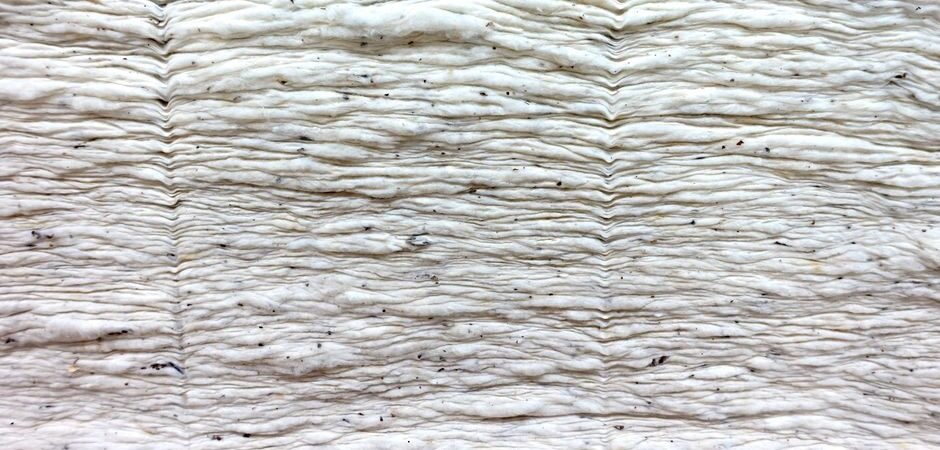
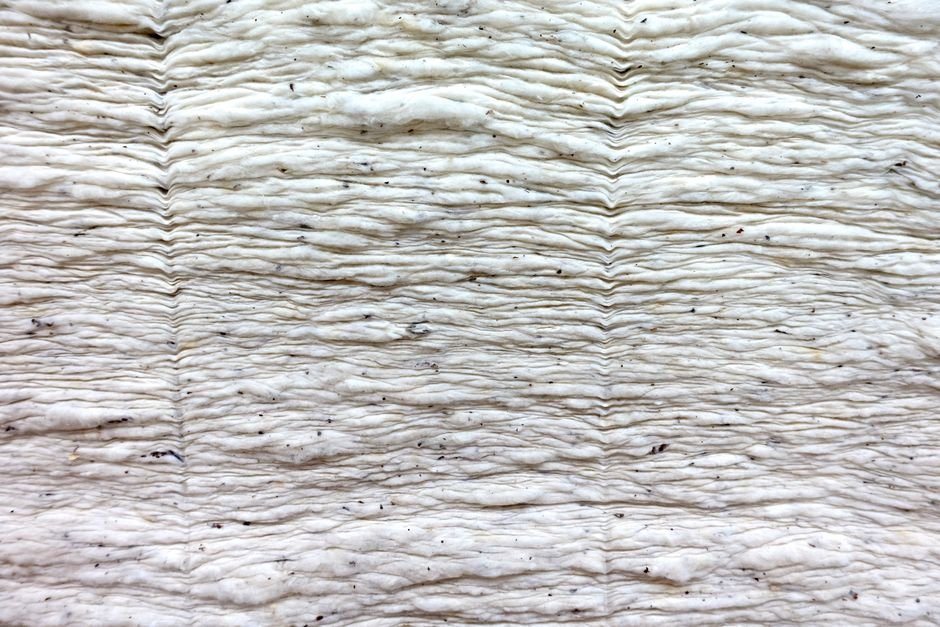
Batting fiber is a big topic on its own, so here’s just a quick overview. Cotton batting is breathable, usually fairly flat, and often shrinks slightly after washing, which gives a soft crinkled look. Polyester is lightweight, holds its loft, and resists shrinking, which makes it popular for puffy quilts and projects that will be washed often.
Wool batting is known for warmth without much weight and for recovering well from folding, so it’s a favorite for show quilts and hand quilting. Blends, most commonly 80 percent cotton and 20 percent polyester, try to balance the feel of cotton with a bit more loft and stability. Bamboo and other specialty fibers are also available. For a deeper look, see our guides on what to look for in quilters batting and batting loft, which go into more detail than we will here. The key takeaway is that no fiber is perfect for every quilt, and preferences vary widely among experienced quilters.
Prewashing, Shrinkage, And Drape
Whether to prewash batting is one of quilting’s long-running debates. Some quilters prewash or soak cotton batting to shrink it before quilting, which helps the finished quilt keep its original dimensions and look smooth. Others skip it on purpose because they love the crinkled, vintage texture that develops when the batting shrinks slightly in the first wash.
If you’re unsure, the package usually lists the expected shrinkage and care instructions, and some manufacturers advise against prewashing altogether. A small test helps too. Cut a sample piece, measure it, wash and dry it the way you’d wash the finished quilt, and measure again. That tells you how much it changes and how the texture looks afterward. Drape is affected too, since a batting that shrinks a little tends to make the quilt feel softer and more relaxed, while one that doesn’t shrink keeps a flatter, crisper look. Neither approach is wrong, and many quilters choose differently depending on the project.
Sizing Batting Beyond Your Quilt Top
Batting should always be larger than your quilt top. A common guideline is to add several inches to every side, which gives you room for the layers to shift slightly during quilting and for trimming everything square at the end. If you’re quilting on a home machine, a few inches beyond the top is often enough.
Packaged batting comes in standard sizes like crib, twin, queen, and king, while batting on a roll lets you cut exactly what you need. Measure your finished top before buying rather than relying on its intended bed size, since a quilt labeled queen can vary quite a bit from one pattern to another. If your top is just slightly larger than a package size, piecing two batting sections together is possible. Butt the edges together without overlapping and join them with a wide zigzag stitch or fusible batting tape so there’s no ridge. Lay the batting out flat for a while before using it, too, so fold lines have a chance to relax.
Planning A Quilt With Batting That Will Be Sent Out For Longarm Quilting
Many quilters piece their tops at home and send them to a longarm quilter for finishing, and that changes the batting conversation. Longarm machines need extra batting and backing on every side so the quilt can be loaded on the frame, and the amount is usually more than you’d allow for home quilting. Ask your longarm quilter how much extra they need before you buy.
It’s also worth asking whether they stock batting themselves. Many longarm services keep a few favorite battings on hand, cut from large rolls, and some prefer to use their own for consistency. If you want a specific fiber or loft, discuss it upfront, along with the quilting density you have in mind. A batting that suits sparse edge-to-edge quilting may not be the same one you’d choose for dense custom work. Planning a quilt with batting that will be longarmed is mostly about communication, and a quick conversation saves surprises at pickup.
A Simple Checklist For Your Final Decision
When it’s time to decide, walk through the questions in order. Start with how the quilt will be used and how often it will be washed. Then think about whether you’re quilting by hand, on a home machine, or sending it out. Next, consider the look you want after washing, crinkled and soft or flat and crisp, since that tells you how you feel about shrinkage.
From there, pick a fiber that fits those answers and a loft that matches the warmth and puffiness you’re hoping for. Check the package for the maximum quilting distance and make sure it suits the quilting you have in mind. Finally, measure your top and buy a size that leaves room on every side. If two options still seem equally good, choose the one you’ve used before or make a small test sandwich of each. Over time you’ll likely settle on one or two battings you trust for most projects, with a few others for special cases.
The middle layer deserves as much thought as the fabric on top, and Bee’s Quilt Shop has plenty more to help you choose. Browse our Fabric Buying and Precuts guides, read our earlier look at batting for quilts, or explore the Notions collection for basting and finishing supplies.
Frequently Asked Questions
What is the best batting for a beginner quilt?
Many beginners start with a low-loft cotton or 80/20 cotton and polyester blend, since these are easy to handle on a home machine and grip the fabric well. That said, preferences vary, so it’s fine to try a few and see which feels right to you.
How much bigger should batting be than the quilt top?
A common guideline is several inches larger on every side for home quilting. Longarm quilters often need more, so ask them before buying.
Do I have to prewash cotton batting?
No, it’s a personal choice. Some quilters prewash to limit shrinkage, while others skip it to get a crinkled vintage look, so check the package instructions and test a sample if you’re unsure.
Can I piece two pieces of batting together?
Yes, many quilters do this with leftover batting. Butt the edges together without overlapping and join them with a wide zigzag stitch or fusible batting tape so the seam lies flat.
Does the batting change how warm a quilt is?
Yes, fiber and loft both affect warmth, with wool and higher loft options often feeling warmer. Bee’s Quilt Shop always suggested thinking about the climate and the person using the quilt when choosing, since comfort is personal.
This article is intended for general educational and informational purposes only and reflects common quilting practices. Batting performance, shrinkage, and care instructions vary by manufacturer, and results vary by skill level, fabric, and equipment. Bee’s Quilt Shop shares this guide as part of our ongoing library of quilting and sewing resources.