Quick answer: Batting loft is the thickness and puffiness of quilt batting. Low loft batting creates a flat, drapey quilt that’s easy to machine quilt, medium loft adds a bit of softness and texture, and high loft gives a puffy, comforter-like look that often suits tied quilts or projects where warmth and dimension matter most.
Batting loft is one of those terms that shows up on every batting package, yet it’s often misunderstood. It simply describes how thick and puffy the batting is, but that one quality changes a lot about your finished quilt. Loft affects how the quilt looks, how warm it feels, how easily it fits under your machine, how the quilting stitches show, and even how the binding goes on.
This guide explains what loft means in quilt batting, compares low, medium, and high loft, and looks at how loft interacts with hand, machine, and longarm quilting. We’ll cover quilting line spacing, how loft affects binding and seams, and a topic many guides skip: layering two battings and other loft tricks quilters use for special effects. We’ll finish by helping you choose a loft for your next project. For fiber details, our guide on what to look for in quilters batting is a helpful companion. At Bee’s Quilt Shop, loft was one of the first things quilters asked about when they wanted a quilt to feel a certain way.
What Batting Loft Means In Quilt Batting
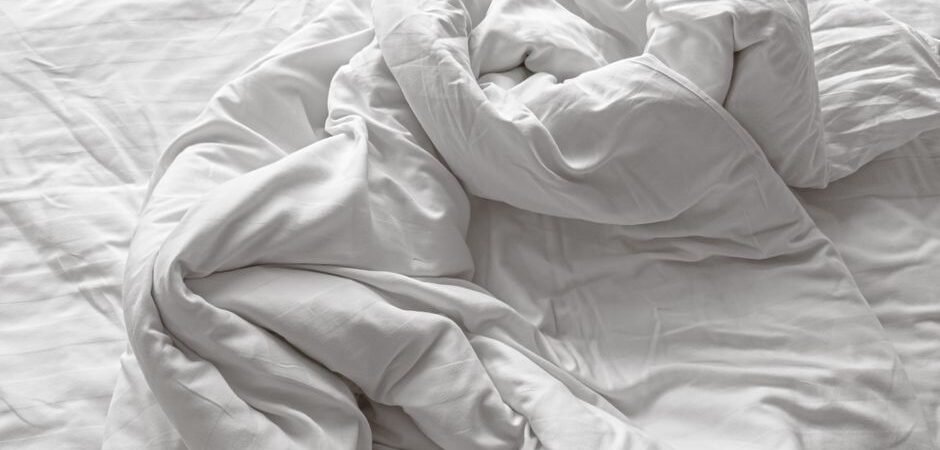
Loft is the height or thickness of the batting, and with it, how much air the batting holds. A low loft batting is thin and fairly dense. A high loft batting is thick and airy, with fibers spread out so it feels springy and puffy. Manufacturers don’t always use the same scale, so one brand’s medium loft might feel different from another’s, but the general idea holds across products.
Loft matters because air is what gives batting its puff and much of its warmth. More loft usually means more insulation and more visible texture once the quilt is stitched. It also means more bulk, which affects how easily you can handle the quilt on a home machine. Loft is related to fiber too. Cotton batting tends to be low loft, polyester is often available in medium and high loft, and wool usually falls somewhere in the low to medium range with a springy feel. Knowing what batting loft means helps you read packages with more confidence and pick the right one for the quilt you have in mind.
Low, Medium, And High Loft Compared
Low loft batting is thin and flat, often only a small fraction of an inch thick. It creates quilts that drape softly, lie flat on a bed or wall, and show piecing clearly without much puffiness. Many quilters choose low loft for bed quilts, wall hangings, table runners, and quilts where the design should be the focus. It’s also easy to feed through a home sewing machine.
Medium loft batting adds a little more thickness and softness without becoming bulky. It’s a versatile middle ground, giving quilts some gentle texture while still being manageable for machine and hand quilting. Many lap quilts and throws use medium loft. High loft batting is thick and puffy, giving a comforter-like look. It’s often used for tied quilts, puffy throws, and decorative projects where dimension matters. Because it’s bulky, high loft can be harder to quilt densely, especially on a home machine. Each level has its place, and many quilters keep more than one on hand for different projects.

How Batting Loft Interacts With Quilting Method
Your quilting method affects which batting loft is easiest to work with. Hand quilters often prefer low or medium loft, since thinner batting makes it easier to take small, even stitches. Very high loft can make hand stitches look uneven or make the needle harder to rock through the layers. That said, some hand quilters enjoy a slightly loftier batting for the dimension it gives each stitch.
Home machine quilters usually find low and medium loft easiest, since thinner batting fits under the machine’s arm more easily and is less likely to shift. High loft batting can be quilted on a home machine, but the bulk makes it harder to maneuver, especially on larger quilts. Longarm quilters can handle a wide range of lofts because the machine moves over a quilt stretched on a frame, so bulk is less of an issue. Longarm quilting with a higher loft can produce beautiful, sculpted texture. If you’re sending a quilt out, ask your longarm quilter which lofts they recommend for the design you have in mind.
How Close Your Quilting Lines Need To Be
Every batting has a recommended maximum distance between quilting lines, printed on the package. This tells you how far apart your stitches can be before the batting might shift, clump, or break apart over time. Loftier batting doesn’t automatically need closer quilting, but many high loft polyester battings are bonded to hold together, and the bonding method affects the allowed spacing.
The key is to read the label and stay within the manufacturer’s guidance. If you love sparse quilting, look for batting rated for wide spacing, often with a scrim or needle-punched construction. If you plan dense quilting, almost any batting will hold together, but very high loft may make dense quilting look puffy between lines and feel stiffer overall. Dense quilting also compresses loft, so a high loft batting quilted heavily will look flatter than the same batting quilted lightly. Thinking about spacing and loft together helps you predict both how the quilt will hold up and how it will look once it’s finished.
Loft And Binding, Seams, And Quilt Edges
Loft affects the edges of your quilt too. Thicker batting adds bulk to the quilt sandwich, which makes binding a little trickier. You may need wider binding strips to wrap neatly around a lofty edge, and the binding may look puffier. Many quilters cut binding slightly wider for medium or high loft projects and test a small section before cutting all the strips.
Seams in the quilt top can add bulk too, especially where many seams meet. With a lofty batting, those areas can feel thick and may be harder to quilt through. Pressing seams open or carefully planning seam direction can help reduce bulk. Trimming batting close to the stitching line before binding, without cutting the quilt top or backing, is another common technique. If you’re using a high loft batting, take your time at the corners, since mitered binding corners with extra bulk need a little more patience to look neat. A walking foot often helps feed the thicker layers evenly.

Layering Two Battings And Other Loft Tricks
Here’s something many loft guides skip: quilters sometimes layer two battings for special effects. A common combination is a thin cotton batting on the bottom with a layer of wool on top. The cotton adds stability and drape, while the wool adds loft that makes quilting designs pop. This is popular for show quilts and for quilts with detailed feather or motif quilting.
Another technique is trapunto, where extra batting is added only behind certain areas of the quilt top, such as a central motif, to raise those areas above the background. Some quilters also use a thinner batting in table runners and placemats and a loftier one in a matching throw, so a set feels coordinated but suits each item’s use. Layering battings adds bulk and cost, so it’s usually reserved for special projects. If you try it, make a small test sample first to see how the layers behave together and how they feel after quilting. It’s a fun way to explore what batting loft can do.
Choosing A Loft For Your Next Project
To choose a loft, start with how the quilt will be used and how you want it to feel. For a bed quilt that drapes and washes well, many quilters choose low loft. For a cozy throw with a little puff, medium loft is a comfortable middle ground. For a tied comforter or a decorative quilt with lots of dimension, high loft can be a great choice.
Then think about your quilting method. If you’re hand quilting or quilting on a home machine, low or medium loft is often easiest. If you’re sending the quilt to a longarm quilter, you have more flexibility. Consider the binding and edges too, adjusting binding width if needed. Finally, check the package for spacing guidance and make sure it fits the quilting you plan. A small test sandwich will show you how the loft looks and feels before you commit. Over time, you’ll learn which lofts you prefer for different projects, and that knowledge makes choosing quick and confident.
Loft can change a quilt’s whole personality, and Bee’s Quilt Shop has more guides to help you choose the right batting. Explore our Fabric Buying and Precuts guides, see how batting shapes the finished look in our batting and quilt feel guide, or browse the Notions collection for finishing supplies.
Frequently Asked Questions
What is batting loft in quilting?
Batting loft is how thick and puffy the batting is. Low loft is thin and flat, while high loft is thick and puffy.
Which batting loft is best for machine quilting?
Many quilters find low or medium loft easiest on a home machine because it’s less bulky. Longarm machines can handle a wider range of lofts.
Does higher loft make a quilt warmer?
Higher loft batting holds more air, which often adds warmth, though fiber matters too. Comfort is personal, so consider who will use the quilt.
Can I use high loft batting for a bed quilt?
You can, but it creates a puffier look and can be harder to quilt densely. Many quilters prefer low or medium loft for bed quilts that drape and wash well.
Can I layer two battings in one quilt?
Yes, some quilters layer a thin cotton with wool for extra texture, especially on show quilts. Bee’s Quilt Shop always suggested making a small test sample first to see how the layers behave.
This article is intended for general educational and informational purposes only and reflects common quilting practices. Batting loft, spacing guidance, and performance vary by manufacturer, and results vary by skill level, fabric, and equipment. Bee’s Quilt Shop shares this guide as part of our ongoing library of quilting and sewing resources.