Quick answer: Quilting cotton is the most common quilt backing material because it matches the weight and behavior of most quilt tops. Flannel adds softness, minky and cuddle fabrics feel plush but are trickier to quilt, and bed sheets can work if the weave isn’t too tight, so the right choice depends on feel, batting, and quilting method.
Choosing quilt backing material is about more than picking a pretty print. The fiber, weave, and texture of the backing affect how the quilt feels in your hands, how it handles under the needle, how it shrinks when washed, and how it wears over time. Two backings with the same color can behave completely differently once they’re layered with batting and quilted.
This guide focuses on the properties of different backing materials rather than color or print. We’ll explain why material matters, why quilting cotton is the default, and what to expect from flannel, minky and cuddle fabrics, and unconventional choices like bed sheets. We’ll also cover a step many guides skip: testing a new material with a sample sandwich before committing a whole quilt to it. Finally, we’ll look at how backing material interacts with batting and your quilting method. For help choosing a specific fabric for a specific quilt, our guide on how to choose backing fabric walks through that process. At Bee’s Quilt Shop, material questions came up constantly, especially from quilters trying something cozy for the first time.
Why Quilt Backing Material Matters More Than The Print
It’s easy to focus on how a backing looks, but quilt backing material determines how it behaves. Fiber content affects shrinkage, warmth, and durability. Weave affects how easily the needle passes through, how much batting might beard through, and how the fabric holds its shape. Texture affects how the quilt feels and how slippery or grippy the layers are during basting and quilting.
These properties matter because the backing works as a partner to the top and batting. If the backing shrinks much more than the top, the quilt can pucker or distort after washing. If it stretches, it can shift during quilting and create tucks. If it’s very slippery, it can slide around under the presser foot. Choosing a material that behaves similarly to your top, or knowing how to handle one that doesn’t, is the key to a smooth quilting experience. Thinking about material first, and print second, can save a lot of unpicking. It also helps you predict how the finished quilt will feel after many washes, not just on the day you finish it.
Quilting Cotton As The Default Choice
Quilting cotton is the most popular backing material for good reason. It’s typically the same fiber, weight, and weave as the fabrics in your quilt top, which means the layers behave consistently. They shrink at similar rates, press the same way, and wear evenly over time. That consistency makes quilting easier and helps the finished quilt look smooth after washing. If you are piecing cotton panels, you can check the yardage with our quilt backing calculator.
Quilting cotton is also easy to find in a huge range of colors and prints, and it’s available in standard widths and wide backing widths for large quilts. It needles well by hand and by machine, grips batting nicely to reduce shifting, and holds up to frequent washing. For most quilts, especially for newer quilters, it’s a dependable choice. That doesn’t mean it’s the only good option, since many quilters love the feel of softer or warmer materials. But if you’re unsure, starting with quality quilting cotton that matches your top is a reliable default.
Flannel Backing For Softness
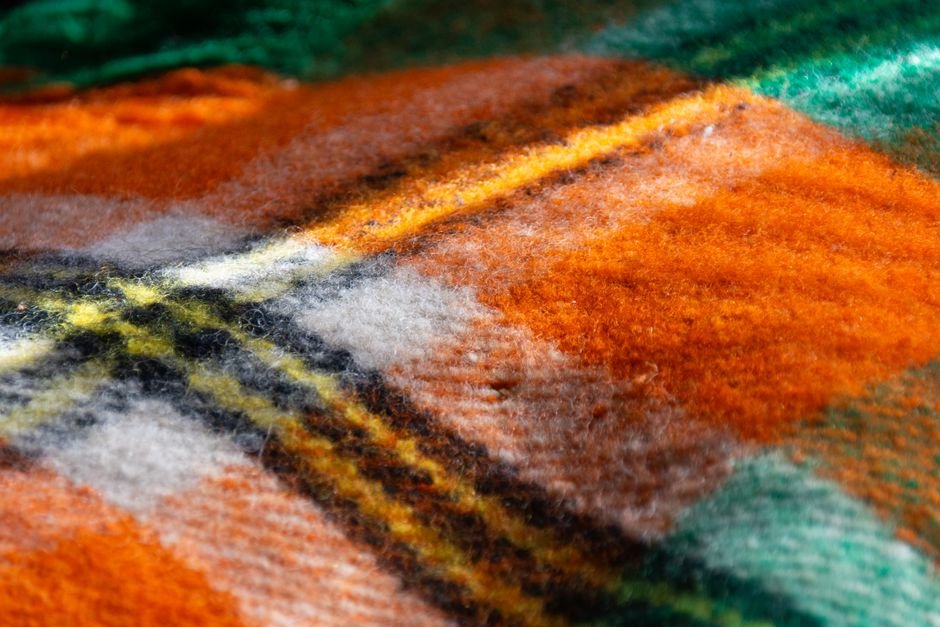
Flannel is a favorite backing material for cozy quilts. It’s brushed on one or both sides, giving it a soft, slightly fuzzy feel that many people love on winter quilts, baby quilts, and throws. It also grips batting well, which can make it easier to baste and quilt than some other soft fabrics.
Flannel does behave differently from standard quilting cotton when washed. It often shrinks more and may pill or soften over time, so prewashing is usually recommended, sometimes more than once. It can also fray more at cut edges and may be a little thicker, which adds bulk at seams. Many quilters use a slightly longer stitch length and a fresh needle when quilting through flannel. If you’re pairing flannel with a cotton top, prewashing both can help them shrink at similar rates. Despite these quirks, flannel is a popular choice because the finished quilt feels warm and inviting. Look for good quality flannel with a dense, even nap, since thinner flannel can wear through faster.
Minky And Cuddle Fabrics: Pros And Challenges
Minky and other cuddle fabrics are plush, velvety knits that make quilts feel incredibly soft. They’re especially popular for baby quilts and throws, and many people love snuggling under a minky-backed quilt. But they come with challenges that are worth understanding before you start.
Minky has stretch, and it can be slippery against batting and the quilt top. That combination makes it prone to shifting during basting and quilting, which can lead to puckers or a distorted quilt. Many quilters use spray basting or extra pins, quilt with a walking foot, and avoid stretching the fabric while handling it. Minky also sheds fibers when cut, so cutting outdoors or vacuuming afterward helps. It can be bulky in seams and binding. Some quilters skip batting entirely with minky, since it adds warmth on its own. Others prefer a very thin batting. A test sample is especially valuable with minky, since it lets you see how it handles before you commit.
Bed Sheets And Other Unconventional Materials
Bed sheets are a popular unconventional backing material because they’re wide enough to cover large quilts without piecing. They can work well, but there are tradeoffs. Many sheets have a high thread count with a very tight weave, which can make them harder to needle, especially by hand. That tight weave can also lead to skipped stitches or needle drag on some machines.
Sheets may also have different shrinkage rates than quilting cotton, and some include polyester blends that behave differently when washed or pressed. Older or worn sheets may be thinner and less durable than the quilt top. If you’d like to use a sheet, look for one with a moderate thread count and a smooth cotton or cotton blend, prewash it, and test it with a sample sandwich first. Other unconventional materials, like decorator fabrics or vintage linens, can also work with similar testing. They can add character to a quilt, but they deserve extra planning. Repurposing fabric this way can also give a quilt a personal history.
Testing A New Quilt Backing Material With A Sample Sandwich
Before committing a new quilt backing material to a whole quilt, make a sample sandwich. Cut a small piece of your backing, a piece of the batting you plan to use, and a scrap of fabric similar to your quilt top. Layer them, baste them the way you plan to baste the quilt, and quilt a few lines or a small design.
Then wash and dry the sample the way you’d care for the finished quilt. Look at how the backing shrank compared to the top, whether any puckers formed, how the stitches look, and how it feels. Check for bearding and pilling. This small test reveals most of the surprises a new material might bring, from excessive shrinkage to needle trouble, before they affect a quilt you’ve spent weeks making. Many quilters keep their test samples with notes about what they used, building a reference library that makes future decisions much easier. It takes a little time, but it can prevent a lot of disappointment.
Matching Backing Material To Your Batting And Quilting Method
Backing material doesn’t work alone. It interacts with your batting and your quilting setup. A slippery backing like minky pairs well with batting that grips, or with spray basting to hold everything together. A tight-weave backing like a sheet may need a sharper or larger needle and a slightly longer stitch. Flannel and cotton both grip batting well and are generally easy to work with on home machines.
Your quilting method matters too. Hand quilters often prefer backings that are easy to needle, like quality quilting cotton or a loosely woven flannel, and may avoid very tight weaves. Machine quilters may use a walking foot for stretchy or thick backings. Longarm quilters can handle many materials, but some have preferences or extra charges for minky and other specialty fabrics, so ask ahead. Our guide to choosing the right batting for your quilt covers the batting side of this partnership.
The right backing material makes a quilt feel just right, and Bee’s Quilt Shop has more guides to help you choose. Explore our Fabric Buying and Precuts guides, learn more in our guide to flannel, or browse the Fabric collection for backing options.
Frequently Asked Questions
Can I use flannel for quilt backing?
Yes, flannel is a popular and cozy backing choice. Prewash it first, since it often shrinks more than standard quilting cotton.
Is minky hard to quilt?
Minky can be tricky because it stretches and slips against other layers. Spray basting, extra pins, and a walking foot help many quilters manage it.
Can I use a bed sheet as quilt backing?
Many quilters do, especially for large quilts. Choose a sheet with a moderate thread count, prewash it, and test it first, since very tight weaves can be hard to needle.
What is the easiest backing material for beginners?
Quality quilting cotton is usually the easiest, since it matches most quilt tops and handles predictably. Softer specialty fabrics can be easier to try once you’re comfortable with basting and quilting.
Do I need batting if I use minky backing?
Not always, since minky adds warmth and some quilters skip batting entirely. Bee’s Quilt Shop always suggested making a small sample to see whether you prefer the feel with or without batting.
This article is intended for general educational and informational purposes only and reflects common quilting practices. Fabric behavior, shrinkage, and care vary by manufacturer, and results vary by skill level, fabric, and equipment. Bee’s Quilt Shop shares this guide as part of our ongoing library of quilting and sewing resources.