
Quick answer: A fat quarter bundle is a set of fat quarters, each roughly 18 by 22 inches, grouped together because the fabrics coordinate, usually from one collection or a curated color story. Bundles are popular for quilts, bags, and small projects because they deliver a ready-made palette and give you more cutting flexibility than strip or square precuts.
There’s a reason fat quarter bundles are so tempting. A neatly tied stack of coordinated fabrics feels like a quilt waiting to happen. For many quilters, a fat quarter bundle is the easiest way to get a full palette of fabrics without spending hours matching prints, and it gives you plenty of flexibility for cutting all kinds of shapes.
This guide explains what a fat quarter bundle is and the types you’re likely to find. We’ll cover how to choose a bundle, what you can make with one, and how to prepare and cut fat quarters. We’ll also cover something many guides skip, which is how to stretch a fat quarter bundle into a bigger quilt than you might expect. Finally, we’ll compare fat quarter bundles with other precuts. At Bee’s Quilt Shop, bundles were always a favorite, and they inspired countless projects. If you’d like a refresher on the cut itself, our guide to how big a fat quarter of fabric is covers the basics.
What Is a Fat Quarter Bundle
A fat quarter is a quarter yard of fabric cut in a wider shape than a standard quarter yard. A regular quarter yard is a long strip, about 9 inches tall by the width of the fabric. A fat quarter is cut from a half yard and split in half, giving a piece roughly 18 by 22 inches. That near-square shape gives you more room to cut larger pieces, which is why quilters love it.
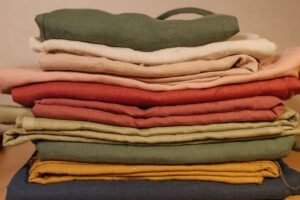
A fat quarter bundle is a group of fat quarters sold together. Most bundles are assembled from a single fabric collection, with one fat quarter of each print in the line. Others are curated by shops or designers around a color, theme, or style, mixing fabrics from different collections.
Bundles vary in size, from small sets of five or six fat quarters to complete collections with twenty or more. They’re usually folded neatly and tied with ribbon or wrapped in a band. Whether you’re a beginner looking for a coordinated starting point or an experienced quilter adding to your stash, a fat quarter bundle offers a convenient way to collect fabrics that work beautifully together.
Types of Fat Quarter Bundles
Fat quarter bundles come in many types. Coordinated collection bundles are the most common. They include fabrics from a single designer line, with prints created to complement each other in color, scale, and style.
Themed bundles focus on a subject or season, such as florals, holidays, animals, or nautical prints. They’re great for themed projects and gifts. Solid bundles offer a range of solid colors, often arranged as a rainbow or a color family. They’re useful for modern quilts and for pairing with prints.
Tonal bundles feature tone-on-tone fabrics, which have a subtle pattern in a single color. They read almost as solids from a distance and add texture without busyness. Curated mixes are assembled by shops or designers, combining fabrics from different collections around a color story or style. These bundles can offer a unique, scrappy look that’s hard to achieve with a single collection. Knowing the type of bundle helps you choose one that fits your project and your taste.
How to Choose a Fat Quarter Bundle
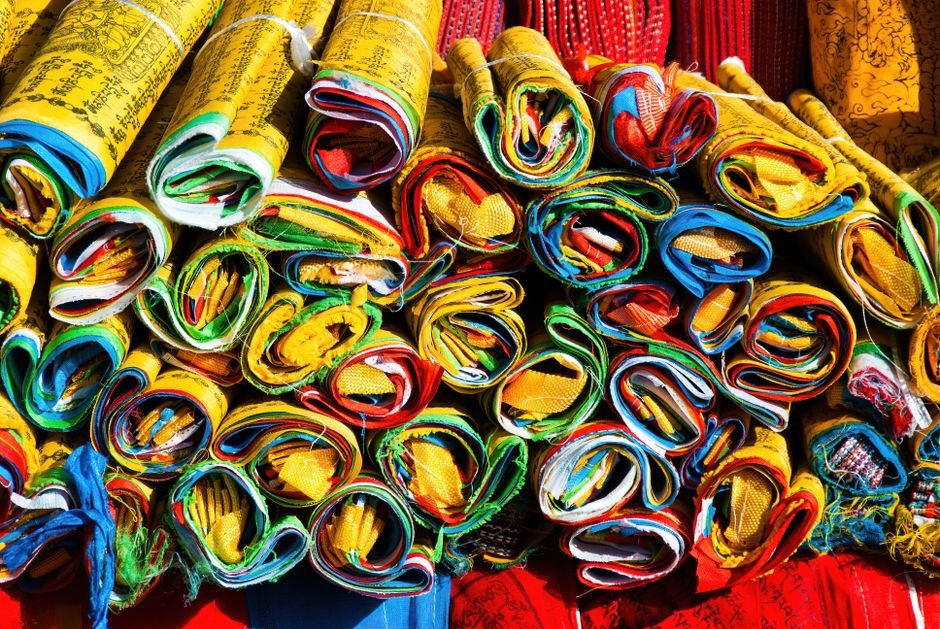
Choosing a fat quarter bundle starts with color balance. Look for a good mix of lights, mediums, and darks, so your blocks have contrast. If all the fabrics are similar in value, the finished quilt may look flat. Laying out the bundle, or studying photos if you’re shopping online, helps you judge this.
Print scale matters too. A mix of small, medium, and large prints adds interest. Small prints and tonals work well in small pieces, while large prints shine in bigger patches. If you’re making a pattern with small pieces, a bundle with mostly large prints may not be ideal.
Think about your project. Check how many fat quarters your pattern requires and whether it needs extra background fabric. Some patterns call for specific values or colors, so read the requirements before buying. If you’re buying a bundle without a project in mind, choose fabrics you love, since they’ll find a use eventually. Preferences vary, so there’s no single right bundle, only the one that inspires you.
What You Can Make with a Fat Quarter Bundle
Fat quarter bundles are incredibly versatile. Quilts are the most popular use. Many patterns are designed specifically for fat quarters, often called fat quarter friendly patterns, which make efficient use of each piece. Lap quilts, baby quilts, and throws are common sizes for a single bundle, sometimes with added background or borders.
Bags and totes are another great use. A fat quarter is a convenient size for bag panels, pockets, and linings. Small projects like zipper pouches, pincushions, mug rugs, coasters, and pillow covers use just one or two fat quarters each.
Home decor projects like table runners, placemats, and wall hangings also suit fat quarter bundles. Many quilters use a bundle for a main project, then use the leftovers for smaller items. If you’d like an even smaller cut for scrappy projects, our guide to the fat eighth bundle explains a related precut. With so many options, a fat quarter bundle can become almost anything.
Prepping and Cutting Fat Quarters
Preparing fat quarters starts with the prewash debate. Some quilters prewash to remove sizing, control shrinkage, and test for color bleeding. Others prefer not to prewash, keeping the fabric crisp for accurate cutting and washing the finished quilt instead. If you prewash, consider doing so before cutting, and press the fabric well afterward. Testing a small piece for bleeding is helpful if you’re unsure.
Squaring up fat quarters is the next step. Fat quarters may not be perfectly square, since they’re cut from bolts by hand. Trim one edge straight using a rotary cutter and ruler, then measure and cut from that straight edge. This helps your pieces come out accurate.
Efficient cutting makes the most of each fat quarter. Plan your cuts before you start, cutting the largest pieces first and smaller pieces from what’s left. Many patterns include cutting diagrams for fat quarters, which are helpful. Keep the grain in mind, cutting along the straight grain where possible for stable pieces. Saving scraps for future projects means very little goes to waste.
Stretching a Fat Quarter Bundle into a Bigger Quilt
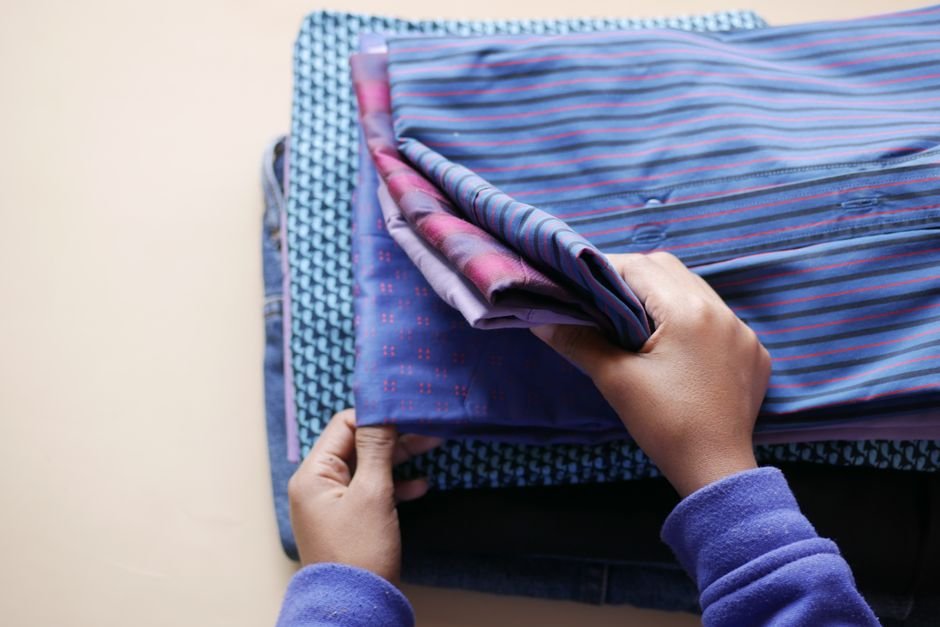
One of the best things about a fat quarter bundle is that it can stretch further than you might think. Adding a background fabric is the most effective way to make a bundle go further. A solid or low-volume background fills space between blocks, creating a larger quilt and letting your prints shine.
Sashing and borders add size too. Sashing strips between blocks spread the design out, while borders frame the quilt and increase its dimensions. Using coordinating solids pulled from the bundle’s colors keeps the look cohesive.
Choosing patterns with larger blocks or simple shapes can also help. Patterns with big squares or rectangles use fabric efficiently. Another approach is to cut each fat quarter into two or more blocks, mixing prints throughout the quilt for a scrappy look. Planning your cuts carefully and using every piece, including scraps for binding or small accents, helps you get the most from your bundle. Many quilters find that a thoughtful plan turns a modest bundle into a generous quilt.
Fat Quarter Bundle vs Other Precuts
Fat quarter bundles are one of several precuts. Jelly rolls are bundles of 2.5 inch strips, great for strip piecing and log cabin designs. Layer cakes are stacks of 10 inch squares, ideal for large blocks and quick quilts. Charm packs are 5 inch squares, perfect for small quilts and scrappy designs.
Fat quarters offer the most flexibility. Because they’re larger and not precut into a specific shape, you can cut them into squares, rectangles, triangles, strips, and curves. This makes them suitable for almost any pattern. The trade-off is that you’ll do more cutting yourself.
Jelly rolls and layer cakes save cutting time for patterns designed around their sizes, while fat quarters let you follow almost any pattern. Many quilters keep a mix of precuts in their stash. Our comparison of layer cake vs charm pack vs jelly roll and our guide to jelly rolls explain those options in more detail.
Bee’s Quilt Shop is here to help you plan your next project. Explore our Fabric Buying and Precuts guides, browse the Fabric collection for background and border fabric, and read our guide to the dimensions of a fat quarter of fabric before you cut.
Frequently Asked Questions
How many fat quarters are in a bundle?
It varies widely, from small sets of five or six to complete collections with twenty or more. Check the listing for the exact count.
What size is a fat quarter?
A fat quarter is roughly 18 by 22 inches, cut from a half yard of fabric. The exact size depends on the width of the bolt.
Can I make a quilt with one fat quarter bundle?
Often yes, especially a baby, lap, or throw quilt, sometimes with added background or borders. Check your pattern’s requirements first.
Should I prewash fat quarters?
Quilters have different opinions. Some prewash to control shrinkage and bleeding, while others prefer the crispness of unwashed fabric, so test a small piece if you’re unsure.
What is the difference between a fat quarter and a regular quarter yard?
A regular quarter yard is a long, narrow strip, while a fat quarter is a wider, near-square piece. Bee’s Quilt Shop often noted that fat quarters give you more cutting flexibility for quilt blocks.
This article is intended for general educational and informational purposes only and reflects common quilting practices. Bundle sizes, fabric collections, and availability vary by manufacturer and retailer, and results vary by skill level, fabric, and equipment. Bee’s Quilt Shop shares this guide as part of our ongoing library of quilting and sewing resources.