
Quick answer: Layer cakes are precut stacks of 10 inch fabric squares, usually one or more squares of every print in a collection, sold together as a coordinated bundle. The name is a general precut term rather than one brand’s product, and layer cakes are popular for quick quilts, table runners, and baby quilts with large, simple blocks.
If you’ve ever wanted to make a quilt quickly without a lot of cutting, layer cakes might be just what you need. These neat stacks of 10 inch squares bring together a whole collection of coordinated fabrics, ready to be sewn into large blocks or cut into smaller pieces. For beginners, they’re a friendly introduction to precuts, and for experienced quilters, they’re a handy shortcut for quick projects.
This beginner’s guide explains what layer cakes are and what you can make with them. We’ll cover how to choose a layer cake, tips for cutting and sewing, and how layer cakes compare with jelly rolls and fat quarters. We’ll also cover something many guides skip, which is working out how many layer cakes a quilt actually needs. Finally, we’ll share planning tips for your layer cake quilt. At Bee’s Quilt Shop, precuts were always popular, and layer cakes were a favorite for quilters who wanted fast, satisfying results. If you’d like pattern ideas specifically, our guide to quilt patterns for layer cakes is a great next read.
What Are Layer Cakes in Quilting
Layer cakes are stacks of precut 10 inch squares. Each stack usually includes one or more squares of every print in a fabric collection, so the fabrics coordinate in color and style. The name comes from the way the stacked squares look a little like the layers of a cake.
The term layer cake is widely used as a general name for 10 inch square precuts, though different manufacturers may use their own names for similar products, such as ten squares or stackers. The concept is the same regardless of the name, which is a coordinated set of large squares.
The number of squares varies by manufacturer and collection, and many layer cakes include around 40 squares. Some have pinked edges, which are cut with a zigzag to reduce fraying. Ten inch squares are versatile. They can be used whole for large, simple blocks, or cut into smaller squares, rectangles, triangles, and strips. A single 10 inch square can yield four 5 inch squares, for example, making a layer cake work like several charm packs. This flexibility makes layer cakes useful for many types of projects.
What You Can Make with Layer Cakes
Layer cakes are great for quilts. Simple patchwork quilts made from whole 10 inch squares come together quickly and show off a collection beautifully. Patterns with half square triangles, four patches, and large star blocks also use layer cakes well.
Table runners are a quick project that uses just a few squares. Baby quilts are another popular choice, since a single layer cake can often make a baby quilt with little or no extra fabric, depending on the pattern. Lap quilts and throws are also common, often with added background or borders.
Other projects include pillows, placemats, tote bags, and wall hangings. Layer cake squares are a convenient size for pillow fronts and bag panels. Many quilters also cut layer cake squares into smaller pieces for scrappy projects. Our guide to quilting layer cakes explores techniques in more depth. Whatever you make, layer cakes offer a quick way to get a coordinated, polished look.
How to Choose a Layer Cake
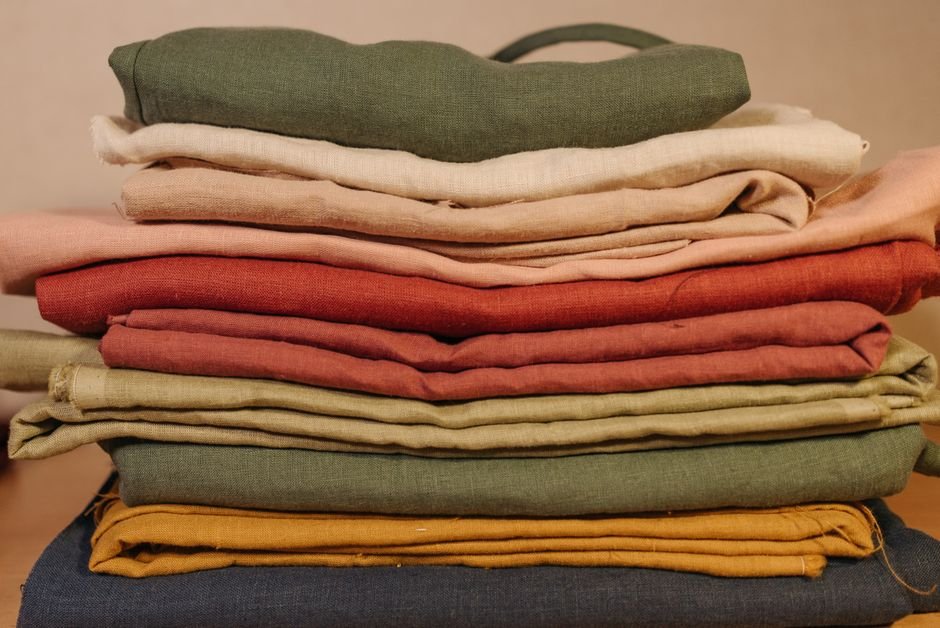
Choosing a layer cake starts with the collection. Look at the prints and colors as a group. Do you like how they work together? Since layer cakes usually contain an entire collection, you’ll be working with every fabric, so choose a collection you love.
Print variety matters. A good layer cake includes a mix of large, medium, and small prints, along with tonals and blenders. Large prints show well in 10 inch squares, since the motif has room to be seen. Small prints and tonals add balance and texture.
Value contrast is important for many patterns. If your pattern relies on light and dark contrast, check that the layer cake includes a range of values. If most fabrics are medium, you may need to add a background fabric. Quality is worth considering too. Layer cakes from established manufacturers usually feature quilting cotton with consistent weight and weave. Reading the listing helps you understand the fabric content and square count before buying.
Cutting and Sewing with Layer Cakes
Cutting and sewing with layer cakes is straightforward, but a few tips help. Pinked edges can make it tricky to measure accurately. Many quilters measure from the outer points of the pinked edge, while others measure from the valleys. Whatever you choose, be consistent, and test a block to confirm the size.
Check squares with a ruler before cutting, since they may vary slightly in size. Trimming squares to a consistent size, if needed, helps blocks fit together well.
Many patterns are designed to use layer cake squares with no waste, cutting each square into pieces that all go into the quilt. For example, two squares placed right sides together can be sewn and cut into half square triangles, and a square can be cut into four 5 inch squares for four patches. Planning cuts this way makes the most of your fabric. Pressing seams carefully, rather than ironing back and forth, helps keep blocks square. Using a consistent quarter inch seam allowance ensures your blocks come out the right size.
Layer Cakes vs Jelly Rolls vs Fat Quarters
Layer cakes, jelly rolls, and fat quarters are three of the most popular precuts. Layer cakes are 10 inch squares, ideal for large blocks, half square triangles, and quick patchwork. Jelly rolls are 2.5 inch strips, perfect for strip piecing, log cabin, and rail fence designs. Fat quarters are pieces about 18 by 22 inches, offering the most flexibility for cutting any shape.
Each precut suits different patterns. Layer cakes save time for square-based designs, while jelly rolls save time for strip-based designs. Fat quarters require more cutting but can be used for almost any pattern.
Many quilters keep a mix of precuts in their stash. You can even combine them, such as using a layer cake for blocks and a jelly roll for sashing or binding from the same collection. Our comparison of layer cake vs charm pack vs jelly roll explains the differences in more detail. Choosing the right precut depends on your pattern and how you like to work.
Working Out How Many Layer Cakes a Quilt Needs
Working out how many layer cakes a quilt needs is a common question, and the answer depends on the pattern and size. Start by knowing the finished size you want and the size of your finished blocks.
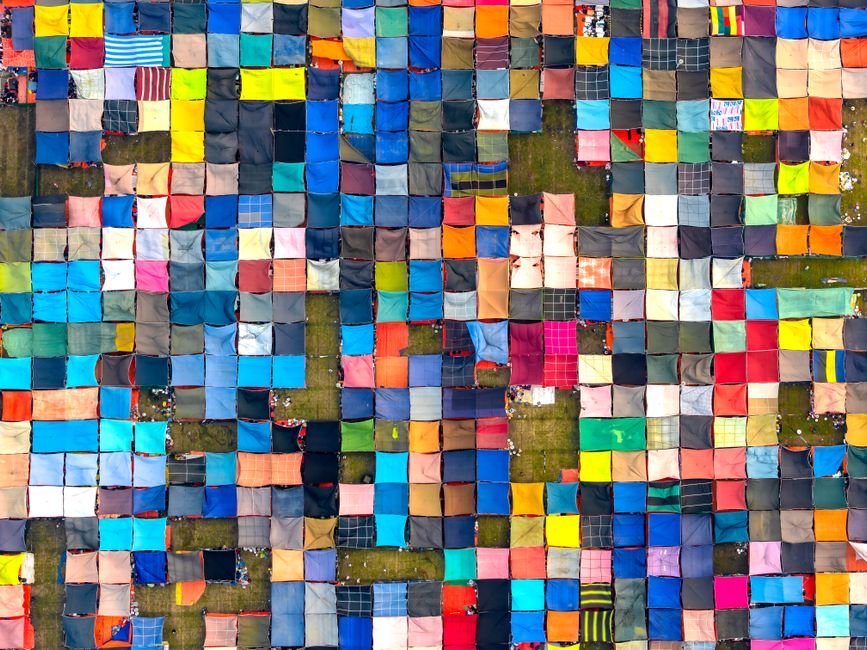
If you’re using whole 10 inch squares, each square finishes at 9.5 inches once sewn with quarter inch seams. Divide your desired quilt width by 9.5 to find how many squares you need across, and do the same for the length. Multiply the two numbers to find the total squares. Compare that to the number of squares in your layer cake, which is often around 40, to see how many layer cakes you need.
If your pattern cuts squares into smaller pieces or adds background fabric, the math changes. Many patterns list exactly how many layer cakes are needed, so following the pattern is the easiest approach. Adding borders or sashing can increase the size without needing more squares. Doing this math before you buy helps you avoid running short or buying more than you need.
Layer Cake Quilt Planning Tips
Planning a layer cake quilt starts with the layout. Many quilters lay out squares or blocks on a design wall or floor before sewing, moving them around to balance color and print. Taking a photo helps you spot areas where colors cluster.
Backing and batting come next. Once you know the finished size, calculate backing yardage, making sure the backing is a few inches larger than the quilt top on every side. Choose batting based on the look and feel you want, whether flat cotton, lofty polyester, or a blend.
Quilting design can complement your layout. Straight line quilting suits modern patchwork, while an allover design works well with busy prints. If you’re sending your quilt to a longarm quilter, check their requirements. For more precut inspiration, our guide to jelly rolls shares ideas for strip-based quilts. With a little planning, a layer cake can become a beautiful quilt in less time than you might expect.
Bee’s Quilt Shop is here to help you make the most of your precuts. Explore our Fabric Buying and Precuts guides, browse the Fabric collection for background and border fabric, and read our guide to quilt patterns for layer cakes for project ideas.
Frequently Asked Questions
What size are layer cake squares?
Layer cake squares are 10 inches by 10 inches. Sewn with quarter inch seams, a whole square finishes at 9.5 inches in a quilt.
How many squares are in a layer cake?
It varies by manufacturer and collection, and many layer cakes include around 40 squares. Check the listing for the exact count.
What size quilt can I make with one layer cake?
Many patterns make a baby or lap quilt from one layer cake, often with added background or borders. Larger quilts may need two or more.
Can I cut a layer cake into charm squares?
Yes, each 10 inch square can be cut into four 5 inch squares. Bee’s Quilt Shop often noted this makes a layer cake work like several charm packs.
Are layer cakes good for beginners?
Yes, they’re a friendly introduction to precuts. Large squares mean fewer seams and quick results, which builds confidence.
This article is intended for general educational and informational purposes only and reflects common quilting practices. Precut sizes, square counts, and collections vary by manufacturer, and results vary by skill level, fabric, and equipment. Bee’s Quilt Shop shares this guide as part of our ongoing library of quilting and sewing resources.


