Quick answer: Cross stitch material is typically aida cloth, a gridded cotton fabric ideal for beginners, or evenweave fabric, which produces a finer finish but requires more careful counting. Fabric count and color also affect the finished look.
Choosing the right cross stitch material is one of the first practical decisions any new stitcher has to make, and it turns out to matter more than a lot of beginners expect. The fabric you stitch on affects everything from how easy it is to count stitches accurately to how the finished piece ultimately looks and holds up over time. This guide walks through the most common cross stitch materials, how they differ from one another, and what to consider when choosing fabric for a specific project or skill level. Whether you’re working from a kit that already includes fabric or sourcing your own material for a custom pattern, understanding these basics will save you some early frustration and a fair bit of unnecessary guesswork at the fabric counter. At Bee’s Quilt Shop, questions about fabric choice come up constantly from stitchers who assumed one type of cross stitch cloth was pretty much like any other, only to discover that’s not quite the case.
What Material Cross Stitch Is Typically Worked On
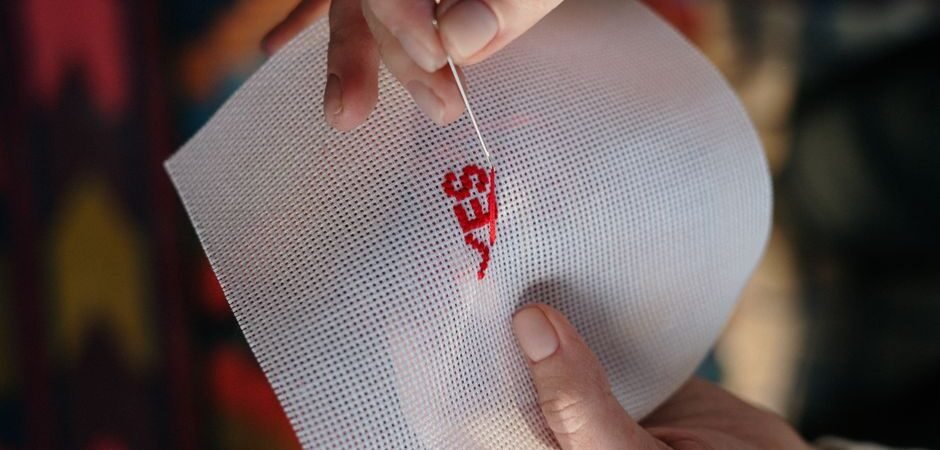
Cross stitch is most commonly worked on one of two fabric types: aida cloth or evenweave fabric, and understanding the difference is genuinely foundational to the craft. Aida cloth is a stiffened, open-weave cotton fabric woven with clearly visible holes arranged in a grid pattern, which makes it especially beginner-friendly since each hole corresponds to a specific place to insert your needle. That structured grid takes a lot of the guesswork out of counting stitches accurately, which is why most starter kits and beginner patterns default to aida. Evenweave fabric, by contrast, is woven with threads of consistent thickness spaced evenly in both directions, but without the same rigid, visible grid structure that aida offers. Stitching on evenweave typically involves working over two threads in each direction rather than through a single pre-defined hole, which produces a finer, more refined finished look but requires more careful counting since there’s no obvious grid to guide your needle placement. Some evenweave is also woven from linen rather than cotton, which adds a slightly different texture and drape that many experienced stitchers come to prefer for finer, more detailed work.
Aida Cloth Vs Evenweave Fabric
Deciding between aida cloth and evenweave really comes down to your experience level and the look you’re after for the finished piece. Aida’s visible grid structure makes it significantly easier for beginners to keep their place while counting, and it’s genuinely hard to overstate how much that structure helps when you’re still building confidence with a chart. Evenweave produces a noticeably finer, smoother finished texture since the stitches sit closer together and the fabric itself has a more refined hand, which is part of why many experienced stitchers eventually gravitate toward it for pieces meant for framing or gifting. The tradeoff is that evenweave demands more precision and patience, since miscounting even slightly can throw off an entire section of a design in a way that’s harder to spot and correct than on aida’s clearly gridded surface. Many stitchers start exclusively on aida and gradually introduce evenweave once they’re comfortable enough with counting to work without the built-in grid as a guide. Trying a small evenweave practice piece before committing to a full project is a reasonable way to gauge whether the finer counting feels manageable to you.
Understanding Fabric Count Numbers
Fabric count numbers, which describe how many threads or holes exist per inch, directly affect both stitch size and how large your finished project turns out. A lower count, such as 11-count aida, has fewer, larger holes per inch, producing bigger, more visible stitches that work well for beginners and for designs meant to be viewed from a distance. A higher count, such as 18-count aida or 28-count evenweave, packs more stitches into the same inch of fabric, resulting in a finer, more detailed finished look but requiring smaller, more precise needle work. This matters practically because the same pattern chart will produce a physically different-sized finished piece depending on the fabric count you choose, so it’s worth doing a quick calculation, dividing your pattern’s stitch count by the fabric count, before buying fabric to make sure your finished size will actually fit the frame or project you have in mind. Beginners generally find lower counts easier to work with simply because the larger holes are more forgiving of needle placement, and stitching a lower count also tends to move faster, which can be genuinely motivating when you’re still building confidence in the craft.
Choosing Material Color For Your Pattern
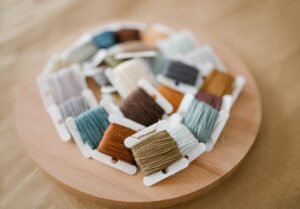
Fabric color matters just as much as count when it comes to how your finished pattern will actually look. Most cross stitch fabric comes in white or a soft off-white shade called antique white, both of which offer strong contrast against most floss colors and make it easy to see your stitches clearly while you work. Colored fabric, ranging from soft pastels to deeper tones, can add mood and visual interest to a finished piece, but it changes how certain floss colors read against the background, sometimes muting lighter thread colors that would pop clearly against white. If a pattern was designed with a specific fabric color in mind, it’s generally worth sticking close to that recommendation, since designers often choose background color deliberately to complement the palette of the design itself. For stitchers designing their own patterns or adapting an existing one, testing a few floss colors against a small swatch of your chosen fabric before committing to a full project can prevent an unpleasant surprise partway through. Good lighting matters here too, since a fabric and floss pairing that looks fine under warm indoor light can read quite differently once framed and hung somewhere with more natural daylight.
Waste Canvas And Specialty Cross Stitch Materials
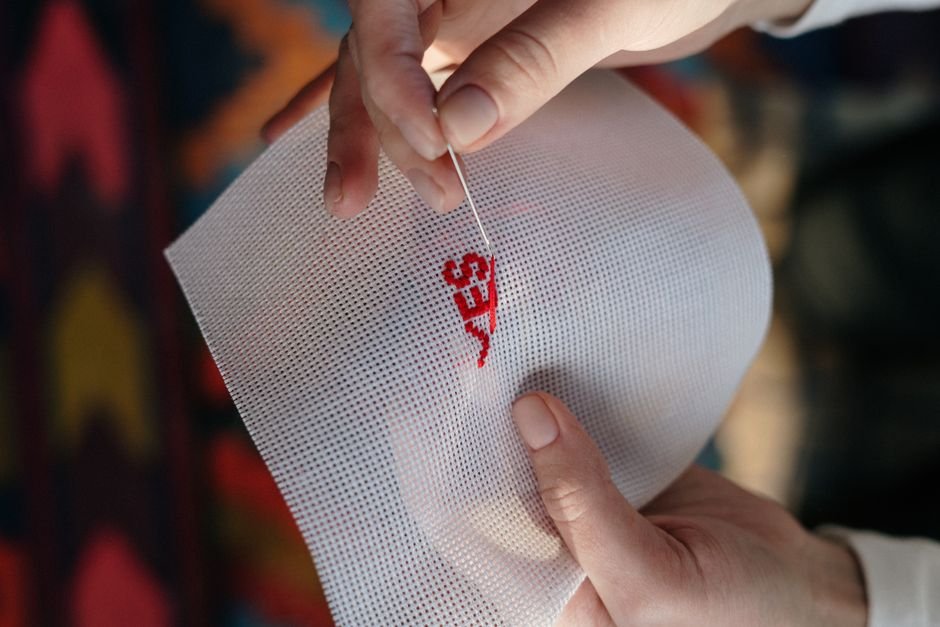
Beyond standard aida and evenweave, a few specialty materials expand what’s possible with cross stitch. Waste canvas is a temporary, loosely woven material that gets basted onto non-gridded fabric like a t-shirt, towel, or garment, providing a removable grid to stitch through before the canvas threads are pulled out one by one once the design is complete. This technique lets stitchers add cross stitch designs to items that wouldn’t otherwise have the structured weave the craft normally requires. Plastic canvas, a rigid mesh sheet, is another specialty option often used for three-dimensional projects like ornaments or small boxes rather than flat framed pieces. Linen, a natural fiber alternative to cotton evenweave, offers a similarly fine finished texture with a slightly different hand and is popular among stitchers who prefer working with natural fibers throughout their project. Each of these specialty materials serves a fairly narrow purpose, so most stitchers only reach for them once a specific project calls for something standard aida or evenweave can’t quite accomplish. At Bee’s Quilt Shop, we generally recommend beginners get comfortable with standard aida first before experimenting with waste canvas or plastic canvas, since those specialty materials come with their own handling quirks that are easier to learn once basic counting feels second nature.
Caring For Cross Stitch Material Before And After Stitching
Taking care of cross stitch material properly, both before and after stitching, helps protect your work and keeps the finished piece looking its best. Before starting, many stitchers finish the raw edges of their fabric with a zigzag stitch, fray check, or masking tape to prevent unraveling while handling the piece over what can be weeks or months of work. Keeping hands clean while stitching matters too, since oils and lotions can gradually discolor lighter fabric over an extended project. Once a piece is finished, gentle hand washing in cool water with a mild detergent, followed by laying flat to dry, generally works best for removing any accumulated grime without stressing the stitches. Pressing a finished piece face down on a towel, rather than directly on the front, protects the raised texture of the stitches from getting flattened by the iron. Following these basic habits helps ensure that the material holds up as well as the stitching itself over years of display.
Ready to pick out your next piece of cross stitch fabric? Explore our Embroidery and Monogramming guides here at Bee’s Quilt Shop for more stitching advice, and browse our current fabric collection to see what’s available right now. Explore more Embroidery & Monogramming guides on the blog, or browse our Fabric collection to see what is currently available.
Frequently Asked Questions
Should I use aida cloth or evenweave for my first project?
Aida cloth is generally easier for beginners since its visible grid makes counting stitches much simpler. Many stitchers switch to evenweave later once they’re comfortable counting without that built-in grid.
What does fabric count actually mean?
Fabric count refers to how many threads or holes exist per inch, with a lower count producing bigger, easier stitches and a higher count producing finer detail. Beginners usually find lower counts, like 11 or 14, more manageable to start with.
Can I cross stitch on a t-shirt or other garment?
Yes, using a temporary material called waste canvas, which provides a removable grid you baste onto the garment and pull out once stitching is complete. This lets you add cross stitch designs to fabric that wouldn’t otherwise have a countable weave.
Does fabric color matter for my chosen floss colors?
It does, since a colored background can change how certain floss shades read compared to white or antique white. Testing a swatch of floss against your fabric choice before starting a full project is a smart habit.
How do I keep my cross stitch fabric from fraying while I work?
Finishing the raw edges with a zigzag stitch, fray check, or masking tape before you start stitching helps prevent unraveling over what can be weeks or months of handling. Bee’s Quilt Shop recommends doing this step before your very first stitch.
This article is intended for general educational and informational purposes only, based on common cross stitch practices. Results vary by skill level, materials, and pattern choice, so testing fabric and floss pairings first is always a good idea. Bee’s Quilt Shop shares this guide as part of our ongoing library of quilting and sewing resources.