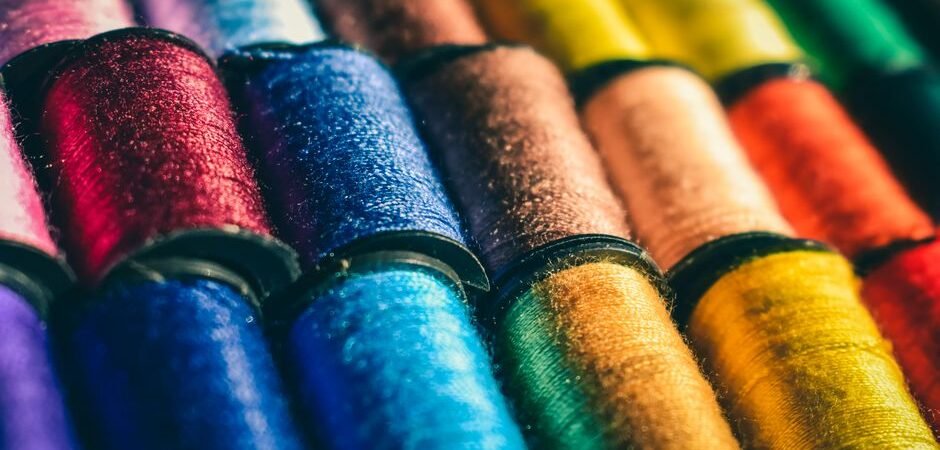
Quick answer: A Floriani embroidery thread chart is a reference that lists the brand’s machine embroidery thread colors by number, usually grouped into color families, so you can find, match, and reorder shades. Printed and on-screen charts are only a guide, so many embroiderers confirm the current chart with the official source and compare real spools or a stitched color card before committing.
If you do much machine embroidery, sooner or later you’ll find yourself staring at a thread chart, trying to match a color in a design file to a spool on your shelf. A Floriani embroidery thread chart is one of the tools many embroiderers rely on for this, since it organizes the brand’s colors in a way that makes finding and reordering shades much easier.
This guide covers what Floriani embroidery thread is and how to read its thread chart. We’ll talk about matching Floriani colors to other thread brands, choosing thread weight and type for your project, and organizing a growing thread collection. We’ll also cover something most chart guides skip, which is how to build your own stitched color card for truly accurate matching. Finally, we’ll share tips for using a chart accurately. At Bee’s Quilt Shop, our embroidery services meant we handled a lot of thread, and color matching was a daily task. If you’d like a quick color-by-color companion, our earlier Floriani embroidery thread color chart article is a useful starting point.
What Floriani Embroidery Thread Is
Floriani is a brand of machine embroidery products, including thread, stabilizers, and accessories, commonly sold through sewing machine dealers and quilt shops. Its embroidery thread is best known in polyester, which is valued for strength, colorfastness, and a bright sheen, and the brand has also offered other thread types over the years.
Machine embroidery thread differs from hand embroidery floss. It’s wound on spools or cones, designed to run smoothly through an embroidery machine at high speed, and made in a consistent weight so designs stitch out evenly. Polyester embroidery thread is often chosen for items that will be washed frequently, such as towels, clothing, and children’s items, since it tends to hold up well to laundering and bleach-based cleaners.
Like many thread brands, Floriani offers a large color range so embroiderers can match designs closely. Preferences vary, and many embroiderers use several brands depending on availability, project needs, and personal experience. This guide focuses on using the brand’s thread chart well rather than recommending one brand over another, since the best thread is the one that suits your machine and your project.
How to Read a Floriani Embroidery Thread Chart
A Floriani embroidery thread chart lists the brand’s thread colors, each with a color number and often a color name. Colors are usually grouped into families, such as reds, oranges, yellows, greens, blues, purples, browns, grays, and neutrals. Within each family, shades are typically arranged from light to dark, which makes it easy to scan for a close match.
The color number is the key piece of information. It’s what you’ll use to reorder a shade, match a design’s thread list, or cross-reference with another brand. Many design files list thread colors by number for specific brands, so knowing how to find a number on the chart saves time.
Some charts also note sheen or finish types, such as standard, matte, metallic, or variegated threads, which can look different from standard colors. Charts come in printed form, as downloadable files, and as real thread cards with wound samples. Because chart contents and numbering can change as colors are added or discontinued, it’s wise to confirm you’re using the current chart from the official source.
Matching Floriani Colors to Other Thread Brands
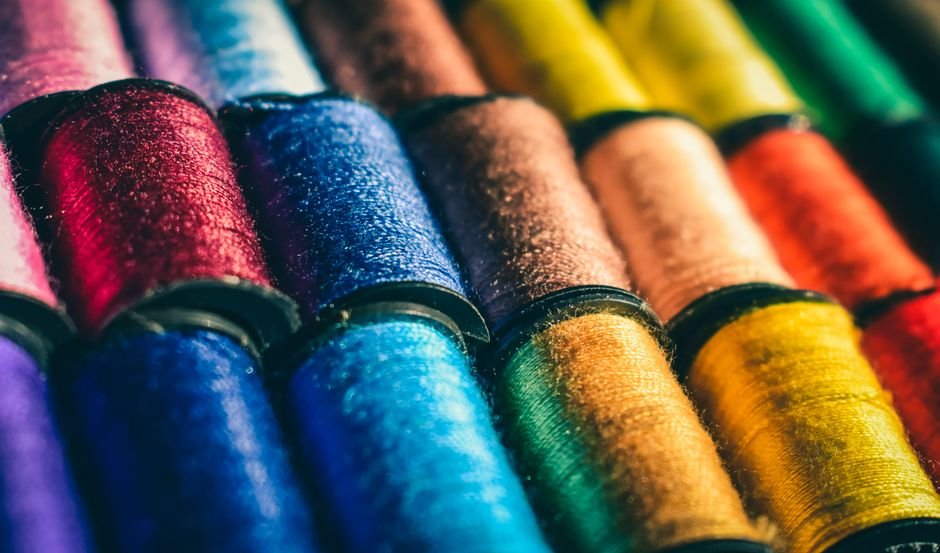
Matching Floriani colors to other thread brands is a common need. Maybe a design file lists a different brand, or you’re filling a gap in your collection. The general approach is to use a cross-reference chart, which lists equivalent or close colors between brands by number.
Cross-reference charts are helpful, but they’re approximations. Different brands use different dyes and fibers, so a listed match may look slightly different in person. Sheen also affects how color appears. A polyester thread can look brighter than a rayon in the same nominal shade.
The best way to confirm a match is to compare real thread. Hold spools side by side in natural daylight, or stitch a small test on scrap fabric to see how the colors look together. Remember that colors on a computer screen or phone vary depending on device settings, so a digital chart is only a starting point. Testing on a scrap of the actual fabric you’re using is especially helpful, since the background color affects how thread appears.
Choosing Thread Weight and Type for Your Project
Thread weight is described with a number, and the most common machine embroidery weight is often listed as 40 weight. Lower numbers indicate thicker threads, and higher numbers indicate finer threads. A finer thread, such as 60 weight, is useful for small lettering and fine detail, while heavier threads give bolder coverage.
Polyester and rayon are the two most common types of embroidery thread. Polyester is valued for strength and colorfastness and holds up well to frequent washing and bleach. Rayon has a beautiful, soft sheen and is popular for decorative items, though it may be less durable with harsh laundering. Preferences vary by project and embroiderer.
Specialty threads, such as metallics, glow-in-the-dark, and variegated threads, add extra effects but may need slower stitching speeds, a specific needle, or a thread stand. Check your design’s recommendations, since many designs are digitized with a particular thread weight in mind. Using a much thicker or thinner thread than intended can affect coverage and stitch quality, so matching the recommended weight is usually a good starting point.
Organizing and Storing Your Thread Collection
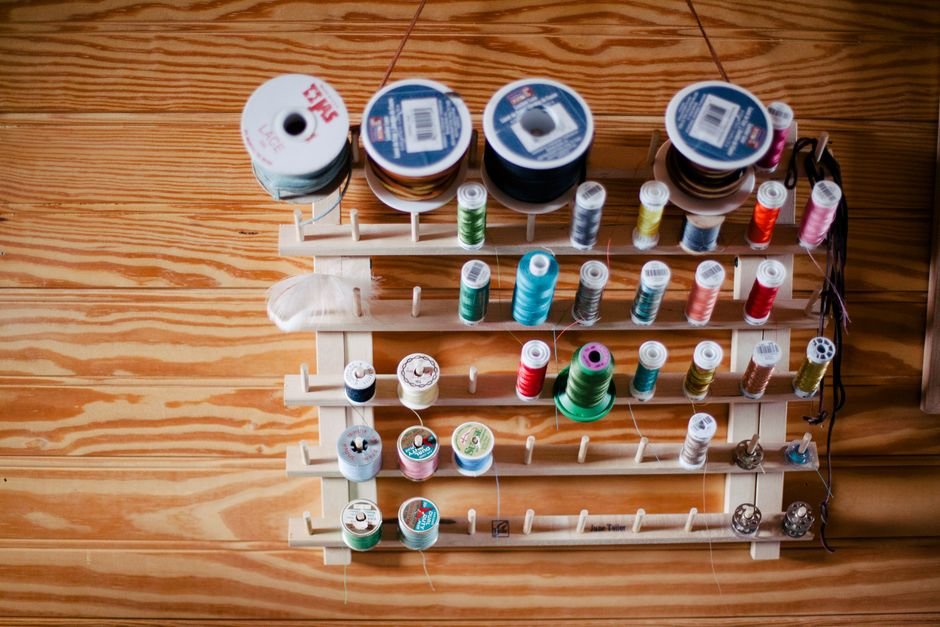
As your thread collection grows, organization becomes essential. Many embroiderers store spools on wall-mounted or tabletop racks, arranged by color family and then light to dark. This mirrors the layout of most thread charts and makes it easy to spot gaps and find what you need.
Drawer organizers and clear boxes with spool pegs keep thread protected from dust and sunlight. Sunlight can fade thread over time, so storing thread in a closed container or away from windows helps preserve color. Keep thread away from heat and humidity as well, since extreme conditions can affect fiber quality.
Labeling is another helpful habit. Many embroiderers keep spools labeled with color numbers facing outward, so they can find shades quickly. Some keep a simple inventory, either on paper or in a spreadsheet, listing the numbers they own. This prevents buying duplicates and makes it easy to check whether you have the colors for a new design. A tidy collection saves time and makes embroidery sessions more enjoyable.
Building a Personal Stitched Color Card
A stitched color card is one of the most useful tools you can make for yourself, and it fills a gap that printed charts can’t. A printed or digital Floriani embroidery thread chart shows colors as ink or pixels, but thread looks different once it’s stitched, with sheen, texture, and light all changing how it appears.
To make a stitched color card, choose a piece of fabric similar to what you usually embroider. Stitch a small block or shape with each thread color you own, and label each block with the color number using a fabric pen or a stitched number. Some embroiderers create a simple design file with a grid of small squares to make this easier.
Over time, you’ll have a reference that shows exactly how each thread looks when stitched. This is especially helpful for matching colors to fabric, choosing coordinating shades, and comparing similar colors. You can add to the card each time you buy new thread. Many embroiderers find a stitched color card becomes their most-used reference.
Tips for Using a Floriani Embroidery Thread Chart Accurately
Using a Floriani embroidery thread chart accurately comes down to a few habits. First, remember that screen colors vary. Monitors, phones, and tablets all display color differently, and brightness settings change how colors look. Use digital charts for numbers, but confirm colors in person when possible.
Printed charts can also differ from real thread, since printing inks can’t perfectly reproduce thread colors. Real thread cards with wound samples are more accurate, and a stitched color card is even better.
Dye lots can vary slightly between batches of the same color. If you’re stitching a large project, buying enough of one color at once can help keep things consistent. Lighting matters too, so compare colors in natural daylight rather than under warm or dim lamps. Finally, confirm you’re using the current chart from the official source, since colors can be added or retired. For more on choosing and comparing shades, our Floriani embroidery thread color chart guide is a helpful companion.
Bee’s Quilt Shop is here to help you stitch with confidence. Explore our Embroidery and Monogramming guides, browse the Embroidery Thread collection for color ideas, and read our guide to embroidery thread for more on fibers and weights.
Frequently Asked Questions
How do I read a Floriani thread chart?
Find the color family you need, then scan from light to dark for the closest shade and note its color number. Use that number to reorder or match the thread in your design.
Can I match Floriani thread to other brands?
Yes, cross-reference charts list close equivalents between brands. Because dyes and fibers differ, it’s best to compare real spools or stitch a test before committing.
What weight is standard machine embroidery thread?
Many designs are digitized for 40 weight thread, which is a common standard. Finer threads like 60 weight are used for small lettering and detail.
Why does thread look different on screen?
Screens display color differently depending on device and settings, so digital charts are approximate. Bee’s Quilt Shop always recommended checking real thread in daylight before choosing.
What is a stitched color card?
It’s a fabric sample with a small stitched block of each thread color you own, labeled with its number. It shows exactly how each thread looks when stitched, which makes matching much easier.
This article is intended for general educational and informational purposes only and is not affiliated with or endorsed by any thread manufacturer. Chart contents, colors, and products may change, so confirm current details with the official source, and results vary by skill level, fabric, and equipment. Bee’s Quilt Shop shares this guide as part of our ongoing library of quilting, sewing, and embroidery resources.