Quick answer: Embroidery thread comes in several fiber types, including cotton, rayon, polyester, and metallic, each suited to different projects and finishes. Thread weight numbers work in reverse of what most people expect, a lower number means a thicker thread, and matching weight and fiber to your project, whether hand embroidery, machine work, or monogramming, makes the biggest difference in how a finished piece turns out.
Embroidery thread is the material that turns a plain stitch into a finished design, and picking the right one shapes how a project looks and holds up over time. Whether you’re threading a hand needle for the first time or loading a machine for monogramming, understanding the differences between thread types, weights, and fibers makes the whole process less confusing. At Bee’s Quilt Shop, we’ve spent years helping quilters and sewists sort through thread options, and the short version is that there’s no single “correct” embroidery thread, just the right one for a given project, machine, and finish you’re after. This guide walks through the main types of embroidery thread, what those confusing weight numbers actually mean, and how to match thread to your specific project so you’re not guessing at the notions wall.
The Main Types Of Embroidery Thread
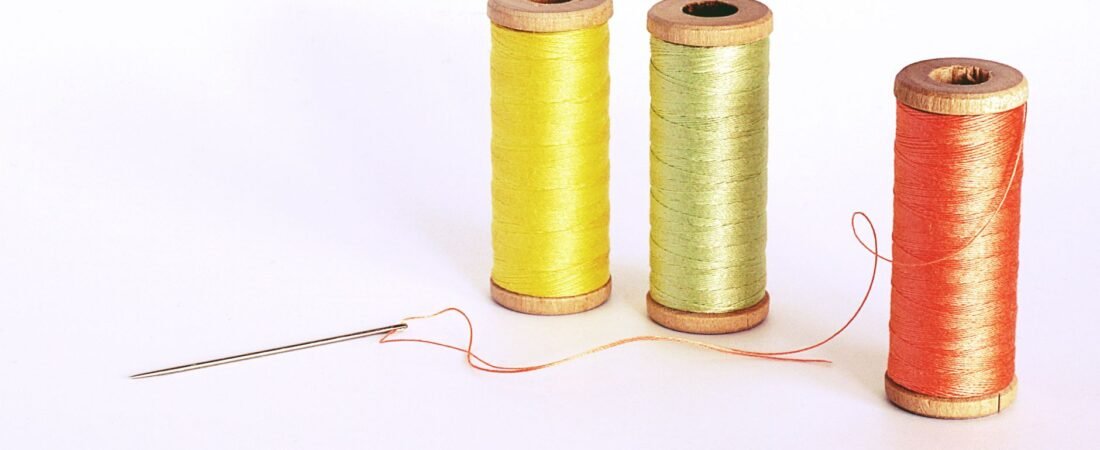
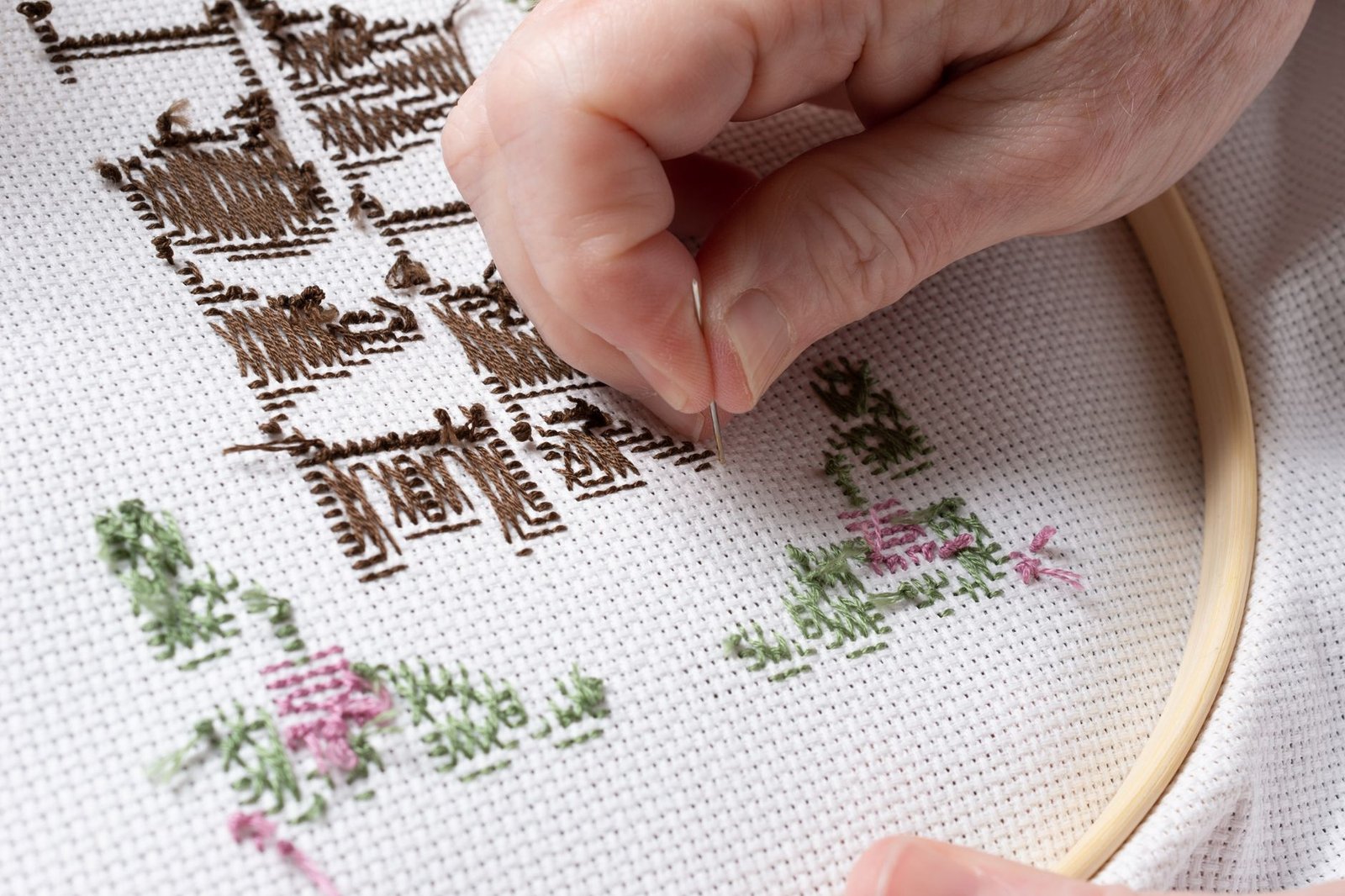
Cotton embroidery thread is probably the most familiar option for hand embroiderers, prized for its soft, matte finish and the fact that it takes dye beautifully, which is why so many six-strand hand embroidery flosses are cotton. It has a gentle sheen rather than a shine, and it tends to be forgiving to work with since it doesn’t slip around in the needle the way some synthetic threads can. Rayon thread, on the other hand, is the classic choice for machine embroidery because of its high sheen and smooth finish, giving monograms and decorative stitching that glossy, almost silky look that many sewists associate with finished embroidery work. Polyester thread has become increasingly popular alongside rayon for machine work since it holds up to washing and sunlight better over time, with a similar shine but generally a bit more resistance to fading and fraying. Metallic thread adds sparkle and dimension for holiday projects, special occasion pieces, or accent stitching, though it behaves differently than the others, it’s more prone to breaking or shredding if tension isn’t adjusted, and many sewists find it needs a slower stitching speed and sometimes a specialty needle to run smoothly. Each of these fibers has genuine trade-offs rather than one being universally better, cotton for soft matte hand work, rayon and polyester for machine sheen and durability, and metallic for occasional decorative accents where a little extra care is worth the payoff.
Weight And Ply: What The Numbers Mean
Thread weight numbers can feel like a secret code at first, but the system is fairly logical once it clicks. In most embroidery thread numbering, a lower number means a thicker thread and a higher number means a finer one, so a 12 weight thread is noticeably heavier and bolder than a 40 weight thread, which is a common standard for machine embroidery. That relationship trips up a lot of beginners because it runs backward from how we normally think about size, bigger number does not mean bigger thread here. Weight affects stitch coverage directly, a heavier thread fills in a design with fewer passes and gives bold, visible texture, while a finer thread creates smoother, more detailed coverage that suits intricate designs with small lettering or fine linework. Machine tension also responds to thread weight, a heavier thread run through a machine set up for fine thread can cause skipped stitches, thread breaks, or visible looping on the underside, so it’s worth adjusting tension settings or at least test stitching on scrap fabric whenever you switch weights. Ply, meaning how many individual strands are twisted together to form the thread, plays a similar role alongside weight, and six-strand cotton floss is a good example since it’s designed to be separated into fewer strands for finer detail work or used as a full six strands for bold coverage.
Matching Thread To Your Project
Matching thread to your specific project starts with figuring out whether you’re doing hand embroidery, machine embroidery, or monogramming, since each has different expectations. Hand embroidery gives you the most flexibility, six-strand cotton floss dominates here because it can be separated to whatever thickness a stitch calls for, and its matte finish suits the traditional, textured look most hand embroiderers are going for. Machine embroidery is a bit less forgiving about thread choice since the machine is running thread through tension discs and a needle at high speed, so 40 weight rayon or polyester is the standard workhorse for most designs, chosen specifically because it’s engineered to run smoothly without breaking. Monogramming, whether by hand or machine, often benefits from a slightly heavier or higher-sheen thread since the goal is usually a crisp, visible finish on garments, towels, or linens, and many sewists lean toward rayon or a heavier weight cotton specifically for that polished look. It’s worth remembering that these aren’t hard rules, plenty of quilters use cotton thread in machine embroidery for a softer look, and the “right” choice really does come down to the finish you want and the equipment you’re running it through.
Thread Storage And Organization
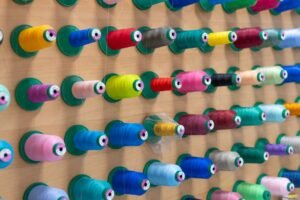
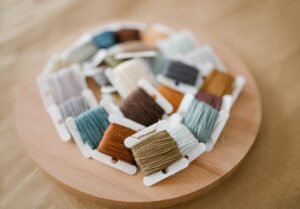
Keeping thread organized is one of those unglamorous parts of embroidery that makes a real difference over time, especially once a stash grows past a dozen or so colors. Bobbins, whether purpose-made plastic ones or repurposed cardboard, keep floss from tangling into a knotted mess and make it easy to see how much of a color is left at a glance. Thread racks and pegboards work well for machine embroidery spools, keeping them upright and dust-free while making colors easy to spot by sight rather than digging through a drawer. For hand embroiderers working with floss, labeling each bobbin with the color number as you wind it saves real frustration later when you need to match or restock a specific shade, since color names alone are rarely enough to find the exact one again. Storage bins with small compartments, the kind often sold for fishing tackle or beads, do double duty nicely for keeping wound bobbins sorted by color family, so a project’s palette is easy to gather in one place before you start stitching.
Common Thread Problems And Fixes
Even careful stitchers run into thread problems occasionally, and most of them trace back to a handful of common causes. Fraying usually points to a rough spot on the needle eye, a burr on the machine’s tension disc, or thread that’s simply been sitting in direct sunlight too long and has become brittle, and swapping to a fresh needle or a different spool often solves it immediately. Breaking during machine stitching is frequently a tension issue, too much tension pulling against a thread that isn’t rated for the speed or weight the machine is running, and slowing the machine down or backing off the top tension setting by a small increment is usually the first thing worth trying. Color bleeding, where dye transfers from thread onto fabric during washing, is more common with certain reds and dark colors, particularly with less expensive threads, and pre-testing a scrap of thread against a damp white fabric swatch before starting a big project can catch a problem before it ruins finished work. Many quilters find that sticking with reputable thread brands cuts down on bleeding issues significantly, though it’s never guaranteed with any thread regardless of price point, so testing remains the safest habit.
Budget Vs Premium Thread: Is It Worth The Upgrade
The budget versus premium thread question comes up constantly, and honestly, the answer depends more on the project than most people expect. Budget thread can work perfectly well for practice pieces, kids’ projects, or anything that won’t see heavy wear or repeated washing, and there’s no need to reach for the priciest spool on the shelf for a one-off craft project. Premium thread tends to show its value in projects meant to last, heirloom pieces, garments that will be washed repeatedly, or detailed machine embroidery where consistent thickness and fewer breaks genuinely save frustration mid-project. The difference often comes down to consistency, a premium thread is typically wound more evenly and tested for fewer weak spots, which matters more on a machine running thousands of stitches than on a simple hand embroidery accent. Most sewists land somewhere in the middle, using budget thread for testing out a new pattern or technique, then switching to a trusted premium brand once they’re ready to commit to the final piece, treating the upgrade as project-specific rather than an across-the-board rule.
Ready to stock up on the right embroidery thread for your next project? Browse our Fabric Guides here at Bee’s Quilt Shop for more notions and thread advice, and explore our embroidery hoops and floss guides to round out your supply list. Explore more Embroidery & Monogramming guides on the blog, or browse our Embroidery Thread collection to see what is currently available.
Frequently Asked Questions
What is the best thread for hand embroidery?
Cotton floss is the most common choice for hand embroidery since it separates easily into strands and has a soft, matte finish that suits traditional stitching. That said, many stitchers also reach for perle cotton or even rayon for a bit more sheen, so the best choice really depends on the look you’re going for.
Can I use regular sewing thread for embroidery?
Regular all-purpose sewing thread technically works for very simple hand stitching, but it lacks the thickness and sheen that dedicated embroidery thread provides, so most designs won’t look quite right with it. For machine embroidery specifically, sticking with thread rated for that purpose helps avoid tension problems and skipped stitches.
Why does my embroidery thread keep breaking on my machine?
Breaking thread on a machine is usually a tension issue, often too much tension for the thread’s weight or the machine’s current speed setting. Slowing your stitching speed and backing off the top tension slightly is usually the first thing worth trying before assuming the thread itself is defective.
What is the difference between thread weight and ply?
Weight refers to the thread’s overall thickness, with a lower number meaning a heavier thread, while ply refers to how many individual strands are twisted together to make it. Six-strand embroidery floss is a good example of ply in action, since it is designed to be separated into fewer strands for finer work.
Is more expensive embroidery thread actually worth it?
It depends on the project, budget thread works fine for practice pieces or kids’ crafts, while premium thread tends to be wound more evenly and holds up better on projects meant to last, like heirloom pieces or anything washed repeatedly. At Bee’s Quilt Shop, we generally suggest saving the premium spools for the projects you actually plan to keep.
This article is intended for general educational and informational purposes only, based on common sewing and embroidery practices. Results vary by skill level, fabric, thread brand, and equipment, so testing on a scrap piece before starting a full project is always a good idea. Bee’s Quilt Shop shares this guide as part of our ongoing library of quilting and sewing resources.