Quick answer: Gauze fabric is a lightweight, loosely woven cotton prized for its soft, airy feel, available as sheer single gauze or the more stable, stitched-together double gauze. It works well for warm weather garments and baby items, though its loose weave takes a bit of extra care when cutting and sewing.
Gauze fabric has quietly become one of the most popular lightweight fabrics among garment sewists and quilters looking for something softer and airier than standard quilting cotton, but it also has a reputation for being a little tricky to work with the first time around. That reputation is fair, gauze does behave differently on the cutting table and under the needle than most woven cottons, but once you understand its structure, most of the challenges become predictable rather than frustrating. This guide covers what gauze fabric actually is, the difference between single and double gauze, and how to cut, sew, and care for it successfully.
What Gauze Fabric Is
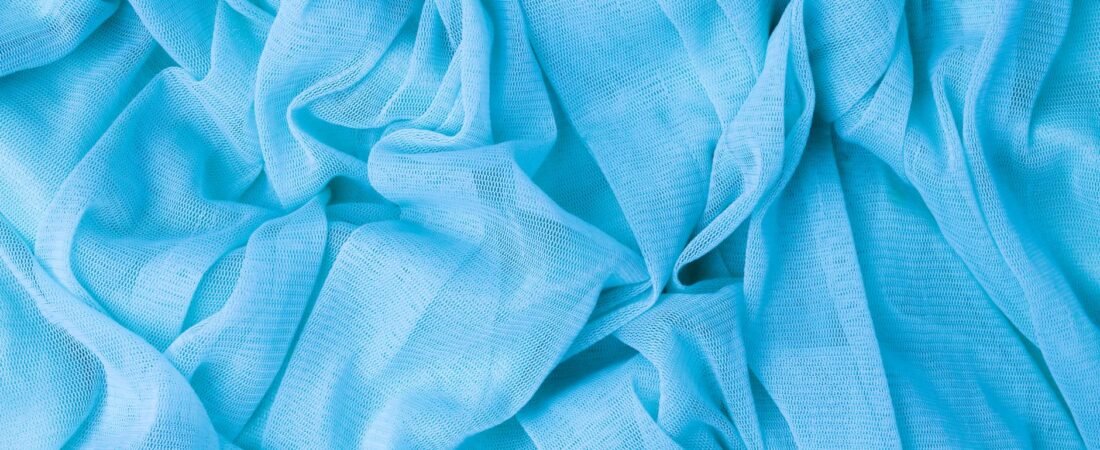
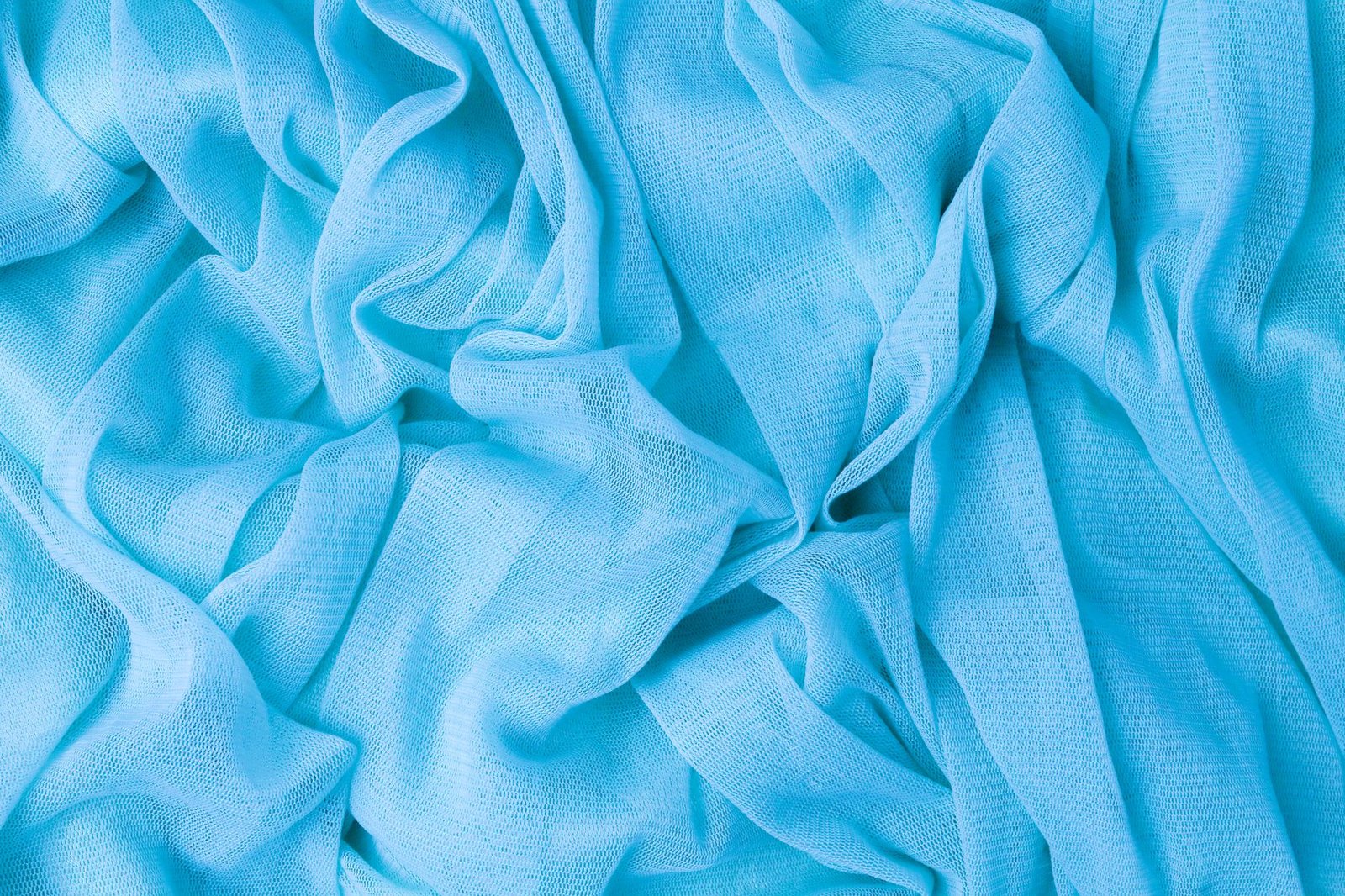
Gauze fabric is defined by its lightweight, loosely woven construction, which is what gives it that airy, slightly sheer quality that sets it apart from denser cottons right away. It’s typically made from cotton, though blends and other fiber content do exist, and the open weave allows a lot of airflow through the fabric, which is exactly why it’s so popular for warm weather garments and lightweight layers. That same open, loose weave is also what makes gauze feel so soft, almost like a well-worn cotton t-shirt, right off the bolt rather than needing years of washing to soften up the way denser cotton fabrics sometimes do. Because the weave is loose, gauze also has more give and drape than a tightly woven quilting cotton, which changes how it behaves both on the cutting table and once it’s sewn into a finished piece. Fiber content also affects how gauze performs, since a cotton gauze breathes and softens differently than a rayon or bamboo blend, and checking the fiber content on the bolt end before buying can save some guesswork later if a project depends on a specific drape or level of sheerness.
Single Gauze Vs Double Gauze
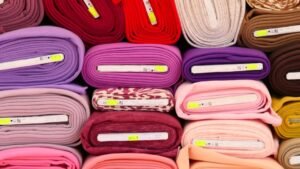
Single gauze and double gauze are the two forms most home sewists encounter, and the difference between them matters more than the names might suggest. Single gauze is exactly one layer of that loosely woven fabric, which makes it quite sheer and prone to shifting, and it’s most commonly used for scarves, lightweight linings, or layered garments where some sheerness is part of the design. Double gauze takes two layers of single gauze and stitches them together with small, widely spaced threads, creating a fabric that’s noticeably more opaque and stable while keeping that same soft, airy hand feel. Most beginners find double gauze considerably easier to work with since the extra structure reduces shifting during cutting and sewing, which is part of why it’s become the go-to choice for baby items and beginner garment patterns specifically calling for gauze. A less common triple gauze also exists, adding a third stitched layer for extra warmth and structure while still keeping most of gauze’s characteristic softness, and it’s worth checking the bolt label carefully since single, double, and triple gauze can look deceptively similar folded on a shelf despite behaving quite differently once cut and sewn. Crinkle gauze, a finish that leaves the fabric permanently textured and slightly puckered, is another variation worth knowing about, since it behaves a bit differently under the needle and is often chosen specifically for its low-maintenance, no-iron appeal in casual garments.
Best Uses For Gauze Fabric
Gauze fabric shows up in a genuinely wide range of projects once you start looking for it, and its best uses tend to play to its lightweight, breathable strengths. Garments like loose blouses, kimono-style robes, and summer dresses take full advantage of gauze’s drape and breathability, especially in warmer climates or seasons. Baby items are another common use, particularly swaddle blankets and burp cloths, since gauze’s softness and breathability suit sensitive skin well, and double gauze specifically holds up nicely to the frequent washing baby items require. Lightweight quilting projects, like a simple summer throw or a quilted gauze scarf, are less common but growing in popularity as quilters experiment with fabrics beyond standard cotton for pieces meant to feel light rather than warm. Gauze also turns up in accessories like headwraps, lightweight face coverings, and layered scarves, where its breathability and gentle drape genuinely outperform a heavier woven cotton, and its softness against skin makes it a frequent pick for reusable nursing covers and lightweight baby wraps as well.
Sewing Tips For Working With Gauze
Sewing with gauze does require a bit of extra care compared to a standard quilting cotton, mostly because of its tendency to shift and fray during cutting and stitching. Using sharp, fine pins or fabric weights instead of pins whenever possible helps keep the loosely woven fabric from shifting while you cut, and a rotary cutter with a fresh blade tends to give cleaner results than shears on this particular fabric. A walking foot or a slight reduction in presser foot pressure on your machine can help feed gauze evenly without stretching or puckering it as it moves through, and a fine, sharp needle paired with a slightly shorter stitch length helps prevent the loose weave from fraying right at the seam line. Pre-washing gauze before cutting is genuinely important here too, since it tends to shrink more than standard cotton and often needs a bit of settling before it behaves predictably under the needle. It also helps to cut gauze in a single layer rather than folded double whenever a pattern allows it, since the fabric’s tendency to shift means two layers can end up misaligned by the time you reach the far end of a long cut, throwing off pattern pieces that need to match precisely. A light starch or spray sizing before cutting can also add just enough temporary body to make gauze behave more predictably under the presser foot, which many sewists find especially helpful when tackling a more fitted garment pattern rather than a loose, forgiving shape.
Washing And Caring For Gauze Projects
Washing and caring for finished gauze projects is fairly straightforward, though it does soften noticeably with repeated washing in a way that’s part of the fabric’s appeal rather than a flaw to manage around. Machine washing in cool or warm water on a gentle cycle works well for most gauze projects, and many sewists actually prefer letting gauze go through a few wash cycles before considering a project truly finished, since the fabric keeps getting softer and more relaxed with use. Line drying or a low tumble dry setting helps avoid excess wrinkling, since gauze can wrinkle more visibly than denser cotton due to its open weave, though a lot of sewists consider that slightly rumpled texture part of gauze’s relaxed, lived-in charm rather than something that needs ironing out every time. If ironing is necessary, a low heat setting with a pressing cloth protects the loose weave from scorching or stretching under direct heat, and steaming gauze lightly rather than pressing hard tends to relax wrinkles just as effectively without flattening the soft, textured hand that makes this fabric worth choosing in the first place.
Pairing Gauze With Other Fabrics
Pairing gauze with other fabrics in a mixed project takes a little planning since its lightweight drape doesn’t always match well with heavier materials. For garments, pairing gauze with other lightweight wovens, like lawn or voile, tends to give a more consistent hand feel throughout a finished piece than combining it with something heavier like canvas or twill. In quilting or home decor projects, gauze works best as an accent or lining layer rather than the main structural fabric, since its loose weave doesn’t provide the stability that pieced quilt tops generally need. At Bee’s Quilt Shop, we often suggest treating gauze as a specialty fabric to be paired thoughtfully rather than substituted directly into a pattern written for standard quilting cotton, since the weight and drape differences really do change how a finished project turns out. A quick swatch test, sewing a small sample seam with your intended pairing before cutting into full yardage, is a simple habit that catches most mismatched-weight problems early, well before they turn into a disappointing finished garment or an unevenly draping quilt.
Ready to try sewing with gauze fabric? Explore our Fabric Types and Guides library here at Bee’s Quilt Shop for more fabric-specific advice, and browse our current fabric collection to see what’s currently available. Explore more Fabric Types & Guides guides on the blog, or browse our Fabric collection to see what is currently available.
Frequently Asked Questions
Is gauze fabric hard to sew for a beginner?
It takes a bit more care than standard quilting cotton because of its loose weave, but double gauze specifically is fairly beginner friendly since it’s more stable than single gauze. Using fabric weights instead of pins and a sharp needle helps a lot.
What’s the difference between single and double gauze?
Single gauze is one sheer layer, while double gauze is two layers of that same fabric lightly stitched together, which makes it more opaque and easier to handle. Most beginners find double gauze considerably easier to cut and sew.
Does gauze fabric shrink a lot when washed?
It can shrink more than standard cotton, which is why pre-washing before cutting is genuinely important with this fabric. Bee’s Quilt Shop always recommends washing and drying gauze the way you plan to care for the finished project before you ever cut into it.
Can I use gauze fabric for a quilt?
Gauze isn’t the most common choice for a full quilt top since its loose weave lacks the stability of standard quilting cotton, but it works nicely as an accent, lining, or lightweight throw project. Many quilters treat it as a specialty fabric rather than a direct substitute.
Why does my gauze fabric keep shifting while I cut it?
That’s a normal trait of its loosely woven structure rather than a sign you’re doing something wrong. Using fabric weights or very fine pins, along with a sharp rotary cutter, usually solves most of the shifting frustration during cutting.
This article is intended for general educational and informational purposes only, based on common sewing practices. Results vary by fabric weight, fiber content, and care routine, so testing on a scrap piece before starting a full project is always a good idea. Bee’s Quilt Shop shares this guide as part of our ongoing library of quilting and sewing resources.