Quick answer: A fabric printer applies ink directly onto fabric to reproduce a photo or custom design, most often at home using a standard inkjet printer and specially treated printable fabric sheets. Professional printing services handle larger yardage better, while home printing suits smaller projects like labels and photo quilt blocks.
A fabric printer sounds like a fairly niche piece of equipment until you realize just how many quilting and sewing projects benefit from a custom photo, design, or label printed directly onto fabric. From photo quilts featuring family memories to custom labels sewn into the back of a finished project, printed fabric has become a genuinely accessible way to personalize handmade work. This guide covers what a fabric printer actually does, how home printing compares to professional services, and how to get started even if you never plan to own a printer yourself. Whether you’re a quilter chasing a specific photo memory or a beginner just curious what all the fuss is about, understanding the basics of how printed fabric actually gets made takes a lot of the intimidation out of trying it for the first time.
What A Fabric Printer Does
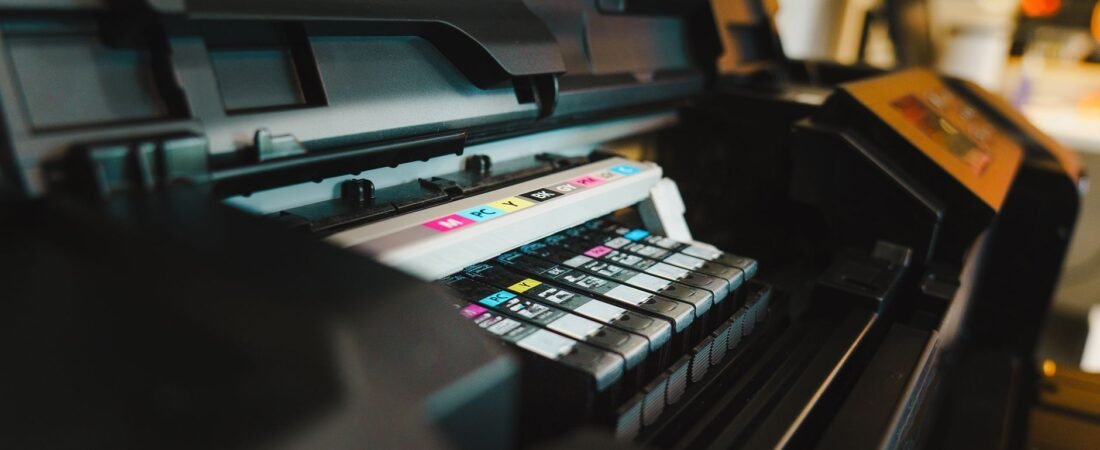
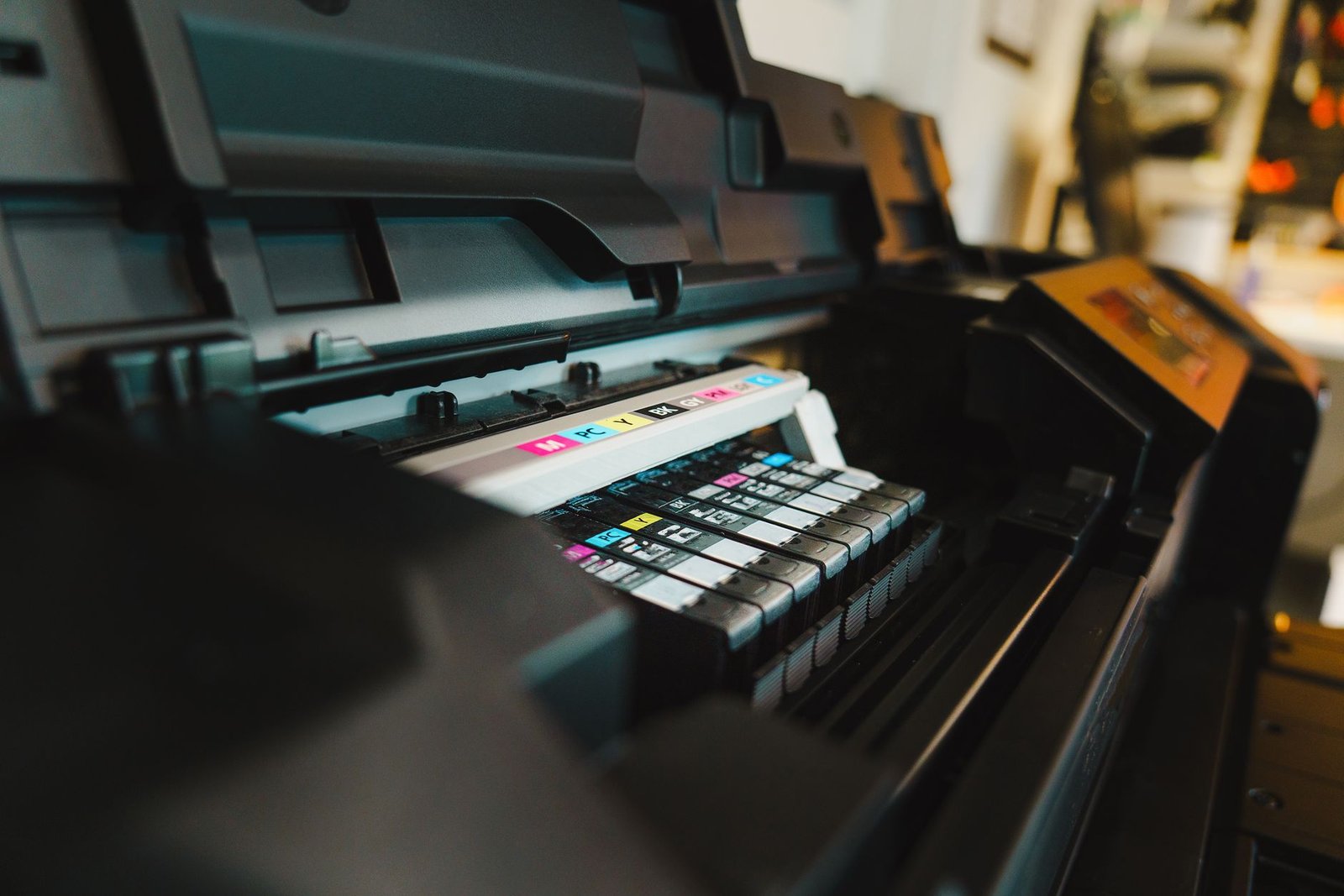
At its core, a fabric printer does exactly what it sounds like, it applies ink directly onto a piece of fabric to reproduce a photo, graphic, or custom design, similar in concept to printing on paper but adapted for a completely different material. Most home fabric printing actually uses a standard inkjet printer paired with specially treated printable fabric sheets, rather than a dedicated fabric-only machine, which is part of why this hobby has become so approachable for home sewists. The fabric sheet typically has a removable paper backing that stabilizes it as it runs through the printer, then gets peeled away once printing and setting are complete, leaving flexible printed fabric ready to cut and sew. Most printable sheets come pre-cut to a standard letter or legal size and pre-attached to their paper backing before you ever open the package, so there’s genuinely no special setup beyond loading the sheet into your printer the same way you’d load any specialty paper. There are also specialty and industrial fabric printers built specifically for textile printing, but those are generally used by professional services and small businesses rather than home hobbyists working on individual projects. These larger dye-sublimation and direct-to-fabric machines can print continuous yardage at production speeds that a home inkjet printer simply isn’t built for, which is exactly why they stay in the domain of commercial printing rather than showing up in a typical sewing room.
Home Fabric Printers Vs Professional Printing Services
Deciding between printing fabric at home versus using a professional printing service comes down to volume, control, and how much setup you’re willing to take on. Home printing using an inkjet printer and treated fabric sheets gives you full control over timing and design, and it’s genuinely convenient for smaller projects like a single quilt label or a handful of photo squares, since you can print exactly what you need whenever inspiration strikes. Professional fabric printing services, which upload your design and print onto larger yardage using specialized equipment, tend to produce more consistent, larger scale results and are often the better choice for projects needing a full yard or more of a custom continuous design, like an entire quilt panel or repeat pattern. Many hobbyists start with a home printer for smaller experiments and specific labels or accent pieces, then turn to a professional service once a project calls for something bigger than a standard printable fabric sheet can comfortably handle. Cost is worth weighing too, since home printing has a higher per-sheet cost for small quantities but no minimum order, while professional services often require a minimum yardage that only makes financial sense once a project’s scale justifies it. Turnaround time is another practical factor, since a home print can be finished within minutes, while a professional service typically takes days to weeks depending on their current order volume, which matters if you’re working toward a gift deadline.
Fabric Sheets And Pretreatment Basics
Printable fabric sheets and the pretreatment process behind them matter more than a lot of first-time users expect, since skipping steps here is the most common reason a printed fabric project doesn’t turn out well. Most printable fabric sheets sold for home inkjet printers already come pretreated to help ink bond properly with the fibers, which is why buying sheets specifically labeled for inkjet fabric printing matters rather than trying to run untreated fabric through a home printer. After printing, most fabric sheets require a heat-setting step, commonly ironing on a specific setting or letting the print air dry for a set period, to help lock the ink into the fibers before the fabric gets washed or handled extensively. Skipping or rushing this setting step is one of the most common reasons colors end up looking dull or start washing out too quickly, so following the specific sheet manufacturer’s instructions closely really does make a difference in how the finished print holds up over time. It’s also worth running a quick test print on a scrap sheet before committing a full design to fabric, since printer settings like color saturation and paper type selection can shift how accurately the final colors match what appeared on screen.
Best Uses For Printed Fabric In Sewing And Quilting
Printed fabric shows up in a genuinely wide range of sewing and quilting projects once you start looking for ways to use it. Photo quilts, sometimes built entirely around a collection of printed photo blocks, are one of the most popular uses, turning family pictures into a lasting, tactile keepsake rather than something that just sits in a digital folder. Custom labels, meaning a small printed tag sewn into the back or corner of a finished quilt or garment with the maker’s name, date, or a short message, are another common and genuinely meaningful use that a lot of quilters incorporate into every finished piece. Custom panels, whether for a specific quilt block, a personalized tote bag, or a one-of-a-kind gift, round out the most common applications, letting sewists incorporate genuinely unique designs that aren’t available on any commercially printed fabric. Printed fabric also shows up in memory projects like memorial quilts pieced from a loved one’s clothing photos, or reunion and event quilts that combine printed group photos with pieced blocks, giving these sentimental projects a personal quality that store-bought prints simply can’t replicate.
Caring For Printed Fabric After Washing
Caring for printed fabric after washing takes a bit more attention than caring for standard commercially printed quilting cotton, mostly because home-printed ink doesn’t always bond quite as permanently as fabric that’s been professionally dyed or printed at a manufacturing scale. Washing printed pieces in cool water on a gentle cycle, and turning them inside out before washing, generally helps preserve print quality longer than a standard wash routine would. Air drying or using a low heat setting also tends to be gentler on printed ink than high heat, which can accelerate fading or cracking on a printed design over repeated washes. Many quilters treat printed fabric pieces, especially treasured photo quilts, a bit more gently than the rest of a project’s fabric, hand washing occasionally or spot cleaning when possible rather than putting the whole piece through a standard wash cycle every time. Keeping a printed quilt out of direct sunlight during regular use and storage also helps, since UV exposure can fade home-printed ink noticeably faster than it fades commercially dyed fabric over the same span of time.
Getting Started Without Owning A Printer
If owning a fabric printer isn’t something you’re ready to commit to, getting started with printed fabric is still entirely accessible through a few alternative routes. Many local print shops and specialty online services offer custom fabric printing where you simply upload a photo or design and receive finished printed fabric by mail, without needing to buy or maintain any equipment yourself. Printable fabric sheets can also be run through a standard home inkjet printer you likely already own, without needing a dedicated fabric printer at all, making small projects like a single label or a handful of photo blocks accessible with minimal upfront investment. At Bee’s Quilt Shop, we generally suggest trying a small test project through one of these accessible routes before deciding whether investing in dedicated equipment makes sense for how often you’d actually use it.
Ready to try a printed fabric project? Explore our Fabric Types and Guides library here at Bee’s Quilt Shop for more fabric-specific advice, and browse our current fabric collection to see what’s currently available. Explore more Fabric Types & Guides guides on the blog, or browse our Fabric collection to see what is currently available.
Frequently Asked Questions
Do I need a special fabric printer to print on fabric at home?
No, most home fabric printing actually uses a standard inkjet printer paired with specially treated printable fabric sheets rather than a dedicated fabric-only machine. This makes it accessible for most home sewists without extra equipment.
Why does my printed fabric fade after washing?
This usually comes down to skipping or rushing the heat-setting step after printing, which helps lock ink into the fibers. Washing in cool water on a gentle cycle also helps preserve print quality longer.
Can I print fabric without owning a printer?
Yes, many local print shops and online services offer custom fabric printing where you upload a design and receive finished fabric by mail. Bee’s Quilt Shop often suggests trying this route first for a small test project before investing in equipment.
What’s the best use for a fabric printer as a beginner?
Custom quilt labels and small photo blocks are great starting projects since they only require a single printable fabric sheet and don’t demand large, continuous yardage. These smaller projects are a low-risk way to learn the process.
How much fabric can I print at home versus through a professional service?
Home printing is generally limited to individual sheets sized for a standard inkjet printer, while professional services can print continuous yardage or larger repeat designs. For anything beyond a single sheet’s worth, a professional service usually makes more sense.
This article is intended for general educational and informational purposes only, based on common home printing practices. Results vary by printer, ink, fabric sheet brand, and care routine, so testing a small sample before committing to a full project is always a good idea. Bee’s Quilt Shop shares this guide as part of our ongoing library of quilting and sewing resources.