Quick answer: The best steam iron for sewing and quilting offers adjustable steam output, precise temperature control, and a smooth-gliding soleplate to handle repeated pressing sessions well. Standard steam irons suit most home sewists, while steam generator irons appeal more to those doing frequent, extended pressing on heavier fabrics.
Finding the best steam iron for sewing and quilting is a slightly different search than shopping for one to press dress shirts, since the demands of pressing dozens of seams during a piecing session are genuinely different from the occasional pass over laundry. Steam plays a specific, sometimes tricky role in sewing rooms, useful for certain tasks and best avoided for others, so understanding what actually makes a steam iron good for this kind of work helps you buy smarter and press better. There’s no single model that earns the label of best steam iron across every sewing room, since the ideal choice really depends on the fabrics you press most often and how much steam power your typical projects genuinely call for. This guide covers what to look for in a steam iron, key features worth understanding, and how to get crisp, accurate results when pressing seams.
What Makes A Steam Iron Good For Sewing And Quilting
A steam iron suited to sewing and quilting generally needs a few specific qualities that matter more here than in general household use. Steam output, meaning how much steam the iron can generate and how consistently, affects how effectively it can relax stubborn wrinkles or help set a crisp seam, and irons with adjustable steam settings give you more control across different fabric weights than a single fixed output. Temperature control matters just as much, since quilting cotton, linen, and synthetic blends all have different ideal pressing temperatures, so an iron with reliable, precise temperature dialing rather than vague low-medium-high settings tends to perform more consistently. Soleplate glide is the third key quality, a smooth, well-designed soleplate moves easily across fabric without snagging or dragging, which matters a lot when you’re pressing dozens of seams in a single sitting and want the process to feel effortless rather than like a workout. Soleplate size and shape also affect precision, with a pointed tip that tapers narrower making it easier to press into corners and small seam allowances than a blunter, more rounded shape designed mainly for large flat garment panels.
Vertical Steam And Burst Features
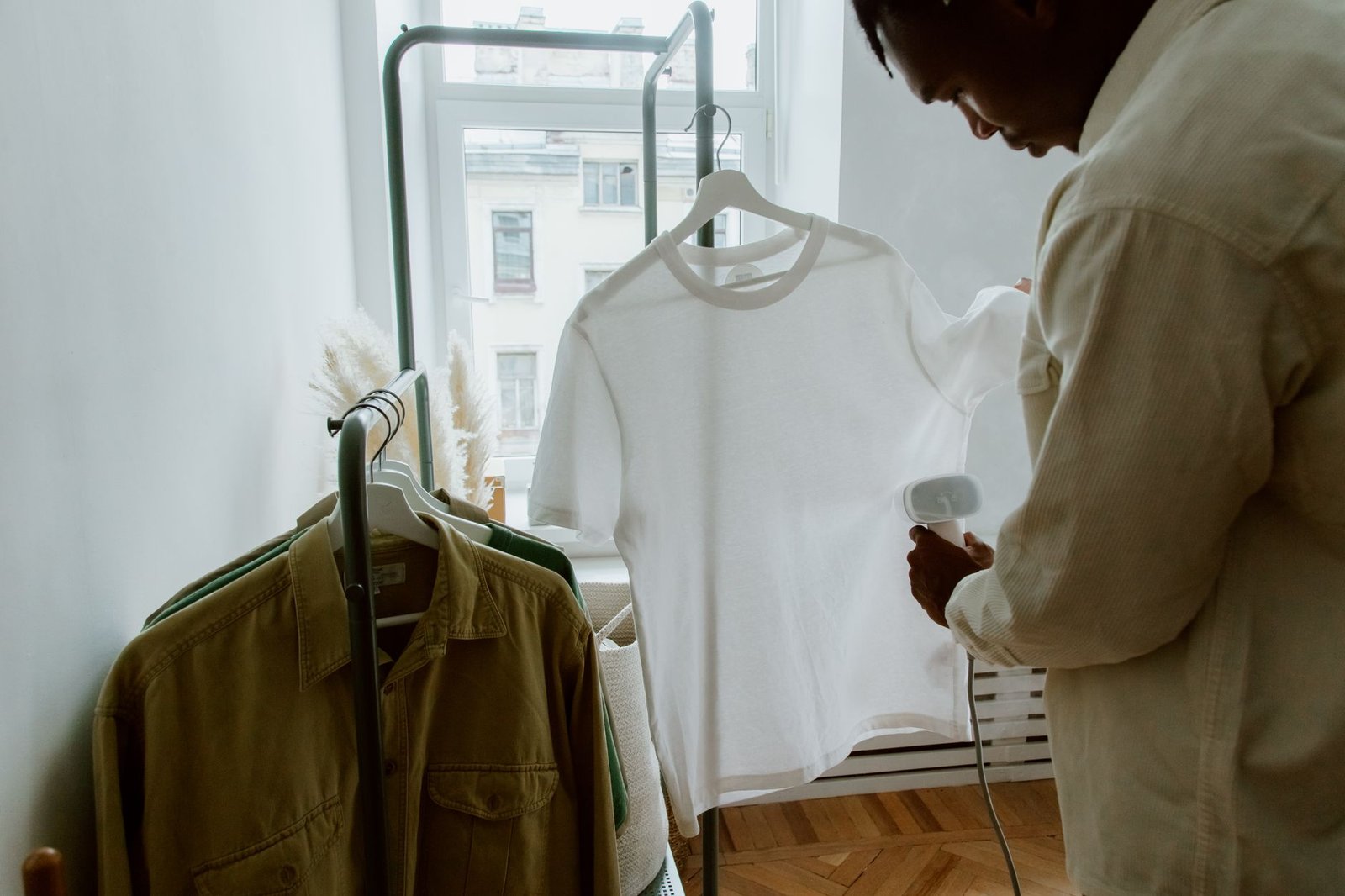
Vertical steam and burst features go beyond a standard iron’s basic steam function and are genuinely useful for certain sewing and quilting tasks specifically. A burst of steam feature releases a concentrated, stronger puff of steam on demand, which helps tackle a particularly stubborn wrinkle or crease without needing to hold the iron in place for an extended period, saving time on tricky spots. Vertical steaming, which lets you steam fabric while holding the iron upright rather than flat against a surface, is especially useful for garment sewing, letting you touch up a hanging garment or steam out wrinkles in fabric that’s draped rather than laid flat on a board. Not every project needs these extra features, but for anyone doing a mix of garment construction and quilting, having both available genuinely expands what a single iron can handle well. Testing these features on a scrap of your typical fabric before committing to a full project is worth the extra couple of minutes, since specs on a box don’t always translate to how a burst or vertical steam feature actually feels in hand.
Steam Iron Vs Steam Generator Iron
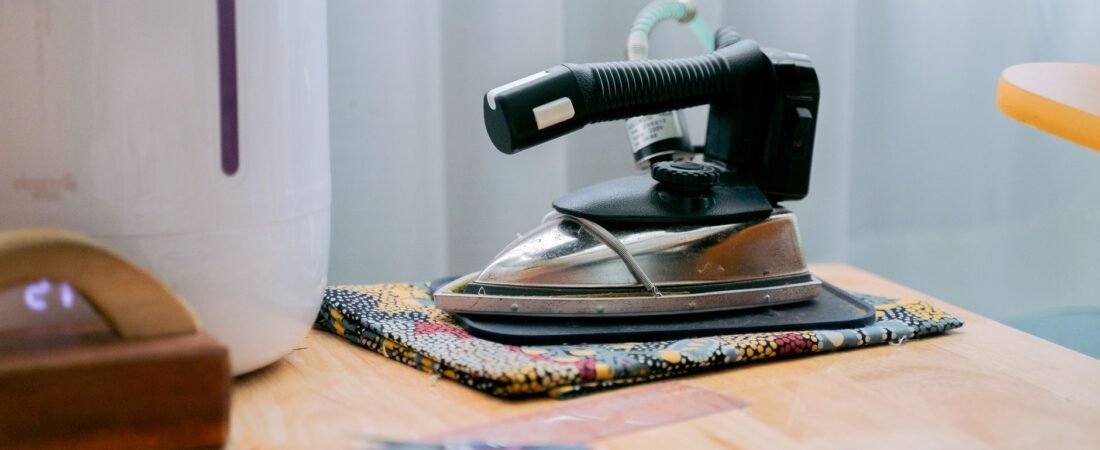
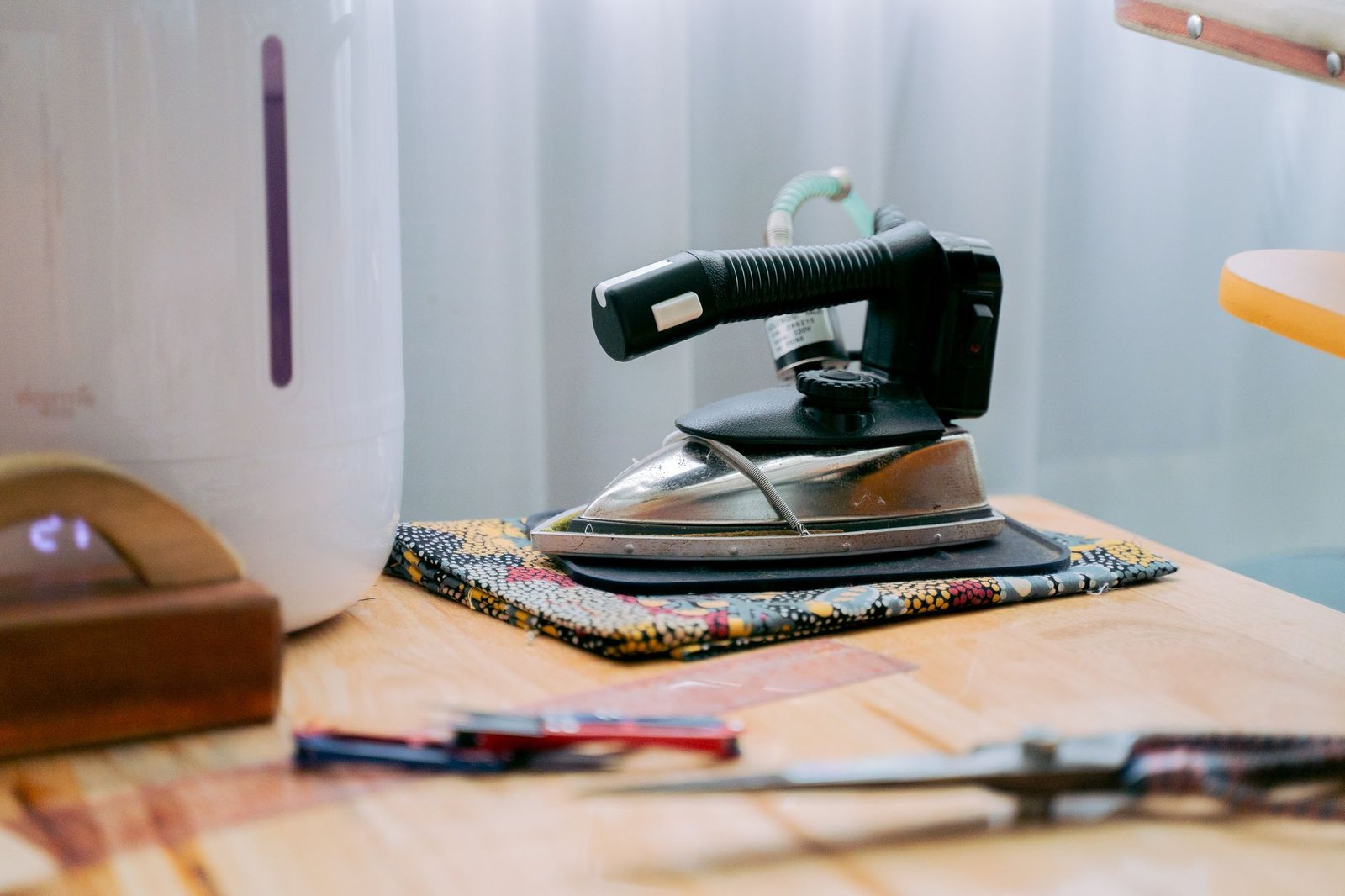
Steam irons and steam generator irons represent two different categories worth understanding before you shop, since they serve somewhat different needs despite both producing steam. A standard steam iron holds its water reservoir directly in the iron itself, heating water internally to produce steam, which keeps the unit compact and lets you start pressing almost immediately after plugging in. A steam generator iron uses a separate, larger water tank connected to the iron by a hose, heating water in that external unit and pumping a continuous, often more powerful stream of steam to the iron head, which tends to produce more consistent steam output for extended pressing sessions but comes at a higher price point and takes up more counter space. For most home quilters and sewists, a quality standard steam iron covers typical needs well, while a steam generator iron tends to appeal more to those doing frequent, extended pressing sessions or working with heavier fabrics regularly. Countertop space and storage are worth factoring into that decision too, since a steam generator’s separate tank and hose setup takes up noticeably more room than a standard iron that simply gets tucked away between projects.
Water Type And Maintenance Considerations
Water type and maintenance considerations affect both how well a steam iron performs and how long it lasts, and this is an area where a little attention goes a long way. Using distilled water rather than tap water is widely recommended for any steam iron, since tap water contains minerals that build up inside the iron’s internal components over time and can eventually clog steam vents or cause sputtering. Emptying the water reservoir after each use, rather than leaving water sitting inside between sessions, also helps prevent mineral deposits and potential leaking. Many irons include a self-cleaning or descaling function specifically to flush out mineral buildup periodically, and running that function according to the manufacturer’s recommended schedule genuinely extends the life and performance of the iron over years of regular use. Checking the reservoir for any lingering water before long-term storage, especially heading into a season where the iron might sit unused for a while, also helps prevent mineral spots and internal corrosion from developing quietly in the meantime.
Safety Features Worth Looking For
Safety features worth looking for in a steam iron matter for peace of mind during long pressing sessions, especially since irons stay hot and get set down and picked back up repeatedly throughout a project. Auto shutoff, which turns the iron off automatically after a period of inactivity, whether left flat or upright, reduces the risk of an iron being accidentally left on and unattended, a genuinely useful feature for anyone who gets absorbed in a project and loses track of time. Cord management features, like a swivel cord that reduces tangling and keeps the cord out of the way while maneuvering the iron, make the whole pressing process feel smoother and reduce the chance of accidentally catching a cord on fabric or knocking something over. As with any hot appliance, following standard common-sense handling, keeping it away from small children and pets, and never leaving it unattended while hot, remains the most important safety practice regardless of which specific features a given iron includes. A heat-resistant landing pad or silicone trivet placed nearby also adds a bit of extra protection for whatever surface the iron rests on between passes, especially on a shared table where other fabric and supplies tend to sit close by, keeping stray heat well away from anything that could scorch or melt if accidentally brushed.
Getting The Best Results When Pressing Seams
Getting the best results when pressing seams comes down to technique just as much as the iron itself, and a few habits make a noticeable difference in how crisp and flat your finished piecing looks. Pressing rather than ironing, meaning lifting and lowering the iron onto a seam rather than sliding it back and forth, helps prevent distortion, especially on bias edges or loosely pieced blocks. Pressing seams consistently in one direction as you build a block, rather than pressing everything open at the very end, tends to produce flatter, more accurately aligned seams when blocks come together. Using a pressing cloth or lowering steam output on delicate or dark fabrics can also prevent shine or water spotting, a small precaution that many quilters at Bee’s Quilt Shop find pays off especially on finished projects meant to last. Ultimately, the best steam iron is the one that matches your fabric mix and pressing habits closely enough that good technique, not the equipment, becomes the main thing standing between you and consistently crisp seams, block after block, project after project, season after season, year after year of steady, genuinely dependable everyday use in even the busiest of sewing rooms.
Ready to find the right steam iron for your sewing space? Explore our Notions and Tools library here at Bee’s Quilt Shop for more sewing room advice, and browse our current notions collection to see what’s currently available. Explore more Notions & Tools guides on the blog, or browse our Notions collection to see what is currently available.
Frequently Asked Questions
What’s the difference between a steam iron and a steam generator iron?
A standard steam iron holds its water inside the iron itself, while a steam generator iron uses a separate tank connected by a hose for more consistent, powerful steam output. Most home quilters find a quality standard steam iron covers their needs well.
Should I use tap water or distilled water in my steam iron?
Distilled water is widely recommended since tap water minerals can build up inside the iron over time and cause sputtering or clogged steam vents. Bee’s Quilt Shop always suggests emptying the reservoir after each use too.
Does steam damage fabric when pressing seams?
Steam itself doesn’t damage fabric, but it can make fibers more pliable and prone to stretching, especially on bias edges, if you slide the iron rather than press it. Using dry heat for careful piecing work helps avoid this.
What is vertical steam used for?
It lets you steam fabric while holding the iron upright rather than flat, which is especially useful for touching up hanging garments or draped fabric. It’s less commonly needed for flat quilt piecing.
How often should I descale my steam iron?
Following the manufacturer’s recommended schedule for the self-cleaning or descaling function helps prevent mineral buildup from shortening the iron’s lifespan. This matters more if you’re not using distilled water consistently.
This article is intended for general educational and informational purposes only, based on common sewing and quilting practices. Results vary by iron model, fabric type, and maintenance habits, and normal common-sense handling around a hot appliance is always recommended. Bee’s Quilt Shop shares this guide as part of our ongoing library of quilting and sewing resources.