
Quick answer: Batting affects a finished quilt’s drape, weight, warmth, and texture, and it changes how clearly the quilting stitches show on the surface. Low loft cotton usually gives a flat, drapey quilt with a soft crinkle after washing, while higher loft polyester or wool creates a puffier look with more defined stitching.
When quilters talk about batting quilts, they’re usually talking about feel. Two quilts with identical tops can look and feel completely different once they’re finished, simply because of what’s inside. One drapes over the arm of a couch like a favorite blanket, while the other sits up crisp and puffy with every quilting line popping off the surface. The difference is almost always the batting.
This guide looks at batting from the outside in, focusing on the results you’ll see and feel rather than the technical details of how batting is made. We’ll cover drape and weight, how batting affects the look of your quilting stitches, the crinkled vintage effect, warmth and breathability, and a topic many guides skip entirely: how batting color can shadow through light fabrics. Then we’ll tie it together so you can pick a batting based on the finished look you want. At Bee’s Quilt Shop, we always encouraged quilters to think about the end result first, because that makes the batting choice much easier.
The Layer You Can’t See Still Shapes The Quilt
Batting is the layer nobody sees, but it shapes almost everything about the finished quilt. It determines how much the quilt weighs, how it hangs or folds, how warm it feels, and how much dimension the quilting adds to the surface. It also affects how a quilt ages, softening, crinkling, or holding its shape over years of washing.
Because it’s hidden, batting often gets chosen last, sometimes in a hurry once the top is finished. That’s understandable, but it means many quilters are surprised by how their quilt turns out. A top pieced with care can end up stiffer than expected, or puffier, or flatter. Thinking about the finished look early, even while you’re still piecing, gives you time to pick a batting that supports your design instead of working against it. It’s a small shift in planning that makes a noticeable difference in how satisfied you feel when the binding goes on. A quick look at a finished sample, if you can find one, helps you picture the result before you commit.
How Batting Changes Drape And Weight In Batting Quilts
Drape describes how a quilt falls and folds. A drapey quilt flows over a bed edge or a lap and molds to the body, while a stiffer quilt holds more of its own shape. In batting quilts, drape is influenced by fiber, loft, and how densely the quilt is stitched. Thin cotton and cotton blend battings tend to create soft, drapey quilts, especially after washing. Wool and some thin polyester battings can also drape beautifully.
Weight follows a similar pattern. Cotton batting can feel substantial and cozy, while polyester and wool often deliver warmth with less weight. Higher loft battings add puffiness, but they don’t always add much weight, which is why a lofty quilt can feel cloud-like. Dense quilting adds stiffness no matter which batting you use, so a heavily stitched quilt will drape less than a lightly quilted one. If you want a quilt that feels like a soft blanket, choose a thin, flexible batting and leave room between quilting lines within the manufacturer’s guidelines.
How Batting Affects The Look Of The Quilting Stitches
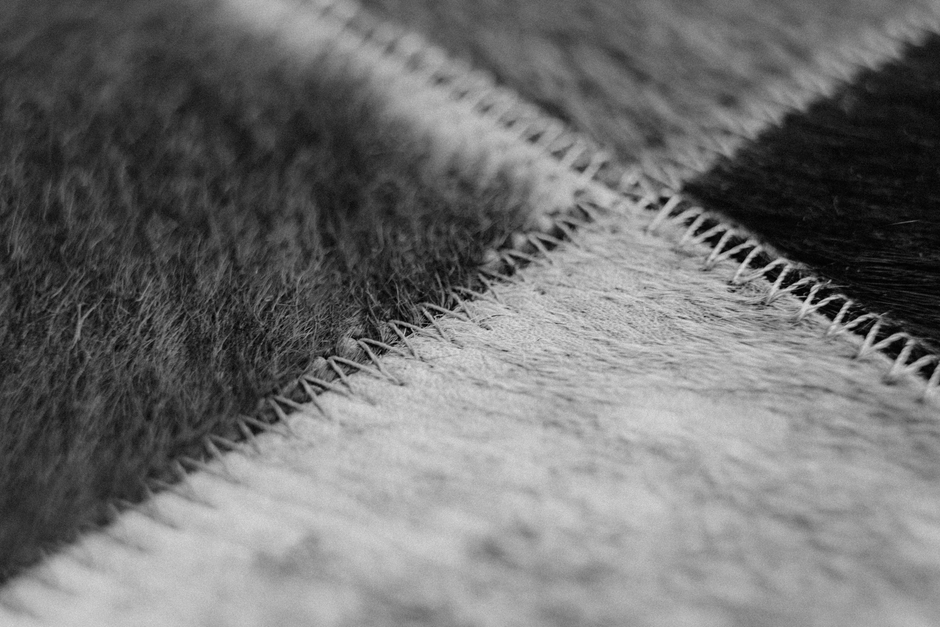
Quilting stitches compress the batting wherever they go, and the areas between stitches puff up slightly. That contrast is what creates texture. With higher loft batting, the contrast is dramatic, and quilting designs stand out boldly, almost sculpted. With low loft batting, the texture is subtler and flatter, which some quilters prefer for modern quilts or designs where the piecing should be the star.
Fiber matters here too. Wool batting is known for giving crisp stitch definition and recovering well, so quilted designs look clear. Cotton tends to give a softer, more traditional texture that blends with the fabric. Polyester can make quilting lines look puffy and distinct. If you’re planning detailed free-motion work like feathers or intricate motifs, many quilters lean toward a batting with a bit more loft to show it off. If you’re doing simple straight lines, almost any batting will look good, and the choice becomes more about feel and warmth. A small test sample stitched with your planned design is the most reliable preview.
Crinkle, Shrinkage, And The Vintage Look
Many quilters love the look of an antique quilt, softly puckered and crinkled all over. That texture often comes from cotton batting shrinking slightly in the first wash. When the batting shrinks a little and the fabric shrinks a little, the quilting lines pull in and the spaces between them puff up, creating that gentle crinkled surface.
It’s a style choice, not a mistake. If you want the vintage look, many quilters use cotton batting without prewashing it, quilt the layers, and then wash the finished quilt. If you prefer a flat, smooth surface, prewashing the batting or choosing a low-shrink polyester or blend can help. Check the package, since manufacturers often list expected shrinkage. Keep in mind that shrinkage can slightly reduce the finished quilt’s dimensions, so if size matters, such as a quilt meant to fit a specific bed, allow a little extra. A test sample washed before you commit is the best way to see exactly how much crinkle you’ll get.
Warmth And Breathability
Fiber plays a big role in how warm a quilt feels, though comfort is personal and depends on many things. Wool batting is often described as warm for its weight and is known for handling moisture well, which many quilters find comfortable in a range of temperatures. Cotton is widely considered breathable and often feels cooler, which makes it popular for quilts in warmer climates or for summer use.
Polyester tends to trap warmth and holds its loft, so many quilters find it feels cozy, though it may feel less breathable to some sleepers. Blends sit somewhere in between, depending on the ratio. Loft matters as well, since thicker battings trap more air and generally feel warmer. If you’re making a quilt for someone who runs hot or lives in a warm region, a thin cotton or cotton blend may be a comfortable choice. For a winter throw, a loftier batting or wool might feel better. There’s no universal right answer, and asking the person who’ll use the quilt is always a good idea.
Batting Color And Shadowing Under Light Fabrics
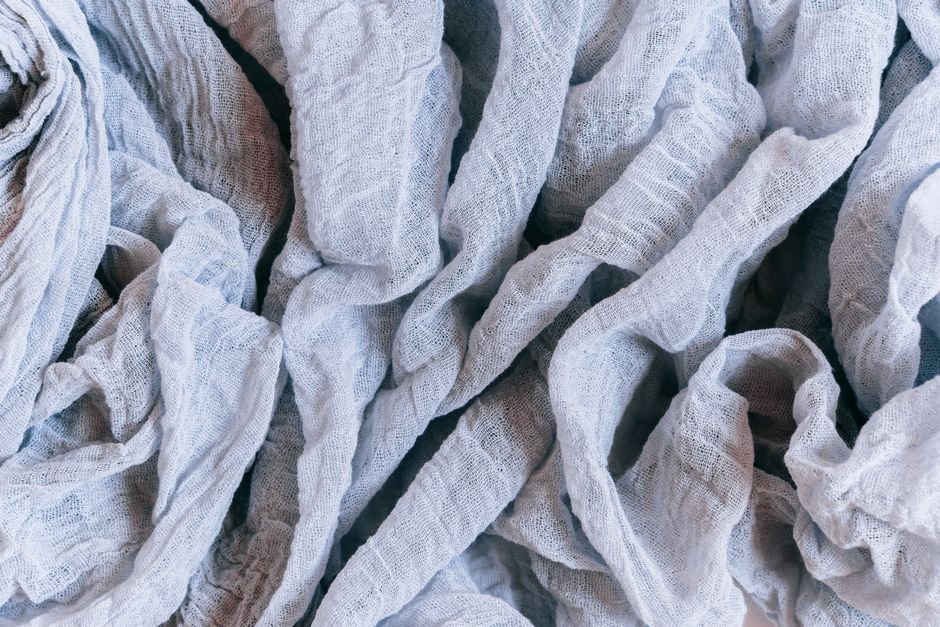
Here’s a detail many batting guides overlook: batting color can show through light fabrics. Most batting comes in natural, white, or black. Natural cotton batting has a creamy, slightly flecked tone, and under a very light fabric like white or pale yellow it can make the quilt look a little dingy or shadowy in certain light.
White or bleached batting is often a better match for quilts with lots of light fabric, while black or charcoal batting can help dark quilts look richer and hide bearding if fibers migrate. For quilts that mix very light and very dark areas, many quilters choose natural or white and simply test first. Hold a piece of batting under your lightest fabric in good daylight to check. Shadowing isn’t something you can fix after the quilt is finished, so this quick check is worth the time. It’s one of those details that makes batting quilts look polished, even if most people never notice why.
Picking A Batting To Match The Look You Want In Batting Quilts
Once you’ve thought about drape, texture, crinkle, warmth, and color, choosing batting becomes much simpler. If you want a soft, drapey quilt with a traditional feel, a low loft cotton or cotton blend is a common starting point. If you want bold quilting texture and a puffier look, a higher loft polyester or wool may suit you better. If you love the vintage crinkle, cotton without prewashing is often the way to go. Once you have chosen a type, the batting size calculator tells you which package size fits your quilt.
Combine that with the practical details from our guides on batting loft and choosing batting for your quilt, and you’ll have a clear picture. Many quilters keep notes on each finished quilt, recording which batting they used and how it turned out. Over time, those notes become a personal guide that helps you choose quickly and confidently for every new project, and they make it easier to repeat a result you loved.
The right batting turns a good quilt top into a quilt that feels just right, and Bee’s Quilt Shop has more to help you decide. Explore our Fabric Buying and Precuts guides, read our look at what to look for in quilters batting, or browse the Notions collection for basting and finishing supplies.
Frequently Asked Questions
Why does my quilt look crinkly after washing?
That crinkle usually comes from cotton batting and fabric shrinking slightly in the first wash, which pulls in the quilting lines. Many quilters love this vintage look, but prewashing or a low-shrink batting can reduce it.
Which batting makes a quilt drape the best?
Thin cotton, cotton blend, and wool battings often create soft, drapey quilts, especially with lighter quilting. Dense quilting adds stiffness regardless of the batting, so spacing matters too.
Does batting color matter?
It can, especially under very light fabrics where natural batting may shadow through. White batting often suits light quilts, while black batting can help dark quilts look richer.
What batting shows quilting stitches the most?
Higher loft battings and wool are often chosen to make quilting designs stand out with more dimension. Low loft cotton gives a flatter, subtler texture that some quilters prefer.
Is wool batting warmer than cotton?
Many quilters find wool feels warm for its weight, while cotton often feels more breathable and cool. Bee’s Quilt Shop always suggested considering who will use the quilt, since comfort varies from person to person.
This article is intended for general educational and informational purposes only and reflects common quilting practices. Batting behavior, shrinkage, and warmth vary by manufacturer and fiber, and results vary by skill level, fabric, and equipment. Bee’s Quilt Shop shares this guide as part of our ongoing library of quilting and sewing resources.