Quick answer: The most common quilt backing puckering mistakes are basting the backing too loosely, mixing prewashed and unwashed fabrics, pushing or pulling the quilt through the machine, and letting batting shift between layers. Taut, even basting, consistent fabric prep, and letting the machine feed the layers at a steady pace prevent most puckers.
Few things are more disappointing than finishing the quilting, flipping the quilt over, and finding puckers on the back. Quilt backing puckering mistakes are incredibly common, and almost every quilter has run into them at some point. The good news is that most puckers have a handful of predictable causes, and once you know what they are, you can prevent nearly all of them on your next quilt.
This guide walks through what backing puckers look like, then explains the most common causes: backing that wasn’t taut during basting, fabrics cut off grain or prepared differently, handling problems at the machine, and batting that shifts. We’ll also cover a topic many guides skip, telling backing mistakes apart from thread tension problems, since the fix is different. Finally, we’ll share general prevention tips and options for fixing puckers you’ve already found. At Bee’s Quilt Shop, we saw plenty of puckered backs over the years, and almost all of them came down to the same few causes.
What Backing Puckers Look Like
Backing puckers show up as small folds, tucks, or pleats on the back of the quilt, usually where quilting lines cross or along long rows of stitching. Sometimes they’re tiny ripples that you can barely see. Other times they’re deep folds that have been stitched down permanently. They often appear in the center of the quilt or toward one edge, depending on how the quilt was basted and quilted.
You might also notice the backing looks wavy or loose in some areas and tight in others, or that the quilt doesn’t lie flat. In some cases the front looks fine, which makes the back’s puckers a surprise when you flip it over. Puckers are different from the gentle crinkle that develops when a cotton quilt is washed for the first time, which is an even, all-over texture. Puckers are uneven and localized, usually caused by extra fabric that got trapped and stitched down. Understanding what you’re seeing helps you trace it back to a cause and avoid it next time.
Backing That Wasn’t Pulled Taut Enough While Basting
The most common cause of puckers is backing that wasn’t smooth and taut during basting. When the backing has slack, the extra fabric has to go somewhere as you quilt, and it often gets pushed into folds that end up stitched in place. Many quilters tape the backing to a table or the floor, wrong side up, smoothing it until it’s flat and gently taut without stretching it.
The goal is even tension, not tight. Backing pulled too tight can relax after quilting and create wrinkles of its own, especially on a longarm frame. Once the backing is smooth, layer the batting and top, smoothing each layer from the center out. Then baste thoroughly. With pins, many quilters place them every few inches, about a fist’s width apart, and take a small bite of fabric with each pin rather than a big one. Spray basting is another option many quilters like for larger quilts. Before quilting, flip the sandwich over and check the back for any wrinkles. Fixing them at this stage is far easier than unpicking stitches later.
Backing And Top Pieces Cut Off Grain Or Mismatched In Prewash
Fabric grain matters more than many quilters realize. Fabric cut off grain, meaning not aligned with the threads, can stretch more in one direction. If the backing has stretchy edges or bias areas, it can shift and distort during quilting, leading to puckers. Pieced backings are especially prone to this if pieces were cut at slight angles.
Prewashing differences can cause trouble too. If the quilt top was prewashed and the backing wasn’t, or the other way around, they may shrink at different rates when the finished quilt is washed. That can cause puckering or distortion after washing. Mixing fabric types, such as a cotton top with a flannel or minky back, adds another variable, since those fabrics behave differently. Many quilters match their prewashing choices between top and backing and cut backing pieces on grain to keep everything consistent. If you’re using a stretchy backing, handle it gently and avoid pulling it while basting, since stretch introduced during basting tends to show up as puckers later.
Quilting Too Fast Or Pushing The Layers Through The Machine
How you handle the quilt at the machine plays a big role. Pushing or pulling the layers through the machine can stretch the fabric and push extra backing into folds. Many quilters find that letting the feed dogs or walking foot move the quilt, with their hands simply guiding it, reduces puckers noticeably.
Speed can matter too. Quilting very fast can make it harder to keep the layers smooth and moving evenly, especially when turning a large quilt. Supporting the weight of the quilt is another factor. If the quilt hangs off the table, its weight can drag the layers and distort them. Many quilters set up extra table space or a chair to support the quilt, and they roll or fold the part that isn’t being stitched. Presser foot pressure can also affect feeding, so check your machine’s manual if you suspect it. A walking foot is very helpful for straight-line quilting, since it feeds the top and bottom layers together. Slowing down and supporting the quilt often solves problems quickly.
Batting Shifting Between The Layers
Batting that shifts between the layers can contribute to puckering. If the batting moves, it can push the backing into folds or leave areas where the layers aren’t supported evenly. Batting that’s very slippery or loosely constructed is more likely to shift, especially if the quilt is basted sparsely.
Choosing a batting that grips the fabric layers well, like many cotton and blend battings, can help. Basting thoroughly is important too, with pins or basting spray spaced evenly across the whole quilt. Quilting from the center outward helps push any slack toward the edges rather than trapping it in the middle. Some quilters stabilize the quilt by stitching a few long lines across it first, in a grid, before filling in the rest of the quilting. That anchors the layers so they’re less likely to move. If you’re using a batting you haven’t tried before, a small test sandwich can show you how well it grips. Our guide to quilters batting covers which construction types tend to resist shifting.
Telling Quilt Backing Puckering Mistakes Apart From Tension Problems
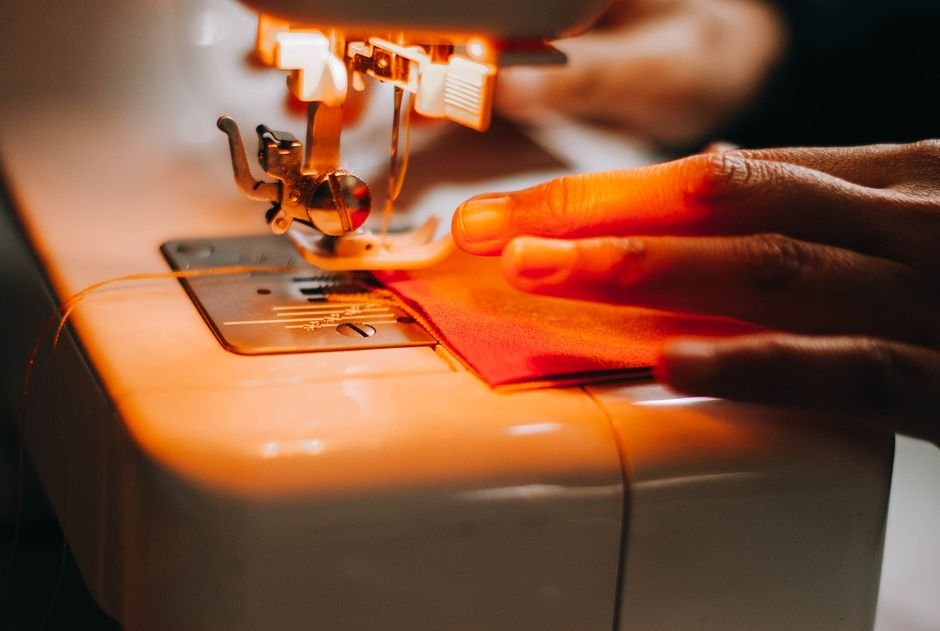
Here’s something many puckering guides miss: not every pucker comes from the backing. Sometimes the issue is thread tension. If the bobbin or top tension is off, the stitches can pull the fabric unevenly, creating small gathers or a wavy look along the stitching line. These look different from backing tucks. Tension puckers tend to follow the stitching line closely, while backing mistakes usually show up as folds or pleats trapped between lines.
To tell them apart, look closely at the stitches. If you see loops, the bobbin thread pulling to the top, or the top thread lying flat on the back, tension may be the issue. Rethread the top and bobbin, insert a fresh needle, and test on a scrap sandwich made with the same fabrics and batting. If the scrap looks smooth, the problem is likely basting or handling. Separating quilt backing puckering mistakes from tension problems saves time, because you won’t change your basting method when the real fix is a quick tension adjustment.
How To Fix Or Prevent Quilt Backing Puckering Mistakes Next Time
Preventing quilt backing puckering mistakes next time comes down to a few habits. Smooth and secure the backing so it’s taut but not stretched. Baste thoroughly, with pins or spray spaced evenly. Match prewashing choices between top and backing, and cut backing pieces on grain. Support the quilt’s weight, let the machine feed the layers, and quilt from the center out. Check the back after basting and periodically while quilting.
If you’ve already found puckers, options vary by quilt and stitch. Small puckers in a busy area may be barely noticeable after washing, especially on cotton quilts that crinkle. Larger folds may need the stitches removed in that area, the backing smoothed, and the section re-quilted. Some quilters add a little extra quilting nearby to blend a repaired area. There’s no single fix for every situation, so look at the quilt carefully and decide what feels right. Each quilt teaches you something, and many quilters find their basting improves a lot after one puckered back.
Smooth backs come from good habits, and Bee’s Quilt Shop has more guides to help every step of the way. Explore our Fabric Buying and Precuts guides, read our overview of quilt backing options, or browse the Fabric collection for backing fabric.
Frequently Asked Questions
Why does the back of my quilt pucker?
Puckers usually come from backing that wasn’t taut during basting, batting that shifted, or pushing the quilt through the machine. Mismatched prewashing between top and backing can also cause problems after washing.
How do I keep my quilt backing from puckering?
Smooth and tape the backing so it’s taut but not stretched, baste thoroughly, and let the machine feed the layers. Quilting from the center outward also helps.
Can thread tension cause puckers?
Yes, poor tension can create small gathers along the stitching line. Rethread, change the needle, and test on a scrap sandwich to see whether tension is the cause.
Will puckers go away after washing?
Small puckers may become less noticeable after washing, especially with cotton that crinkles. Larger folds usually stay, so they may need to be unpicked and re-quilted.
Is spray basting better than pin basting?
Both can work well, and many quilters choose based on preference and quilt size. Bee’s Quilt Shop always suggested trying both on smaller projects to see which keeps your layers smoothest.
This article is intended for general educational and informational purposes only and reflects common quilting practices. Fixes and results vary by quilt, fabric, batting, and machine, and results vary by skill level, fabric, and equipment. Bee’s Quilt Shop shares this guide as part of our ongoing library of quilting and sewing resources.