Quick answer: The main quilt backing options are standard quilting cotton, extra-wide backing fabric, pieced backings sewn from several fabrics, flannel, and minky or cuddle fabrics. Each changes how the quilt feels and how the quilting stitches show, so most quilters choose based on the quilt’s size, purpose, and the look they want on the back.
Quilt backings don’t always get the attention they deserve. After weeks of piecing a top, it’s tempting to grab whatever fabric is handy for the back and move on to quilting. But the backing affects how the finished quilt feels, how it drapes, how the quilting stitches look, and even how easy it is to quilt in the first place. And when a quilt is folded over a chair or a bed, the back is often what people see.
This guide gives you an overview of the main types of quilt backings, compares wide backing with pieced backing, explains how prints and solids affect the look of your stitching, and explores scrappy backings as a design choice. We’ll also cover matching backing to how the quilt will be used, plus a detail many guides miss: directional prints and which way is up. For deeper detail on specific topics, we’ll point you to our separate guides. At Bee’s Quilt Shop, we always encouraged quilters to treat the back as part of the design, not an afterthought.
The Main Types Of Quilt Backings
Quilting cotton is the most common backing choice, and for good reason. It’s the same weight and weave as most quilt tops, so it handles the same way under the needle, shrinks at a similar rate, and wears evenly over time. For smaller quilts, a single width of quilting cotton may be enough. For larger quilts, you’ll need to piece it or use a wider fabric.
Wide backing fabric, often sold around 108 inches wide, lets you back a large quilt without seams. Pieced backings use two or more fabrics sewn together, sometimes as a simple seam and sometimes as a deliberate design. Flannel backing adds softness and warmth, while minky and other cuddle fabrics give a plush, velvety feel that many people love on throws and baby quilts. Some quilters also use cotton sheets or other unconventional materials. Each option has advantages and tradeoffs, and the best one depends on your quilt’s size, purpose, and how you plan to quilt it. Many quilters keep a few favorite backing fabrics in their stash for exactly this moment.
Wide Backing Vs Pieced Backing
For large quilts, the main choice is between buying wide backing fabric and piecing standard width fabric. Wide backing is convenient. You buy one piece, trim it to size, and skip the extra seams. It’s especially helpful for longarm quilting, where a smooth, seamless back loads easily on the frame. To compare the two for your own quilt, the quilt backing calculator shows the yardage and seam layout for any fabric width.
Pieced backing has its own advantages. It lets you use any quilting cotton you like, including fabric from the same collection as your top, which can make the quilt feel cohesive. It’s also a way to use up yardage you already own. The main thing to watch is the seam. Press it open to reduce bulk, and many quilters place it horizontally or offset it so it’s less noticeable. Wide backing selection can be narrower than standard width fabric, so if you have a specific color or print in mind, piecing may be your best option. Our guide to 108 inch quilt backing covers wide fabric in more detail.
Solid, Print, Or Busy Backing
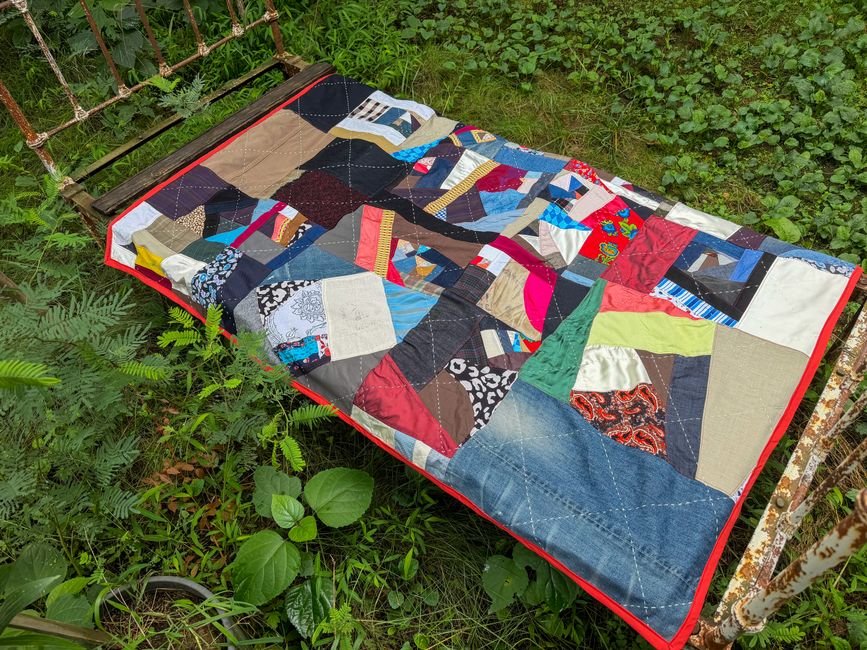
The backing fabric changes how your quilting stitches look from the back. A solid backing shows every stitch clearly, which is beautiful when the quilting is a feature in itself, such as detailed free-motion designs. It also shows any wobbles, tension issues, or thread changes, so some quilters save solid backings for projects where they feel confident.
A print backing hides much more. Small, busy prints disguise the quilting almost completely, which can be a relief for newer quilters or for quilts with lots of starts and stops. Medium-scale prints offer a balance, showing some texture while forgiving small imperfections. Thread color plays a role too. Matching the thread to the backing makes stitches blend in, while contrasting thread makes them stand out. If you’re using different thread colors on the top and bobbin, a busy backing can help hide any small dots where the top thread peeks through. Think about what you want people to notice when they flip the quilt over.
Pieced And Scrappy Quilt Backings As A Design Choice
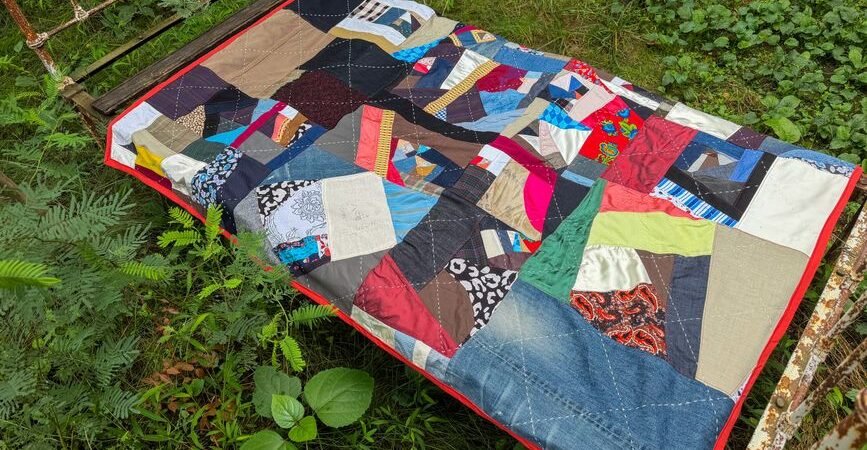
A pieced or scrappy backing can turn the back of a quilt into a second design. Leftover blocks from the front, extra fabric from the same collection, or a few large pieces from your stash can be combined into a back that feels intentional and fun. Many quilters enjoy the surprise of flipping a quilt over to find an extra block or a strip of color.
Making scrappy quilt backings look deliberate is mostly about planning. Use larger pieces rather than many tiny ones, which keeps the back from getting too bulky and makes quilting easier. Press seams open or to one side consistently. Keep the overall size large enough to allow extra on every side for quilting. A strip of leftover blocks running across the middle of the back is a popular approach, framed by larger pieces of fabric above and below. Scrappy backs are also a practical way to use up fabric that might otherwise sit unused, and they give a quilt a personal, handmade touch that many people appreciate.
Matching Backing To How The Quilt Will Be Used
How a quilt will be used should guide your backing choice. Bed quilts get handled, washed, and slept under, so many quilters choose durable quilting cotton or a wide backing that will wear evenly over time. Softer options like flannel can add warmth for winter quilts, while a lighter cotton keeps a summer quilt breathable.
Baby quilts often benefit from soft backings that feel nice against skin and hold up to frequent washing. Many quilters use flannel or cuddle fabrics here, though those can be trickier to quilt. Wall hangings have different needs. They don’t get washed much, and the back rarely shows, so a simple muslin or leftover fabric often works fine. Many quilters also add a hanging sleeve to the back of wall quilts. Throws and lap quilts sit somewhere in between, and soft backings are popular since they’re often snuggled under. Matching the backing to the quilt’s job helps it look and feel right for years to come.
Directional Prints And Which Way Is Up
Here’s a detail many backing guides skip: directional prints. Some fabrics have a clear up and down, like trees, houses, animals, or text. If you’re using one on the back, decide which way it should run before you start, especially if the quilt will hang on a wall or drape over a bed in a particular direction.
For pieced backs, make sure every section runs the same way, since it’s easy to accidentally sew one panel upside down. Longarm quilters often appreciate knowing which edge is the top, so mark it with a safety pin or a note if you’re sending it out. If you’re not sure which way the quilt will be used, a nondirectional print or a solid avoids the issue entirely. Directional prints can also be turned sideways on purpose to fit a wide quilt without a seam, which some quilters enjoy as a design choice. Planning for direction is a small step that keeps the back looking as polished as the front.
Where To Go For Deeper Detail
This overview covers the main choices, but some topics deserve their own deeper look. If you’re deciding which fabric to choose for a specific quilt, our guide on how to choose backing fabric for your quilt walks through the decision step by step, from measuring to prewashing. If you’re curious about how different materials behave, our guide on choosing the right material for quilt backing compares cotton, flannel, minky, sheets, and more.
For large quilts, our guide to 108 inch quilt backing explains when wide fabric makes sense and how much to buy. And if you’ve ever had puckers on the back of a finished quilt, our guide to common backing mistakes that cause puckering can help you avoid them next time. Together, these guides cover the whole backing process from planning to finishing.
The back of a quilt is a design opportunity, and Bee’s Quilt Shop has more guides to help you make the most of it. Browse our Fabric Buying and Precuts guides for more planning help, or explore the Fabric collection for wide backs, solids, and prints.
Frequently Asked Questions
What is the best fabric for quilt backing?
Many quilters prefer quilting cotton because it matches the weight and behavior of most quilt tops. Flannel, minky, and wide backing fabric are also popular, depending on the quilt’s size and purpose.
Should quilt backing be a solid or a print?
A solid shows quilting stitches clearly, while a print hides them and forgives small imperfections. Many quilters choose a print when they’re still building confidence with free-motion quilting.
Can I piece the back of a quilt?
Yes, pieced backings are very common and can be a fun design element. Press the seams open to reduce bulk and keep pieces fairly large so quilting stays easy.
Do I need wide backing for a large quilt?
Not necessarily, since you can piece standard width fabric to make a large back. Wide backing simply saves the seams and can be convenient for longarm quilting.
What should I put on the back of a baby quilt?
Many quilters choose soft flannel or a cuddle fabric for baby quilts, or a durable cotton that washes well. Bee’s Quilt Shop always suggested thinking about how often the quilt will be washed when choosing.
This article is intended for general educational and informational purposes only and reflects common quilting practices. Fabric availability, widths, and behavior vary by manufacturer, and results vary by skill level, fabric, and equipment. Bee’s Quilt Shop shares this guide as part of our ongoing library of quilting and sewing resources.