Quick answer: How do you make a quilt? A quilt is made by piecing fabric into a top, layering it with batting and a backing, basting the three layers together, stitching through them by hand or machine, and then binding the edges. Some quilters do every step themselves, while others piece the top and send it to a longarm service for quilting.
How do you make a quilt? It’s one of the most common questions people ask when they first admire a handmade quilt. Quilts can look intricate and mysterious, but the basic process is surprisingly logical. Once you understand how the pieces fit together, the whole craft starts to make sense, whether you plan to make a quilt yourself or simply want to appreciate the work behind one.
This guide is a conceptual explainer, focusing on how a quilt comes together rather than step-by-step instructions. We’ll explain the three layers, how a quilt top gets built, why layers are basted, and the different ways quilting gets done. We’ll look at who does what in the quilting world, from piecers to longarm services, and set honest expectations if you try it yourself. We’ll also cover a step many guides skip: binding, labeling, and the finishing touches people often forget. For hands-on instructions, see our guide on how to make a quilt and our overview of the stages of making a quilt. At Bee’s Quilt Shop, explaining the process was always the first step in helping someone fall in love with quilting.
How Do You Make A Quilt? It Starts With Three Layers
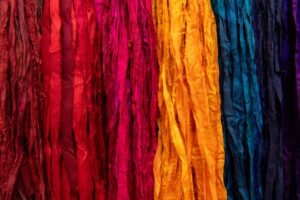
At its simplest, a quilt is three layers of material held together by stitches. The top layer is the quilt top, the decorative side that most people think of when they picture a quilt. It’s often made from pieces of fabric sewn together in a pattern, but it can also be a single piece of fabric or a printed panel.
The middle layer is the batting, a soft, fluffy material that adds warmth, thickness, and texture. Batting can be made from cotton, polyester, wool, or blends. The bottom layer is the backing, usually a large piece of fabric that forms the back of the quilt. These three layers are stacked together like a sandwich, which is why quilters often call it a quilt sandwich. The stitches that run through all three layers, called quilting, hold everything together and keep the batting from shifting. Finally, the raw edges are finished with binding. Understanding these layers is the first step to understanding how a quilt is made.
How A Quilt Top Gets Built
The quilt top is where much of the creativity happens. Most tops are pieced, which means small pieces of fabric are cut and sewn together to form blocks, and then the blocks are sewn together to form the top. Patterns guide the process, telling quilters what size to cut each piece and how to arrange them.
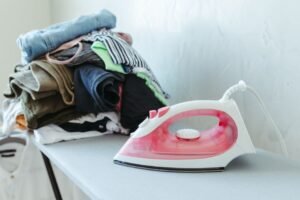
Fabric is usually cut with a rotary cutter, mat, and ruler, which allow precise, straight cuts. Pieces are sewn together with a consistent seam allowance, often a quarter inch, and pressed flat after each seam. Blocks might be simple squares or complex designs with many pieces. Once blocks are made, they’re arranged and sewn into rows, and rows are sewn together to complete the top. Borders might be added around the edges. Some tops use appliqué, where shapes are stitched onto a background instead of pieced. Others are whole cloth, using one large fabric. However it’s made, the top is the canvas that gives each quilt its personality. Building a top can take a few days or many months.
Why The Layers Get Basted Before Quilting
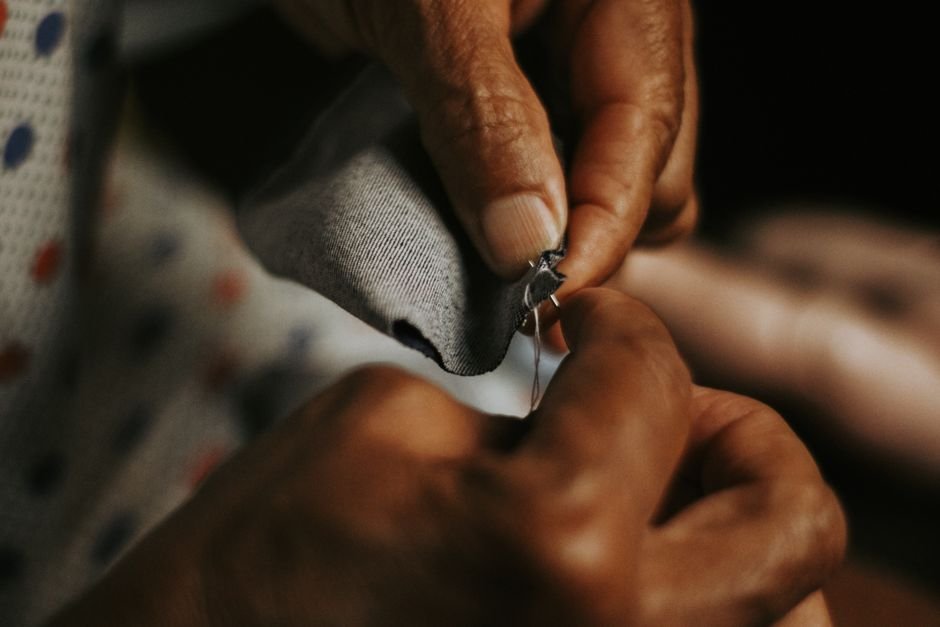
Before the layers can be quilted, they need to be held together temporarily so they don’t shift. This step is called basting. Without it, the layers could slide around while stitching, causing puckers, folds, or uneven areas in the finished quilt.
There are several ways to baste. Some quilters use safety pins spaced across the quilt. Others use temporary spray adhesive designed for quilting. Some baste with long, loose hand stitches that are removed later. Longarm quilters often skip separate basting because the quilt is held taut on a frame. Whichever method is used, the goal is the same: to keep the backing, batting, and top smooth and aligned. Basting usually starts with the backing laid flat and smoothed, followed by the batting and then the top, each layer smoothed in turn. It might not be the most exciting part of quilting, but careful basting makes the quilting step much smoother and the finished quilt much neater.
The Different Ways Quilting Gets Done
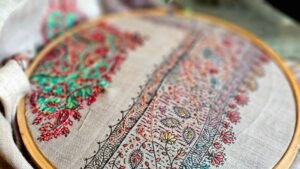
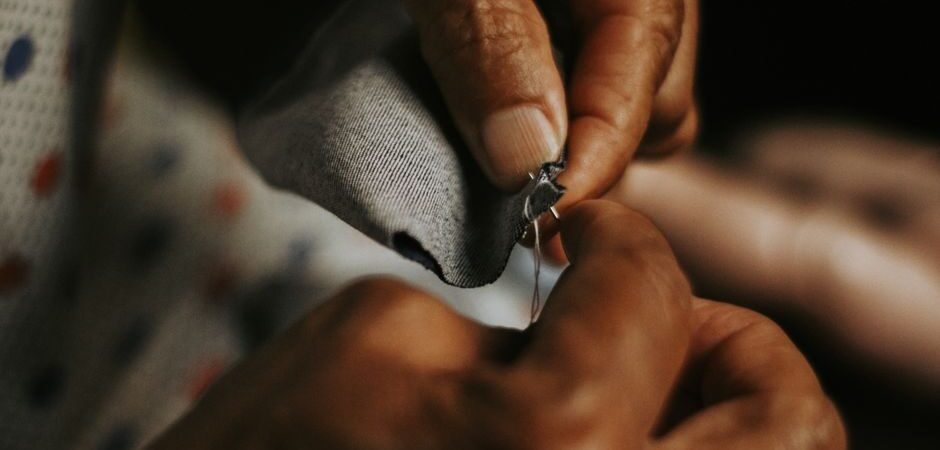
Quilting, the stitching that holds the three layers together, can be done in several ways. Hand quilting is the traditional method, using a needle and thread to make small, even stitches through all layers. It’s slow and meditative, and it creates a soft, classic look. Many hand quilters use a hoop or frame to hold the layers.
Home machine quilting uses a regular sewing machine. Quilters might stitch straight lines with a walking foot, or use free-motion quilting, where they move the quilt freely under the needle to create curves and designs. It’s faster than hand quilting, though maneuvering a large quilt through a home machine takes practice. Longarm quilting uses a large machine mounted on a frame. The quilt is stretched on the frame, and the machine moves over it, allowing quilting of large quilts with ease. Longarm quilters can stitch freehand, follow patterns, or use computerized systems. Each method has its own look and pace, and many quilters use more than one.
Who Does What: Piecers, Quilters, And Longarm Services
In the quilting world, not everyone does every step. Some quilters, often called piecers, love making quilt tops but prefer not to do the quilting themselves. They might send their tops to someone else to be quilted. Others love quilting and offer their services to piecers.
Longarm quilting services are common. A longarm quilter owns a longarm machine and quilts tops for others, usually charging by the size of the quilt and the complexity of the quilting design. The piecer provides the top, backing, and sometimes batting, and the longarm quilter returns a quilted quilt, ready for binding. Some services also offer binding. This division of labor lets piecers finish more quilts and allows longarm quilters to focus on what they love. Many quilters do both, piecing some tops and quilting them at home, while sending others out. Bee’s Quilt Shop offered longarm quilting as part of its history, and many quilters appreciated having that option. It’s a reminder that quilting is often a shared craft.
How Do You Make A Quilt Feel Finished? Binding And Labels
Here’s a part many quilt explainers skip: the finishing steps after quilting. Once the quilting is done, the edges are trimmed square, cutting away excess batting and backing. Then the edges are finished with binding, a strip of fabric folded around the raw edges and stitched in place. Binding protects the edges and frames the quilt.
Binding is often sewn to the front by machine and then folded to the back and stitched down by hand or machine. Our guide to bias binding explains one common method. Many quilters also add a label to the back, a small piece of fabric with the quilt’s name, the maker’s name, the date, and sometimes the recipient or occasion. Labels help preserve the quilt’s history for future generations. Some quilters add a hanging sleeve for wall quilts. Finally, many quilters wash the finished quilt to remove markings and soften the fabric. These finishing steps turn a quilted sandwich into a complete, cherished quilt.
What To Expect If You Try It Yourself
If you’re thinking about making a quilt yourself, it helps to set honest expectations. Your first quilt might not be perfect, and that’s completely normal. Seams might not match exactly, and quilting stitches might be uneven. Most quilters look back fondly at their first quilt, imperfections and all, as the beginning of their journey.
Starting with a simple pattern and a small size, like a baby quilt or wall hanging, makes the process more manageable. You’ll need basic tools, such as a sewing machine, rotary cutter, mat, ruler, and iron, along with fabric, batting, and thread. Time varies widely depending on the pattern, size, and how much time you have to sew. Taking a class, watching tutorials, or joining a quilting group can help you learn and stay motivated. When you’re ready for hands-on instructions, our guide on how to make a quilt walks through each step. The most important thing is to enjoy the process and be patient with yourself as you learn.
Understanding how a quilt is made is the first step toward making your own, and Bee’s Quilt Shop has plenty more guides to help. Explore our Quilting Techniques and Skills section, read about hand quilting vs machine quilting, or browse the Kits collection for beginner-friendly projects.
Frequently Asked Questions
What are the three layers of a quilt?
A quilt has a top, a middle layer of batting, and a backing. Quilting stitches hold the three layers together.
What does basting mean in quilting?
Basting temporarily holds the quilt layers together so they don’t shift during quilting. Quilters use safety pins, spray adhesive, or long hand stitches.
Can someone else quilt my quilt top?
Yes, many quilters send their tops to a longarm quilting service. The service quilts the layers and returns the quilt ready for binding.
What is binding on a quilt?
Binding is a strip of fabric folded around the quilt’s raw edges and stitched in place. It protects the edges and gives the quilt a finished frame.
How long does it take to make a quilt?
It varies widely depending on the pattern, size, and how much time you have to sew. Bee’s Quilt Shop always encouraged new quilters to start small and enjoy the process rather than rushing.
This article is intended for general educational and informational purposes only and reflects common quilting practices. Always follow manufacturer safety instructions for rotary cutters and sewing machines. Results vary by skill level, fabric, and equipment. Bee’s Quilt Shop shares this guide as part of our ongoing library of quilting and sewing resources.