Quick answer: Hand quilting uses a needle and thread for a soft, traditional stitch texture and takes considerably longer, while machine quilting uses a sewing machine for speed and durability across large quilt surfaces.
Deciding between hand quilting and machine quilting is one of the more consequential choices you’ll make on any given project, affecting not just how long the quilt takes to finish but also its overall look, feel, and even its long-term value if you ever consider selling or gifting it to someone who genuinely appreciates handmade craftsmanship. Both methods accomplish the same basic task, stitching through all three quilt layers to hold them together while adding decorative texture, but they arrive at that result through very different processes with genuinely different tradeoffs worth understanding clearly before you commit to either one. Understanding those tradeoffs clearly helps you choose confidently rather than defaulting to whichever method you happen to already know or have the right equipment for sitting at home. This guide covers what hand quilting involves, what machine quilting involves, comparing time investment between the two, comparing the finished look of each method, cost differences, and how to choose a method for your very next project. At Bee’s Quilt Shop, we regularly help quilters weigh this exact decision based on their specific project, timeline, and personal goals for the finished piece they’re planning to eventually complete.
What Hand Quilting Involves
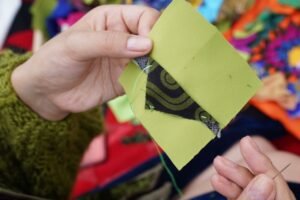
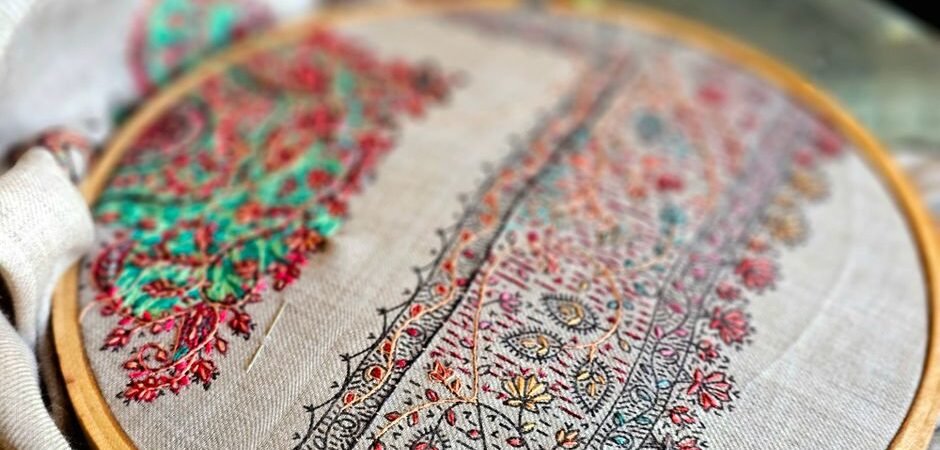
Hand quilting involves stitching through all three quilt layers using a needle and thread worked entirely by hand, typically using a small, even running stitch repeated consistently across the quilting design from one edge of the quilt all the way to the other side. This process is inherently slow and meditative, often done in a hoop or frame that holds the fabric taut while the quilter works section by section across the entire surface over many separate sessions spread across several weeks or months. The resulting stitches carry a subtle, slightly irregular quality that’s genuinely difficult to replicate by machine, which is part of why hand quilting remains prized specifically for its traditional, handmade character that many collectors and gift recipients recognize and genuinely appreciate on sight.
What Machine Quilting Involves
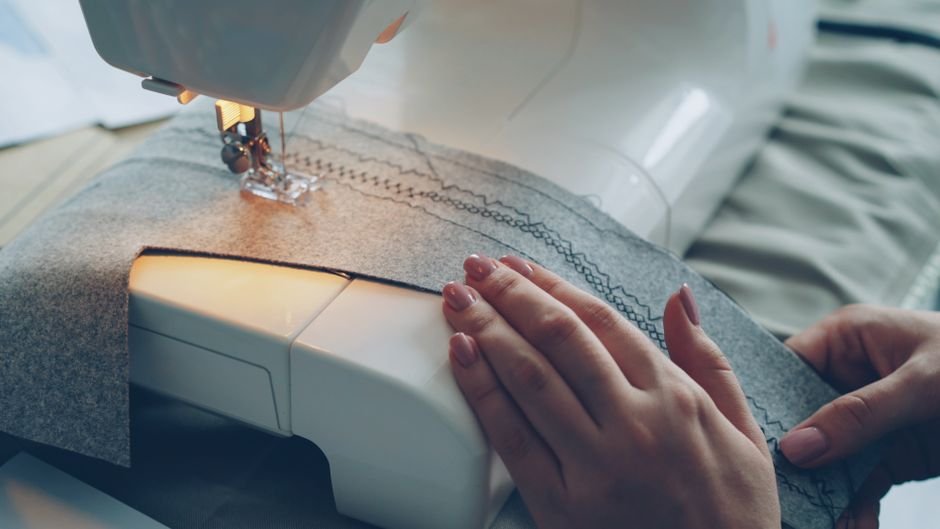
Machine quilting involves stitching through the same three layers using a sewing machine rather than a hand needle, either a standard home sewing machine equipped with a walking foot or free-motion capability, or a specialized long-arm machine designed specifically for quilting large projects efficiently and relatively quickly. This method covers ground far more quickly than hand stitching, since the machine’s mechanism drives the needle at a much faster, consistent pace than any hand-sewn stitch could realistically match over the same stretch of available time. Many quilters who piece their own tops still choose to send the actual quilting step out to a professional long-arm service, treating piecing and quilting as genuinely separate skills worth outsourcing when it makes practical sense for their own schedule and budget.
Comparing Time Investment Between The Two
Comparing time investment between the two methods reveals one of the starkest differences in the whole decision, and it’s often the deciding factor for a quilter working under any kind of firm, unmovable deadline. A full-size hand-quilted quilt can reasonably take anywhere from several weeks to several months of consistent work, depending on the density and complexity of the chosen quilting design and how much time you can realistically devote to it each and every week. The same quilt, machine quilted on a home machine, might take a focused weekend or two, while a long-arm machine could complete it in a matter of hours once the top is properly prepared, pressed, and basted beforehand. This time difference alone drives many practical decisions, especially for quilters working under a gift deadline or juggling quilting alongside other responsibilities and a full, genuinely busy schedule.
Comparing The Finished Look Of Each Method
The finished look each method produces differs meaningfully, and neither should be considered objectively superior to the other, since the “right” choice really depends on the specific aesthetic you’re after for that particular project. Hand quilting produces a soft, slightly uneven stitch texture that many quilters and collectors specifically associate with traditional, heirloom-quality work, adding a gentle dimensional quality to the quilt’s surface that catches the light differently than a machine-stitched surface generally would. Machine quilting produces crisp, remarkably even stitches capable of far denser, more intricate quilting patterns than would be practical by hand, giving finished quilts a more polished, uniform appearance that some quilters specifically prefer for a clean, modern-style project.
Cost Differences Between Hand And Machine Quilting
Cost differences between the two methods depend heavily on whether you’re doing the work yourself or paying someone else to complete that particular stage of the project on your behalf. Hand quilting, done yourself, costs essentially nothing beyond your existing needle and thread supplies already on hand, though it represents a substantial time investment instead of a financial one out of pocket. Machine quilting on your own home machine similarly costs little beyond your existing equipment, assuming you already own a machine genuinely capable of handling the task comfortably. Sending a quilt out to a professional long-arm quilter adds real cost regardless of which finishing method you’d have chosen yourself, since you’re paying specifically for their equipment, time, and expertise rather than doing the quilting personally at home on your own machine.
Choosing A Method For Your Next Project
Choosing a method for your next project ultimately comes down to weighing your available time against your desired finished look and overall budget for that particular quilt you’re planning to make. If you’re working under a tight deadline or prefer machine quilting’s crisp, even appearance, machine quilting on your own equipment or through a professional long-arm service is the practical choice for most quilters facing that specific situation. If you value the meditative process and traditional character of hand stitching, and you’re not under significant time pressure, hand quilting offers a genuinely rewarding, slower alternative that many quilters find deeply satisfying regardless of the extra time it demands from start to finish on a beloved, personal project. It’s also worth remembering that these two methods aren’t mutually exclusive within a single quilting life, and plenty of quilters happily hand quilt one special, unhurried project while relying on machine quilting for everyday gifts and faster turnarounds. Trying both approaches firsthand on a couple of small practice pieces, rather than choosing based on description alone, is often the clearest way to discover which one genuinely suits your own temperament and available time. A small doll quilt or mug rug makes an ideal low-stakes test piece for exactly this kind of comparison, since it’s finished quickly enough to try both methods within a single afternoon or weekend. Many quilters describe this simple side-by-side experiment as the moment their own preference finally became genuinely clear, rather than something they could have reasoned out from reading alone without hands-on comparison. It’s also worth asking a local quilt shop or guild whether they offer a hands-on class covering both methods, since guided, in-person instruction often clarifies subtle technique details that written or video instruction alone tends to leave out. Many beginners find that a single supervised session, with someone correcting their hand position or machine tension in real time, saves weeks of frustrated trial and error at home working through the same mistake repeatedly. Whichever method you ultimately choose for a given project, remember that the goal is a finished, functional, and genuinely loved quilt, not adherence to any particular tradition or trend you’ve read about online. Both hand quilting and machine quilting have produced countless treasured heirlooms over the decades, and either one can absolutely do the same for whatever project you’re currently planning to start. What matters most, in the end, is that the finished quilt actually gets completed, used, and loved by whoever eventually receives it, rather than which specific method was ultimately used to produce the stitches holding its three layers together. Give yourself permission to change your mind partway through a project too, since switching from a planned hand-quilting approach to machine quilting, or the reverse, is always possible if your circumstances or preferences shift once the project is actually underway.
Ready to choose your quilting method? Browse our Quilting Techniques and Skills guides for more comparisons, or explore our Sewing Machines collection to see what’s currently available.
Frequently Asked Questions
What does hand quilting actually involve?
Hand quilting uses a needle and thread worked by hand through all three quilt layers, producing a soft, slightly uneven stitch texture prized for its traditional look.
What does machine quilting involve?
Machine quilting uses a sewing machine, either a home machine or long-arm, to stitch through the layers much faster with more consistent, even stitches.
Which method takes longer to complete?
Hand quilting takes considerably longer, often weeks or months for a full-size quilt, while machine quilting can finish the same quilt in hours or a few days.
Does one method look better than the other?
Neither looks objectively better, since hand quilting offers a soft, textured, traditional look while machine quilting offers crisp, even, more uniform stitching.
Which method costs more overall?
Machine quilting on your own equipment is often cheaper long-term, though sending a quilt to a professional long-arm quilter adds cost regardless of method chosen.
This article is intended for general educational and informational purposes only, based on common quilting practices. Time estimates vary widely by quilt size and quilter experience. Bee’s Quilt Shop shares this guide as part of our ongoing library of quilting and sewing resources.