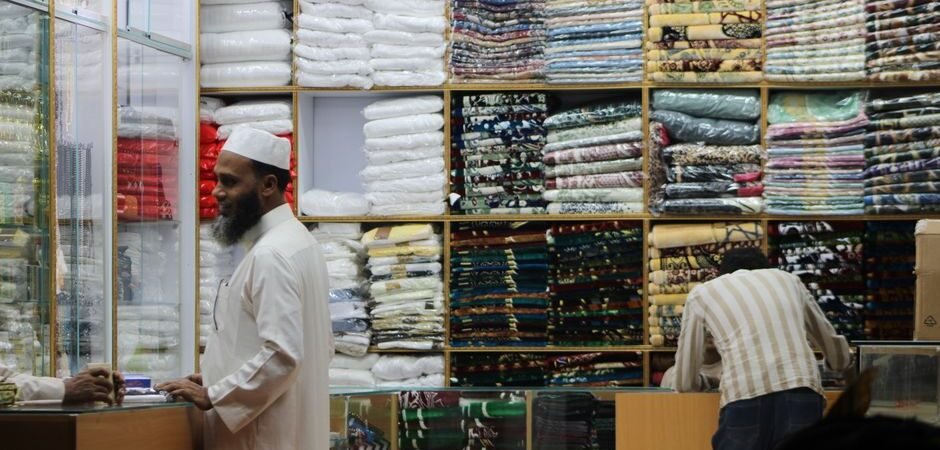
Quick answer: A fabric sale is any discount on fabric, from seasonal promotions and clearance to remnants and end-of-bolt pieces, offered online or in stores. Real value comes from checking fiber content, quality, and yardage against a project list, knowing the return policy, and resisting fabric you don’t have a plan for, since a low price only pays off if you actually use what you buy.
Few words get a quilter’s attention quite like fabric sale. The promise of beautiful fabric at a lower price is hard to resist, and a good sale can be a wonderful way to build your stash or stock up for a big project. But not every sale is a great deal, and it’s easy to come home with fabric you don’t need or won’t use.
This guide explains what a fabric sale is and the different types of sales you’ll encounter. We’ll cover how to spot a good sale, how to plan your shopping, and common mistakes to avoid. We’ll also cover something many shopping guides skip, which is working out the real cost of a sale purchase, including shipping, extra yardage, and fabric that might sit unused. Finally, we’ll share tips for storing and using sale fabric. At Bee’s Quilt Shop, we saw plenty of fabric sales over the years, and we learned that a little planning makes all the difference.
What a Fabric Sale Is
A fabric sale is any time fabric is offered at a reduced price. Sales take many forms. Seasonal sales happen around holidays or at the end of a season, when retailers clear space for new collections. Clearance sales feature fabrics that are being discontinued or that haven’t sold well.
End-of-bolt fabric is the last piece left on a bolt, often shorter than a standard cut. Retailers often discount these pieces to sell them quickly. Remnants are similar, being leftover pieces from cutting, usually sold at a discount. Both can be great value for small projects.
Some sales are storewide, offering a percentage off everything, while others focus on specific categories, like quilting cotton, precuts, or notions. Flash sales are short, time-limited sales, often online. Some retailers also offer member discounts, coupons, or loyalty programs. Understanding what kind of sale you’re looking at helps you judge whether it’s a good opportunity for your needs. A fabric sale is only valuable if the fabric fits your projects and meets your quality standards.
Types of Fabric Sales
Fabric sales come in several types, each with its own advantages. Seasonal sales often happen around major holidays and at the end of seasons. They can be a good time to buy seasonal fabrics, like holiday prints, for next year’s projects.
Clearance sales feature discontinued or slow-selling fabrics. They can offer deep discounts, but selection may be limited, and you may not be able to buy more of a fabric later. Remnant and bolt-end sales are great for small projects, scrappy quilts, and backings, though sizes vary.
Online and in-store sales each have pros and cons. Online sales offer a wide selection and convenience, but you can’t touch the fabric, and colors may look different on screen. Shipping costs and return policies matter too. In-store sales let you see and feel the fabric, compare colors in person, and avoid shipping costs, though selection may be smaller.
Some retailers also offer precut sales, featuring discounts on fat quarters, jelly rolls, or bundles. Knowing the types of sales helps you choose the ones that suit your shopping style and your projects.
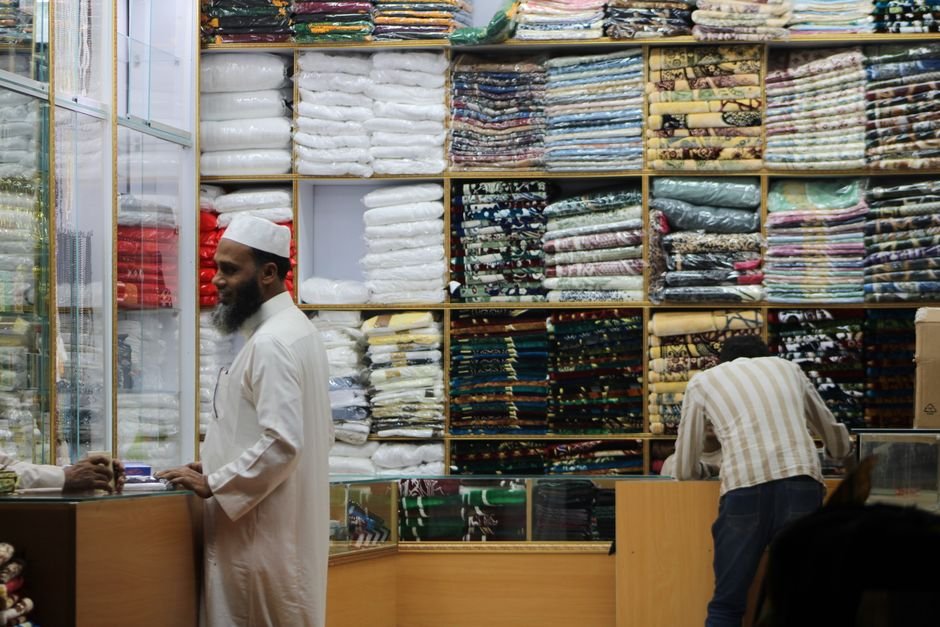
How to Spot a Good Fabric Sale
Spotting a good fabric sale starts with quality. A discount isn’t worth much if the fabric is thin, loosely woven, or prone to fading. Check the fabric’s weight and weave. Quilting cotton should feel smooth and substantial, with a tight weave. Holding fabric up to the light can reveal how dense it is.
Fiber content matters. Make sure the fabric’s content suits your project. A polyester blend might be a great deal, but it may not behave like cotton in a quilt. Read labels or listings carefully.
Yardage is another consideration. Check how much fabric is available, especially with remnants and bolt ends. If you need a specific amount, make sure there’s enough. Return policies matter too, particularly for online purchases. Some sale fabric is final sale, meaning it can’t be returned. Knowing this upfront helps you decide whether to take the risk. Comparing the sale price with the regular price, and with similar fabrics elsewhere, helps you judge whether the discount is meaningful. Be cautious with claims that seem too good to be true.
Planning Your Fabric Sale Shopping
Planning before a fabric sale helps you shop with confidence. Start with a project list. Write down the projects you’d like to make in the coming months and the fabrics each one needs. This keeps you focused and helps you avoid impulse buys.
Measurements are essential. Know how much fabric each project requires, including backing, binding, and borders. Many quilters keep a small notebook or phone note with yardage requirements for common projects, like a standard quilt backing or a set of napkins.
Setting a budget is helpful too. Decide in advance how much you’re comfortable spending, and stick to it. A budget keeps the sale fun rather than stressful. If you’re shopping in person, bringing fabric swatches or photos of fabrics you already own helps you coordinate colors. For online shopping, saving items to a wishlist before the sale starts lets you act quickly when prices drop. Planning doesn’t mean you can’t buy something unexpected, but it does help ensure most of your purchases have a purpose.
Mistakes to Avoid at a Fabric Sale
Overbuying is the most common fabric sale mistake. It’s easy to get carried away by low prices and buy fabric without a plan. Over time, this can lead to a large stash of fabric that never gets used. Sticking to your project list and budget helps prevent this.
Buying fabric with unknown fiber content is another mistake. Fabrics without clear labels may behave unexpectedly in the wash or when sewn. If you can’t confirm the content, consider whether you’re comfortable with that uncertainty.
Colors that look different on screen are a common issue with online sales. Monitor settings, lighting in product photos, and phone screens all affect how colors appear. Reading descriptions, looking for multiple photos, and checking reviews can help. Ordering a swatch, when available, is the safest approach for important colors.
Not checking the return policy can lead to frustration if fabric doesn’t work out. Finally, buying just a little too little is a classic mistake. If a fabric is discontinued, you may not be able to get more later, so buying a small extra amount for important projects can be wise.
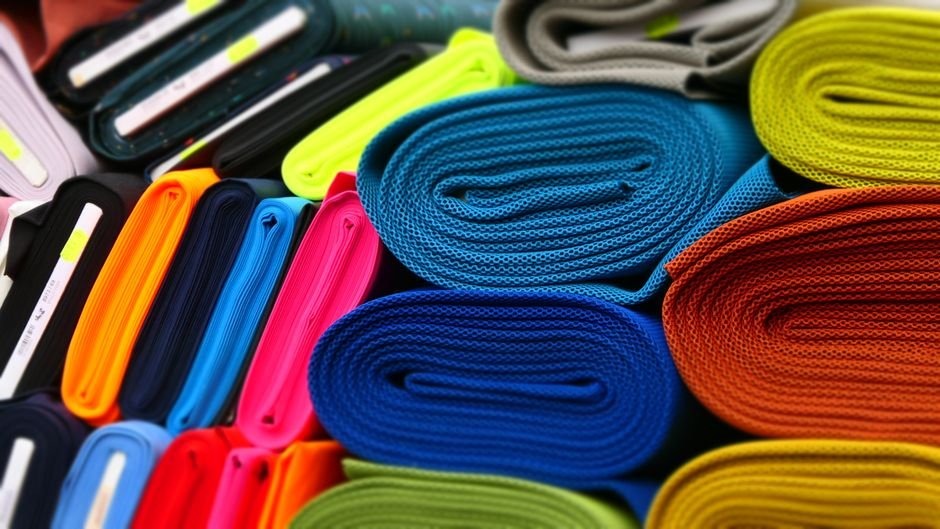
Working Out the Real Cost of a Fabric Sale
A fabric sale price isn’t always the whole story. Working out the real cost helps you decide whether a deal is truly good value. Shipping is a key factor for online purchases. A discount can be offset by high shipping costs, especially for small orders. Some retailers offer free shipping above a certain amount, which may encourage buying more than you need.
Minimum cuts matter too. Some sales require a minimum purchase, like one yard, even if you only need half a yard. Factor in whether you’ll use the extra fabric.
Unused fabric has a cost as well. Fabric that sits in your stash for years isn’t really a bargain. It takes up space and may never become a project. Asking yourself whether you’d buy the fabric at full price, or whether you have a specific use for it, is a helpful gut check.
Finally, consider the cost of a mistake. If a sale fabric doesn’t work for your project and can’t be returned, you may need to buy more. Thinking through these factors helps you spend wisely and enjoy your sale finds.
Storing and Using Sale Fabric
Once you’ve brought home your sale fabric, a little care helps you get the most from it. Prewashing is a personal choice. Many quilters prewash sale fabric to check for shrinkage and color bleeding, especially if the fabric’s quality or content is uncertain. Others wait until a project is planned.
Organizing your stash makes it easier to use what you buy. Many quilters fold fabric neatly and store it on shelves, sorted by color, type, or project. Labeling fabric with its yardage and content helps you plan later. Storing fabric away from direct sunlight prevents fading.
Using sale fabric promptly is the best way to ensure it’s a good value. Keeping a project list and pairing fabric with planned projects helps. Some quilters attach a note to each piece with its intended use. Remnants and bolt ends are great for scrappy quilts, small projects, and backings. For more on caring for and buying fabric, explore our Fabric Buying and Precuts guides. A well-planned stash makes every fabric sale more rewarding.
Bee’s Quilt Shop is here to help you shop for fabric with confidence. Explore our Fabric Types and Guides section, browse the Fabric collection to see what’s available, and read our guide to buying a roll of fabric if you’re thinking about larger purchases.
Frequently Asked Questions
When are the best fabric sales?
Many retailers hold sales around major holidays and at the end of seasons, when they clear space for new collections. Timing varies by retailer, so watching for announcements helps.
Is clearance fabric good quality?
It can be, since clearance often includes discontinued fabrics that are perfectly good. Check the weight, weave, and fiber content before buying.
How can I avoid overbuying at a fabric sale?
Bring a project list with yardage requirements and set a budget before you shop. Bee’s Quilt Shop always suggested asking whether you’d buy the fabric at full price.
What is an end of bolt piece?
It’s the last piece of fabric left on a bolt, often shorter than a standard cut. Retailers often discount these pieces, and they’re great for smaller projects.
Should I prewash sale fabric?
Many quilters prewash sale fabric to check for shrinkage and bleeding, especially if the content is uncertain. Others prefer to wait until they’ve planned a project.
This article is intended for general educational and informational purposes only and does not make claims about specific prices or savings. Sale terms, policies, and fabric quality vary by retailer, and results vary by skill level, fabric, and equipment. Bee’s Quilt Shop shares this guide as part of our ongoing library of quilting and sewing resources.