Quick answer: Animal patterns appear across sewing and quilting through applique, printed panels, and pieced quilt blocks, each offering a different level of realism and construction complexity. Choosing solid fabric for the animal shape itself, print fabric for supporting details, and a technique that matches your skill level are the key decisions behind a successful animal pattern project.
Animal patterns show up everywhere in the sewing and quilting world, from a toddler’s first stuffed friend to an ambitious pieced quilt covered in foxes or elephants, and it’s easy to see why the theme has so much staying power. Whether you’re drawn to the charm of a simple applique bunny or the challenge of piecing a detailed pieced owl block, animal patterns offer something for nearly every skill level and project type. This guide covers why the theme is so popular, the different techniques used to create animal designs, how to find a pattern that matches your skill level, fabric choices that work well, and tips for handling the small detail work animal projects often require. Bee’s Quilt Shop has watched animal patterns stay consistently popular across every season, and the short version is that there’s a genuinely huge range of complexity available, so there’s an entry point for just about anyone curious to try one.
Why Animal Patterns Are A Popular Sewing And Quilting Theme
Animal patterns hold enduring appeal for a few clear reasons, and their popularity in kids’ projects is probably the most obvious one, a soft stuffed animal or an animal-print quilt has natural, built-in charm for a nursery or a child’s room that’s hard to replicate with more abstract designs. Beyond kids’ projects, animal themes work well in quilts and decor for any age, cabin-style bear or moose motifs, farmhouse-style roosters or cows, and nature-inspired birds or foxes all fit comfortably into adult decor styles depending on the fabric and color choices around them. Novelty items, tote bags, pillow covers, and wall art also lean heavily on animal patterns since a recognizable, friendly shape reads clearly even from across a room, which is harder to achieve with a more abstract or geometric design. The sheer variety within the theme, from realistic to cartoonish, from a single tiny motif to a full quilt covered edge to edge, means animal patterns rarely feel repetitive even for sewists who return to the theme again and again. Specific animals also tend to move in and out of popularity with broader design trends, woodland creatures and forest animals have had a particularly long stretch of popularity in nursery decor, while tropical and jungle animal themes tend to spike around summer projects, giving even a well-worn theme a fresh angle depending on the season.
Types Of Animal Pattern Projects
Animal pattern projects generally fall into a few main technique categories, and understanding the differences helps with picking a project that matches both your skill level and the finished look you’re after. Applique, where fabric shapes are cut and stitched onto a background fabric, is probably the most beginner-accessible technique for animal designs, since it allows for fairly realistic, detailed shapes without needing precise piecing math. Printed panels, fabric pre-printed with a complete animal design, skip the shape-cutting step entirely, letting a sewist simply cut around a printed motif and use it directly in a project, which is a genuinely low-effort way to add an animal theme to a quilt or bag. Pieced animal quilt blocks, where the animal’s shape is built entirely from geometric pieced sections rather than cut freeform, offer a more graphic, quilted look and tend to require more piecing skill and pattern-following precision than applique or printed panels do.
Finding Beginner-Friendly Animal Patterns
Finding a beginner-friendly animal pattern comes down mostly to assessing complexity honestly before committing to a project, since animal patterns genuinely span an enormous range of difficulty. A good beginner project typically uses a small number of large, simple fabric pieces rather than lots of tiny, fiddly shapes, since fewer pieces means less opportunity for small alignment errors to compound across a design. Checking whether a pattern uses raw-edge applique, which is generally more forgiving and beginner-friendly, versus a more advanced technique like needle-turn applique, which requires more hand skill to execute cleanly, helps set realistic expectations before starting. Reading through a pattern’s full instructions before buying fabric, when that’s possible, is worth the extra few minutes, since a pattern that looks simple in a finished photo can turn out to involve techniques or steps that are more advanced than the picture suggests.
Fabric Choices That Work Well With Animal Themes
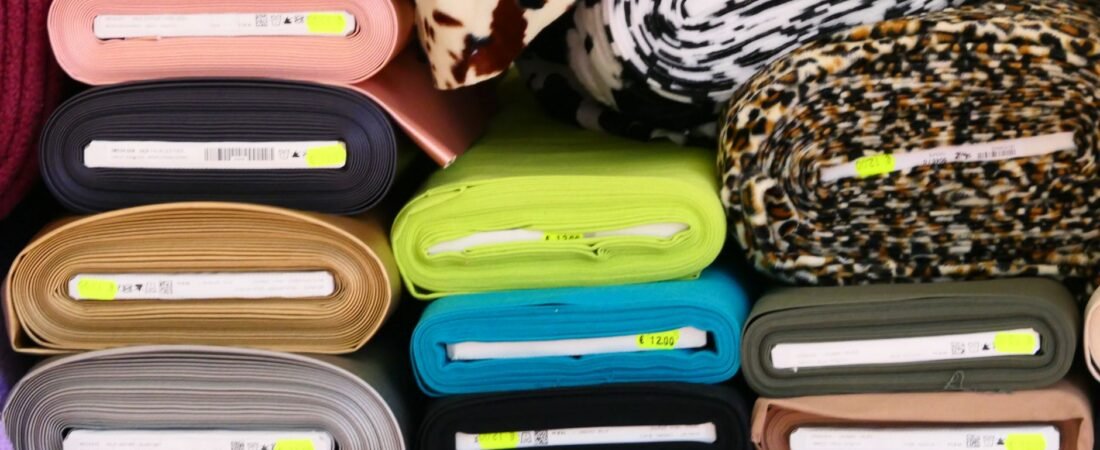
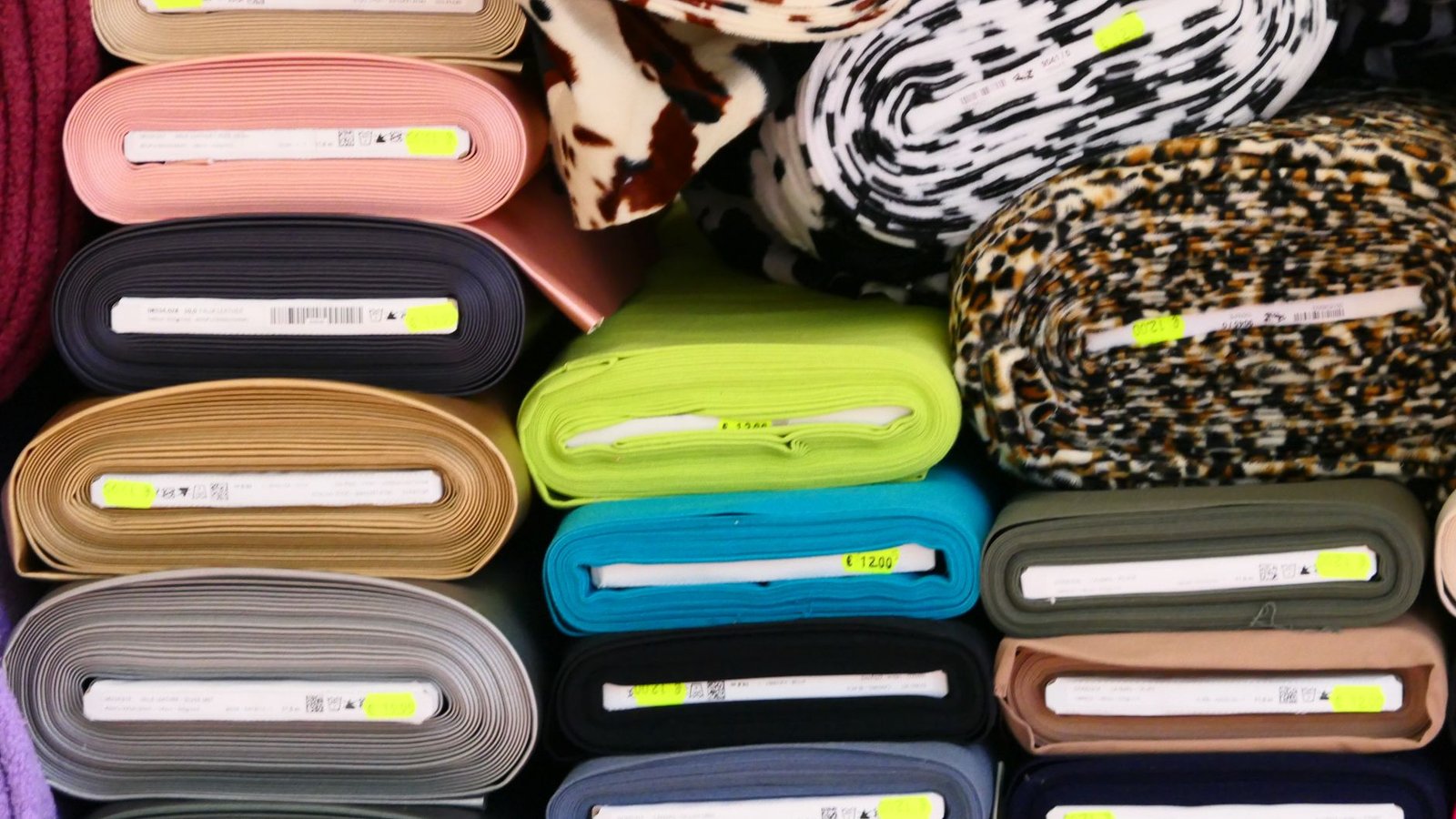
Fabric choice matters quite a bit for animal pattern projects, and the right approach depends on the specific technique being used. Print fabric works well for background elements or supporting details in an animal design, adding visual interest without competing with the animal motif itself for attention. Solid fabrics are generally the better choice for applique animal shapes themselves, since a solid reads clearly as a specific shape from a distance, while a busy print can visually blur the animal’s outline and make the finished design harder to recognize at a glance. Felt is a popular choice for three-dimensional elements like ears, added dimension, or small stuffed accents, since it doesn’t fray at cut edges and holds a bit of natural structure that woven fabric doesn’t offer for small, raised details.
Tips For Sewing Small Detail Work
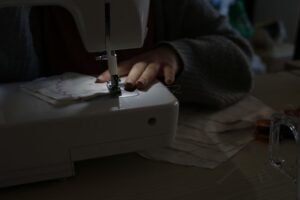
Small detail work is where a lot of animal patterns get genuinely tricky, and a handful of techniques make fiddly pieces like eyes, ears, and small facial features much more manageable. Using a smaller, sharper pair of scissors specifically for tiny detail pieces, rather than the same scissors used for larger fabric cuts, gives cleaner, more precise edges on small shapes where accuracy matters most. Fusible web, an iron-on adhesive applied to the back of small applique pieces before cutting, holds tiny shapes securely in place during stitching, preventing the shifting that makes small pieces so much harder to sew accurately than larger ones. Embroidering small details like eyes and whiskers, rather than trying to applique pieces that small, often gives a cleaner, more precise result, since a few well-placed embroidery stitches can capture fine detail that’s genuinely difficult to achieve with cut fabric alone. Working under good, direct lighting makes a bigger difference than it might seem too, small detail work is genuinely harder to sew accurately in dim or shadowed conditions, and something as simple as moving a project closer to a window or adding a task lamp to your sewing space can noticeably improve precision on fiddly pieces.
Gift And Nursery Uses For Animal Pattern Projects
Once a finished animal pattern project is complete, it tends to find its way into a predictable handful of gift and nursery uses, and planning for that end use from the start can shape some earlier decisions too. Baby quilts and nursery decor are probably the single most common destination for animal-themed projects, and choosing soft, washable fabrics and batting from the outset matters more here than for a decorative wall hanging that won’t see the same handling and repeated washing. Gift-giving more broadly leans on animal patterns heavily too, a stuffed animal, a personalized quilt, or an embroidered tote featuring someone’s favorite animal tends to feel more thoughtful and specific than a generic gift. At Bee’s Quilt Shop, we’ve seen animal patterns work just as well for adult decor as for kids’ projects, so it’s worth not assuming the theme is limited to nurseries alone when picking a pattern for your own home. A well-made animal quilt or pillow also tends to become a genuinely lasting keepsake rather than a passing craft project, many families hold onto a handmade nursery quilt for years or even pass it down to a younger sibling, which is worth keeping in mind when deciding how much time and care to invest in construction quality from the very start. Choosing sturdier construction methods and higher quality batting from the outset pays off noticeably over years of washing and handling, especially for a piece meant to be passed down rather than replaced. Labeling a keepsake project with the maker’s name and the year it was finished, even just a small embroidered tag stitched into a seam, adds a meaningful detail that a future owner will likely appreciate long after the original occasion has passed.
Ready to start your own animal pattern project? Browse our Fabric Guides here at Bee’s Quilt Shop for more sewing and quilting advice, and check out our flower patterns guide if you want to pair your animal motif with florals. Explore more General Sewing & Quilting guides on the blog, or browse our Patterns collection to see what is currently available.
Frequently Asked Questions
What is the easiest way to make an animal pattern quilt block?
Applique, where fabric shapes are cut and stitched onto a background, is probably the most beginner-accessible technique since it allows for detailed shapes without precise piecing math. Printed panels are an even simpler option, letting you cut around a pre-printed motif directly.
Should I use solid or print fabric for animal shapes?
Solid fabrics are generally the better choice for the animal shape itself, since a solid reads clearly as a specific shape from a distance, while a busy print can blur the outline. Print fabric works well for background elements or supporting details instead.
How do I sew small details like eyes and ears?
Fusible web applied to the back of small applique pieces before cutting holds tiny shapes securely in place during stitching, preventing shifting. Embroidering fine details like eyes and whiskers, rather than trying to applique pieces that small, often gives a cleaner result.
What is felt good for in animal pattern projects?
Felt works well for three-dimensional elements like ears or small stuffed accents since it does not fray at cut edges and holds a bit of natural structure. It is a popular choice anywhere a raised or dimensional detail is needed.
Are animal pattern quilts only for nurseries?
Not at all, cabin-style bear or moose motifs, farmhouse-style roosters, and nature-inspired birds or foxes all fit comfortably into adult decor too. At Bee’s Quilt Shop, we have seen animal patterns work just as well for adult home decor as for kids’ projects.
This article is intended for general educational and informational purposes only, based on common sewing and quilting practices. Results vary by technique, fabric, and pattern, so checking your specific pattern’s instructions is always recommended. Bee’s Quilt Shop shares this guide as part of our ongoing library of quilting and sewing resources.