
Latest posts
-
Microsuede Fabric: What It Is, How It Compares to Real Suede, and What to Make With It
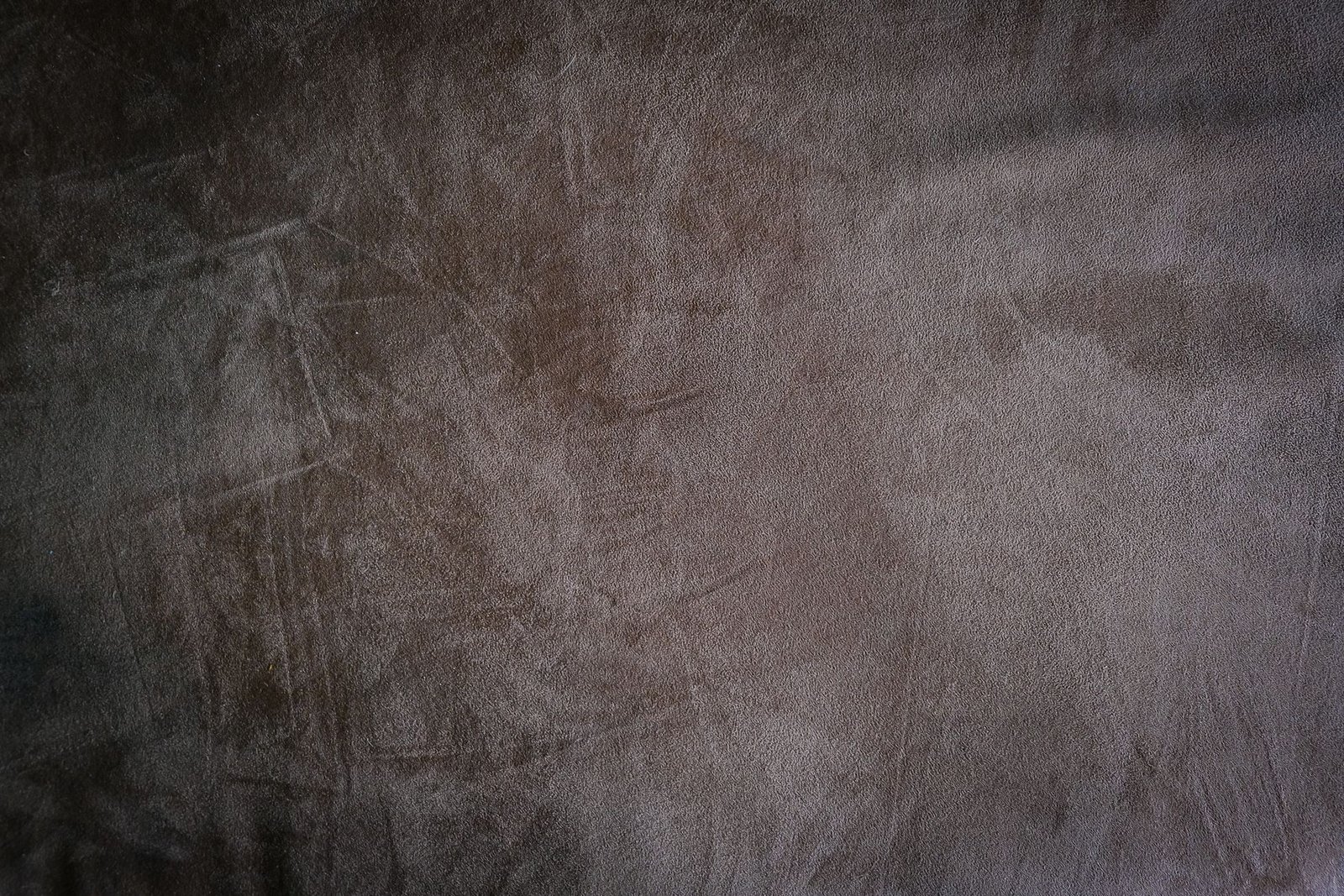
Quick answer: Microsuede fabric is a synthetic textile made from ultra-fine polyester microfibers, brushed to raise a soft nap that mimics the look and feel of real animal-hide suede at a fraction of the cost. Compared to real suede, it’s more consistent, more stain and moisture resistant, and much easier to clean and care…
-
Charmeuse Satin: What It Is, How It Drapes, and Why Bridal Designers Love It
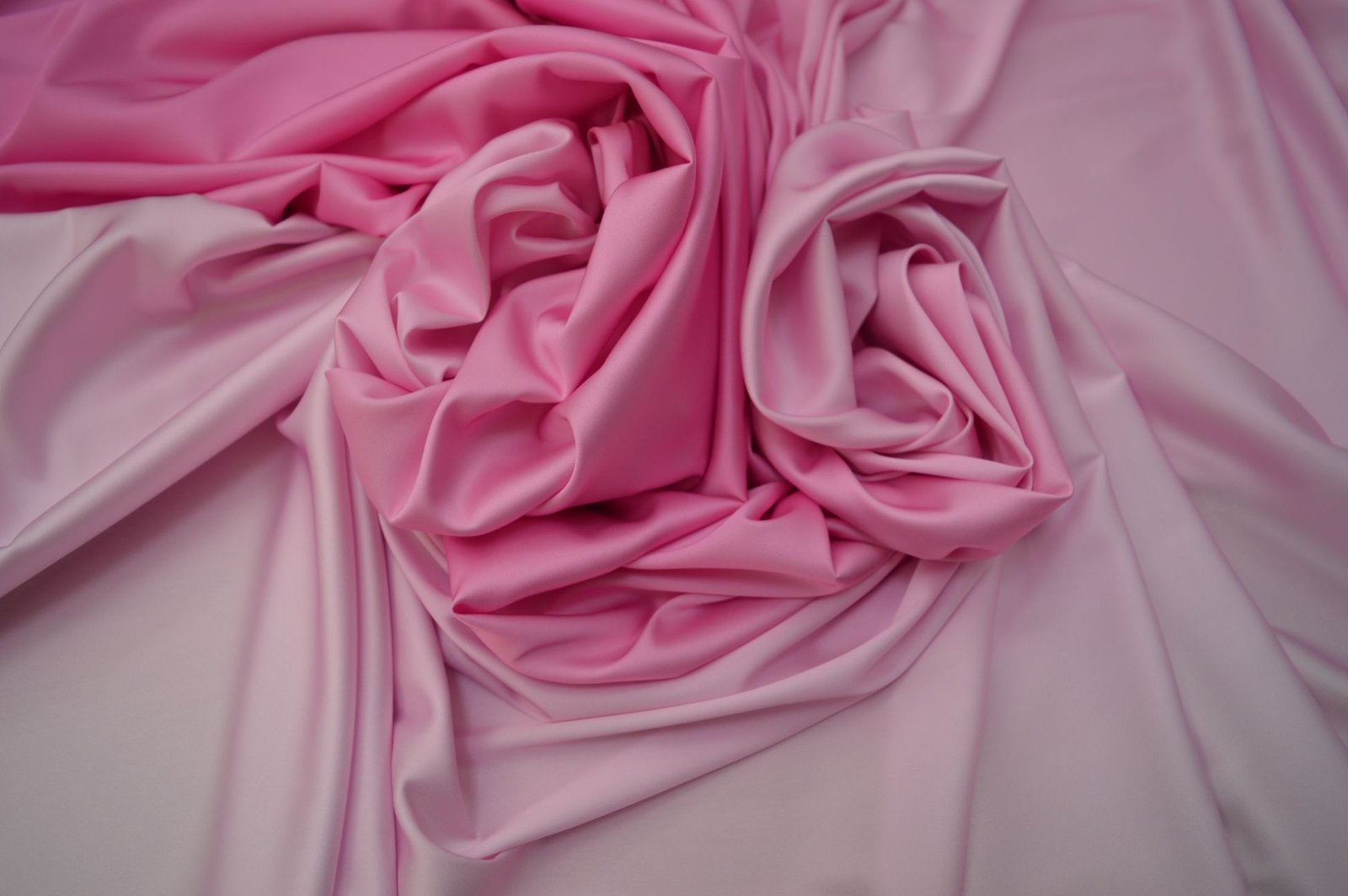
Quick answer: Charmeuse satin is a lightweight fabric woven with the satin technique, giving it a glossy, lustrous front and a duller matte back, along with a soft, fluid drape that’s lighter and more liquid than heavier satins like duchesse. It comes in both silk and polyester versions, silk offering superior natural luster and…
-
Jute Fabric: What It Is, How It Is Made, and What It Is Best Used For
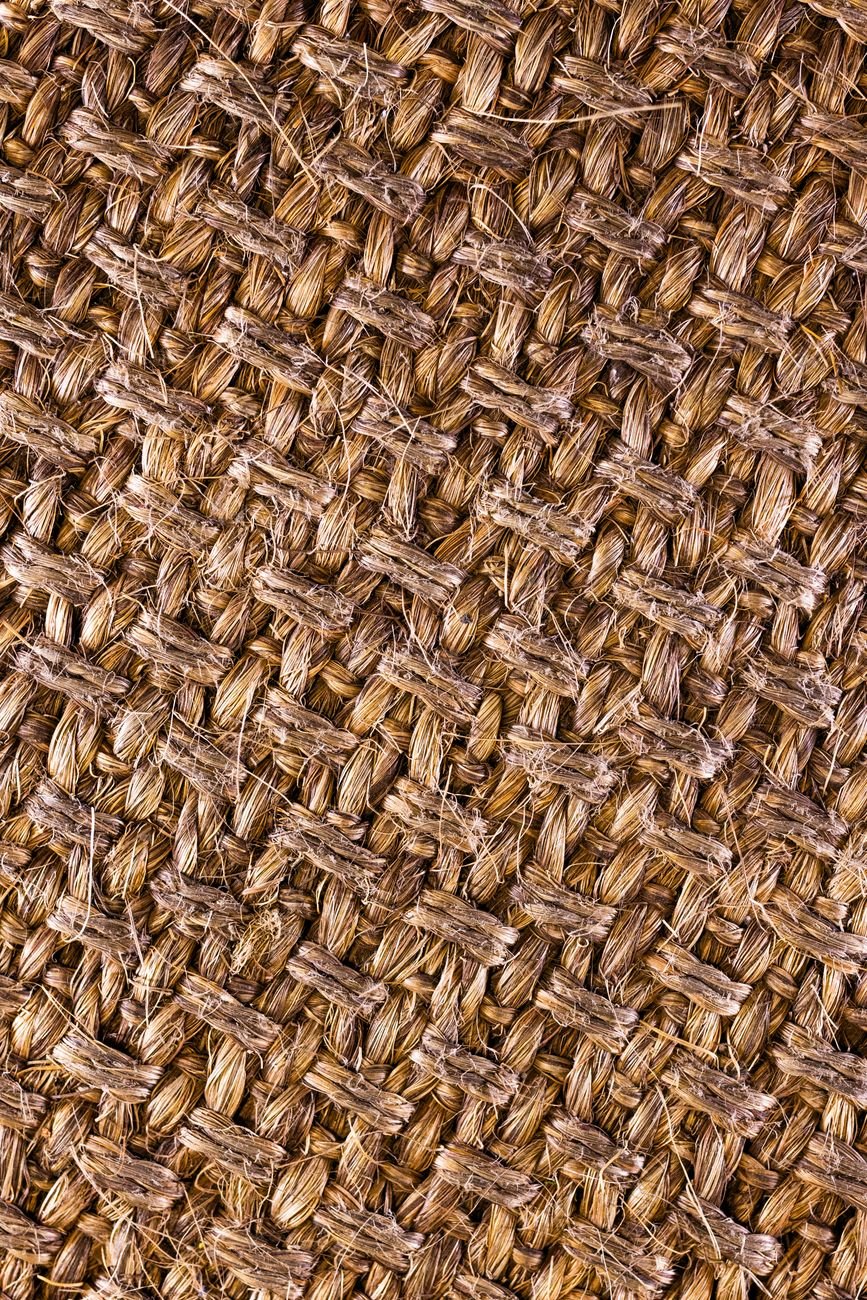
Quick answer: Jute fabric is a natural plant fiber textile woven from the bast fibers of the jute plant, most commonly grown in Bangladesh and India, made by soaking harvested stalks in water in a process called retting to loosen and separate the fibers before spinning and weaving. It has a coarse, textured, golden-brown…
-
Sublimation Fabric: What Works, What Does Not, and How to Get the Best Results
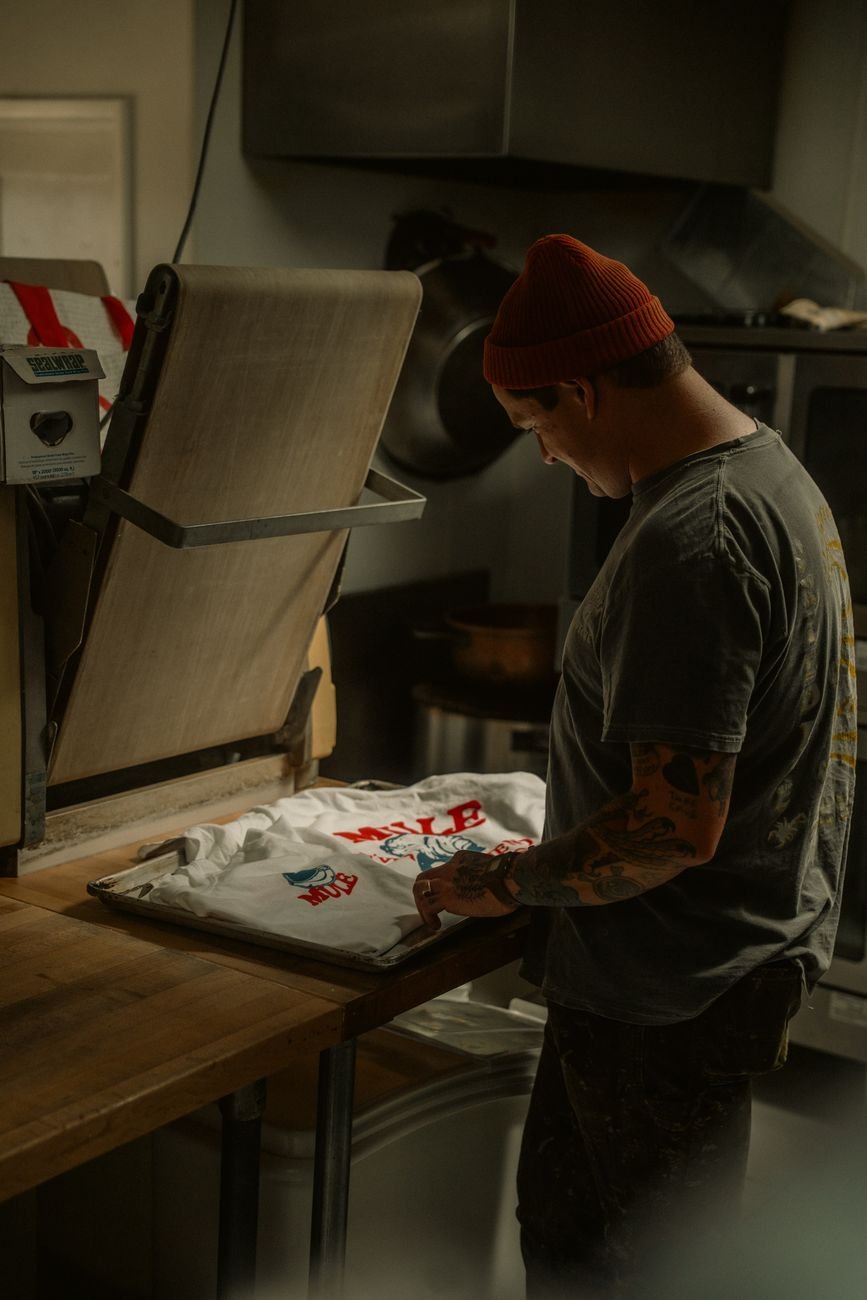
Quick answer: Sublimation fabric needs a high polyester content, ideally 100%, because sublimation dye turns to gas under heat and bonds permanently with polyester fibers at a molecular level. Fabrics with little or no polyester, like quilting cotton, linen, or wool, don’t hold the dye and end up faded or washed out. Light or…
-
Ripstop Fabric: What Makes It Tear-Resistant and When to Use It

Quick answer: Ripstop fabric resists tearing thanks to thicker reinforcement threads woven into the fabric at regular intervals, forming a visible grid that stops a small tear from spreading further once it starts. It’s most often made from nylon or polyester, both lightweight and water-resistant, though cotton ripstop exists too and trades some durability…
-
Interlock Knit Fabric: What It Is, How It Differs From Jersey, and What to Make With It
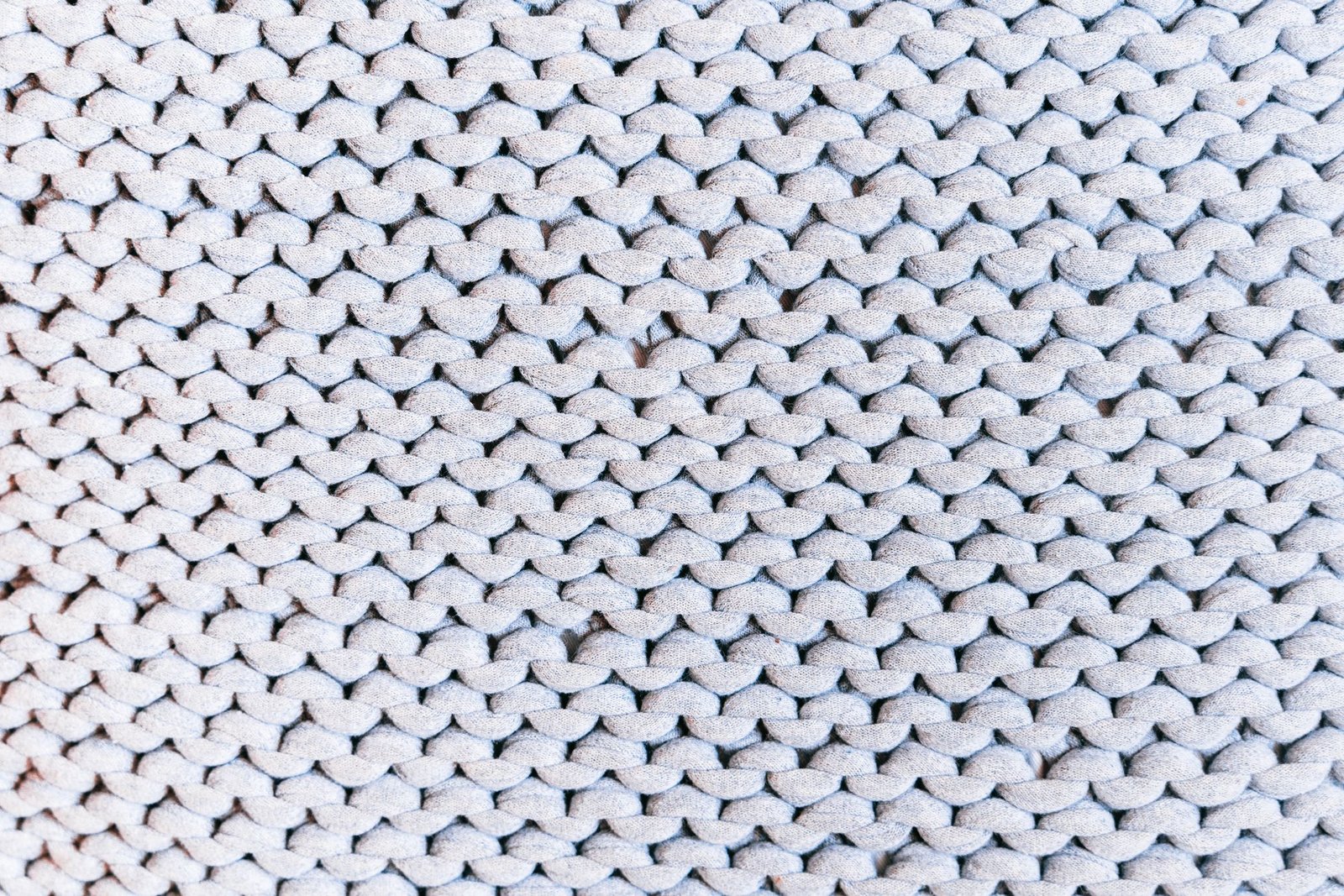
Quick answer: Interlock knit fabric is a double knit made by interlocking two layers of stitches on two sets of needles, which gives it a smooth, identical surface on both sides and noticeably more stability than single-knit jersey. Unlike jersey, interlock doesn’t curl at cut edges, and it has better stretch recovery, though it…
-
100% Cotton Fabric: Why It Matters and How to Tell Pure Cotton From Blends
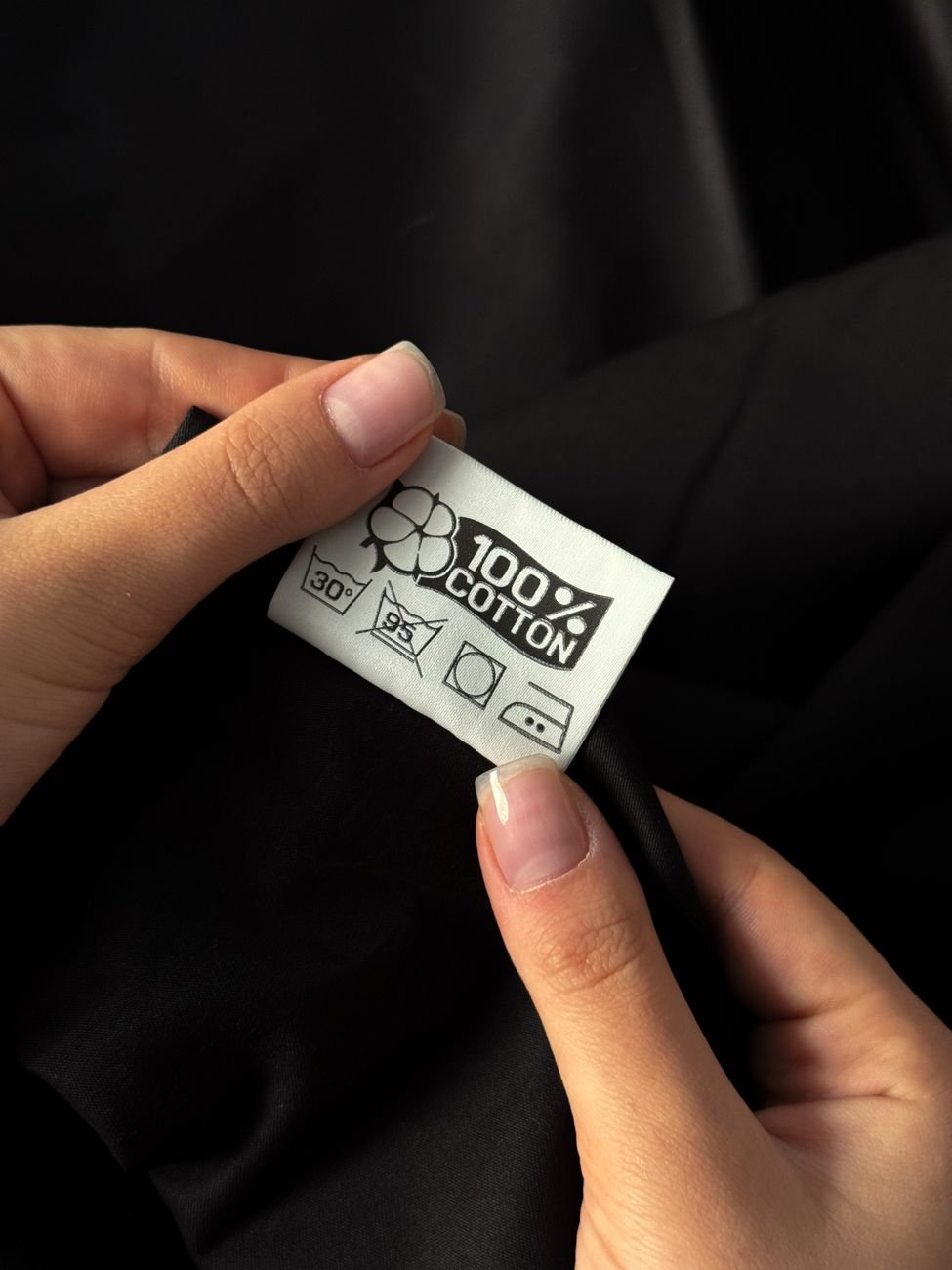
Quick answer: 100% cotton fabric means every fiber in the weave comes from the cotton plant with no polyester, rayon, or other fiber blended in, which matters because it shrinks and presses predictably, breathes well, and takes dye evenly compared to a blend. Quilters especially prefer it because consistent shrinkage across different fabric lines…
-
Fuzzy Fabric: A Guide to Fleece, Sherpa, Minky, and Other Textured Materials
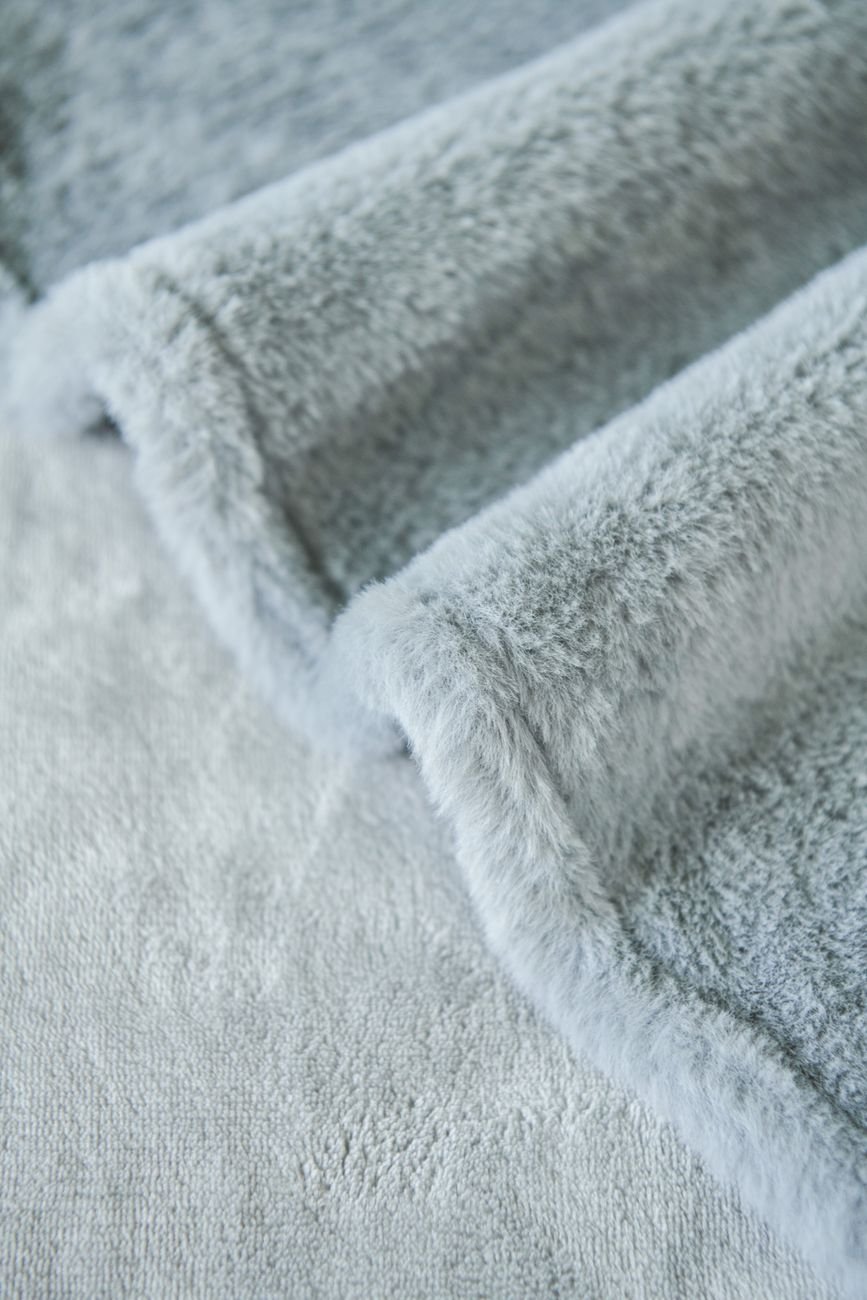
Quick answer: Fuzzy fabric is any material with a soft, raised texture created by a brushed finish, a looped or bonded pile, or fibers knitted directly into the surface, and fleece, sherpa, and minky are the three most common types. Fleece is lightweight and brushed for a soft nap, sherpa has a heavier, looped…
-
Glitter Fabric: Types, Uses, and How to Sew It Without Making a Mess
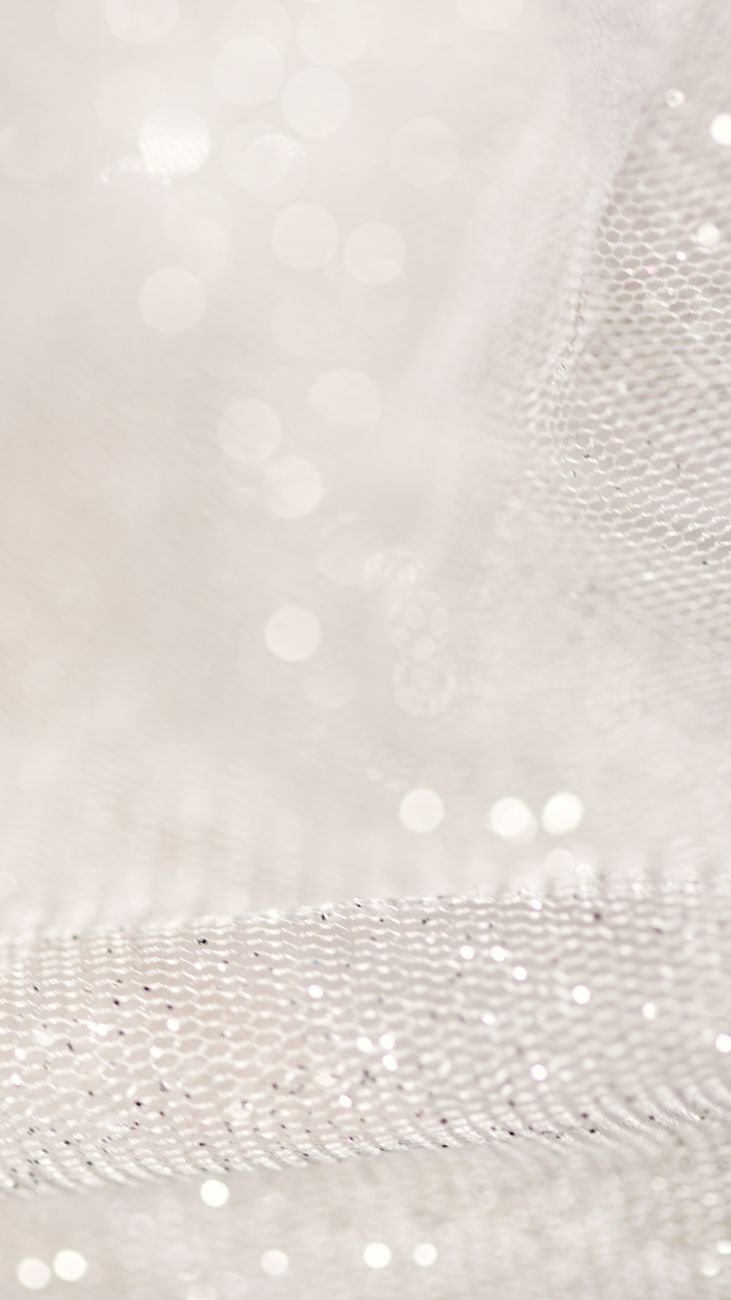
Quick answer: Glitter fabric is a base material, usually tulle, mesh, or a lightweight knit, coated with fine glitter particles bonded on with heat-set adhesive or resin, giving it sparkle on one side while the other stays plain. Common types include glitter tulle, glitter mesh, glitter chiffon, and sequin fabric, which uses actual stitched…
-
See-Through Fabric: Types, Uses, and How to Work With Sheer Materials
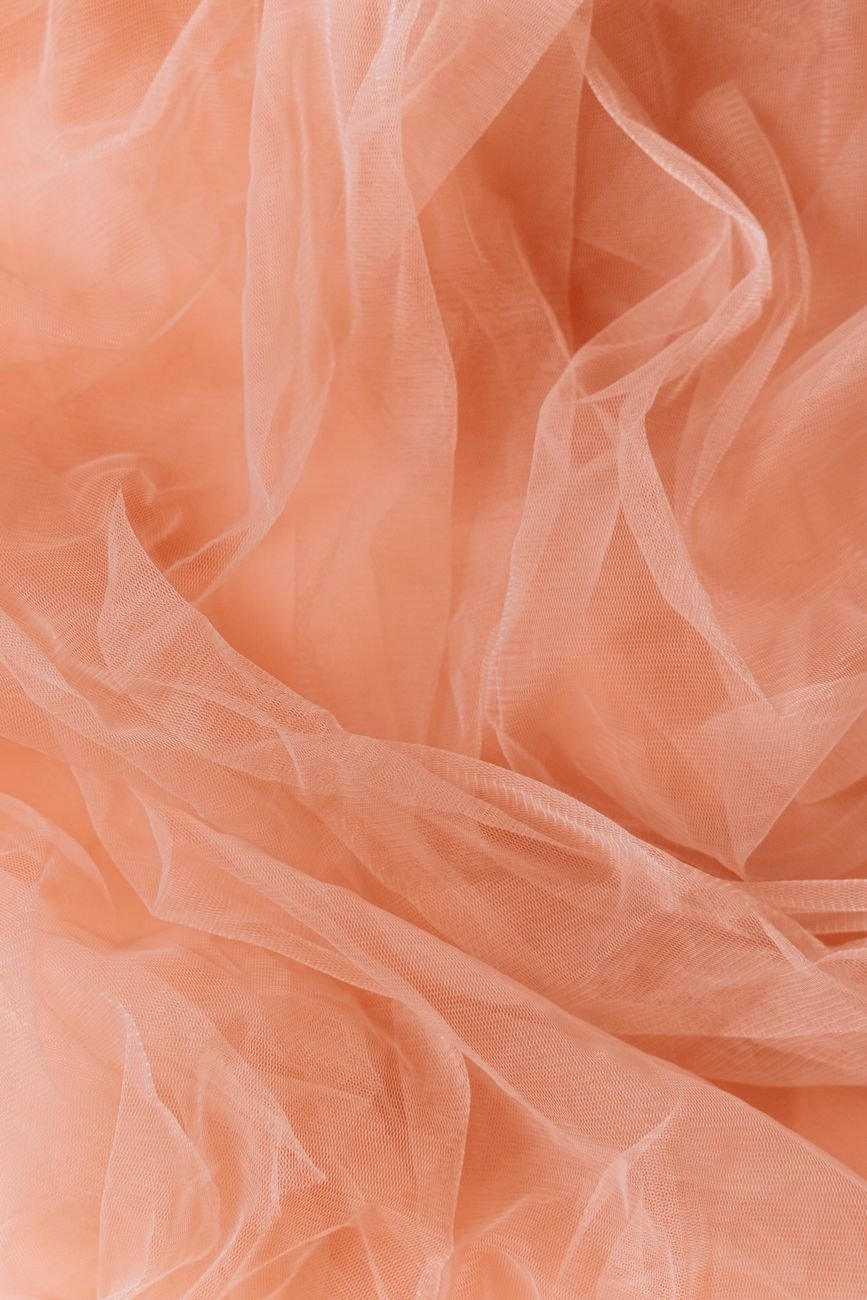
Quick answer: See-through fabric gets its translucency from a combination of fine fibers and a loose or open weave, or in the case of tulle and mesh, from being a net-like knit rather than a woven fabric at all. The most common types are chiffon, organza, voile, georgette, tulle, and mesh, and they range…