Quick answer: Microsuede fabric is a synthetic textile made from ultra-fine polyester microfibers, brushed to raise a soft nap that mimics the look and feel of real animal-hide suede at a fraction of the cost. Compared to real suede, it’s more consistent, more stain and moisture resistant, and much easier to clean and care for, though real suede keeps a certain natural, organic character microsuede can’t fully replicate. It’s commonly used for upholstery, bags, apparel accents, and home decor, and it sews well on a regular home machine as long as you track nap direction across your pattern pieces. In our experience, it’s a genuinely approachable fabric for a first-time suede-style project.
Microsuede fabric has become the go-to alternative to real suede for a lot of good reasons, it’s more affordable, easier to care for, and doesn’t come with the ethical and practical baggage of animal hide, but it still gives you that soft, brushed, suede-like look and feel. Here at Bee’s Quilt Shop and Studio, microsuede shows up in customer projects ranging from bag panels to pillow covers to small garment accents, and it’s a fabric people often haven’t sewn with before picking it up, usually because it looks and feels closer to leather than to anything else on our shelves. Let’s cover what microsuede fabric actually is, how it stacks up against real suede, and how to sew it successfully at home, whether you’re working on a big upholstery-style project or something much smaller.
What Is Microsuede Fabric and How Is It Made?
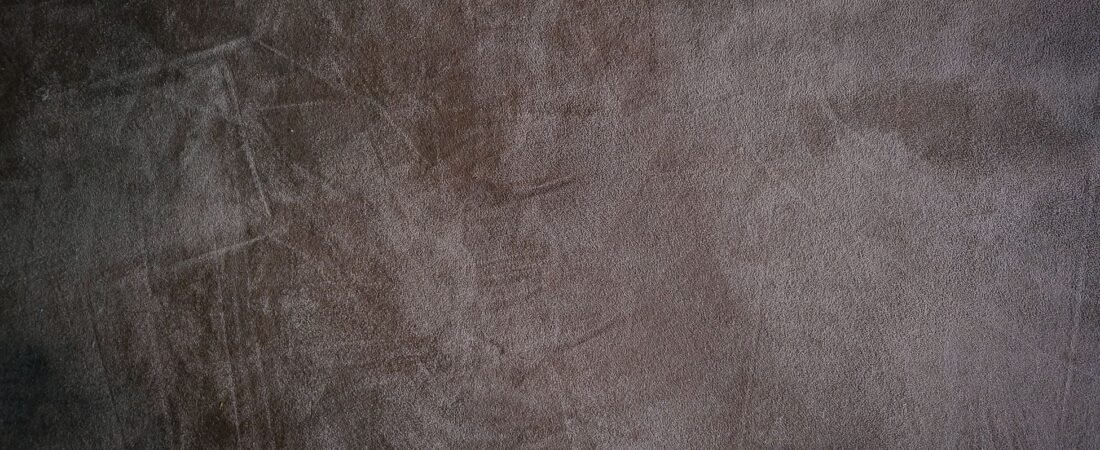
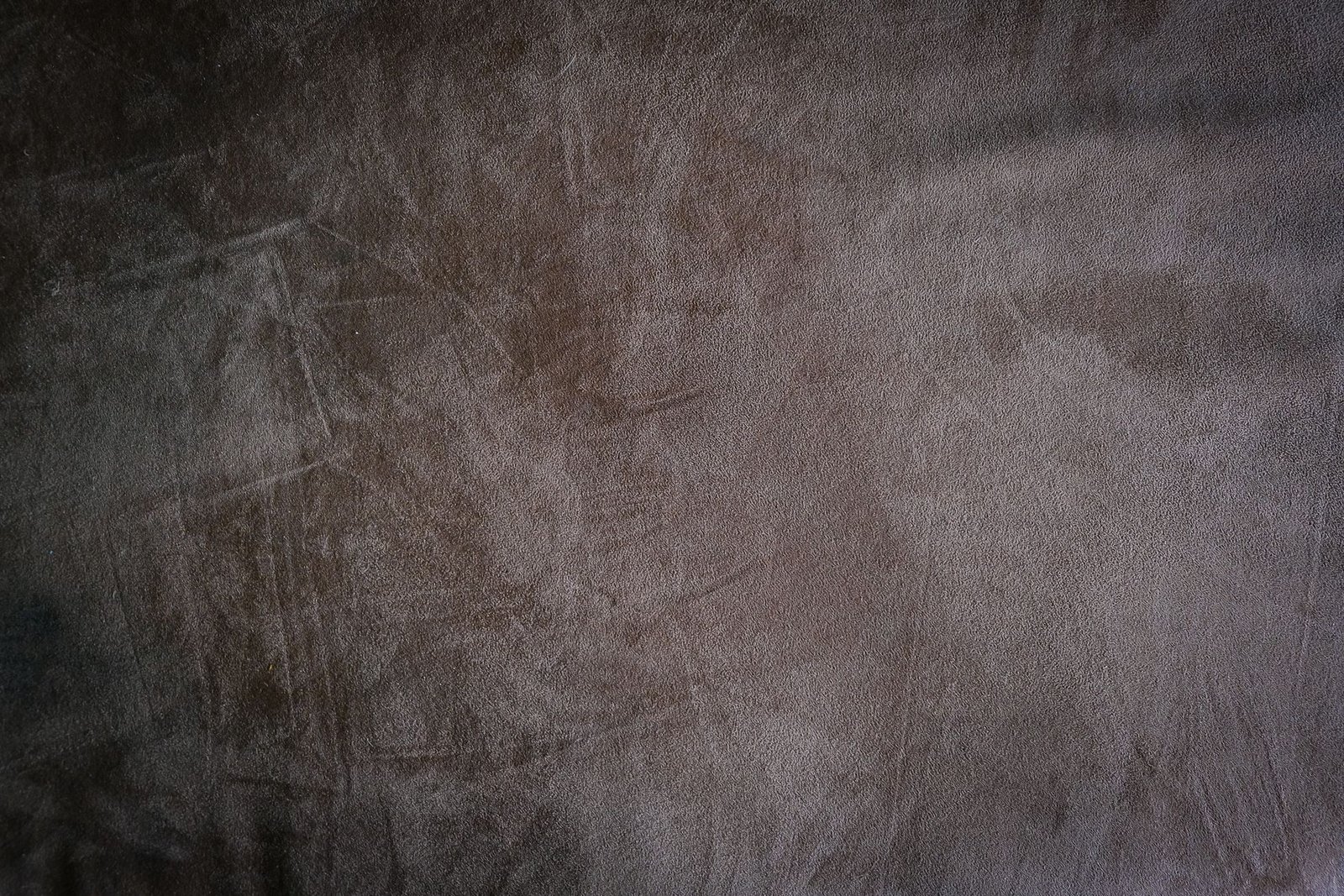
Microsuede fabric is a synthetic textile made from ultra-fine polyester microfibers, woven or knitted into a base fabric and then brushed to raise a soft, short nap that mimics the texture of real suede. Those microfibers are significantly finer than a human hair, which is part of what gives microsuede its exceptionally soft, almost velvety hand despite being an entirely synthetic material. The brushing process is what creates the directional nap you’ll notice if you run your hand across a piece of microsuede in different directions, one way feels smoother, the other feels slightly rougher, a quality it shares with real suede and other napped fabrics like corduroy or velvet. Manufacturing microsuede is a much more consistent, controllable process than tanning and finishing real animal hide, which is a big part of why it’s so much more affordable and available in a wider range of colors. The backing fabric microsuede is knitted or woven onto also affects its final weight and drape, a lighter knit backing produces a softer, more flexible microsuede suited to apparel, while a denser woven backing creates a sturdier version built to handle upholstery-level wear. Some manufacturers also apply an additional stain-guard or water-resistant treatment during finishing, which is worth checking for if a project is likely to face spills or heavy daily handling.
How Microsuede Fabric Compares to Real Suede
Real suede comes from the underside of animal hide, most commonly lamb, goat, or pig, split and buffed to create its characteristic soft nap, which means every piece is naturally variable in texture, thickness, and size depending on the animal it came from. Microsuede fabric, being manufactured rather than harvested, offers complete consistency, every yard from the same run looks and feels identical, and it comes off a bolt in continuous yardage rather than irregular hide-sized pieces, which makes cutting large pattern pieces or matching color across a bigger project considerably easier than working around the natural size limits of a single hide. Real suede is also considerably more delicate when it comes to moisture and staining, water spots and stains can permanently damage real suede, while microsuede’s synthetic fibers are far more resistant to both. Where real suede still wins is in a certain organic, irregular character and a reputation for luxury that a synthetic simply can’t fully replicate, though for most practical purposes, microsuede performs remarkably well as a substitute. Environmental and ethical considerations factor into the choice for a lot of people too, since microsuede requires no animal hide at all, which matters to shoppers looking for a cruelty-free alternative that still delivers a similar look and feel, without giving up much in the way of durability or visual appeal.
Feel, Cost, and Care: Microsuede Versus Animal-Hide Suede
In terms of feel, microsuede is often described as even softer than real suede, since its microfiber construction can be engineered specifically for a plush hand in a way that natural hide can’t always match consistently. Cost is where the difference becomes most obvious, microsuede runs a small fraction of the price of real suede by the yard, which opens up suede’s look and feel to a much wider range of projects and budgets. Care is another major advantage for microsuede, it’s typically machine washable or at least much more forgiving to spot clean than real suede, which usually requires special leather cleaners or professional cleaning to avoid damage. For anyone who’s hesitated to work with real suede because of its price or delicate care requirements, microsuede removes both of those barriers almost entirely. Colorfastness is another practical advantage, microsuede’s synthetic dyes tend to resist fading from sunlight better than natural leather dyes do over time, which matters for furniture or decor pieces that sit in a sunny room for years and are expected to hold their color well.
Common Uses for Microsuede
Upholstery is probably microsuede’s biggest use, it shows up on sofas, chairs, and ottomans thanks to its durability, stain resistance, and soft hand, all qualities that hold up well to daily furniture use. Bags and accessories use microsuede frequently too, structured tote panels, clutches, and pouches all benefit from its suede-like look without the fragility of the real thing. Apparel accents lean on microsuede for trim, collars, and patches where a small dose of suede’s texture adds interest without committing to a full garment made from it. Home decor rounds out the list, pillow covers, throw blankets, and decorative accents all take advantage of microsuede’s soft texture and easy care in a way that would be impractical with real suede for most households. Automotive interiors are a less obvious but genuine use too, microsuede shows up as headliner and seat trim material in a number of vehicles, again thanks to its durability and stain resistance holding up well to years of regular use.
Sewing Microsuede at Home
Nap direction matters a lot when working with microsuede, just as it does with corduroy or velvet, all your pattern pieces need to be cut with the nap running the same direction, or you’ll end up with visibly mismatched shading between pieces once they’re assembled. A universal or leather needle works well depending on the microsuede’s weight, a heavier upholstery-grade microsuede benefits from a stronger needle, while a lighter apparel-weight version does fine with a standard needle. Testing your needle and thread choice on a scrap first is always a good idea, since microsuede’s density can vary noticeably from one manufacturer to the next even within a similar weight category. Seam handling is a bit different too, microsuede doesn’t fray, so many projects skip a traditional seam finish and simply topstitch the seam allowance flat instead, which also helps the seam lie smoother under the nap. A walking foot helps feed microsuede evenly, especially on thicker or heavier weights, since the nap itself can create a bit of drag that a standard presser foot doesn’t always handle smoothly. Pins can leave small permanent marks in some microsuede finishes, so many sewists prefer clips within the seam allowance, especially on a project where the pin marks might end up somewhere visible on the finished piece.
Smaller Craft and Accessory Projects With Microsuede
You don’t need a full upholstery project to enjoy working with microsuede. Coasters, small pouches, and phone cases are approachable starting projects that let you get comfortable with the fabric’s nap direction and seam handling on a small, low-stakes scale. Patchwork or applique accents are another fun option, adding a microsuede shape to an otherwise cotton project introduces real textural contrast without requiring you to work with a large piece of the fabric. Bag straps and handles are a practical small-scale use too, microsuede’s durability and soft hand make it comfortable against the hand or shoulder while adding a bit of visual interest to an otherwise simple bag design. Even something as small as a set of microsuede coasters or a covered journal makes a satisfying, giftable project that showcases the fabric’s texture without a big time or fabric investment. Jewelry pouches and eyeglass cases are two more small, practical projects worth trying, both benefit from microsuede’s soft surface, which helps protect delicate contents while still looking polished and put together.
If you’d like to feel microsuede and other specialty fabrics in person, stop by Bee’s Quilt Shop and Studio at 1975 Old Moultrie Road in St. Augustine, FL, or browse our fabric collection online to see what’s currently in stock. Our team has 75 years of combined sewing and quilting experience and we’re always happy to help you pick the right weight of microsuede and talk through nap direction before you start cutting.
Frequently Asked Questions
Does microsuede look cheap compared to real suede?
Not necessarily, modern microsuede has a genuinely soft, convincing texture that many people can’t distinguish from real suede at a glance. Up close and under close handling, real suede still has a slightly different, more organic character, but microsuede holds its own remarkably well for most everyday uses.
Is microsuede hard to sew for a beginner?
It’s fairly approachable, the main thing to keep track of is nap direction when cutting your pattern pieces, which is a new consideration if you’re used to sewing cotton. Once you’ve accounted for that, microsuede sews on a regular home machine without much extra difficulty.
Does microsuede stain easily?
No, one of microsuede’s biggest advantages over real suede is stain resistance, its synthetic fibers are much less absorbent, so spills are more likely to bead up or wipe away rather than soaking in and staining permanently. This is a big part of why it’s such a popular upholstery fabric for households with kids or pets.
Can microsuede be machine washed?
Many microsuede fabrics are machine washable, though it’s worth checking the specific care instructions for your fabric, since backing materials and treatments can vary between manufacturers. In our experience, staff at Bee’s Quilt Shop and Studio can help you confirm care requirements for a specific bolt if you’re not sure.
Does a regular sewing machine needle work on microsuede?
Yes, for most lighter to mid-weight microsuede, a standard universal needle handles the fabric just fine. Heavier, upholstery-grade microsuede may do better with a leather or heavy-duty needle, since the denser backing can be tougher for a standard needle to push through cleanly.
This article is intended for general educational and informational purposes only, based on common sewing and crafting practices and the hands-on experience of our staff at Bee’s Quilt Shop and Studio. Fabric weight, backing, and care requirements can vary between manufacturers, so we recommend checking care labels and testing a scrap before starting a full project.