Quick answer: Stretch lace fabric differs from regular lace because it has spandex or Lycra woven or knitted into its structure, giving it real give and recovery instead of the fixed, non-stretch hand of traditional lace. That stretch makes it a natural fit for lingerie, bodysuits, and loungewear that need to move and hug the body, though it’s also genuinely useful as trim and embellishment on garments and craft projects that have nothing to do with underwear at all. Sewing it successfully mostly comes down to choosing the right needle and understanding whether you’re working with 2-way or 4-way stretch.
Stretch lace fabric tends to get pigeonholed into one category, bras and underwear, and while it’s genuinely excellent for that, it’s also one of the more underused fabrics in a lot of home sewists’ project ideas. Here at Bee’s Quilt Shop and Studio, we love pointing customers toward stretch lace for garment trim, hemlines, and craft accents once they realize it’s not just a lingerie-only fabric. Understanding what actually makes stretch lace different from the regular lace you might already be familiar with, and how to tell a good stretch lace from one that won’t hold up, makes a real difference whether you’re sewing a bodysuit or just adding a decorative edge to a cardigan. Let’s cover how stretch lace fabric is built, how it compares to non-stretch lace, and the wide range of things you can actually make with it.
What Is Stretch Lace Fabric?
Stretch lace fabric is built by working spandex or Lycra fibers directly into the lace’s knit or woven structure, rather than relying purely on the openwork pattern for any flexibility, which gives it genuine, reliable stretch that holds up over repeated wear. Most stretch lace is knitted rather than woven, using a raschel or warp-knit process that allows the decorative floral or geometric motifs to form while still incorporating stretch fibers throughout the base. The amount of spandex blended in varies by manufacturer and style, generally somewhere between five and twenty percent, which affects how much stretch and recovery a specific stretch lace offers. Because the elastic fiber is knitted directly into the structure rather than added afterward, good stretch lace maintains its pattern and openwork detail even while stretched, rather than distorting or pulling apart the way you might expect a delicate lace to under tension. Higher-quality stretch lace also tends to use a finer denier spandex that’s less visible within the pattern, so the elastic fiber blends into the design rather than showing up as an obvious shiny thread running through an otherwise delicate motif.
How Stretch Lace Differs From Regular Lace
Regular, non-stretch lace is typically woven or made through bobbin or needle lace techniques without any elastic fiber at all, which gives it a fixed shape that holds beautifully for trim, veils, and structured garments but won’t move with the body the way stretch lace does. Stretch lace fabric, by contrast, is specifically engineered for garments that need to fit close to the body and flex with movement, like a fitted bodysuit or a bra that needs to expand and contract throughout the day. In terms of feel, non-stretch lace often has a crisper, more delicate hand, while stretch lace tends to feel a bit more substantial and forgiving thanks to the elastic fibers running through it. Non-stretch lace is generally the better choice for anything meant to hold a fixed shape, like a bridal veil or a structured lace overlay, while stretch lace fabric wins whenever comfort, fit, and range of motion matter more than rigid structure. Price and availability can differ too, non-stretch lace generally comes in a wider range of specialty patterns for bridal and formal use, while stretch lace tends to be sold in colors and motifs specifically developed for intimate apparel and activewear applications.
Common Uses for Stretch Lace Fabric
Lingerie is by far stretch lace’s best-known and most common use, bras, panties, and shapewear all rely on its combination of stretch, recovery, and decorative texture to fit comfortably and look polished at the same time. Bodysuits and fitted tops use stretch lace for both structure and visual interest, often paired with a lining fabric for opacity in the right places. Loungewear, like robes and camisoles, benefits from stretch lace’s softness and give, especially along necklines and hemlines where a bit of stretch improves comfort without sacrificing a pretty finished look. Swimwear and dancewear designers also reach for stretch lace occasionally, layering it over a solid stretch fabric for a textured, decorative effect that still moves the way athletic or performance garments need to. Even outside of clothing entirely, stretch lace shows up as a decorative binding or edge finish on stretch fabric projects, since its own stretch lets it wrap smoothly around a curved or stretchy edge without puckering.
Needle and Stitch Choices for Sewing Stretch Lace
A ballpoint or stretch needle is the right call for stretch lace, sliding between the knit structure’s loops rather than piercing through them the way a sharp universal needle would, which helps prevent runs and small holes in the delicate motifs. A narrow zigzag stitch is generally the best default for seams, allowing the stitching to stretch along with the fabric instead of popping once the seam is pulled or worn. A three-step zigzag or a lightning stitch, if your machine has one, gives even more give and is worth using on high-stress seams like a bra band or a fitted bodysuit side seam. Stitch length usually needs to be a touch longer than what you’d use on a woven fabric, since a very short stitch can perforate the delicate lace structure and weaken it rather than securing it. Testing your exact stitch and tension settings on a scrap of the same stretch lace before sewing the real seam is always worth the extra few minutes, since stretch lace varies quite a bit in weight and stretch percentage between different rolls, even within the same general style or color family.
2-Way Versus 4-Way Stretch and Testing Recovery
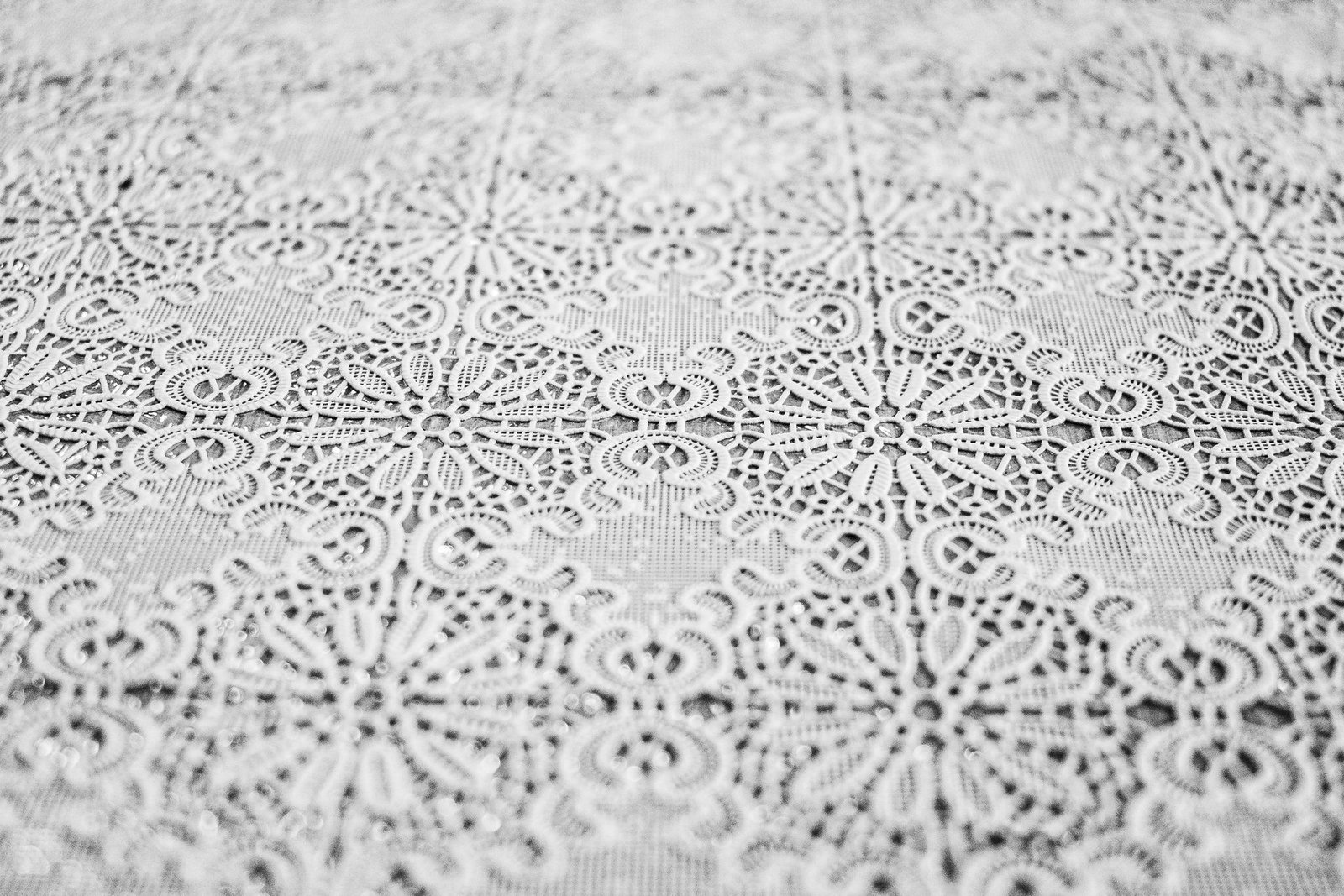
2-way stretch lace stretches in one direction only, usually crosswise, which works well for trim, hemlines, and applications where the fabric just needs to give a little in one direction without needing to move in every direction at once. 4-way stretch lace stretches both crosswise and lengthwise, which is what you want for a fitted garment like a bodysuit or bra that needs to move and flex with the body in multiple directions throughout a normal day. Checking which type you’re looking at is simple, gently stretch a swatch first in one direction and then the other, if it only gives one way, it’s 2-way, if it stretches noticeably in both directions, it’s 4-way. Testing recovery matters just as much as testing stretch itself, stretch the fabric firmly and hold it for about ten seconds, then release and see how quickly and completely it snaps back to its original size, since lace that stays visibly stretched out afterward will likely sag and lose shape in a finished garment. Buying from a reputable source and handling the fabric yourself before committing to yardage is the most reliable way to avoid ending up with stretch lace that looks great on the bolt but doesn’t hold up in the finished piece, especially for a fitted project where poor recovery would be immediately noticeable once worn.
Non-Lingerie Uses for Stretch Lace
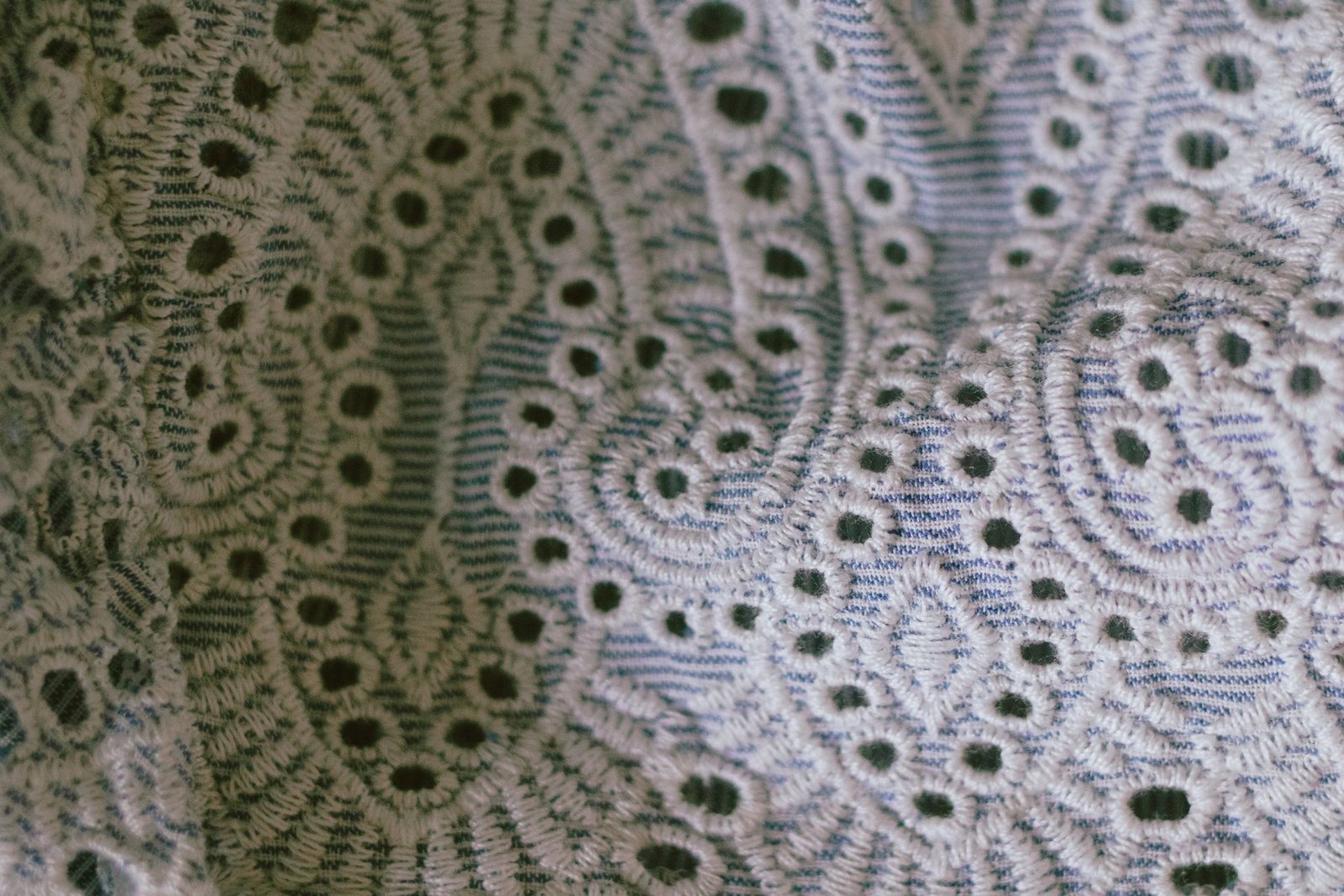
Garment trim is probably the easiest entry point into using stretch lace outside of lingerie, adding a strip along a hemline, sleeve cuff, or neckline gives a soft, pretty finish that moves comfortably with a knit garment. Hem lace specifically is a favorite for extending the length of a skirt or dress while adding a decorative edge, and its stretch means it can be eased around curved hems without puckering the way non-stretch lace sometimes does. Embellishing quilted or craft items with small stretch lace accents adds texture and softness that a woven trim can’t quite replicate, especially on baby items or soft accessories where a gentle, stretchy edge is more comfortable against skin. Headbands, scrunchies, and hair accessories are another approachable project, taking advantage of stretch lace’s give and recovery on a small, quick scale. Even simple embellishments like adding a stretch lace band to the cuff of a handmade sweater or the waistband of a skirt can elevate a project well beyond what the underlying fabric alone would offer, and since these applications only need a small amount of yardage, they’re a great way to use up a remnant piece of a special stretch lace you didn’t have quite enough of for a full garment.
If you’d like to feel the stretch and recovery of our lace selection in person, stop by Bee’s Quilt Shop and Studio at 1975 Old Moultrie Road in St. Augustine, FL, or browse our fabric collection online to see what’s currently in stock. Our team has 75 years of combined sewing and quilting experience and we’re happy to help you pick the right stretch lace for your project.
Frequently Asked Questions
Does stretch lace lose its stretch over time?
It can with heavy wear and repeated washing, particularly if it’s exposed to high heat or harsh detergents that break down the spandex fibers over time. Choosing a good quality stretch lace to start with and washing it gently on a cold, delicate cycle helps it keep its recovery much longer.
Does a regular sewing machine needle work on stretch lace?
A regular sharp universal needle can snag or perforate the delicate knit structure, so a ballpoint or stretch needle is a better choice for stretch lace. Switching needle types is a small change that makes a noticeable difference in how cleanly the fabric sews.
Can stretch lace substitute for elastic?
Not really, stretch lace has meaningful give but doesn’t have the same firm recovery and holding power as dedicated elastic, so it isn’t a reliable substitute in a waistband or fitted band that needs to hold its shape under real tension. It works beautifully alongside elastic as a decorative layer, though, rather than as a replacement for it.
How do you keep stretch lace from snagging while sewing?
Working slowly, using a ballpoint needle, and keeping your hands and work surface free of rough edges or jewelry all help prevent snags. At Bee’s Quilt Shop and Studio, we also recommend supporting the fabric’s weight as it feeds through the machine so it doesn’t drag or catch on the machine bed.
Is stretch lace comfortable enough for everyday wear?
Yes, most sewists find good quality stretch lace comfortable for everyday garments like bras, loungewear, and bodysuits, especially when paired with a soft lining fabric where it sits against the skin. Choosing a lace with a smooth, well-finished back and appropriate stretch percentage for the garment goes a long way toward all-day comfort.
This article is intended for general educational and informational purposes only, based on common sewing and crafting practices and the hands-on experience of our staff at Bee’s Quilt Shop and Studio. Fabric stretch, recovery, and care requirements can vary between manufacturers, so we recommend checking care labels and testing a scrap before starting a full project.