Quick answer: Iridescent fabric gets its color-shifting effect from light refracting across dual-tone threads, woven so the warp and weft carry different colors that shift depending on the angle you view them from, sometimes enhanced further with a light-reflecting coating. Working with it means paying attention to that shift, since cutting direction and pattern placement can create an unplanned patchwork look if you’re not careful, and it’s worth auditioning the fabric under different lighting before committing to a project. Once you understand how the color shift behaves, iridescent fabric is a genuinely fun material to sew with for costuming, quilting accents, and eye-catching craft projects.
Iridescent fabric has a way of stopping people in their tracks, that shifting, almost holographic quality catches the eye from across the shop, and it’s one of the more frequent “what is this fabric and how do I use it” conversations we have at Bee’s Quilt Shop and Studio. It shows up most often in costuming and eveningwear, but we’ve also seen it used beautifully in small quilting and applique accents, where its color shift adds a genuinely unique effect a solid or printed fabric just can’t replicate. Because iridescent fabric behaves differently than the cottons and blends most quilters are used to, it’s worth understanding what’s actually causing that shimmer before you cut into it. Let’s cover what creates the color-shifting effect, the common types you’ll come across, and how to use iridescent fabric successfully in both garment and quilting projects.
What Causes the Color Shift in Iridescent Fabric
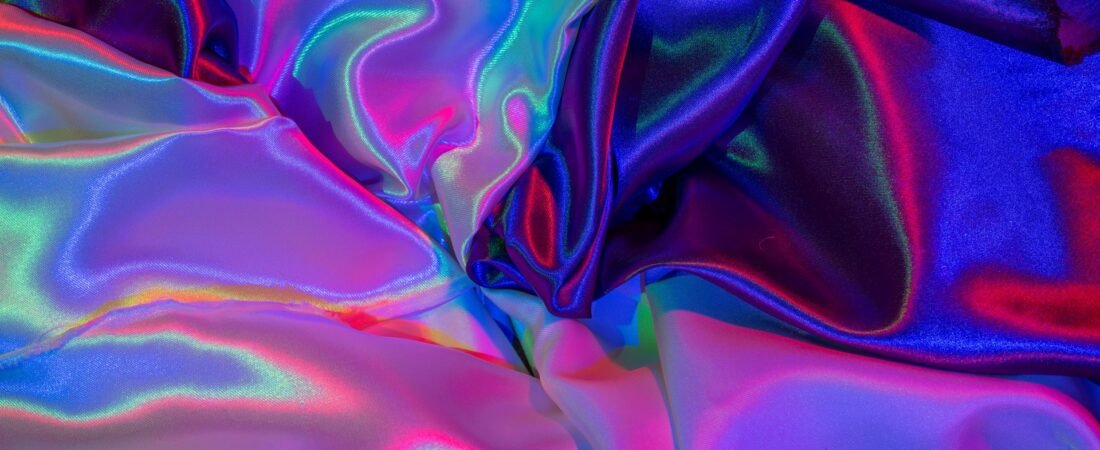
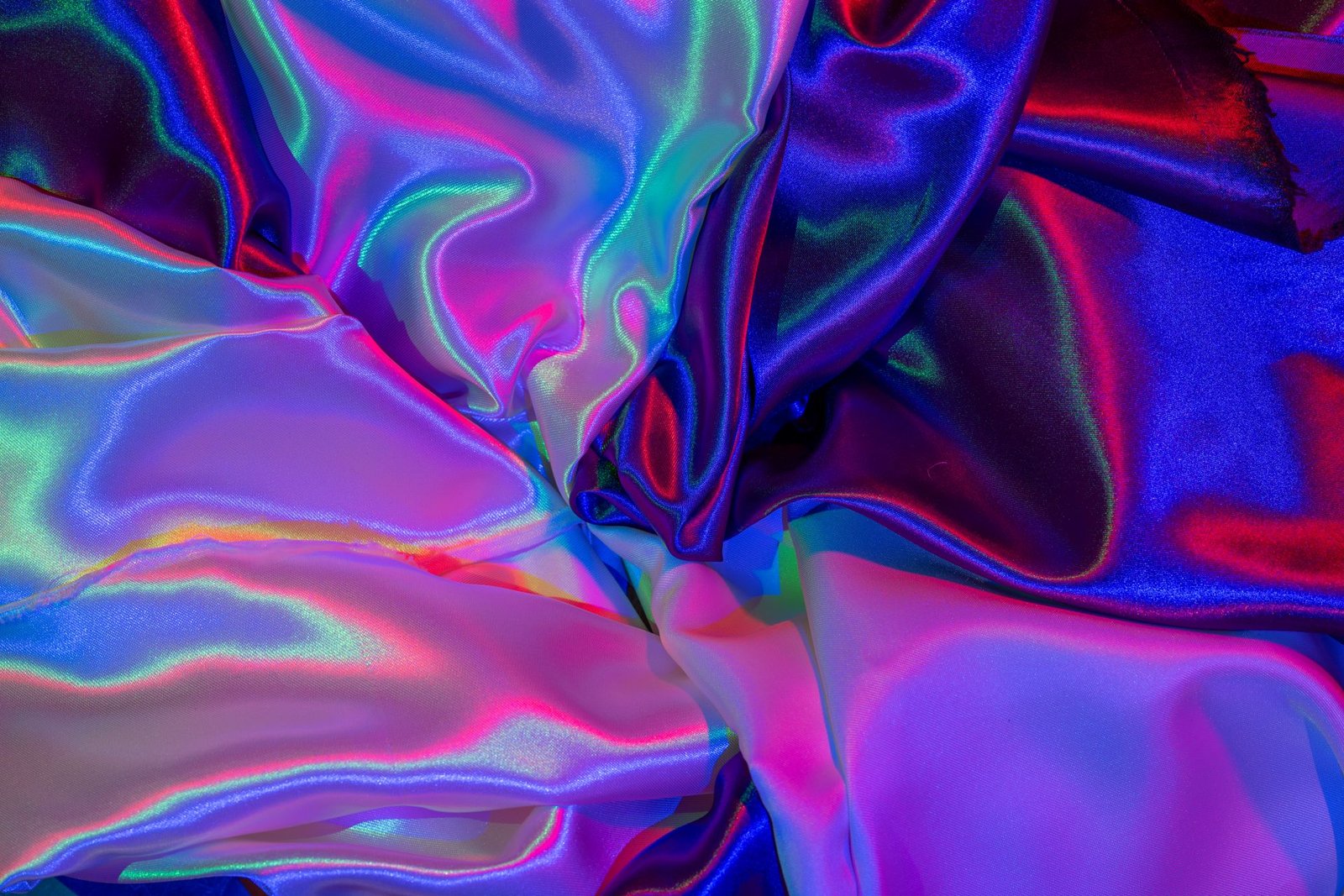
The color-shifting effect in iridescent fabric mostly comes down to dual-tone threads, where the warp threads running one direction are dyed a different color than the weft threads running the other direction, so the fabric’s dominant color appears to change depending on the angle of light and your viewing position. Light refraction plays a role too, the tightly woven structure of most iridescent fabrics bends and scatters light in a way that emphasizes that color shift even further, similar to the way an oil slick or a soap bubble shows shifting colors. Some iridescent fabrics add a thin reflective or metallic coating on top of the woven base, which amplifies the shimmer and can introduce an almost holographic quality beyond what the dual-tone threads alone would create. The steepness of the color shift varies a lot between fabrics too, some shift subtly between two closely related tones, while others swing dramatically between very different colors depending on the specific threads used in the weave. Because the effect is built into the weave structure itself rather than printed on, it holds up over the life of the fabric far better than a printed color-shift effect would. This is a genuinely different mechanism than the sequins or foil prints some people expect when they hear “iridescent,” and understanding that distinction helps explain why the color shift moves so fluidly as the fabric moves rather than sitting flat the way a printed pattern would.
Common Types of Iridescent Fabric
Iridescent taffeta is one of the most popular types, a crisp, structured weave that holds its shape well, commonly used in costuming, formal wear, and craft projects that benefit from a bit of body. Iridescent lurex incorporates metallic threads into the weave alongside the dual-tone base, adding an even more pronounced sparkle and shimmer on top of the natural color shift, popular for eveningwear and eye-catching accents. Iridescent sequin fabric takes the effect a step further, attaching small reflective sequins to a base fabric so the color shift comes from both the woven base and the individually shifting sequins, creating a much more dramatic, textured shimmer suited to costuming and statement pieces. Iridescent organza and chiffon offer a lighter, more sheer take on the effect, letting the color shift show through delicately rather than with taffeta’s crisp structure, which works well for overlays and softer garment accents. Each type behaves differently in terms of weight, drape, and how dramatically the color shifts, so it’s worth handling a few options in person before deciding which fits your specific project best.
How Iridescent Fabric Feels and Behaves
Compared to other specialty fabrics, iridescent taffeta and similar woven types tend to have a crisp, slightly stiff hand, closer to a structured satin than a soft, flowing charmeuse, which helps them hold shape in costuming and formal wear. Iridescent fabric can be a little more prone to fraying at cut edges than a stable quilting cotton, so a finished seam or a bit of fray-check on raw edges is worth the extra step, especially on a garment that will see real wear. It presses differently than most fabrics too, direct high heat can dull or damage the reflective quality that makes iridescent fabric special in the first place, so a lower iron setting and a pressing cloth are worth using every time. Handling iridescent fabric under different types of light while you work is also worth getting used to, since the fabric can look noticeably different under warm incandescent light, cool overhead fluorescent light, and natural daylight, which affects how you judge color placement and pattern matching as you sew.
Common Uses for Iridescent Fabric
Costuming is probably iridescent fabric’s single most natural home, showing up in stage and performance wear, cosplay, and Halloween costumes where its eye-catching shimmer reads well under stage lighting and from a distance. Eveningwear and formal accents use iridescent fabric for sashes, wraps, and statement details that catch light beautifully under evening lighting and photography. Home decor makes use of it too, throw pillow accents, table runners, and decorative touches that benefit from a bit of shimmer without overwhelming a room. Quilting and applique are a less obvious but genuinely rewarding use, small iridescent accent pieces add real visual interest to an art quilt or a special-occasion project in a way a solid fabric simply can’t replicate. Craft projects like ornaments, gift wrapping accents, and small accessories round out the list, taking advantage of iridescent fabric’s shimmer at a scale where even a small amount of fabric goes a genuinely long way toward making a project feel special.
Using Iridescent Fabric in Quilting and Applique
Cutting direction matters a lot more with iridescent fabric than with a typical quilting cotton, since the color shift means two pieces cut from the same yardage but rotated differently can appear to be entirely different colors once sewn into a quilt top, creating an unplanned patchwork effect if you’re not paying attention. Laying out all your pattern pieces on the fabric before cutting anything, keeping a consistent grain direction across pieces meant to match, helps avoid that surprise once the quilt top comes together. For applique specifically, iridescent fabric’s shimmer works best in small to medium accent shapes, like a butterfly wing, a flower center, or a highlight detail, where the color shift reads as an intentional design choice rather than an inconsistency across a large pieced area. Stabilizing iridescent fabric with a lightweight fusible interfacing before cutting small applique shapes also helps prevent fraying and keeps delicate edges from shifting while you stitch them down. Many quilters find that using iridescent fabric sparingly, as an accent rather than the main fabric across a large pieced area, gives the most striking and controlled result, letting the shimmer read as a deliberate highlight instead of an unpredictable patchwork of shifting tones across the whole top.
Auditioning Iridescent Fabric Under Different Light
Because iridescent fabric looks so different depending on lighting, it’s worth testing a swatch under a few different conditions before committing to yardage for a project, especially a large one like a quilt top or a garment. Shop lighting, usually a mix of overhead fluorescent or LED fixtures, tends to make iridescent fabric look cooler and can mute some of its warmer tones compared to how it will look under natural daylight or warm home lighting. Holding a swatch near a window, and separately under a lamp similar to what you’ll use in the finished piece’s setting, gives a much more realistic sense of how the color shift will actually read once the project is complete. If the fabric will sit alongside other quilt fabrics, auditioning it directly next to those fabrics under the same lighting is worth doing too, since iridescent fabric’s shifting tones can either complement or clash with surrounding colors depending on the specific angle and light source. Taking the extra few minutes to test lighting before cutting is a small step that saves a lot of second-guessing partway through a project, and it’s a habit our staff genuinely recommends to every customer picking up iridescent fabric for the first time.
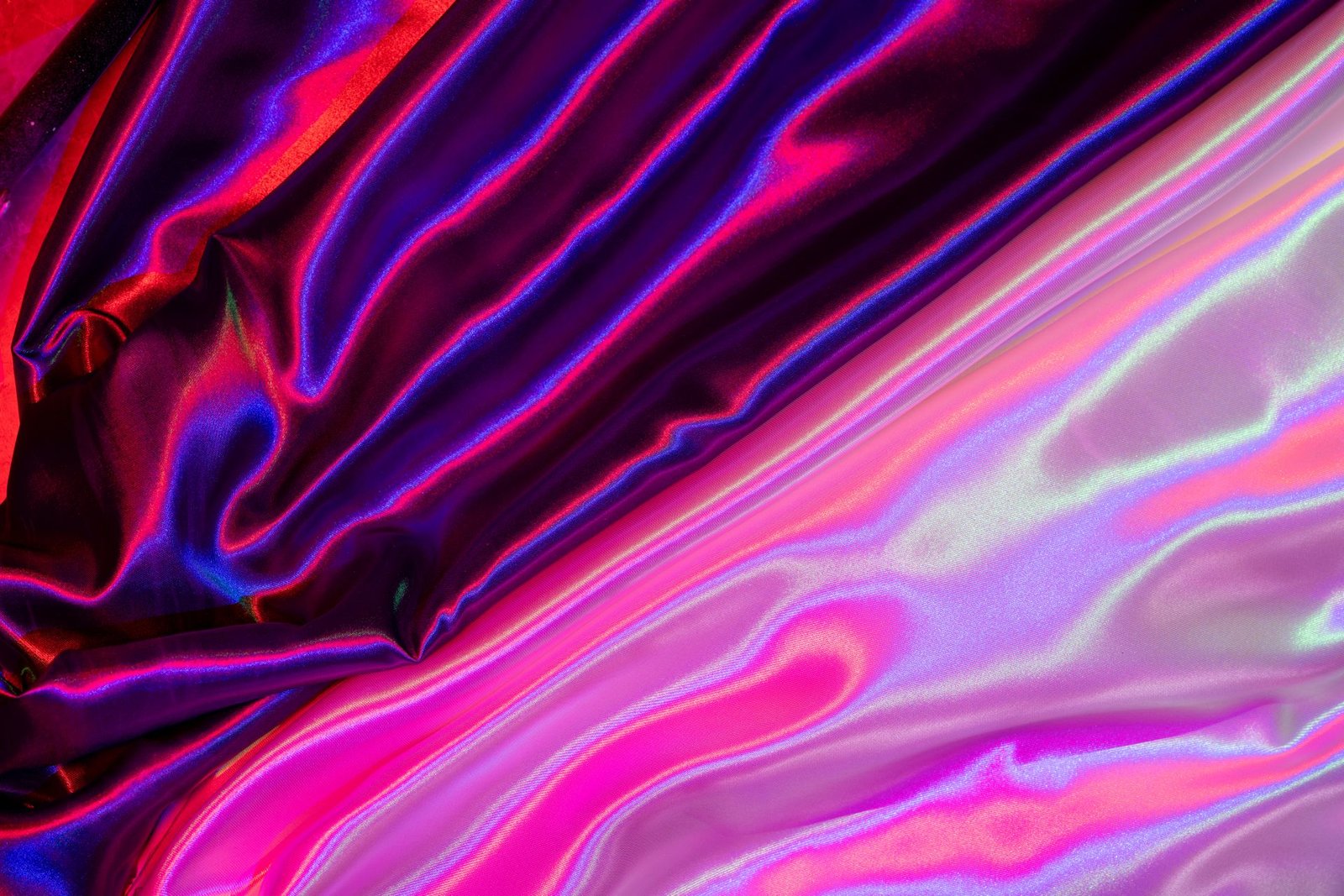
If you’d like to see the color shift for yourself, stop by Bee’s Quilt Shop and Studio at 1975 Old Moultrie Road in St. Augustine, FL, or browse our fabric collection online to see our iridescent fabric under different light. Our team has 75 years of combined sewing and quilting experience and we’re happy to help you plan out cutting direction before you commit to a project.
Frequently Asked Questions
Does iridescent fabric look the same in every lighting?
No, that’s actually the whole point of iridescent fabric, its dual-tone weave shifts color depending on the angle and type of light hitting it. It’s worth auditioning a swatch under a few different light sources before committing to yardage, since the shift can be more dramatic under some lighting than others.
Is iridescent fabric hard to sew for a beginner?
It’s approachable for most beginners, especially the woven taffeta types, though it does fray a bit more readily than quilting cotton, so finishing raw edges is worth the extra step. Starting with a small accent project rather than a full garment is a good way to get comfortable with how it handles.
Will the color shift fade over time or with washing?
Since the effect comes from the woven structure of the dual-tone threads themselves rather than a surface print, it holds up well over time and generally doesn’t fade the way a printed color-shift effect would. That said, any added metallic or reflective coating can dull with repeated harsh washing, so gentle care helps preserve the full effect longest.
Does iridescent fabric work for a quilt project or only garments?
It works well for both, though in quilting it’s most effective used sparingly as an accent, in applique shapes or small pieced sections, rather than across a large pieced area where cutting direction differences can create an unintended patchwork look. Many quilters at Bee’s Quilt Shop and Studio pick it up specifically for accent pieces in art quilts and special-occasion projects.
Does iridescent fabric snag easily?
It can, particularly iridescent sequin and lurex varieties, since the reflective threads or attached sequins are more delicate than a plain woven fabric. Handling it carefully, keeping it away from rough surfaces and sharp jewelry while sewing, goes a long way toward keeping the finish looking its best.
This article is intended for general educational and informational purposes only, based on common sewing and crafting practices and the hands-on experience of our staff at Bee’s Quilt Shop and Studio. Fabric behavior, colorfastness, and care requirements can vary between manufacturers, so we recommend checking care labels and testing a scrap before starting a full project.