Quick answer: Polyester mesh fabric comes in a range of types, from lightweight power mesh to sturdier sports mesh and structural mesh, each built with a different open weave or knit and aperture size to balance breathability, stretch, and support. Choosing the right weight comes down to comparing it to fabrics you already know rather than relying on a GSM number alone, a light power mesh feels close to tulle, while a heavier structural mesh feels closer to canvas. Beyond activewear, polyester mesh is genuinely useful for home sewing and craft projects like laundry bags, produce bags, and ventilated linings.
Polyester mesh fabric shows up on our shelves in a surprising range of weights and textures, and it’s one of those fabrics that customers often walk right past because they associate it purely with sportswear. Here at Bee’s Quilt Shop and Studio, we like pointing out that polyester mesh fabric has a lot more going for it than just activewear, its breathability and structure make it genuinely useful for bags, costume layers, and craft projects most people wouldn’t think to reach for it on. Understanding the difference between the various weights and types on the shelf, without needing a manufacturer’s spec sheet to translate GSM numbers, makes it much easier to pick the right one the first time you’re standing at the bolt. Let’s cover what polyester mesh fabric actually is, the main categories you’ll run into, and how to put it to use in home sewing and craft projects beyond the gym.
What Is Polyester Mesh Fabric?
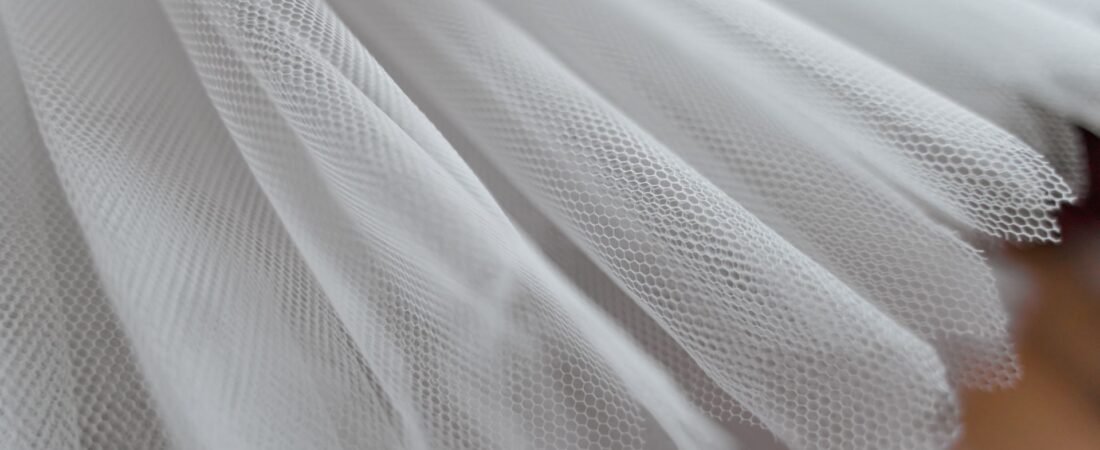
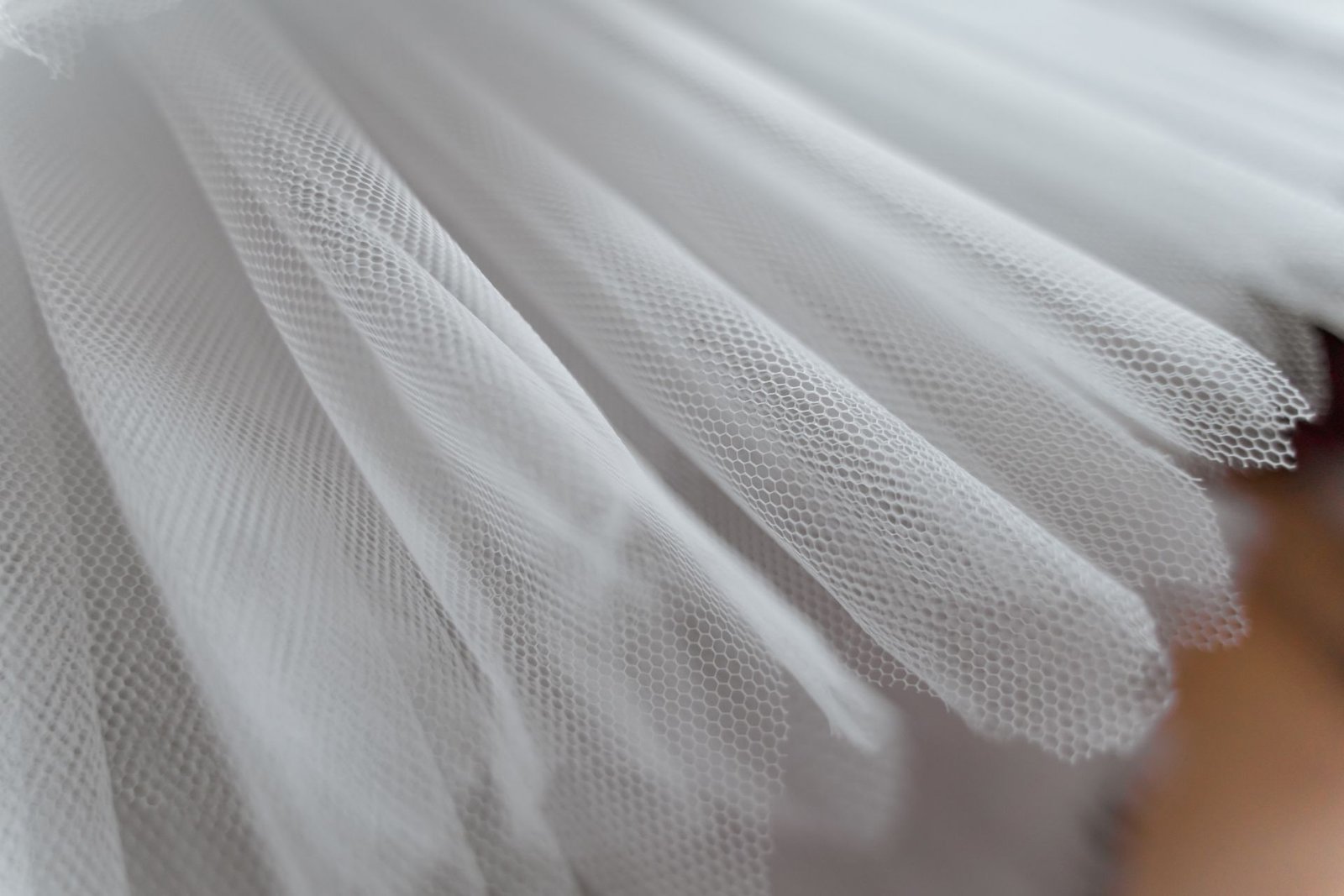
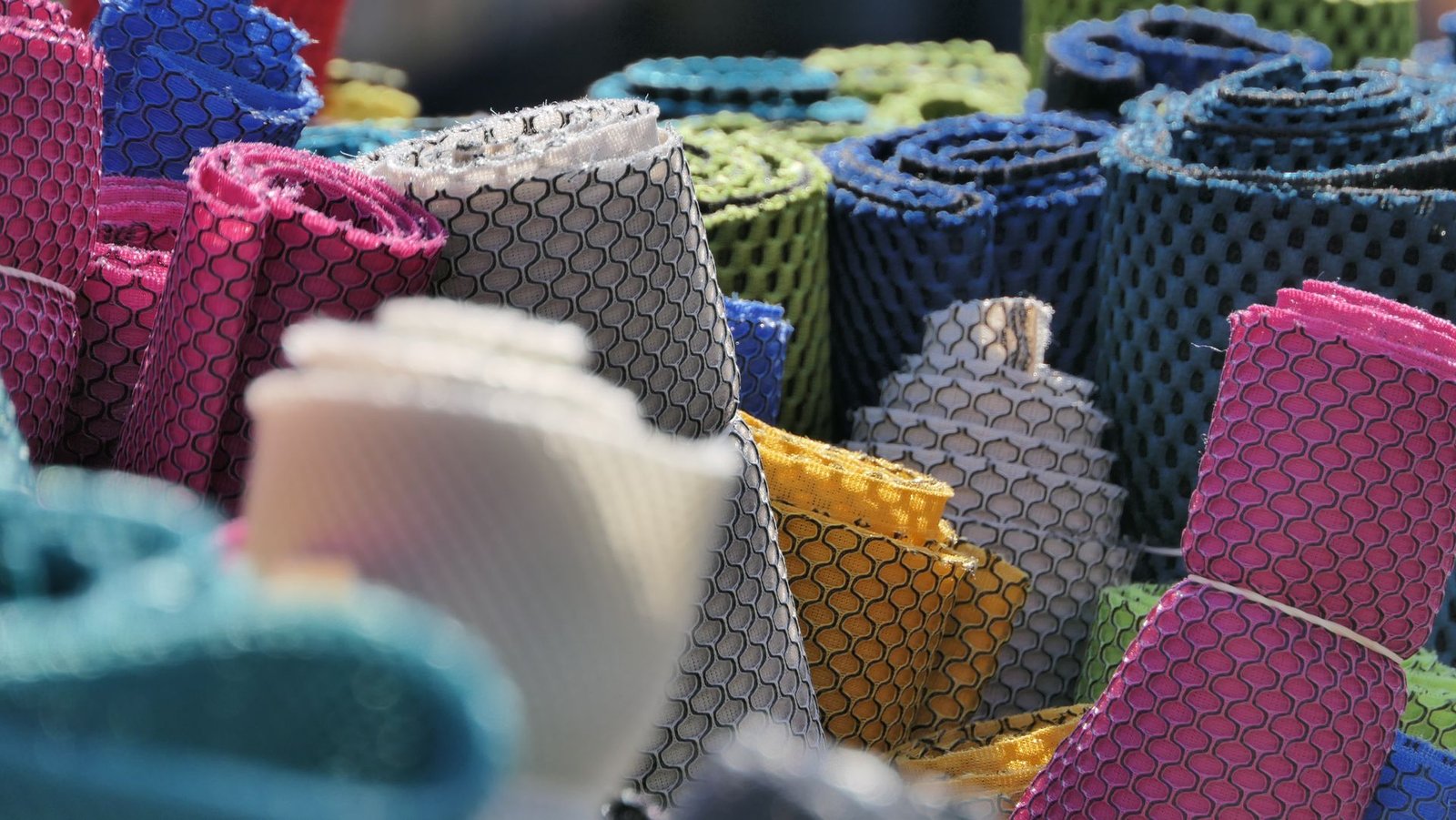
Polyester mesh fabric is an open, breathable textile constructed with visible gaps, called apertures, between the fibers, allowing air and light to pass through in a way a solid woven or knit fabric can’t. It can be either knit or woven, knit mesh tends to have more stretch and a softer hand, formed by looping polyester yarns together in a way that leaves regular openings, while woven mesh is more stable and rigid, created by weaving yarns in a grid pattern that holds its shape without much give. Aperture size, meaning how large or small the individual openings in the mesh are, varies a lot between types and directly affects both how breathable the fabric feels and how much structure it holds, a fine, tight mesh feels smoother and offers more support, while a large, open mesh breathes more and drapes more loosely. Because polyester is inherently durable, quick-drying, and resistant to stretching out of shape, it’s become the go-to fiber for mesh fabric across nearly every application imaginable, from athletic wear to industrial screening and beyond. The specific pattern of the openings varies by manufacturer too, some mesh uses a simple grid, while other varieties use a hexagonal or diamond pattern, which can affect both the finished look and how much the mesh resists tearing along a cut edge.
Main Weight and Stretch Categories of Polyester Mesh
Power mesh is the lightest and stretchiest of the common categories, a fine, sheer knit mesh with meaningful two-way or four-way stretch, most often used in shapewear, dance costumes, and lingerie linings where support and a smooth silhouette matter. Sports mesh sits in the middle, a bit heavier and more textured than power mesh, usually with less stretch, commonly seen as the breathable panels on athletic jerseys, gym bags, and ventilated linings. Structural mesh is the heaviest and most rigid category, a stiffer woven mesh with little to no stretch, used where the fabric needs to hold a defined shape, like in bag structure, costume framework, or stiff craft applications where a solid fabric would feel too heavy and a soft mesh wouldn’t hold its form. Between these three broad categories there’s a wide range of intermediate weights too, so it’s worth thinking in terms of “how much stretch and structure does this project need” rather than trying to match a specific named category exactly, and handling a few different rolls side by side is the fastest way to get a feel for where a given mesh falls on that spectrum.
Polyester Mesh Versus Nylon Mesh
Nylon mesh tends to have a slightly softer, silkier hand than polyester mesh, along with marginally better moisture-wicking properties in some constructions, which is part of why it shows up in premium athletic wear and delicate lingerie applications. Polyester mesh, on the other hand, generally holds its shape better over time, resists stretching out and pilling more effectively, and tends to be more colorfast and resistant to fading from sun exposure, which makes it a more practical choice for bags, outdoor-adjacent projects, and anything that will see heavy handling. Cost is usually a meaningful point in polyester’s favor too, especially for larger projects, polyester mesh is typically more affordable and more widely available than comparable nylon mesh, which matters quite a bit for larger projects or when you’re buying in bulk for several items at once. For most home sewing and craft applications, polyester mesh’s durability and value make it the more practical everyday choice, while nylon mesh is worth seeking out specifically when that slightly softer hand or extra moisture-wicking matters for a particular garment, like a lingerie lining meant to sit directly against skin for extended periods.
Common Uses for Polyester Mesh Fabric
Activewear and athletic apparel are polyester mesh’s best-known use, ventilation panels on jerseys, running shorts, and gym wear all rely on mesh’s breathability to keep the body cool during exercise. Bags and accessories use polyester mesh frequently too, structured mesh pockets on backpacks, laundry bags, and produce bags all take advantage of its breathability and see-through structure for keeping contents ventilated and visible. Costuming relies on structural mesh for underskirts, bodices, and framework pieces that need to hold shape without adding much weight or bulk to a garment. Craft and home projects make good use of mesh too, ventilated bag linings, drawstring produce bags, and even DIY produce and toy storage bags are practical, quick projects that put mesh’s breathability to work. Home decor occasionally calls on mesh fabric as well, decorative window screening accents or lightweight overlay curtains benefit from its combination of structure and airflow. Even pet gear makes use of it, breathable carrier panels and outdoor pet bed covers rely on mesh to keep air moving while still offering some containment and structure.
Translating Mesh Weight Into Terms You Already Know
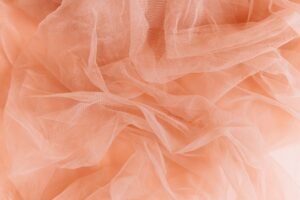
If you’re standing at a bolt of polyester mesh without a GSM scale, it helps to compare the weight to fabrics you already have a feel for. A light power mesh feels a lot like tulle or a fine, stretchy tricot, sheer enough to see through easily and soft enough to gather without much bulk. Mid-weight sports mesh feels closer to a substantial t-shirt knit, enough body to hold a shape while still moving and breathing, which is why it works so well as ventilation panels on athletic wear. Heavy structural mesh feels closer to a stiff canvas or a light interfacing, firm enough to hold a defined shape on its own without collapsing, which makes it the right choice whenever a project needs mesh that behaves more like structure than like drape. Holding a swatch up to the light is also a quick, reliable way to judge weight without any measuring tools at all, the less light passes through, the denser and heavier the mesh generally is, and this simple test works even when you’re comparing two unfamiliar bolts side by side without any labeling or spec sheet available at all.
Home Sewing and Craft Projects for Polyester Mesh
Reusable produce bags and laundry bags are one of the easiest ways to start working with polyester mesh, quick, practical projects that put its breathability and durability to immediate use around the house. Ventilated bag linings, like the inside pocket of a beach bag or gym bag meant to hold damp items, benefit enormously from a mesh panel that lets air circulate instead of trapping moisture. Costume structure layers, like a stiff underskirt for a full costume silhouette, are a great use for heavier structural mesh, giving volume and shape without the weight of a full layer of tulle or crinoline. Toy and craft storage bags, sewn with a drawstring top, make good use of lighter mesh weights and are a satisfying, quick project for using up a smaller remnant piece. Even simple projects like a mesh produce bag for the farmers market or a ventilated pouch for wet swimwear are approachable starting points for getting comfortable with how polyester mesh handles on a home machine before moving on to a larger or more structured project down the road.
If you’d like to feel the different mesh weights in person, stop by Bee’s Quilt Shop and Studio at 1975 Old Moultrie Road in St. Augustine, FL, or browse our fabric collection online to see what’s currently in stock. Our team has 75 years of combined sewing and quilting experience and we’re happy to help you match the right polyester mesh to your project.
Frequently Asked Questions
Is polyester mesh itchy or uncomfortable against skin?
Most polyester mesh, especially the softer power mesh and sports mesh varieties, is comfortable against skin, though the very open, structural weights can feel a bit rougher. For anything worn directly against skin for long periods, choosing a softer, finer mesh or adding a lining layer makes a noticeable difference in comfort.
Does polyester mesh need a special sewing machine needle?
No special needle is required for most projects, a universal needle handles woven structural mesh fine, while a ballpoint or stretch needle works better on knit power mesh and sports mesh. Matching the needle to whether your specific mesh is knit or woven makes for cleaner stitching either way.
Does polyester mesh stretch out of shape over time?
Polyester mesh generally holds its shape well and resists stretching out compared to some other synthetic fibers, which is part of why it’s a popular choice for structured applications. Power mesh is engineered to stretch and recover intentionally, so some give is expected and normal rather than a sign of wear.
Is polyester mesh washable?
Yes, most polyester mesh fabric is machine washable and holds up well to regular laundering, which is part of why it’s such a practical choice for bags and everyday craft projects. Air drying is usually gentler on the mesh structure than high heat from a dryer, especially for stretchier power mesh varieties.
Is polyester or nylon mesh the better choice for a bag project?
For most bag projects, polyester mesh is the more practical choice, since it holds its shape well, resists fading, and is generally more affordable than nylon mesh. At Bee’s Quilt Shop and Studio, we recommend polyester mesh for most everyday bag and craft projects unless a specific pattern calls for nylon’s particular hand.
This article is intended for general educational and informational purposes only, based on common sewing and crafting practices and the hands-on experience of our staff at Bee’s Quilt Shop and Studio. Fabric weight, stretch, and care requirements can vary between manufacturers, so we recommend checking product labels and testing a scrap before starting a full project.