Quick answer: Tulle fabric is a lightweight net textile made by twisting or knotting fine threads into a hexagonal mesh, giving it volume and structure without much weight. It’s used for bridal veils, tutus, skirts, and decor because it holds shape, doesn’t fray at cut edges, and layers beautifully to build fullness. Sewing with it mostly comes down to using a fine needle and a gentle touch, and figuring out how many layers and yards you need for a specific project, whether that’s a wedding veil or a kid’s twirly tutu.
Tulle fabric is one of those materials that instantly signals “special occasion,” and it’s a fixture on our shelves for exactly that reason, brides, dance recital parents, and quilters working on art pieces all end up reaching for it at some point. Here at Bee’s Quilt Shop and Studio, tulle fabric is one of the most fun sections to help customers shop, since there’s such a range of weights and finishes depending on whether you’re building a full princess-style tutu or adding a soft overlay to a bridal gown. It’s also a fabric where a little guidance on yardage and layering goes a long way toward avoiding an under-full skirt or an overwhelming amount of leftover fabric. Let’s cover what tulle fabric actually is, the common types you’ll find, and how to figure out exactly how much you actually need for your specific project.
What Is Tulle Fabric and How Is It Made?
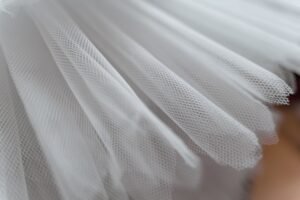
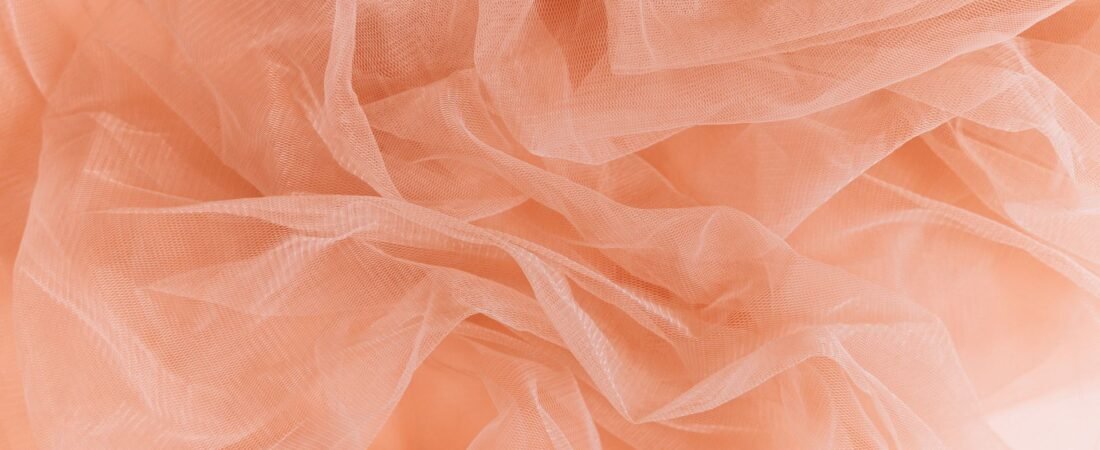
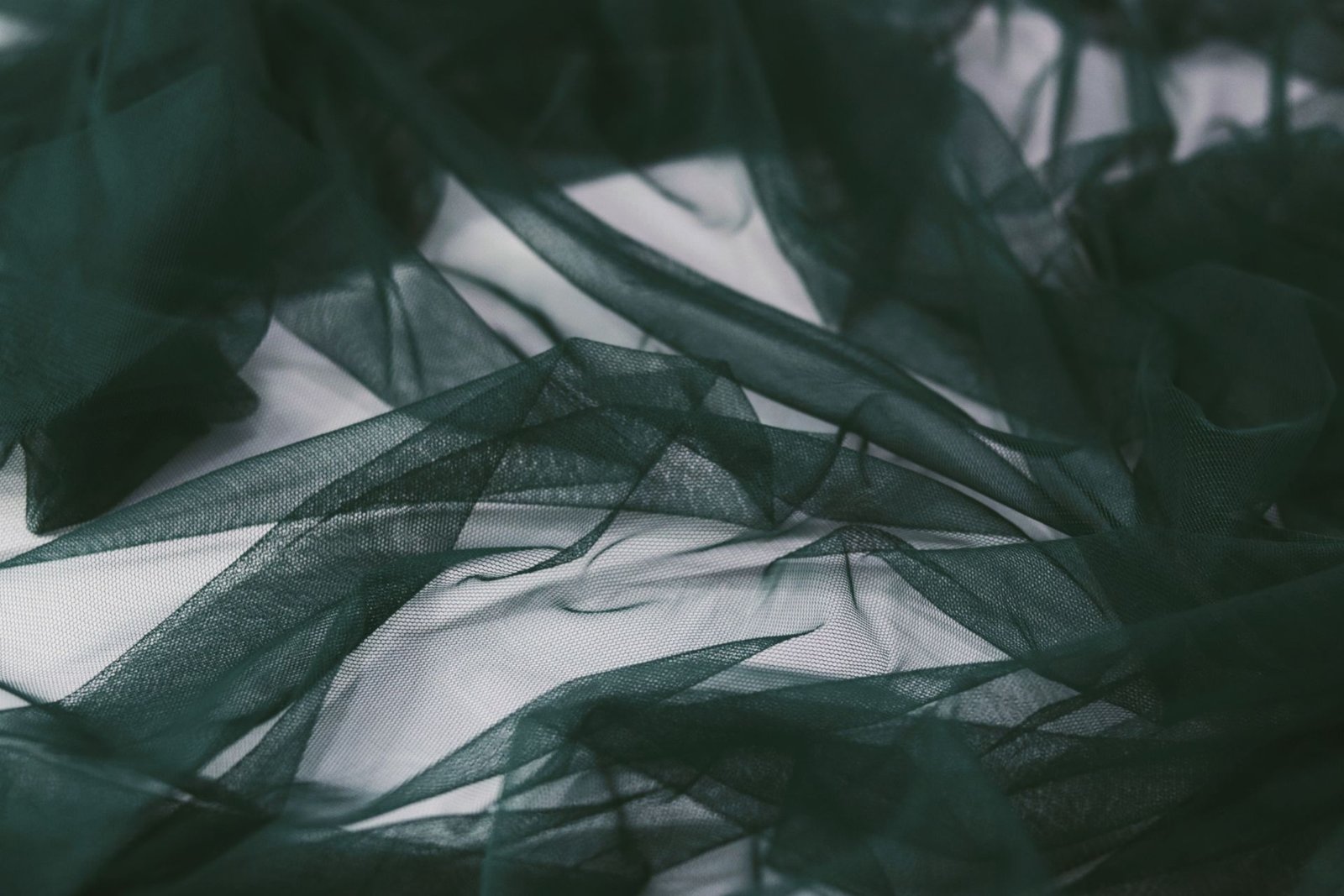
Tulle fabric is a lightweight, fine net constructed by twisting or knotting individual threads into a hexagonal mesh pattern, which is what gives it that airy, see-through structure with just enough body to hold its own shape. Traditionally made from silk, modern tulle is most commonly produced from nylon or polyester, both of which offer good stiffness and durability at a much more affordable price point than silk ever could. The mesh construction is what makes tulle so distinct from other sheer fabrics like chiffon or organza, rather than being woven from crossing threads, tulle’s knotted net structure is what allows it to hold volume and stand away from the body without collapsing flat. Because the holes in the mesh are so small and the knots so fine, tulle reads as a soft, cloud-like fabric from a normal viewing distance, even though up close it’s clearly an open net structure. The fineness of the mesh and the weight of the thread used both affect how stiff or soft a particular tulle feels, which is the main thing that separates the different types you’ll find on the shelf. Width also varies quite a bit between rolls, with common widths running anywhere from around fifty four inches up to well over a hundred inches for specialty bridal tulle, which is worth checking before calculating yardage for a wide skirt or veil.
Common Types of Tulle Fabric
Soft tulle has a fine, gentle drape and a slightly fuzzy hand, making it the go-to choice for bridal veils, soft overlays, and anywhere you want volume without stiffness or a scratchy feel against skin. Stiff tulle, sometimes called craft or costume tulle, holds its shape much more firmly and is the classic choice for tutus and full skirts that need real structure to stand away from the body. Illusion tulle is an especially fine, almost invisible mesh, prized for bridal necklines and sleeves where you want the illusion of bare skin with subtle coverage or embellishment on top. Glitter tulle adds small flecks of sparkle bonded to the mesh, popular for costuming, holiday decor, and any project that wants a bit of extra shimmer beyond what plain tulle offers. Nylon tulle in general tends to be softer and a bit more forgiving to work with, while polyester tulle holds a crisper shape, so it’s worth considering fiber content alongside stiffness when you’re choosing between options, especially for a project where the finished garment will be worn for an entire day, like a wedding.
How Tulle Fabric Feels and Behaves
One of tulle’s most useful properties is that it doesn’t fray at all when cut, thanks to its knotted net structure rather than a woven edge, which means raw edges can be left completely unfinished without ever unraveling. That same quality makes tulle wonderfully forgiving for a beginner, cut edges look intentional rather than messy, and there’s no need to worry about seam finishing the way you would with a woven fabric. Tulle is genuinely heat sensitive though, since it’s typically made from nylon or polyester, high heat from an iron can melt or distort the mesh almost instantly, so pressing tulle directly is something to avoid entirely. It also snags fairly easily on rough surfaces, jewelry, or even rough hands, so working in a clean space and handling it gently helps keep the mesh looking its best throughout a project. Despite feeling delicate, tulle is actually quite durable for its weight, a properly constructed tutu or veil can hold up to years of handling and storage without significant wear, especially when it’s folded loosely rather than crushed under heavier items in a closet or storage box.
Common Uses for Tulle Fabric
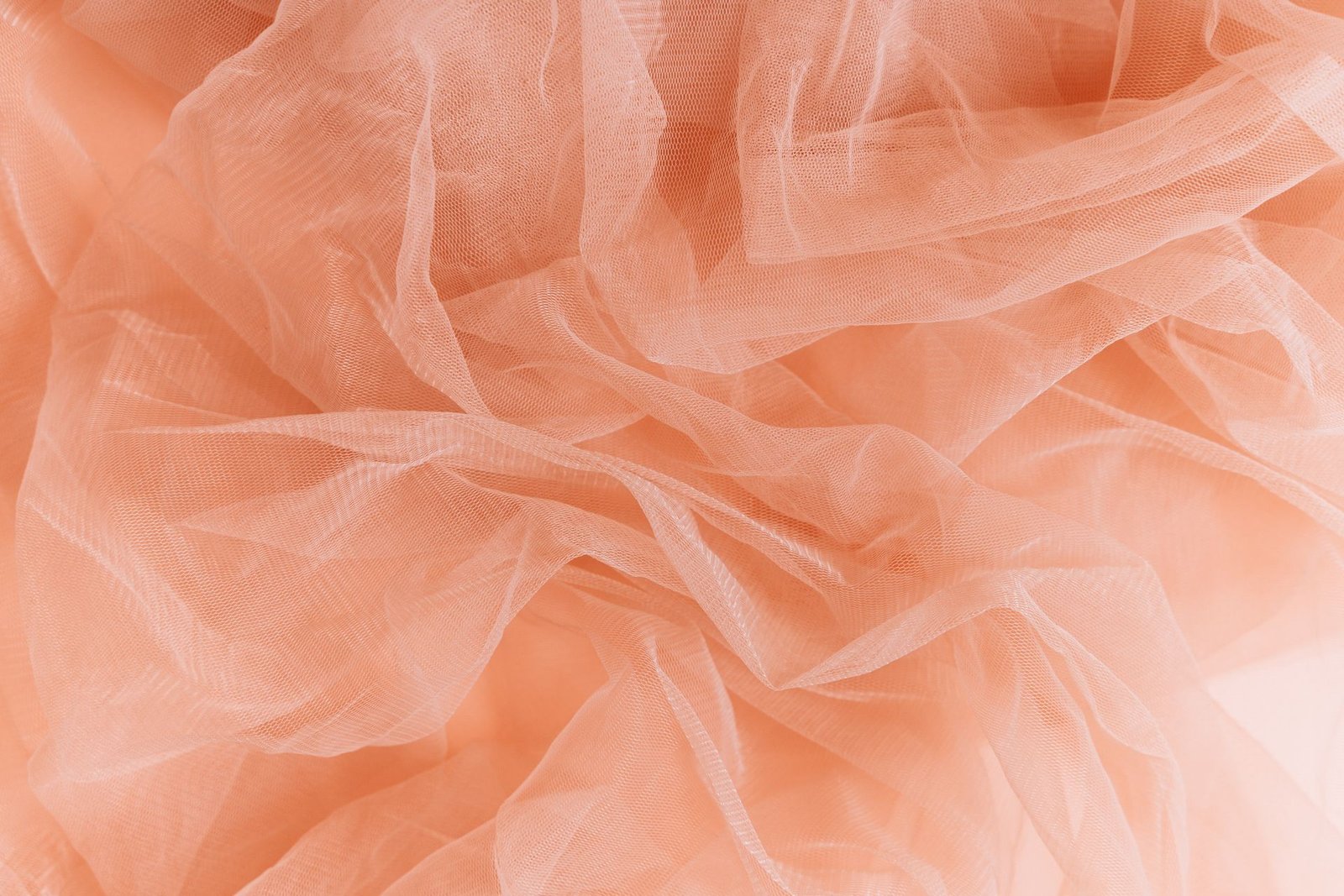
Bridal is probably tulle’s single most iconic and recognizable use, veils, skirt underlays, and soft overlays all rely on its ability to add volume and softness without weighing down a gown. Tutus and dancewear are another major use, from a child’s dress-up tutu to a professional-grade ballet costume, tulle’s structure and layering ability make it the standard fabric for that classic silhouette. Home decor uses tulle for everything from table runners and chair sashes at events to decorative curtains and gift wrapping accents, taking advantage of its soft, romantic look at a low cost per yard. Costuming beyond dance and bridal wear also relies on tulle heavily, adding volume to skirts, sleeves, and headpieces for theatrical or cosplay projects. Craft projects like pom-poms, wreaths, and gift bows round out the list, small-scale uses that take advantage of tulle’s texture and low cost without needing much yardage at all to make a real visual impact.
How Much Tulle to Buy for a Tutu or Full Skirt
Layering is really what builds a tutu’s volume, a single layer of tulle drapes almost flat, while stacking anywhere from three to six layers, depending on the tulle’s stiffness and the desired fullness, is what creates that classic poufy silhouette. For a child’s dress-up tutu, a good starting point is roughly twenty five yards of tulle cut into strips for a tied tutu, while a sewn, gathered tutu skirt typically needs somewhere around three to five yards of full-width tulle per layer, multiplied by however many layers you’re planning. A fuller, ballet-style tutu or a bridal-style skirt with serious volume can require considerably more, sometimes twenty yards or more total once you account for multiple full-width layers gathered at the waist. Buying a bit extra beyond your estimate is worth it with tulle, since it’s relatively inexpensive and running short partway through gathering a skirt is a frustrating problem to solve mid-project. If you don’t own a ruffler foot, gathering large amounts of tulle by hand or with a basting stitch pulled up into gathers works fine, it just takes more patience, especially across several long layers at once, and doing it in smaller sections rather than trying to gather one enormous length all at once tends to give more even, consistent results.
Using Tulle in Quilting and Mixed-Media Craft
Tulle brings a soft, dimensional quality to quilting and mixed-media work that’s genuinely hard to achieve with cotton alone, layering a small piece of tulle over a pieced or appliqued section adds subtle texture and a slight veiling effect to whatever’s underneath. Trapped-petal or trapped-object effects, where small fabric shapes, threads, or embellishments are sandwiched under a layer of tulle and stitched down, are a popular technique in art quilts, giving a dimensional, almost preserved-in-glass look to the finished piece. Tulle overlays can also be used to soften a bold or busy print, laying a sheer layer over a section of a quilt top mutes the colors slightly and adds visual interest without covering the design entirely. Because tulle doesn’t fray, it’s genuinely forgiving to cut into odd shapes and layer freely, which makes it a great material for quilters experimenting with mixed-media techniques for the first time. A walking foot or free-motion setup handles stitching through tulle and cotton layers together without much trouble, though slowing down helps keep the delicate mesh from shifting or bunching as it feeds through the machine alongside a heavier cotton layer underneath.
If you’re planning a tulle project, whether it’s a tutu, a veil, or an art quilt, stop by Bee’s Quilt Shop and Studio at 1975 Old Moultrie Road in St. Augustine, FL, or browse our fabric collection online to see our tulle and other specialty fabrics in person. Our team has 75 years of combined sewing and quilting experience and we’re happy to help you figure out yardage and layering before you buy.
Frequently Asked Questions
Does tulle need to be hemmed since it does not fray?
No, tulle’s knotted net structure means it doesn’t unravel at cut edges, so hemming isn’t necessary for most projects. Many sewists leave tulle edges raw entirely, taking full advantage of that one less finishing step compared to a woven fabric.
How many yards are needed for a kid’s tutu?
For a tied strip-style tutu, roughly twenty five yards is a good starting estimate, while a sewn, gathered tutu skirt typically needs three to five yards per layer depending on how many layers you’re planning. At Bee’s Quilt Shop and Studio, we’re happy to help you calculate a more exact yardage based on your specific pattern and desired fullness.
Can tulle be ironed?
Direct high heat can melt or distort tulle almost instantly, since it’s typically made from nylon or polyester, so ironing it directly isn’t recommended. If wrinkles need smoothing out, steaming from a distance or gently hand-fluffing the layers is a much safer approach.
Does tulle snag easily on jewelry or rough hands?
Yes, tulle’s fine mesh can catch on rough skin, nails, or jewelry, so it’s worth removing rings and working in a clean space when handling it. Most snags can be gently worked back into place without permanent damage, since the mesh is fairly forgiving despite feeling delicate.
Can a regular sewing machine handle tulle without a walking foot?
Yes, a standard home machine sews tulle just fine without a walking foot, though a walking foot does help when stitching through multiple layers at once. A fine needle and a slightly loosened top tension usually give the cleanest results on single or double layers.
This article is intended for general educational and informational purposes only, based on common sewing and crafting practices and the hands-on experience of our staff at Bee’s Quilt Shop and Studio. Fabric weight, yardage needs, and care requirements can vary between manufacturers and patterns, so we recommend checking your specific pattern’s requirements and testing a scrap before starting a full project.