Quick answer: Thermal fabric works by trapping small pockets of air within its knit or woven structure, and that trapped air slows down heat transfer, keeping warmth in on a cold day. There are a few different categories of thermal fabric, ranging from lightweight thermal knit apparel fabric to heavier thermal fleece and insulated batting like Insul-Bright, and each one is built for a different kind of project. Picking the right one comes down to matching the fabric’s weight and construction to what you’re actually making, whether that’s a base-layer top, a cozy throw, or a pot holder that needs to survive a hot pan.
If you’ve ever stood in front of our thermal fabric shelves wondering whether you need the knit stuff, the fleece, or the batting, you’re not alone. It’s one of the most common mix-ups we see here at Bee’s Quilt Shop and Studio, and it makes sense, all three get lumped under “thermal” even though they behave really differently once you start sewing with them. Thermal fabric, in the broadest sense, is any material engineered to slow down heat transfer, either keeping warmth close to the body in a garment or keeping a hot dish from burning your hand through a pot holder. Understanding how that insulation actually works, and which category fits your project, saves a lot of frustration and wasted yardage, especially once you’ve already cut into a piece that turns out to be the wrong weight for what you had in mind. Let’s walk through the mechanics, the main types you’ll run into, and how to match the right thermal material to whatever you’re planning to make next, whether that’s your first pot holder or a full winter garment.
How Thermal Fabric Actually Works to Trap Heat
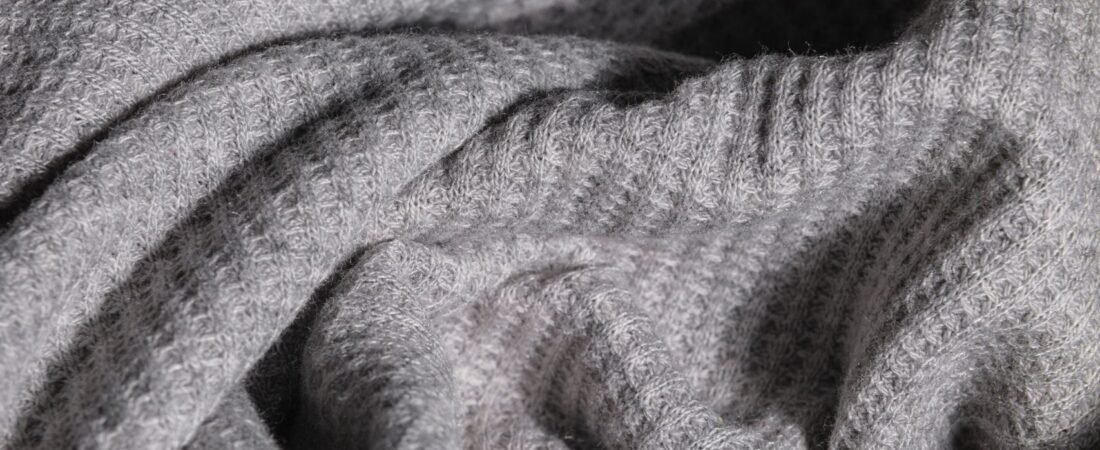
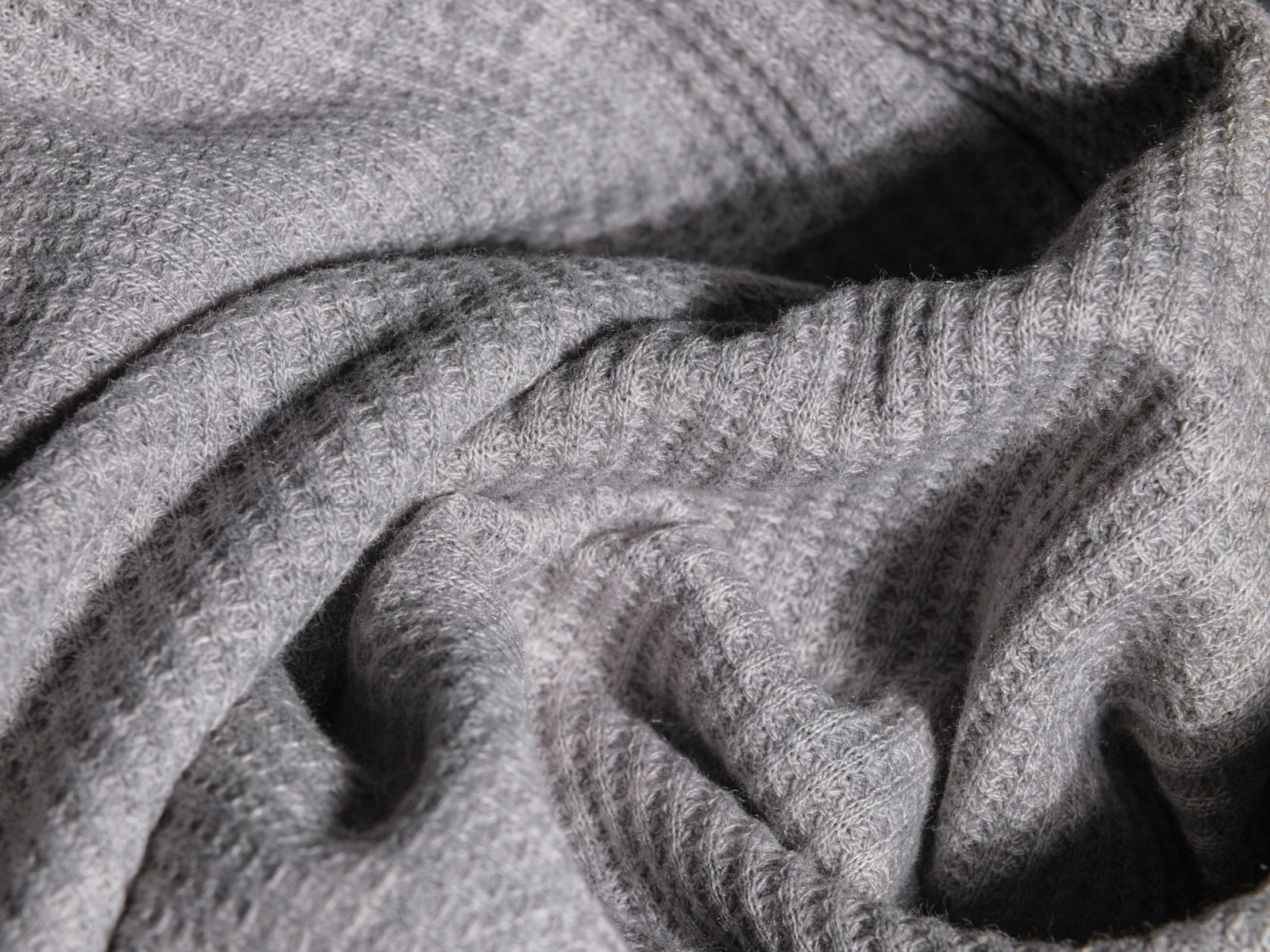
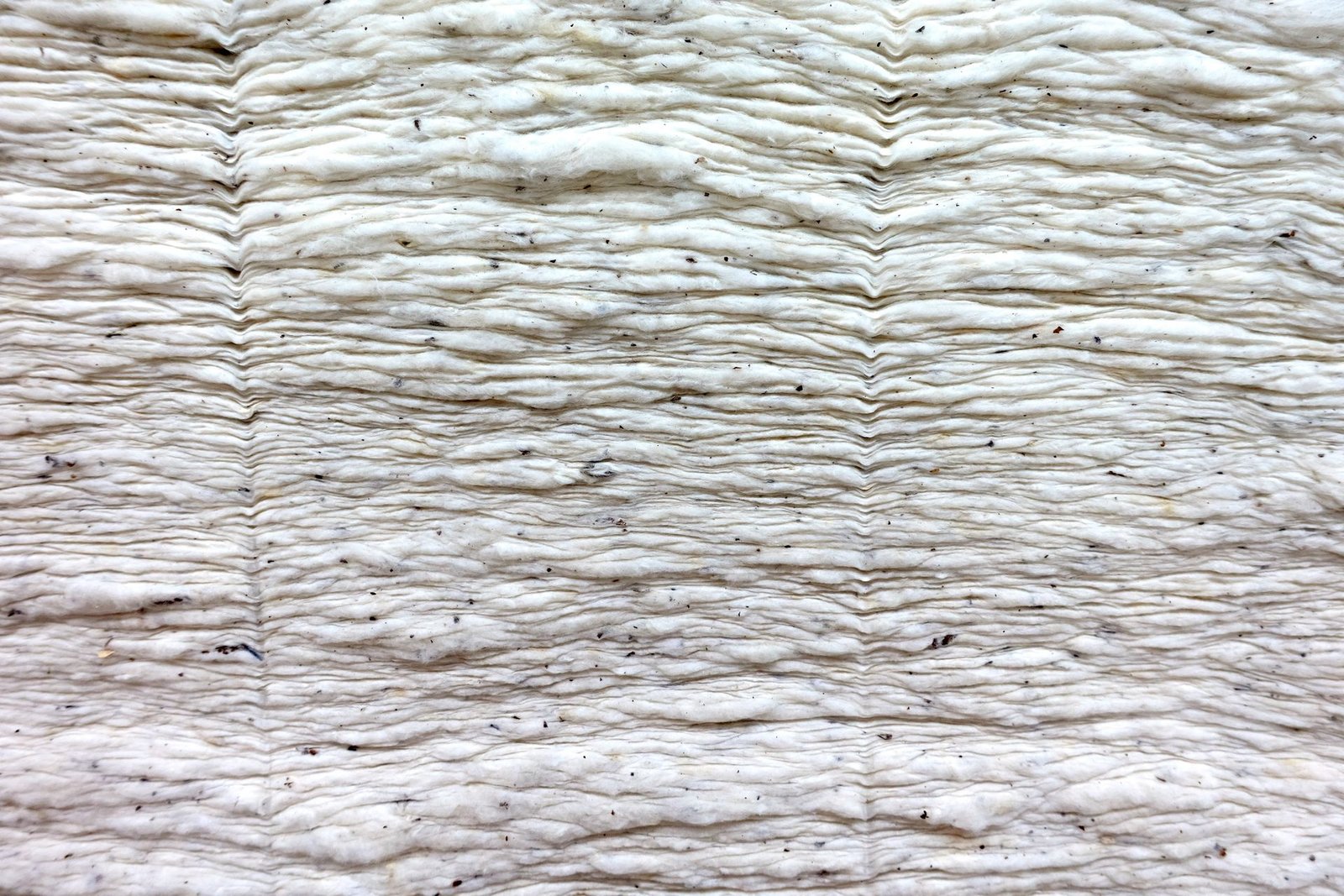
Thermal fabric relies on a pretty simple bit of physics, air is a poor conductor of heat, so any fabric structure that traps a layer of still air between you and the outside temperature slows down how fast heat moves through it. Knit thermal fabrics achieve this with a waffle or honeycomb weave that creates thousands of tiny air pockets across the surface, which is why that textured, dimpled look is so recognizable on thermal henleys and base layers. Thermal fleece works a bit differently, its brushed pile traps air within the loft of the fibers themselves rather than in a woven pocket structure, giving it a plush, insulating hand. Insulated battings like Insul-Bright take a third approach, sandwiching a thin reflective layer between two layers of polyester fiberfill, which reflects radiant heat back toward its source instead of just slowing conduction. Some heavier technical thermal fabrics add a reflective foil or metallic coating for the same reason, bouncing heat back rather than just relying on trapped air. Understanding which mechanism a specific thermal fabric uses helps explain why a thin insulated batting can outperform a much thicker piece of ordinary fleece in something like an oven mitt.
The Main Categories of Thermal Fabric
Thermal knit apparel fabric is the lightest of the three, a stretchy cotton or cotton-blend knit with that classic waffle texture, most often seen in long underwear, henleys, and base layers meant to sit close to the skin under other clothing. Thermal fleece sits in the middle, a soft, brushed polyester fabric with more loft and warmth than a plain knit, commonly used for jackets, blankets, and loungewear where you want real insulation without a lot of bulk. Insulated batting, like Insul-Bright or similar reflective battings, is built specifically for craft and home sewing rather than garments, designed to be sandwiched inside a project rather than worn directly against skin. Weight and stretch vary a lot across these three categories too, thermal knit apparel fabric typically has some give to it for comfort and movement, while thermal fleece is usually a stable, non-stretch knit, and insulated batting has essentially no stretch at all since it’s meant to hold its shape inside a quilted or layered project. Recognizing which category you’re looking at on the shelf, rather than just seeing the word “thermal” and assuming they’re interchangeable, is the first step toward picking the right one.
Thermal Apparel Fabric Versus Insulated Batting: What’s the Real Difference?
This is where we see the most confusion at the shop, and it’s an easy mix-up to make since both get described as “thermal.” Thermal apparel fabric, whether knit or fleece, is meant to be worn or used as an outer layer you can see and touch, it has a finished right side, some drape, and is meant to move with the body or hang like a normal garment fabric. Insulated batting is meant to disappear inside a project, sandwiched between an outer fabric and a lining, doing its insulating job invisibly rather than being the visible surface of anything. You wouldn’t want to make a pot holder purely out of thermal fleece, since it isn’t rated to handle direct heat from a hot pan the way a reflective batting like Insul-Bright is, and you wouldn’t want to line a jacket with stiff insulated batting when a soft thermal fleece would drape and move far better against the body. In our experience, the simplest way to remember it is that apparel-weight thermal fabric is something you’d be comfortable wearing on its own, while insulated batting is a functional layer that always needs another fabric on both sides of it.
Common Uses for Thermal Fabric
Thermal knit apparel fabric shows up most in base layers, henleys, pajamas, and any garment meant to sit close to the skin for warmth without much bulk. Thermal fleece gets used for jackets, vests, blankets, and loungewear, anywhere you want noticeable warmth and a soft hand without the weight of a heavier coating fabric. Insulated battings are a workhorse in the craft and home sewing world, showing up in pot holders, oven mitts, casserole carriers, lunch bags, and insulated cozies for mugs or bottles. Winter garments sometimes combine more than one thermal material, using a thermal knit against the skin with a fleece or insulated outer layer for extra warmth in colder climates. Quilters also reach for reflective insulated battings in specialty projects like ironing board covers or trivets, where the reflective layer genuinely improves function rather than just adding softness.
Sewing Tips for Working With Thermal Fabric at Home
A stretch or ballpoint needle works best for thermal knit apparel fabric, since it slides between the knit’s loops instead of piercing and potentially damaging them the way a sharp universal needle can. Thermal fleece and insulated batting are more forgiving, a standard universal needle handles both without issue, though sizing up slightly helps once you’re stitching through multiple layers at once. Thermal knits have some stretch to them, so a walking foot or a slight zigzag stitch helps the seam move with the fabric instead of popping stitches the first time it’s pulled on over your head. None of these thermal materials fray much, if at all, which means you can often skip a dedicated seam finish on insulated batting projects and simply topstitch the seam allowance down flat instead. Pinning works fine for thermal knit and fleece, but with insulated battings that have a reflective foil layer, many sewists prefer clips within the seam allowance to avoid puncturing that reflective barrier more than necessary. Pressing thermal fleece and reflective battings on a lower iron setting is also worth remembering, since high heat can flatten the loft of a fleece or damage a reflective coating faster than it would with ordinary cotton.
Matching the Right Thermal Material to Your Project
For a pot holder or oven mitt, you’ll want an insulated batting rated for heat resistance, like Insul-Bright, layered between cotton fabric on both sides, since ordinary batting or fleece isn’t designed to protect your hands from a hot pan. A lunch bag or bottle cozy benefits from that same reflective insulated batting, which helps keep food and drinks at temperature longer than a plain cotton lining would on its own. For a winter garment like a jacket or vest, thermal fleece gives you warmth and structure without much bulk, while a base-layer top calls for a lighter, stretchier thermal knit that moves comfortably under other clothing. A cozy throw blanket can go either way depending on how much loft you want, a double layer of thermal fleece gives a plush, heavier blanket, while a lighter thermal knit backed with regular quilting cotton makes a lighter option. When in doubt, think about whether the finished piece needs to protect against direct heat, in which case reach for insulated batting, or whether it just needs to feel warm and cozy against the body, in which case thermal knit or fleece is the better fit.
If you’re planning a project that needs real warmth, whether it’s a batch of pot holders or a cozy winter garment, stop by Bee’s Quilt Shop and Studio at 1975 Old Moultrie Road in St. Augustine, FL, or browse our fabric collection online to see our thermal fabric and insulated batting in person. Our team has 75 years of combined sewing and quilting experience and we’re happy to help you match the right thermal material to your project before you buy.
Frequently Asked Questions
Is thermal fabric the same thing as insulated batting?
Not quite, though they’re often confused since both fall under the “thermal” umbrella. Thermal fabric usually refers to a knit or fleece meant to be worn or used as a visible layer, while insulated batting is a functional filler meant to sit hidden between two other layers of fabric.
Is thermal fabric safe to use in oven mitts and pot holders?
Regular thermal fleece or thermal knit isn’t rated for direct heat protection, so it shouldn’t be used alone against a hot pan. For pot holders and oven mitts, look for an insulated batting specifically rated for heat resistance, like Insul-Bright, which is what we recommend to customers at Bee’s Quilt Shop and Studio for that kind of project.
Can thermal fabric be washed like regular fabric?
Most thermal knits and fleeces are machine washable on a gentle cycle, though it’s always worth checking the specific care label since finishes can vary between manufacturers. Insulated battings with a reflective layer sometimes have more specific washing instructions to protect that layer, so double-checking before the first wash is a good habit.
Does thermal fabric work for both hot and cold insulation?
Yes, the same trapped-air and reflective-layer mechanics that keep warmth in also slow down heat coming from the outside, which is why insulated battings work well in both a winter garment lining and a bottle cozy meant to keep a cold drink cold. Many sewists find the same reflective batting doing double duty in both warm and cool applications throughout the year.
Can a regular sewing machine handle thermal fabric?
Yes, a standard home sewing machine handles thermal knit, thermal fleece, and insulated batting without any special equipment, though a walking foot can help feed thicker layers more evenly. A universal or stretch needle works well for thermal knits, while a slightly heavier needle is helpful once you’re sewing through multiple layers of batting.
This article is intended for general educational and informational purposes only, based on common sewing and crafting practices and the hands-on experience of our staff at Bee’s Quilt Shop and Studio. Fabric performance, heat resistance, and care requirements can vary between manufacturers, so we recommend checking product labels and testing a scrap before starting a full project.