Quick answer: Jute fabric is a natural plant fiber textile woven from the bast fibers of the jute plant, most commonly grown in Bangladesh and India, made by soaking harvested stalks in water in a process called retting to loosen and separate the fibers before spinning and weaving. It has a coarse, textured, golden-brown hand that’s breathable but stiffer and less drapey than cotton or linen, which is why it shows up mostly in bags, rugs, and home decor rather than clothing. Jute is best used where strength, structure, and a rustic natural look matter more than softness. In our experience, a heavier needle and prompt edge finishing make it perfectly manageable to sew on a regular home machine.
Jute fabric has a distinctive look, that warm, golden-brown, slightly coarse texture you’ll recognize instantly from tote bags, rugs, and rustic home decor, but a lot of people who reach for it have never actually sewn with it before. It behaves quite differently from the cotton and knits most home sewists are used to, and knowing what to expect before you cut into a piece saves a lot of frustration. Here at Bee’s Quilt Shop and Studio, jute shows up in customer projects more often than you’d think, especially for market totes, table runners, and mixed-fiber art quilts, and customers are frequently surprised by how sturdy and versatile it turns out to be once they’ve worked with a piece firsthand. Let’s cover what jute fabric actually is, how it’s made, how it feels and behaves under a needle, and the best ways to sew and use it at home.
What Is Jute Fabric and Where Does It Come From?
Jute fabric is a natural plant fiber textile made from the jute plant, a fast-growing crop cultivated primarily in Bangladesh and India, where the warm, humid climate and fertile river delta soil are ideal for growing it. The plant itself grows tall and fibrous, and it’s the long fibers found in the stalk, called bast fibers, that get processed into the coarse yarn used to weave jute fabric. Jute has been cultivated and used for textiles for centuries, prized historically for being cheap, abundant, and strong enough for heavy-duty packaging and rope, and that reputation for durability and affordability has carried straight through to how jute fabric is used today. It’s considered one of the more sustainable natural fibers too, since jute plants grow quickly, require relatively little water and few pesticides compared to some other crops, and the entire plant is biodegradable at the end of its life. Jute is often grouped with other bast fibers like hemp and flax, all of which come from the fibrous stalks of their respective plants rather than seed pods like cotton, giving them a similarly strong, somewhat coarse character even though each has its own distinct texture and traditional uses.
How Jute Plant Fiber Becomes Fabric
Turning raw jute stalks into usable fabric starts with a process called retting, where harvested jute stalks are submerged in water for a period of days to weeks, allowing natural bacteria to break down the plant’s outer layers and loosen the long bast fibers inside. Once retted, the fibers are stripped from the stalk by hand or machine, washed, and dried before being spun into yarn. That yarn is then woven, typically in a plain weave, into the coarse, textured fabric most people recognize as burlap or jute fabric. The whole process is relatively low-tech compared to synthetic fiber production, which is part of why jute has remained an affordable, accessible fabric for centuries despite requiring quite a bit of manual labor to produce. The finished yarn can be woven at different weights and densities, a looser, lighter weave produces a more flexible fabric suited to bags and decor, while a tighter, denser weave creates a sturdier material better suited to rugs and heavier-duty applications.
How Jute Fabric Feels and Behaves
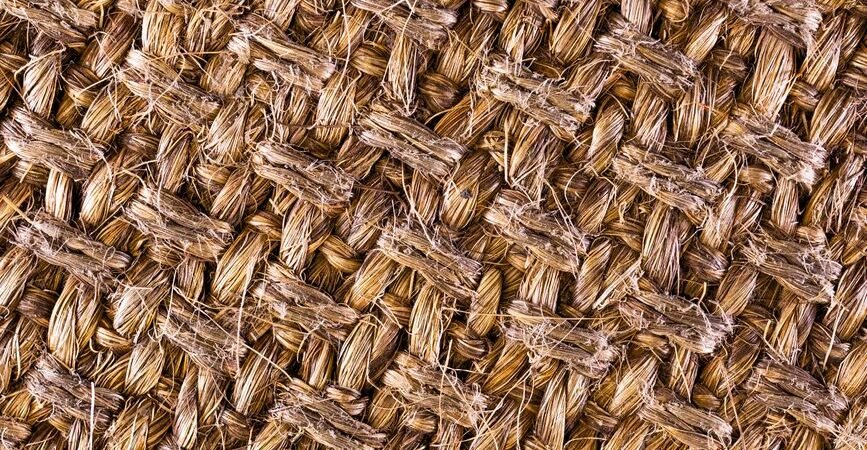
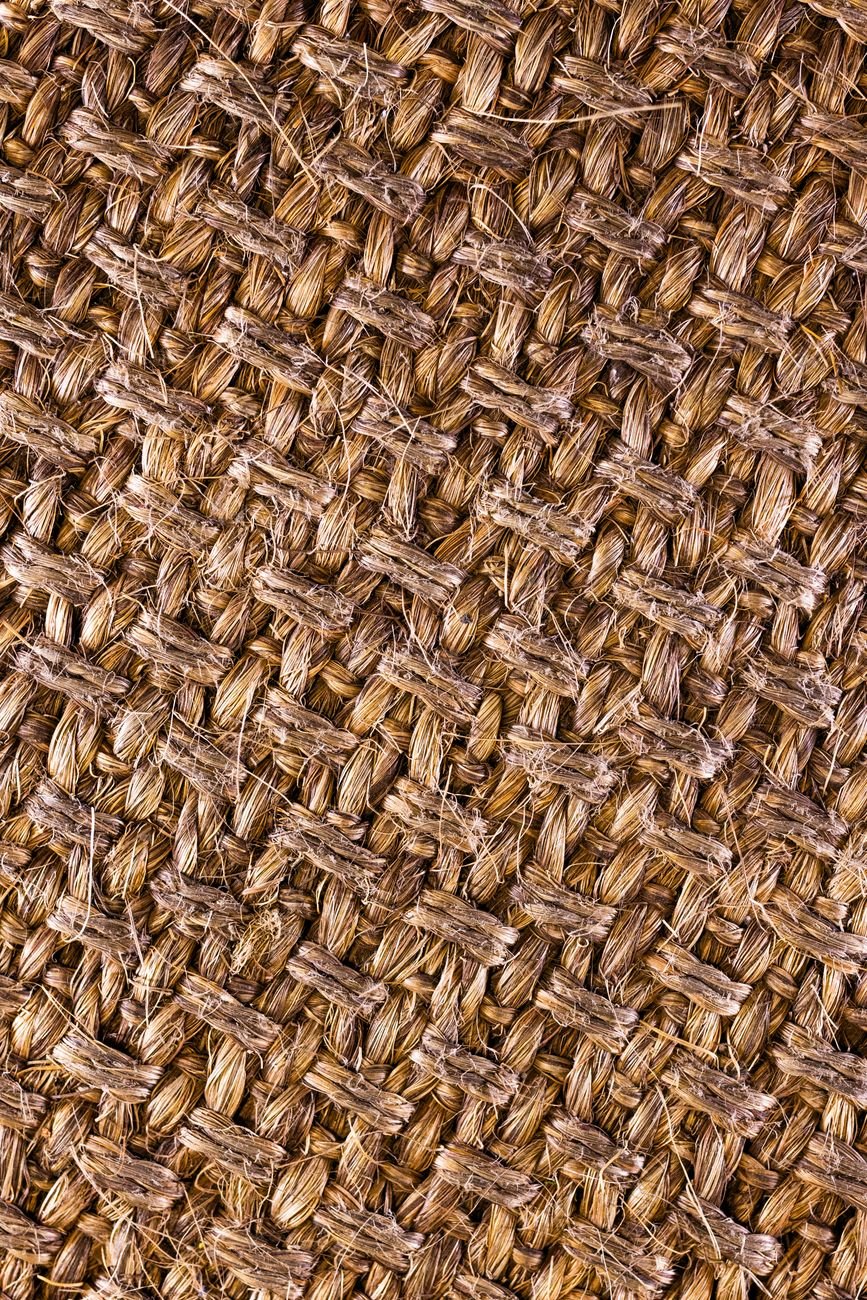
Jute fabric has a distinctly coarse, slightly scratchy hand compared to cotton or linen, with visible texture from its thick, irregular fibers that gives it that recognizable rustic look. It’s stiffer and less drapey than most fabrics used in garment sewing, which is part of why you’ll rarely see it used for clothing and much more often for structured items like bags and home decor. Breathability is one of jute’s strong points, the loose weave allows air to move through easily, which is useful for produce bags and other items where airflow matters. It also has a natural, earthy scent when new that fades over time, and it holds dye reasonably well, though colors tend to look a bit muted and warm compared to how the same dye would appear on cotton, thanks to jute’s natural golden-brown base color showing through. Compared to canvas, another sturdy natural fiber option, jute has noticeably more visible texture and a rougher hand, while canvas feels smoother and more refined, so the choice between them often comes down to whether you want that rustic, homespun character or a cleaner, more polished look.
Common Uses for Jute Fabric
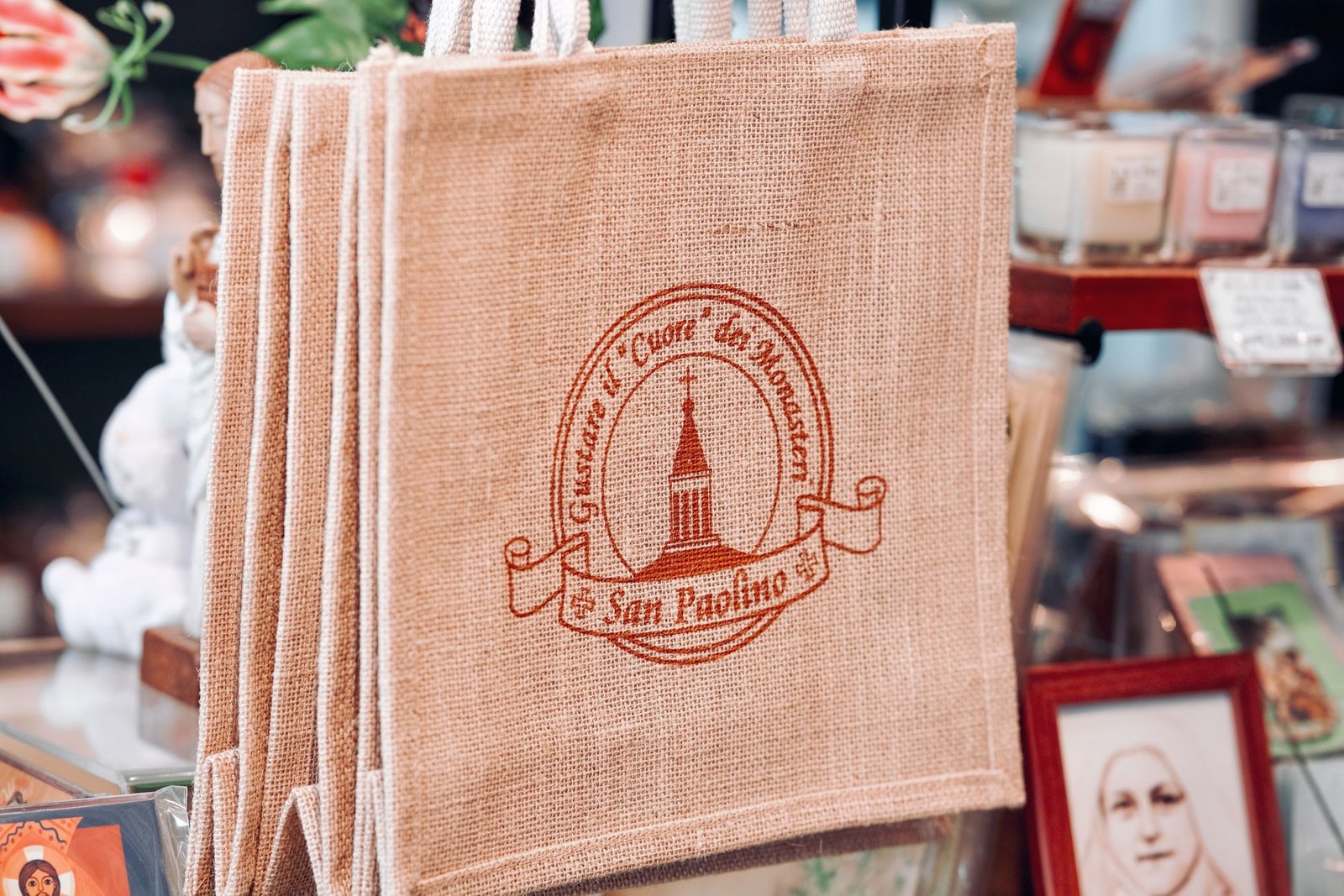
Bags are probably the most recognizable use for jute fabric, tote bags, market bags, and produce bags all take advantage of its strength and rustic look. Rugs and floor coverings use heavier jute weaves for their durability and natural texture underfoot. Home decor leans on jute constantly too, table runners, placemats, curtain tiebacks, and decorative pillow covers all show up in jute for that warm, natural aesthetic. Packaging is jute’s original and still significant use, sacks and bags for shipping agricultural products like coffee and grain have relied on jute’s strength and low cost for generations, and that industrial heritage is part of why jute fabric remains so affordable today even as a craft material. Wedding and event decor is a newer but genuinely popular use too, jute runners, chair sashes, and rustic signage have become a staple of farmhouse and outdoor wedding styling precisely because of that same natural, textured look.
Sewing Jute at Home
A heavier needle, typically a size 90/14 or 100/16 for denim or upholstery, handles jute’s thick fibers better than a standard needle, which can struggle or even bend trying to punch through the coarse weave. Jute frays quite readily when cut, since its loose weave and short, irregular fibers don’t hold together the way a tighter cotton weave does, so finishing raw edges promptly after cutting helps a lot. A simple zigzag stitch along the edge, or a bias tape binding for a cleaner finish, both work well to prevent fraying from spreading further once you’ve started sewing. Because jute is stiff and doesn’t have much give, working with generous seam allowances and pressing seams open with a warm iron helps keep bulky seams from adding unnecessary stiffness to a finished piece. Many sewists also recommend a longer stitch length than you’d use on cotton, since a tight, short stitch can perforate and weaken jute’s already loosely bound fibers. It’s also worth testing your machine’s tension on a scrap first, jute’s thickness and irregular texture can sometimes throw off a machine’s default tension settings, and a small adjustment before you start your actual project prevents loose or puckered seams later on. Hand sewing high-stress points like bag handles with a heavy-duty needle and waxed thread is also worth considering for extra-thick jute that a home machine struggles to push through cleanly.
Craft and Home Decor Project Ideas With Jute
Tote bags are a natural starting project, jute’s strength and structure make it well suited to holding real weight, and pairing it with a cotton lining softens the scratchy texture anywhere it might touch skin. Table runners and placemats are another approachable project, showcasing jute’s natural texture in a way that doesn’t require handling large, unwieldy pieces of the stiffer fabric. Mixed-fiber art quilts and wall hangings are a fun, less obvious use, incorporating a jute panel alongside cotton and other fabrics adds real textural contrast to a piece in a way that’s hard to achieve with fabric alone. Plant hangers, basket liners, and other small home decor accents round out the list, giving you a way to work with jute’s rustic character on a small, manageable scale before committing to a larger project, and each of these smaller pieces makes a genuinely nice handmade gift too. Jute ribbon and trim, often just narrow strips of the same fabric, make an easy embellishment for gift wrapping or as a decorative accent sewn onto an otherwise plain cotton project, giving you a taste of jute’s texture without committing to a full piece made from it. Even something as simple as a set of coasters or a small wall pocket organizer can be a satisfying way to get comfortable with jute’s particular handling quirks before scaling up to a bigger project.
If you’re ready to bring some natural texture into your next project, stop by Bee’s Quilt Shop and Studio at 1975 Old Moultrie Road in St. Augustine, FL, or browse our fabric collection online to see what jute and natural fiber fabrics we currently have in stock. Our team has 75 years of combined sewing and quilting experience and we’re always happy to help you pick the right weight of jute and talk through seam finishing before you start cutting.
Frequently Asked Questions
Is jute fabric too scratchy to sew with comfortably?
It’s coarser than cotton, but most sewists find it perfectly manageable to handle and sew, especially with a bit of care around the cut edges. If the scratchiness is a concern for the finished piece, pairing jute with a soft cotton lining anywhere it’ll touch skin solves the problem completely.
Does jute fray a lot when cut?
Yes, jute frays more readily than cotton due to its loose weave and short fibers, so it’s worth finishing raw edges soon after cutting rather than letting them sit. A zigzag stitch or bias binding both work well to keep fraying under control.
Can jute fabric be washed?
Jute can generally be spot cleaned or gently hand washed, but machine washing and drying often causes it to shrink, stiffen, or lose shape, since the natural fibers aren’t as stable as cotton when wet. Checking any care instructions for your specific jute fabric before washing is worth doing, and when in doubt, spot cleaning is the safer choice.
Are jute and burlap the same thing?
Essentially yes, burlap is simply the common name for a plain-woven jute fabric, so the two terms are largely used interchangeably. In our experience, staff at Bee’s Quilt Shop and Studio will generally use whichever term the customer is more familiar with, since they’re referring to the same material.
Is jute durable enough for everyday bags?
Yes, jute has a long history as a strong, durable packaging material, so it holds up well to everyday bag use, especially for market totes and produce bags. Many people find that reinforcing handles and high-stress seams with a bit of extra stitching or a sturdier lining fabric adds even more longevity for frequent daily use, especially for a bag that’ll be loaded down with groceries or market finds on a regular basis.
This article is intended for general educational and informational purposes only, based on common sewing and crafting practices and the hands-on experience of our staff at Bee’s Quilt Shop and Studio. Fabric texture, durability, and care requirements can vary between jute weights and manufacturers, so we recommend testing a scrap before starting a full project.