Quick answer: Fuzzy fabric is any material with a soft, raised texture created by a brushed finish, a looped or bonded pile, or fibers knitted directly into the surface, and fleece, sherpa, and minky are the three most common types. Fleece is lightweight and brushed for a soft nap, sherpa has a heavier, looped pile similar to shearling, and minky has an extremely short, dense pile that gives it the plushest hand of the three. They differ noticeably in softness, warmth, and weight, which makes each one better suited to different projects, from baby blankets to jackets to quilt backing. In our experience, a walking foot and a bit of patience make all three genuinely manageable to sew on a regular home machine.
Fleece, sherpa, minky, faux fur, they all fall under that broad umbrella of fuzzy fabric, but if you’ve ever tried to pick between them for a specific project, you know they’re not interchangeable. Each one has a different pile height, different stretch, and a different feel under a sewing machine needle, and picking the wrong one can mean the difference between a blanket that drapes beautifully and one that ends up stiff as a board. Here at Bee’s Quilt Shop and Studio, minky and fleece are some of our most popular fabrics, especially for baby blankets and quilt backings, and we walk customers through the differences at the counter constantly. Let’s break down what actually makes a fabric fuzzy, how fleece, sherpa, and minky compare to each other, and how to sew them successfully without fighting your machine the whole way through.
What Makes a Fabric “Fuzzy”?
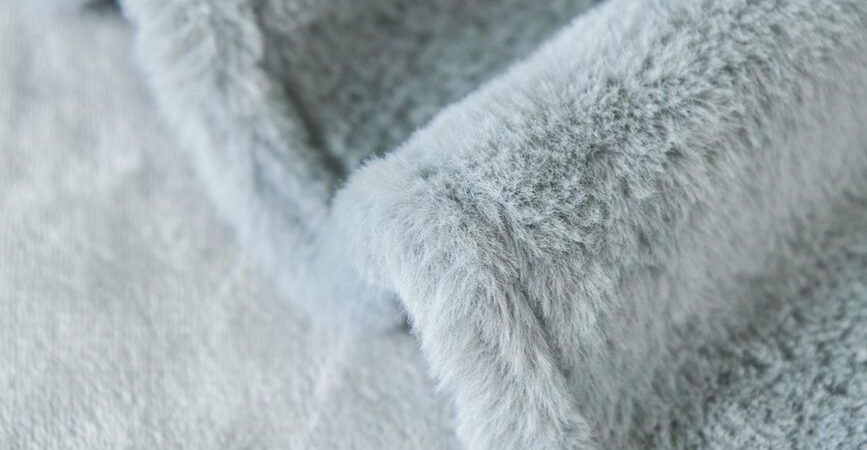
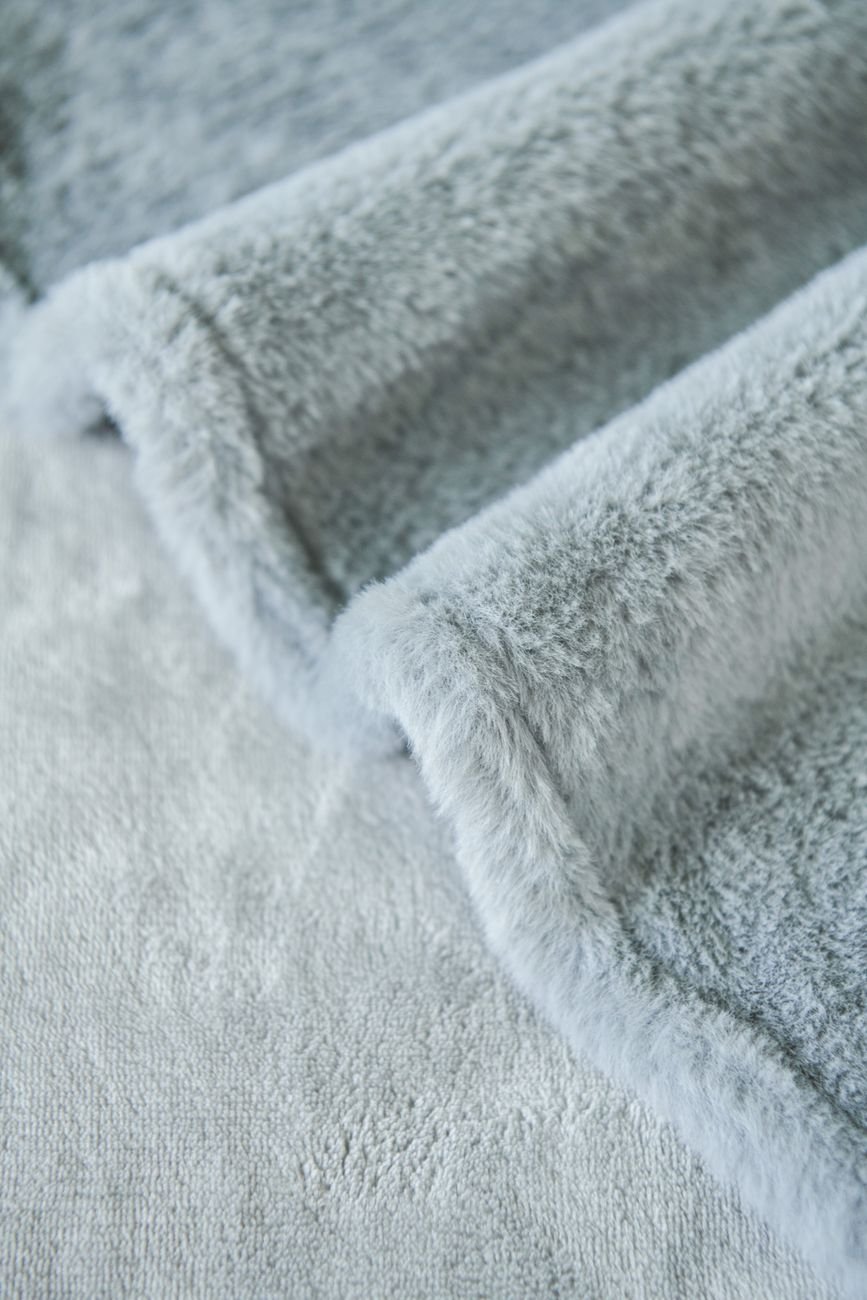
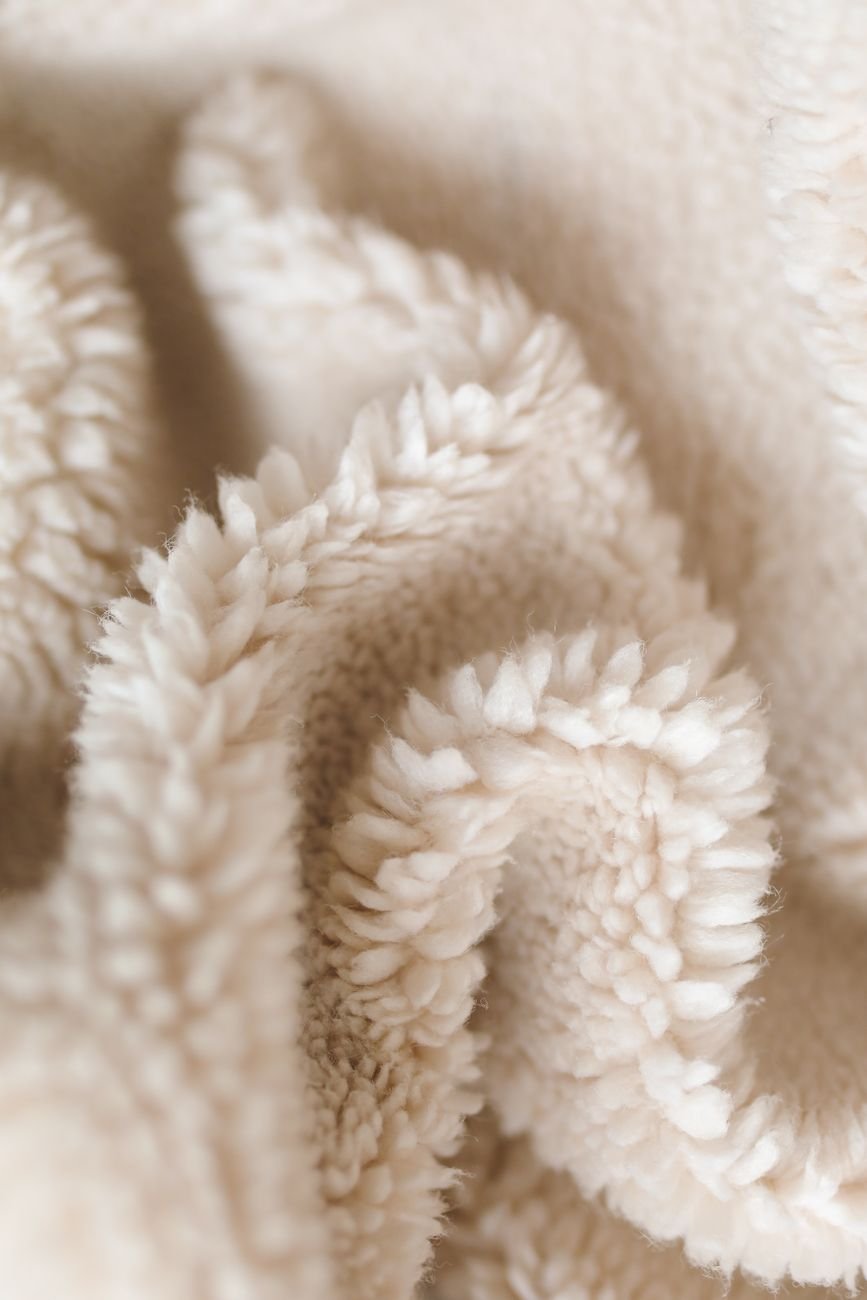
Fuzzy fabric gets its soft, textured surface from one of a few different constructions, most commonly a raised pile, a brushed finish, or a knit backing with fibers looped or cut to stand up from the surface. Fleece is typically a knit fabric that’s been brushed on one or both sides to raise a soft nap, and that brushing process is what gives it its familiar fuzzy hand. Sherpa mimics the look of shearling, with a looped or curled pile knitted or bonded to a backing, giving it a texture closer to a soft, fluffy fleece coat than a smooth knit. Minky uses a different approach entirely, a very short, dense pile is knitted directly into the fabric itself, which is what gives it that signature ultra-soft, almost liquid feel. Faux fur takes the pile height furthest, with long fibers meant to mimic real animal fur, and it behaves quite differently under a machine than the shorter-pile fabrics in this category. The backing fabric matters too, most fuzzy fabrics are built on a knit base for stretch and drape, though some heavier sherpa and faux fur options use a woven or bonded backing instead, which trades some flexibility for extra stability and a bit less shifting while you sew.
Fleece, Sherpa, and Minky: How They Differ
Fleece is lightweight, breathable, and holds up well to frequent washing, which makes it a workhorse fabric for everything from throw blankets to jackets. Sherpa is heavier and bulkier than fleece, with more visual texture from its looped pile, and it’s often paired with a smooth fabric backing since sherpa itself can be a bit much to sew through on its own for garment construction. Minky sits in its own category entirely, it’s the softest of the three by a wide margin, with a short, dense pile that feels almost like touching water, but it also has the least structure and can be trickier to sew because of how much it shifts and stretches under the presser foot. Knowing which of these three you’re actually holding matters more than people expect, since a pattern written for fleece won’t necessarily behave the same way in minky. Pile height is a useful way to tell them apart at a glance, fleece has a short, uniform nap brushed flat, sherpa has a taller, looped texture you can see distinct curls in, and minky’s pile is so short and dense it almost looks smooth from a distance until you actually run your hand across it.
Comparing Softness, Warmth, and Weight
If softness is your top priority, minky wins by a clear margin, it’s genuinely one of the softest fabrics you’ll find at a fabric shop. For warmth, sherpa and heavier fleece both perform well thanks to their pile trapping air close to the body, while minky, despite its plush feel, is actually a bit lighter in terms of true insulating warmth. Weight follows a similar pattern, fleece is the lightest of the group and easiest to work with in quantity, sherpa is noticeably heavier and bulkier, and minky falls somewhere in between depending on the pile height and backing. If you’re choosing between them for a specific project, it helps to think about whether you need maximum softness against the skin, like for a baby item, or maximum warmth and structure, like for an outdoor blanket. Care requirements shift a bit too, minky and fleece both tend to hold up well to frequent machine washing, while sherpa, especially the bulkier varieties, sometimes benefits from a gentler cycle to keep its looped pile from matting down over repeated washes.
Common Uses for Fuzzy Fabric
Fuzzy fabric shows up constantly in blankets and throws, which makes sense given how directly warmth and softness translate into comfort. Baby items lean heavily on minky especially, since its softness against delicate skin is hard to match with any other fabric, showing up in swaddles, lovies, and nursery decor. Apparel uses fleece more than the others, jackets, loungewear, and cold-weather accessories all benefit from its lightweight warmth and easy care. Sherpa shows up frequently as a lining fabric, paired with denim or canvas on the outside of a jacket or as the interior of a cozy robe. Beyond the obvious, fuzzy fabrics also make their way into stuffed animals, pet beds, and seasonal home decor, anywhere that softness is the whole point of the piece. Car seat covers, stroller liners, and other baby travel accessories are another common use, since minky’s softness and fleece’s easy-care nature both hold up well to the wear and tear of daily use around a small child.
Sewing Fuzzy Fabric at Home
Sewing fuzzy fabric at home comes with a few quirks that are worth knowing before you start. A walking foot makes a real difference here, since it feeds the top and bottom layers evenly and helps prevent the pile from shifting or bunching up as it moves under the needle, which is a common frustration with a standard presser foot. A ballpoint or stretch needle works well for minky and fleece since both have some knit stretch to them, while a universal needle is usually fine for sherpa. One of the most common issues is pile getting trapped inside the seam as you sew, pulling a pin or seam ripper gently along the seam line from the right side after stitching helps free any trapped fibers and gives you a cleaner finished seam. Trimming the pile out of the seam allowance before sewing, just along the very edge, also reduces bulk and helps your seams lie flatter, especially on thicker sherpa. Clips generally work better than pins for holding fuzzy fabric layers together before sewing, since pins tend to sink into the pile and lose their grip, and a slightly longer stitch length than you’d use on quilting cotton also helps the machine move through the extra thickness without bogging down or skipping stitches.
Using Minky and Fleece as Quilt Backing
This is one of the most popular reasons quilt shop customers reach for these fabrics, and it’s worth its own section since general fuzzy fabric guides rarely mention it. Minky makes a wonderfully soft quilt backing, giving a finished quilt a cozy, huggable quality that plain cotton backing doesn’t offer, and it’s especially popular for baby and lap quilts. The tradeoff is that minky’s stretch and slip can make it trickier to baste evenly than a stable cotton backing, so many longarm quilters recommend extra basting or pinning, and a walking foot or longarm setup that can manage the stretch without puckering. Fleece works as a backing too, though it’s less common than minky since it doesn’t have quite the same plush appeal, but it’s a solid, budget-friendly option for a quick, cozy quilt or a tied comforter where fine quilting detail matters less than overall warmth. Many quilters also recommend a lower loft batting when backing with minky or fleece, since the backing fabric itself already adds a good deal of thickness and softness, and a thinner batting keeps the finished quilt from becoming too heavy or difficult to maneuver under a home machine or longarm.
If you’d like to feel the difference between fleece, sherpa, and minky before you commit to a project, stop by Bee’s Quilt Shop and Studio at 1975 Old Moultrie Road in St. Augustine, FL, or browse our fabric collection online to see what’s currently in stock. Our team has 75 years of combined sewing and quilting experience and we’re always happy to help you pick the right fuzzy fabric for a baby quilt, a blanket, or anything in between.
Frequently Asked Questions
Is minky hard to sew on a regular machine?
It can take a bit more patience than quilting cotton, mostly because minky shifts and stretches more than a stable woven fabric. Many sewists find that using a walking foot, plenty of clips instead of pins, and a slightly slower sewing speed makes minky far more manageable than its reputation suggests.
Does fleece pill over time?
Yes, most fleece will pill somewhat with repeated washing and wear, especially cheaper or lower-density fleece. Washing on a gentle cycle, avoiding high heat in the dryer, and using a fabric shaver occasionally to remove pills that do form can keep fleece looking fresher for longer.
What’s the real difference between sherpa and minky?
Sherpa has a looped, textured pile that mimics shearling, while minky has a short, dense, ultra-smooth pile with a completely different hand. In our experience, staff at Bee’s Quilt Shop and Studio often describe sherpa as cozy and textured versus minky as smooth and plush, since that distinction usually helps customers pick the right one at a glance.
Does fuzzy fabric work for baby blankets?
Yes, minky in particular is extremely popular for baby blankets thanks to its softness against sensitive skin, and fleece works well too for a lighter, more breathable option. Many parents prefer minky specifically for lovies and swaddles because of how plush it feels compared to other fabric choices.
How do you wash fuzzy fabric without ruining the pile?
Washing on a gentle cycle in cool water and avoiding fabric softener, which can actually coat and flatten the pile fibers over time, helps keep fuzzy fabric looking its best. Air drying or tumble drying on low heat, then giving the pile a gentle shake or brush once dry, also helps it bounce back to its original texture. Washing fuzzy fabric items separately from anything with hook-and-loop closures or zippers is also worth doing, since those can snag and pull at the pile in the wash and leave permanent thin spots that don’t smooth back out.
This article is intended for general educational and informational purposes only, based on common sewing and quilting practices and the hands-on experience of our staff at Bee’s Quilt Shop and Studio. Fabric pile, weight, and care requirements can vary between manufacturers, so we recommend checking the specific care label and testing a scrap before starting a full project.