Quick answer: Interlock knit fabric is a double knit made by interlocking two layers of stitches on two sets of needles, which gives it a smooth, identical surface on both sides and noticeably more stability than single-knit jersey. Unlike jersey, interlock doesn’t curl at cut edges, and it has better stretch recovery, though it stretches somewhat less overall. It’s commonly used for t-shirts, loungewear, and children’s clothing, and it sews well on a regular home machine with a ballpoint needle and a stretch stitch. In our experience, its stability makes it one of the more approachable knits for a first knit-sewing project.
If you’ve sewn with jersey knit before and picked up a piece of interlock knit fabric expecting the same thing, you’ve probably noticed right away that something’s different. Interlock knit fabric has a smoother, more stable feel than standard jersey, and it doesn’t curl at the cut edges the way jersey famously does, which makes it a favorite for anyone who’s fought with jersey’s rolling edges mid-project. Here at Bee’s Quilt Shop and Studio, we carry interlock alongside our other knits, and customers are often surprised at how much easier it is to work with once they understand what makes it different. Let’s cover what interlock knit fabric actually is, how it compares to jersey, and how to sew it successfully at home.
What Is Interlock Knit Fabric and How Is It Made?
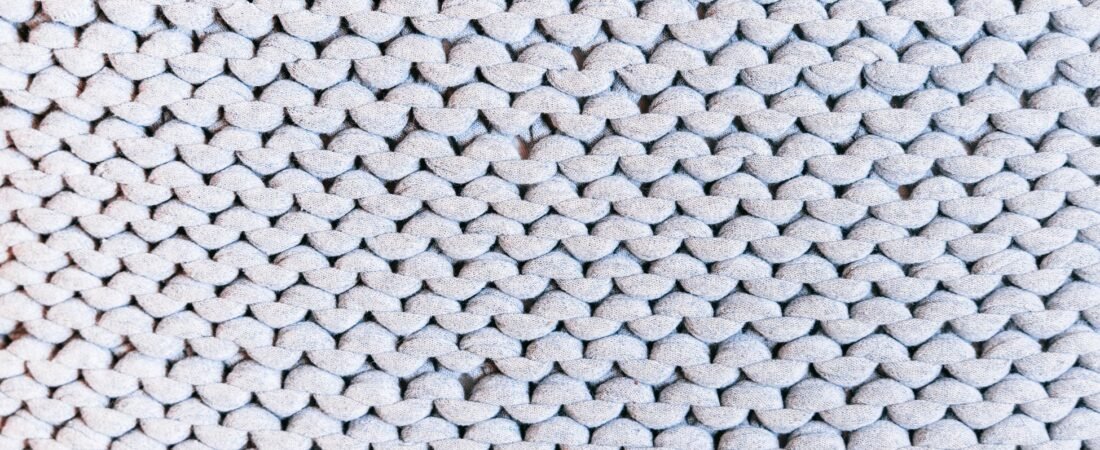
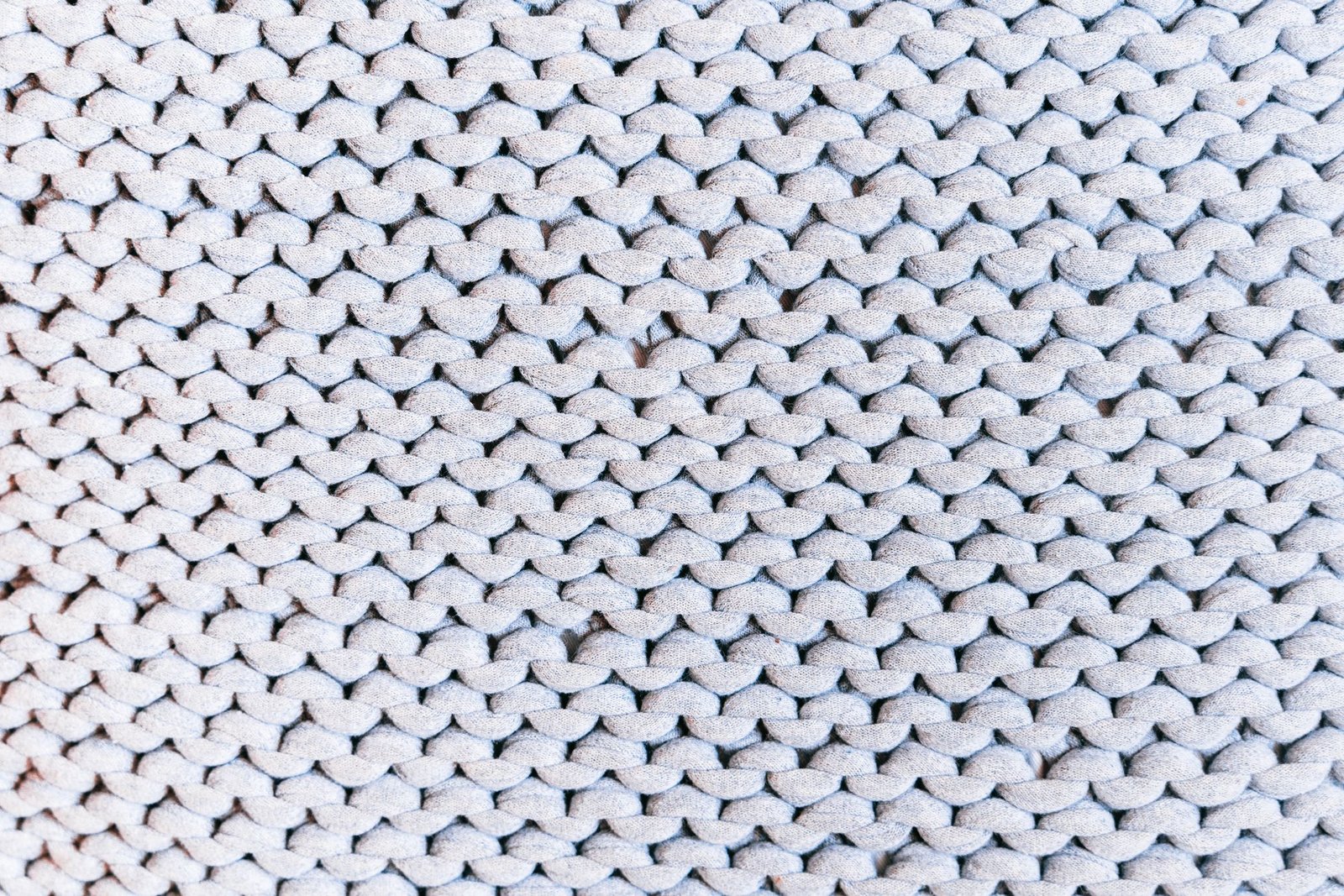
Interlock knit fabric is a type of double knit, meaning it’s constructed using two sets of needles working together to interlock two layers of stitches into a single, more substantial fabric. That double-knit construction is where the name comes from, and it’s also what gives interlock its smooth, identical look on both sides, unlike jersey, which has a distinct right side and wrong side. Because the two layers of loops are literally locked into each other during knitting, interlock ends up denser and more stable than a single knit fabric of a similar weight, and that added structure is the main thing that sets it apart from every other knit at the fabric counter. It’s still a knit fabric at heart though, so it retains a good amount of stretch, just delivered with a lot more stability than jersey offers. The name “interlock” specifically refers to this construction method rather than a fiber content, so you’ll find interlock made from 100% cotton, cotton-spandex blends, polyester, and various other fiber combinations, each bringing its own weight and hand to the same basic double-knit structure.
How Interlock Knit Fabric Differs From Jersey
The most obvious difference between interlock knit fabric and jersey is at the cut edge, jersey famously curls and rolls at raw edges because of how its single-knit structure sits under tension, while interlock lies flat thanks to its balanced double-knit construction. Interlock is also noticeably thicker and heavier than a comparable jersey, which gives it more body and opacity, useful if you’ve ever been annoyed by a see-through jersey tee. Stretch recovery is another meaningful difference, interlock tends to bounce back to its original shape more reliably after being stretched, while jersey can sometimes lose a bit of its recovery over time and repeated wear. The tradeoff is that interlock has somewhat less stretch overall than jersey, so it won’t cling and move quite the same way a jersey tee does. Weight is worth comparing too, a lightweight jersey can be almost sheer, while even a lighter interlock tends to have enough body to be worn on its own without a lining, which matters if you’re deciding between the two for a specific pattern.
How Interlock Feels and Behaves Compared to Fabrics You Already Know
If you’ve sewn with ponte knit before, interlock will feel familiar in some ways, both are stable double knits with a smooth hand, though ponte tends to run a bit heavier and denser than most interlock. Compared to quilting cotton, interlock obviously has stretch that cotton lacks, but it shares that same reassuring stability under the needle, it doesn’t shift and slide the way a slippery jersey or spandex blend can. Many quilters and garment sewists who are used to wovens describe interlock as one of the easier knits to transition to, since its stability means it behaves more predictably than other stretch fabrics, without demanding a completely different set of handling skills. That predictability extends to pressing too, interlock holds a pressed seam or fold reasonably well for a knit, which isn’t something you can say about every stretch fabric on the shelf. Compared to French terry, another popular stable knit, interlock has a smooth surface on both sides rather than terry’s characteristic looped back, so the choice between them usually comes down to whether you want that extra bit of texture and warmth or a cleaner, more uniform finish.
Common Uses for Interlock Knit
Interlock knit fabric shows up frequently in t-shirts and casual tops, where its stability and opacity make for a more polished finished garment than a lightweight jersey. It’s also a popular choice for loungewear and pajamas, since it’s soft and comfortable but holds up to repeated washing better than some other knits. Baby and children’s clothing lean on interlock quite a bit too, its stable, non-curling edges make it more forgiving to sew for smaller, fussier garment pieces, and its smooth double-sided finish means there’s no wrong side to accidentally sew facing out. Underwear and base layers are another common use, since interlock’s stability and moderate stretch strike a comfortable balance between snugness and ease of movement. Athletic and everyday leggings sometimes use interlock as well, especially blends with a bit of added spandex for extra stretch and recovery. Skirts and A-line dresses are another good match, since interlock’s added body helps a knit skirt hold a bit of shape and swing rather than clinging the way a very stretchy jersey might, giving a more tailored look without switching to a woven fabric entirely.
Sewing Interlock at Home
Sewing interlock at home comes together fairly quickly once you know the basics, and it’s a forgiving fabric to practice knit sewing techniques on precisely because it doesn’t shift around the way many other knits do. A ballpoint or stretch needle is the right choice for interlock, just as it is for most knits, since it slides between the fabric’s loops rather than piercing and potentially damaging them the way a sharp needle can. A narrow zigzag or a stretch stitch, rather than a straight stitch, keeps your seams from popping when the fabric stretches, since a straight stitch has no give and can snap under tension. A walking foot helps interlock feed evenly through the machine, especially on longer seams, though many sewists find interlock’s stability means they can get away without one more often than with slippery jersey. For hemming, a twin needle gives a professional, stretchy finished edge that mimics the look of ready-to-wear clothing, and it’s genuinely one of the easier techniques to pick up once you’ve practiced on a scrap of interlock first. Serger owners will find interlock behaves well there too, its stability means it feeds evenly and produces a clean, professional-looking seam without much fuss, though a standard machine with a stretch stitch handles it just as reliably for anyone without a serger at home. Pinning within the seam allowance rather than through the main body of the fabric also helps avoid small permanent holes, a habit worth carrying over from garment sewing with any knit, interlock included.
Project Ideas Suited to Interlock’s Stability
Interlock’s combination of stretch and stability opens up some project types that are trickier in a less stable knit. Structured knit dresses and fitted tops hold their shape better in interlock than they would in a looser jersey, since the fabric itself is doing some of the work that would otherwise require extra interfacing or lining. Quilted knit accessories are a fun, less common project, layering interlock with batting for a soft, slightly padded pouch or bag panel takes advantage of the fabric’s stability in a way that wouldn’t work nearly as well with a curling, unstable jersey. Baby items in general are a great match too, burp cloths, bibs, and simple baby clothes all benefit from interlock’s non-curling edges, which make binding and finishing small pieces considerably less fiddly. Reusable items like cloth napkins, produce bags, or fabric gift wrap also work surprisingly well in interlock, since the stability holds up to repeated use and washing far better than a lighter, curling knit would over time. Even simple accessories like headbands and scrunchies turn out cleaner in interlock, since the fabric holds its shape through construction instead of stretching out of proportion the way a very loose jersey sometimes does.
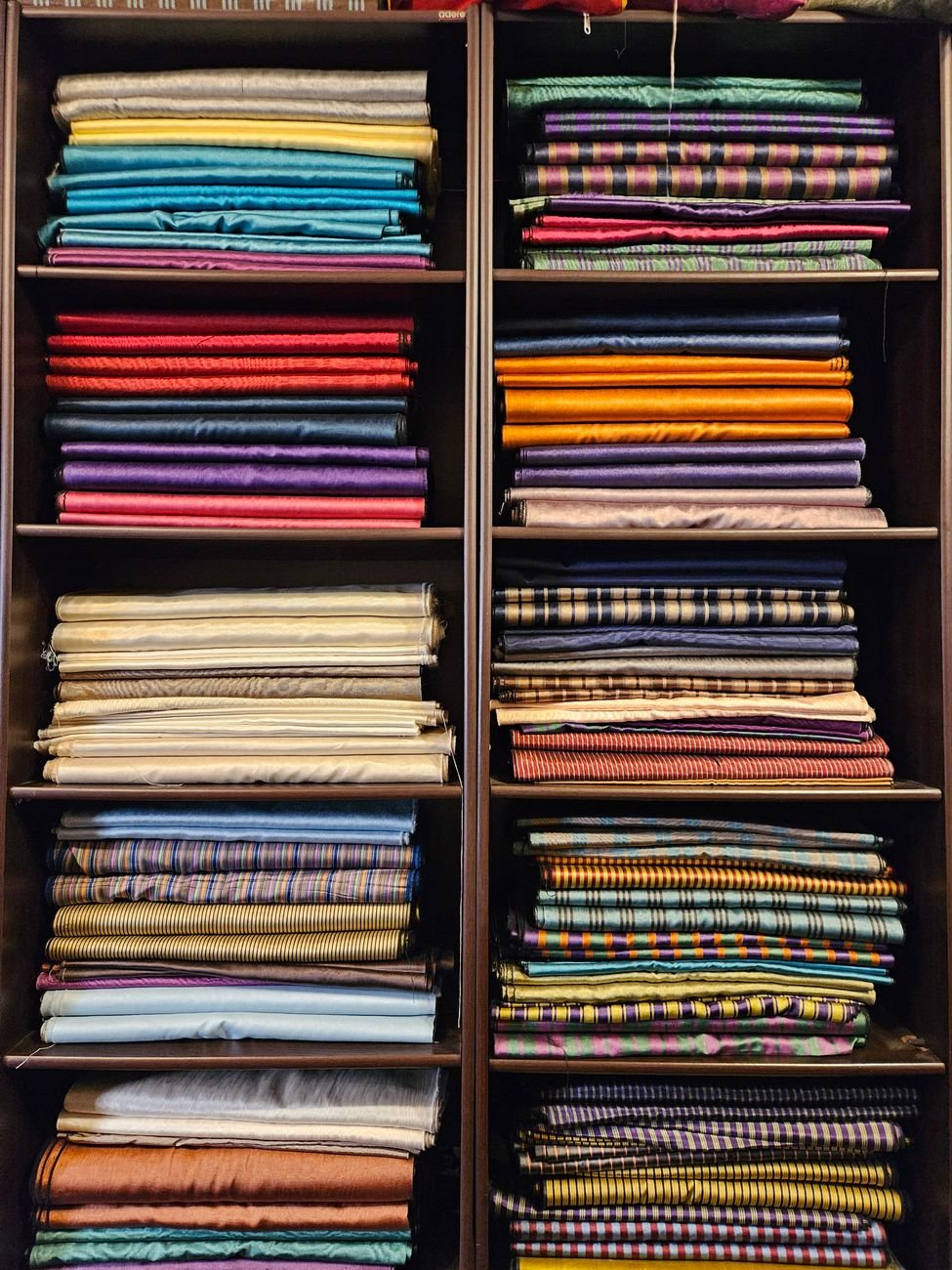
If you’d like to feel the difference between interlock, jersey, and ponte for yourself, stop by Bee’s Quilt Shop and Studio at 1975 Old Moultrie Road in St. Augustine, FL, or browse our fabric collection online to see what knit fabrics we currently have in stock. Our team has 75 years of combined sewing and quilting experience and we’re always happy to help you pick the right knit and walk through needle and stitch settings before you start sewing.
Frequently Asked Questions
Does interlock fabric curl at the edges like jersey does?
No, that’s actually one of the biggest advantages of interlock, its balanced double-knit construction keeps cut edges lying flat instead of rolling the way jersey does. This makes it noticeably easier to cut, pin, and sew accurately compared to a curling single knit.
Can a regular sewing machine handle knit fabric like interlock?
Yes, a regular home sewing machine handles interlock just fine, especially with a ballpoint needle and a stretch or narrow zigzag stitch. Interlock’s added stability actually makes it one of the more forgiving knits for a home machine compared to something thinner and more slippery.
Is interlock too warm for summer clothes?
It can run a bit warmer than a lightweight single jersey simply because it’s thicker and denser, but many lighter-weight interlock fabrics are perfectly comfortable for warm weather. If breathability is your top priority for a summer project, checking the specific weight of the interlock you’re considering is worth doing before you buy.
How much does interlock stretch compared to jersey?
Interlock generally has less stretch than jersey, since its double-knit construction trades some stretch for added stability and recovery. Many sewists find this tradeoff worthwhile for garments that need to hold their shape, though it does mean interlock won’t cling and move quite as freely as a stretchier single jersey.
Does interlock knit fabric need to be pre-washed?
Pre-washing is a good idea for interlock, just as it is for most cotton or cotton-blend knits, since it can shrink somewhat on its first wash. In our experience, staff at Bee’s Quilt Shop and Studio generally recommend pre-washing any natural fiber knit before cutting into a garment, interlock included, to avoid surprises after the finished piece is washed for the first time.
This article is intended for general educational and informational purposes only, based on common sewing practices and the hands-on experience of our staff at Bee’s Quilt Shop and Studio. Fabric stretch, weight, and shrinkage can vary between manufacturers, so we recommend testing a scrap and pre-washing according to the fabric’s care instructions before starting a full project.