Quick answer: Butterfly wing patterns show up in sewing and quilting as wearable costume wings, appliqued quilt blocks, and pieced designs, all relying on the shape’s natural symmetry for visual impact. Using a single template flipped for the second wing is the most reliable way to achieve the matched, mirrored shape a convincing butterfly design depends on.
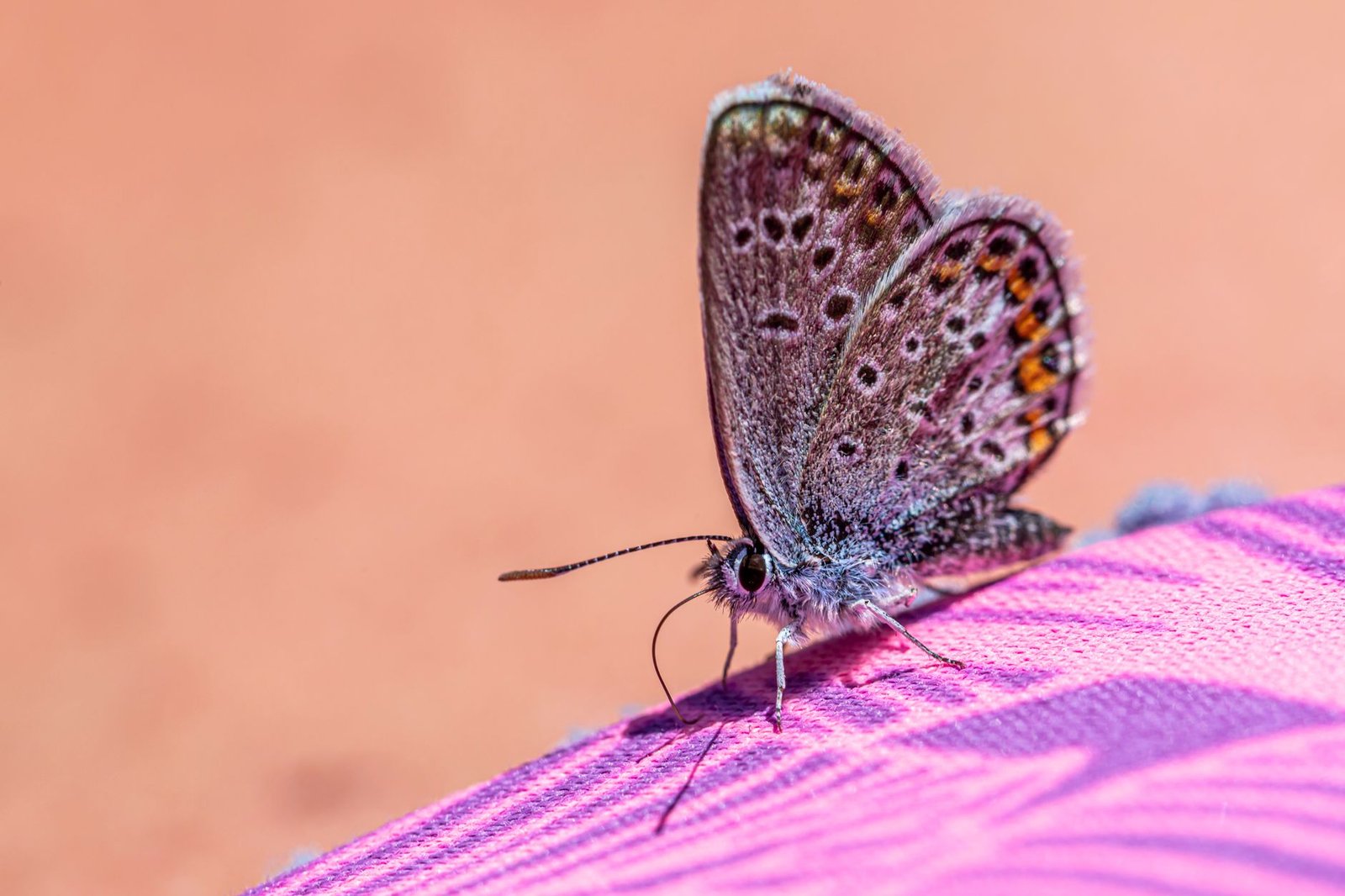
Butterfly wing patterns bring a graceful, symmetrical shape into sewing and quilting projects that’s genuinely satisfying to master, whether you’re building a delicate applique quilt block or constructing a full costume set of wearable wings. The butterfly’s naturally balanced form makes it a rewarding subject for fabric work, and the range of projects it suits, from a small quilted accent to a dramatic costume piece, means there’s a version of this theme for nearly any skill level. This guide covers why butterfly wing patterns are so popular in sewing and quilting, the main project types, choosing fabric for structure and visual impact, sewing techniques for matched symmetrical shapes, beginner-friendly starting points, and finishing touches that elevate a finished piece. Bee’s Quilt Shop sees butterfly themes stay popular well beyond spring, and the short version is that the symmetry that makes butterflies so visually appealing is also the main technical challenge worth understanding before you start. Different butterfly species also offer genuinely distinct silhouettes to draw from, a monarch’s broad, angular wings read very differently than a swallowtail’s more elongated, tapered shape, so browsing a few real butterfly references before settling on a pattern can help a project feel more specific and less generic.
Why Butterfly Wing Patterns Are Popular In Sewing And Quilting
Butterfly wing patterns hold consistent popularity in sewing and quilting for reasons that go beyond simple visual appeal. The natural symmetry of a butterfly’s wings gives quilters and sewists an inherently balanced, pleasing shape to work with, one that reads as recognizable and elegant even in a fairly simplified or stylized form. Costume and dress-up projects lean on butterfly wings heavily too, a set of fabric wings remains a genuinely popular choice for children’s dress-up play, dance recitals, and seasonal costuming, offering a dramatic, transformative element that’s relatively straightforward to construct compared to many other costume pieces. Quilt blocks and applique projects use butterfly motifs constantly as well, whether as a single statement block or repeated across an entire quilt top, since the shape scales well from a small accent to a large, showcase-style centerpiece. The theme also pairs naturally with floral projects, since butterflies and flowers appear together so often in nature that combining the two motifs in a single quilt or garment feels cohesive rather than like two unrelated themes forced together.
Types Of Butterfly Wing Pattern Projects
Butterfly wing projects generally fall into a few distinct categories, and knowing the differences helps with picking the right approach for your intended use. Fabric wings, built as a wearable costume piece, typically involve a wire or boning frame covered in fabric, sheer material, or tulle, designed to hold shape and sometimes fold flat for storage between wearings. Applique blocks bring the butterfly motif into quilting specifically, with wing shapes cut from fabric and stitched onto a background block, often as a single featured block within a larger quilt top. Pieced butterfly quilt designs take a more geometric approach, building the wing shape entirely from straight-pieced fabric sections rather than a single cut applique shape, giving a more graphic, quilted look that some quilters prefer over the softer curves applique naturally produces.
Choosing Fabric For Butterfly Wing Projects
Fabric choice for butterfly wing projects depends heavily on whether you’re building a wearable piece or a quilted one, since the two have genuinely different structural needs. For wearable wings, lightweight, somewhat sheer fabrics like organza or tulle are popular choices since they hold a delicate, ethereal look while remaining light enough to wear comfortably, especially important for a child’s costume that needs to stay comfortable through hours of wear. Structure matters enormously for wearable wings too, and a wire or boning frame sewn into a fabric casing along the wing’s outer edge is what actually holds the shape, since fabric alone, even a stiffer one, generally can’t maintain a wing silhouette without some kind of internal support. For quilted applique or pieced butterfly blocks, cotton is the standard choice, and print selection can add real visual impact, a bold, saturated print for the wings against a calmer solid background makes the butterfly motif pop as the clear focal point of the block.
Sewing Techniques For Symmetrical Wing Shapes
Achieving matched, mirrored wing shapes is probably the single trickiest technical part of any butterfly project, since a butterfly’s two wings need to genuinely mirror each other for the finished piece to read as balanced and correct. Using a single pattern template and flipping it over for the second wing, rather than trying to freehand or eyeball a mirrored shape, is the most reliable way to get two wings that actually match in size and silhouette. Tracing the template onto folded fabric, so both wing shapes are cut simultaneously from a single cutting motion, is another reliable technique that guarantees symmetry without relying on careful individual tracing and cutting for each side separately. For pieced butterfly blocks specifically, working through the piecing sequence for one wing completely before starting the second, using it as a direct visual reference as you build the mirror image, helps catch a piecing error before it’s repeated on both sides of the finished block.
Beginner-Friendly Butterfly Projects
For sewists newer to butterfly projects, a handful of simpler starting points make more sense than diving straight into an elaborate costume wing set or a densely pieced quilt block. A single applique butterfly on a small project, a pillow cover or a mini quilt block, lets a beginner practice the curved cutting and stitching a butterfly shape demands without the added complexity of a full costume’s structural elements. Simplified wing shapes with fewer scalloped edges or pointed details are considerably more forgiving to cut and stitch cleanly than a highly detailed, realistic wing outline, and they still read clearly as a butterfly from a normal viewing distance. For a first costume wing attempt, a smaller, simpler frame shape, rather than an elaborate multi-lobed wing silhouette, is much more manageable to construct correctly on a first try, and the skills learned transfer directly to a more ambitious wing design in the future.
Finishing Touches For Butterfly Wing Projects
Finishing touches genuinely elevate a butterfly wing project from a basic shape into something that reads as intentional and polished. Trim along a wing’s outer edge, whether ribbon, bias tape, or a simple contrasting fabric binding, gives a clean, finished border and can add a pop of complementary color to the overall design. Wire edging, run through a casing along a wearable wing’s perimeter, not only provides structure but can also be gently shaped and bent for a slightly more dynamic, less rigidly symmetrical silhouette if a fully mirrored shape isn’t the goal. Embroidery detail, whether hand or machine stitched, adds fine linework, vein patterns, or subtle shading that brings genuine visual depth to a butterfly wing, whether it’s a quilted applique block or a wearable fabric wing, and even a modest amount of added stitching detail can make a simple wing shape look considerably more refined and finished. At Bee’s Quilt Shop, we’d point anyone building their first pair of wearable wings toward our embroidery hoops and thread guides too, since a small hoop makes stabilizing sheer wing fabric for detail stitching noticeably easier than trying to embroider it unsupported. Mixed-technique blocks, combining a pieced body and antennae with appliqued wing shapes, are also worth considering for anyone who wants a bit of both looks in a single finished piece, borrowing the crisp geometry of piecing alongside the softer curves applique handles so naturally. Whichever approach you choose, sketching the finished layout on paper first, before cutting a single piece of fabric, helps catch a proportion issue while it is still easy to adjust the design. Cutting a rough paper prototype at full scale, and holding it up against the intended background or wearer before committing to fabric, is a genuinely useful extra step for a first attempt at either project type. It costs almost nothing beyond a few extra minutes and consistently saves real frustration once fabric is actually on the cutting table.
Ready to start your own butterfly wing project? Browse our Fabric Guides here at Bee’s Quilt Shop for more sewing and quilting advice, and check out our flower patterns guide since the two themes pair so naturally together. Explore more General Sewing & Quilting guides on the blog, or browse our Patterns collection to see what is currently available.
Frequently Asked Questions
How do I get both butterfly wings to match?
Using a single pattern template and flipping it over for the second wing, rather than trying to freehand a mirrored shape, is the most reliable way to get two wings that actually match. Tracing the template onto folded fabric also guarantees symmetry in one cutting motion.
What fabric is best for wearable butterfly wings?
Lightweight, somewhat sheer fabrics like organza or tulle are popular choices since they hold a delicate look while staying light enough to wear comfortably. A wire or boning frame sewn into a fabric casing is what actually holds the wing shape.
What is a good beginner butterfly quilt block?
A single applique butterfly on a small project, like a pillow cover or mini quilt block, lets a beginner practice curved cutting and stitching without the complexity of a full costume’s structural elements.
Can I make butterfly wings without sewing a frame?
Fabric alone, even a stiffer one, generally cannot maintain a wing silhouette without some kind of internal support, so a wire or boning frame is genuinely needed for wearable wings. Applique or pieced quilt blocks do not require this structural step.
What finishing touches make butterfly wings look more polished?
Trim along the wing’s outer edge and embroidered detail like vein patterns both add real visual depth to a finished piece. At Bee’s Quilt Shop, we suggest starting with a small hoop for detail stitching since it makes stabilizing sheer wing fabric much easier.
This article is intended for general educational and informational purposes only, based on common sewing and quilting practices. Results vary by technique, fabric, and pattern, so checking your specific pattern’s instructions is always recommended. Bee’s Quilt Shop shares this guide as part of our ongoing library of quilting and sewing resources.