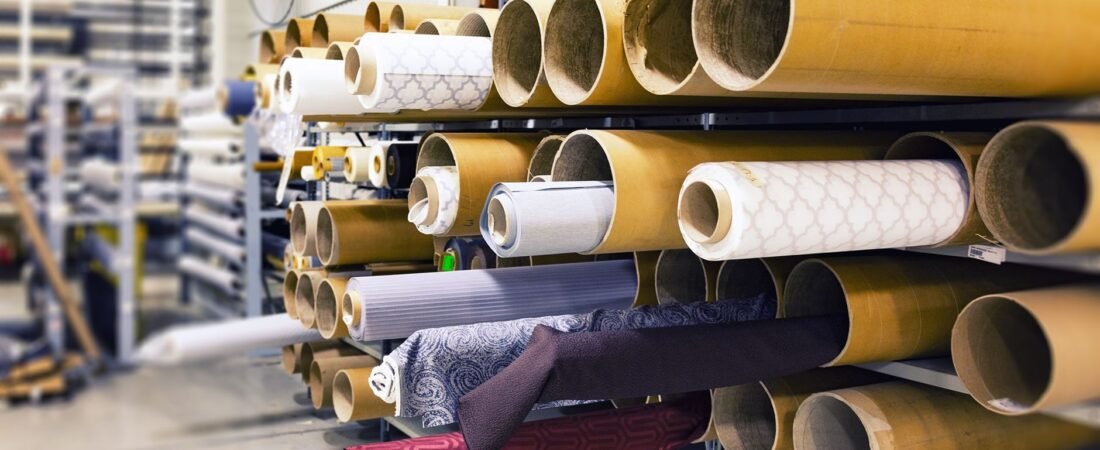
Quick answer: Canvas material is a heavy, tightly woven plain-weave fabric, usually cotton or a cotton-poly blend, prized for its durability and structure in bags, home decor, and other projects that need to hold their shape. Weight, measured in ounces per square yard, determines how stiff and substantial a specific canvas feels, and matching needle and thread to that weight is key to sewing it successfully.
Canvas material shows up constantly in bag making, home decor, and structured sewing projects, and understanding what actually separates it from lighter quilting cottons helps explain why patterns often call for it specifically. If you’ve picked up a bolt of canvas and noticed how much heavier and stiffer it feels compared to fabric you’re more used to working with, that weight and body is exactly the point, canvas is built for durability and structure rather than the soft drape of a garment fabric. This guide covers what canvas material actually is, the common types available, how weight and ounce ratings work, the best projects for canvas, and practical sewing tips for handling a genuinely heavier fabric. Bee’s Quilt Shop has fielded plenty of questions from crafters new to working with canvas, and the short version is that a bit of prep and the right needle make it far more approachable than it looks on the bolt.
What Canvas Material Is
Canvas material is a heavy, plain-weave fabric, meaning it’s constructed the same basic over-under way as quilting cotton, but with much thicker, tightly packed threads that produce a dense, sturdy fabric rather than a lightweight one. Most canvas is made from cotton, though canvas-poly blends and pure synthetic versions exist as well, each bringing a slightly different balance of durability, stiffness, and cost. The tight, heavy weave is what gives canvas its structural strength, it resists tearing and abrasion far better than a lighter weight fabric would, which is exactly why it’s the go-to choice for items that need to hold up to real physical wear, like bags, totes, and outdoor gear. Canvas also holds printing and painting exceptionally well thanks to its tight, stable surface, which is part of why it’s the standard fabric for artist canvases too, though fabric-store canvas intended for sewing projects and stretched artist canvas are typically finished and treated differently even when the base weave is similar. That same dense construction also means canvas takes up more bulk in seams and requires more force to sew through than lighter fabrics, which is worth keeping in mind before diving into a project without adjusting your machine setup accordingly.
Types Of Canvas: Duck Cloth, Cotton, And Blends
Duck cloth, cotton canvas, and various blends represent the main variations you’ll come across when shopping for canvas material, and the differences matter for picking the right one. Duck cloth, sometimes just called duck, is technically a tighter, more densely woven variation of canvas, often used interchangeably with the term canvas in casual conversation, though true duck cloth tends to be slightly smoother and more tightly woven than some other canvas variations. Cotton canvas is the traditional, widely available option, offering good durability and a natural fiber feel that takes dye and printing well, making it popular for both plain and printed canvas goods. Canvas-poly blends add synthetic fiber into the mix, typically improving wrinkle resistance and reducing shrinkage compared to pure cotton canvas, though at some cost to the natural fiber feel and breathability that pure cotton offers. None of these variations is universally better, it comes down to whether a project prioritizes natural fiber feel, wrinkle resistance, or a specific balance of the two.
Weight And Ounce Ratings Explained
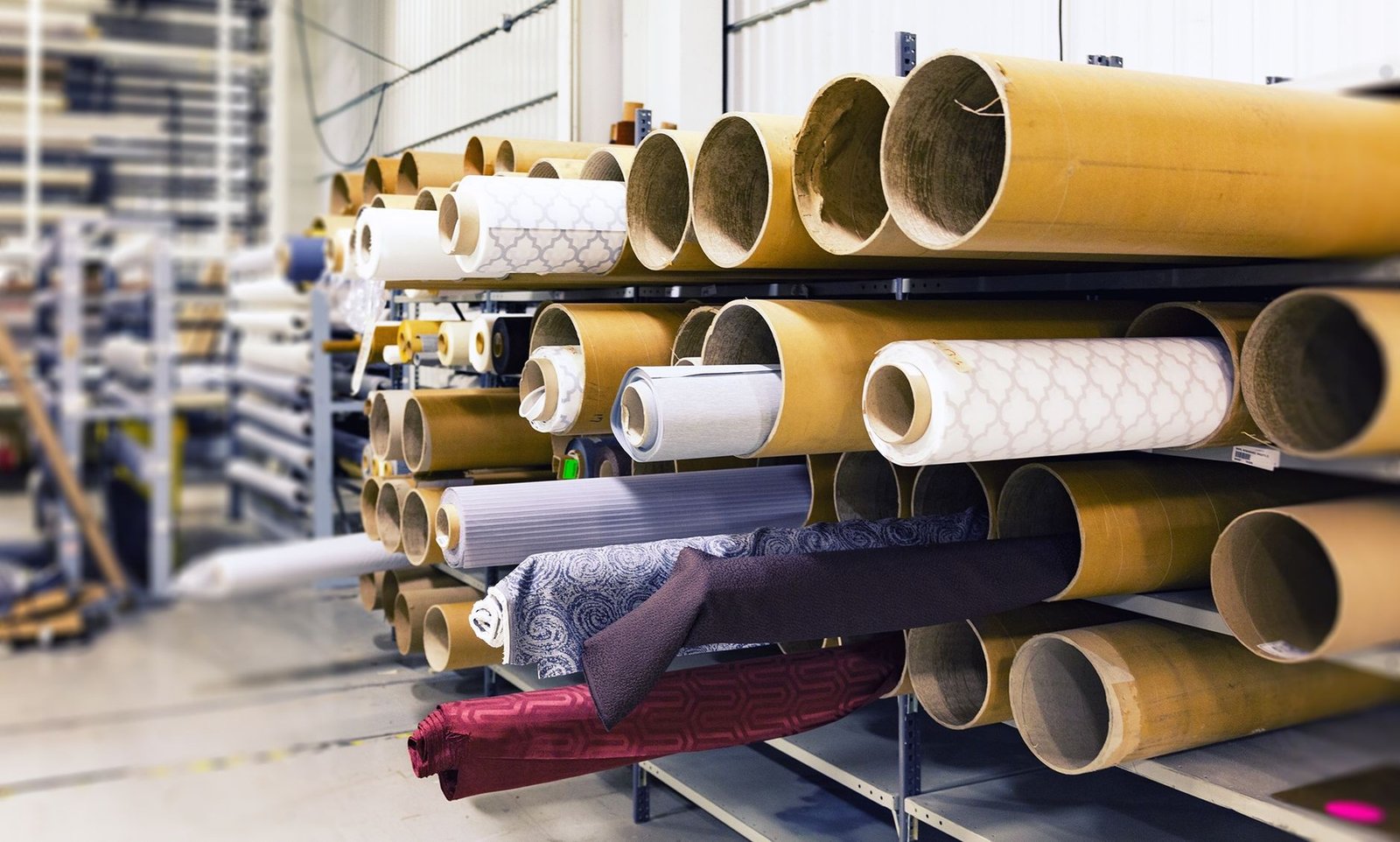
Weight and ounce ratings are how canvas is typically measured and compared, and understanding this system helps predict how stiff or substantial a specific canvas will feel before you even touch it. Canvas weight is usually expressed in ounces per square yard, and this number climbs noticeably higher than the weight measurements used for lighter fabrics like quilting cotton, with common canvas weights ranging from around seven ounces on the lighter end up to fifteen ounces or more for heavy-duty applications. Lighter weight canvas, in the seven to ten ounce range, still holds real structure but is more manageable to sew through on a standard home machine, making it a reasonable starting point for a first canvas project. Heavier canvas, twelve ounces and up, offers serious durability and stiffness suited to items like structural bags or outdoor gear, but it demands a machine capable of handling thick layers and multiple seam intersections without struggling or skipping stitches. Checking a specific canvas’s stated weight before buying, rather than judging by feel alone, helps set realistic expectations for how it will behave once it’s time to sew.
Best Projects For Canvas Fabric
Canvas material’s durability and structure make it especially well suited to a handful of project categories where lighter fabric simply wouldn’t hold up. Bags and totes are probably canvas’s most iconic use, its ability to hold shape and resist tearing under the weight of everyday contents makes it a natural fit for anything meant to be carried, filled, and used repeatedly. Home decor projects, including floor cloths, placemats, and structured cushions, take advantage of canvas’s body and durability in ways that a softer fabric couldn’t manage, particularly for items that see frequent handling or foot traffic. Structured sewing projects more broadly, things like aprons, tool organizers, or garden accessories, lean on canvas specifically because the finished item needs to hold its shape under real use rather than draping softly the way a garment fabric would.
Sewing Tips For Working With Canvas
Sewing canvas successfully comes down largely to matching your machine setup to the fabric’s weight rather than trying to force a standard garment-sewing setup through it. Needle size matters quite a bit here, a standard sharp or universal needle struggles to consistently pierce heavy canvas cleanly, and switching to a denim or canvas-rated needle, generally in a heavier size range, makes a noticeable difference in stitch quality and reduces the risk of skipped stitches or a broken needle. Thread choice benefits from an upgrade too, a heavier weight polyester or cotton-wrapped polyester thread holds up better to the stress of sewing through thick canvas layers than a standard all-purpose thread designed for lighter fabric. Machine considerations extend beyond needle and thread, a walking foot helps feed multiple thick layers evenly through the machine without shifting, which becomes especially important at seam intersections where several layers of heavy canvas stack up at once, and slowing your stitching speed down through those thick spots reduces strain on both the needle and the machine’s motor.
Caring For Canvas Projects
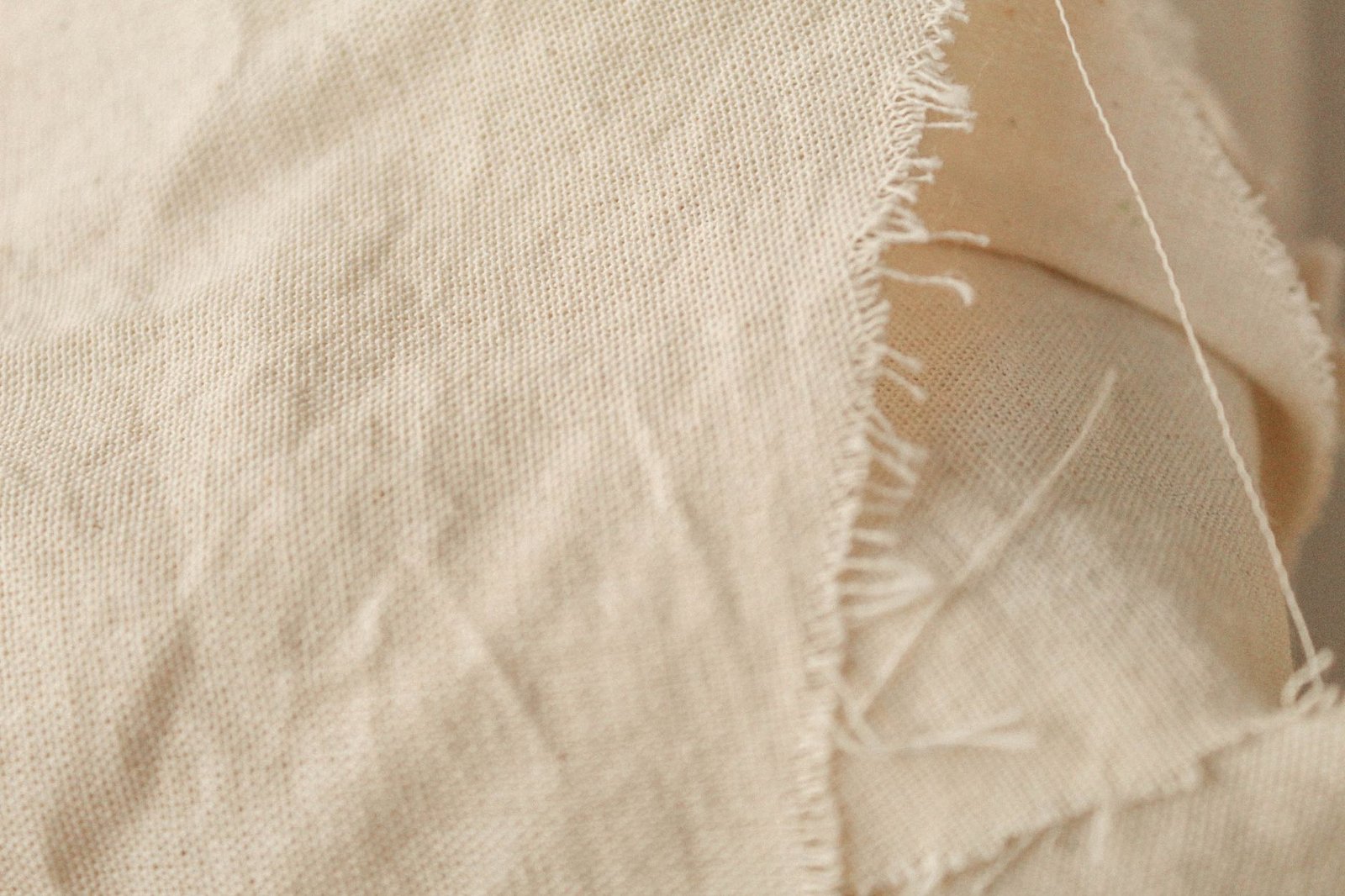
Caring for finished canvas projects is generally straightforward, though the specific approach depends somewhat on whether the item is cotton, blended, or treated with any water-resistant coating. Most untreated cotton canvas holds up fine to regular machine washing, though it can shrink somewhat on a first wash, so pre-washing fabric before cutting into a project helps avoid surprises in a finished item’s dimensions. Canvas items with any water-resistant or waterproof coating generally need gentler care, spot cleaning rather than full machine washing, since repeated washing can gradually break down the coating’s effectiveness over time. Air drying canvas projects, rather than high-heat machine drying, helps preserve both the fabric’s shape and any coating it might have, and it’s a simple habit that meaningfully extends the useful life of a well-made canvas item. Ironing canvas is generally safe at a higher cotton setting, though it’s worth testing a scrap first with any blended or coated canvas, since synthetic fibers or a water-resistant finish can react poorly to heat that plain cotton canvas handles without issue. At Bee’s Quilt Shop, our fabric guides cover plenty of other heavier weight options too, so if canvas ends up feeling like more structure than a particular project needs, browsing a lighter woven alternative is worth doing before committing a full bolt of canvas to something that might drape better in a softer fabric. Keeping a small swatch collection of canvas weights on hand makes it much easier to compare stiffness by feel before a project’s first cut, rather than relying on the ounce number alone to predict how a specific bolt will handle. Even a handful of labeled swatches from past projects can save a return trip to the fabric shop once you know exactly what weight a new pattern calls for.
Ready to shop for canvas material? Browse our Fabric Guides here at Bee’s Quilt Shop for more fabric type advice, and check out our woven fabric guide if canvas ends up feeling heavier than your project needs. Explore more Fabric Types & Guides guides on the blog, or browse our Fabric collection to see what is currently available.
Frequently Asked Questions
What weight canvas should I use for a tote bag?
Lighter weight canvas, in the seven to ten ounce range, still holds real structure but is more manageable to sew on a standard home machine, making it a reasonable choice for a first bag project. Heavier canvas, twelve ounces and up, suits more demanding structural bags.
What needle should I use to sew canvas?
A denim or canvas-rated needle, generally in a heavier size range, pierces heavy canvas more cleanly than a standard sharp or universal needle. Switching needles makes a noticeable difference in stitch quality and reduces the risk of skipped stitches.
What is the difference between canvas and duck cloth?
Duck cloth is technically a tighter, more densely woven variation of canvas, often used interchangeably with the term canvas in casual conversation. True duck cloth tends to be slightly smoother and more tightly woven than some other canvas variations.
Does canvas fabric shrink when washed?
Untreated cotton canvas can shrink somewhat on a first wash, so pre-washing fabric before cutting into a project helps avoid surprises in a finished item’s dimensions. Canvas-poly blends generally shrink less than pure cotton canvas.
Can I use a regular sewing machine for canvas?
Yes, a standard home machine can handle lighter weight canvas, though a walking foot helps feed multiple thick layers evenly, especially at seam intersections. At Bee’s Quilt Shop, we suggest slowing your stitching speed down through thick sections to reduce strain on the needle and machine.
This article is intended for general educational and informational purposes only, based on common sewing practices. Results vary by canvas weight, fiber content, and machine capability, so testing on a scrap piece is always recommended. Bee’s Quilt Shop shares this guide as part of our ongoing library of quilting and sewing resources.