Quick answer: Woven fabric is constructed by interlacing two sets of threads at right angles, giving it stability and little natural stretch compared to looped knit fabric. Plain, twill, and satin weave are the three foundational structures behind most fabrics, and understanding which one you are working with shapes cutting, sewing, and care decisions.
Woven fabric forms the backbone of most quilting and sewing projects, and understanding what actually makes a fabric woven, as opposed to knit, helps explain a lot of the practical decisions that come up while cutting, sewing, and caring for fabric. If you’ve ever wondered why some fabric frays at cut edges while other fabric doesn’t, or why certain patterns call specifically for “woven” fabric in the materials list, this guide covers what weave structure actually is, the common types you’ll encounter, how it compares to knit fabric, and practical tips for cutting and caring for it. Bee’s Quilt Shop works with woven fabric constantly across quilting cottons and beyond, and the short version is that weave structure is one of the more foundational things worth understanding early in your sewing journey.
What Makes A Fabric Woven
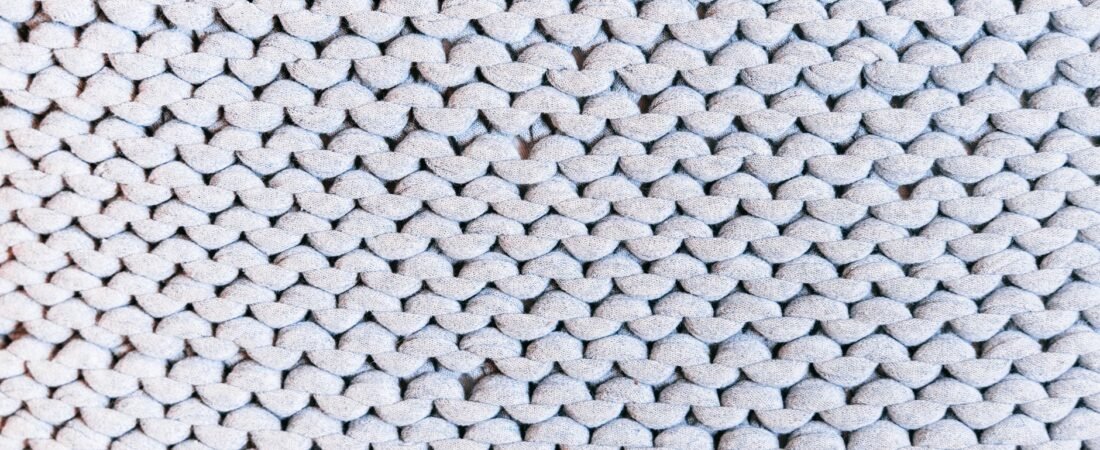
Woven fabric is constructed by interlacing two sets of threads at right angles to each other, a lengthwise set called the warp and a crosswise set called the weft, which pass over and under one another in a repeating pattern to form a stable, flat fabric structure. This interlacing is fundamentally different from knit fabric, which is constructed from a single continuous thread looped repeatedly through itself, similar to how hand knitting or crochet works but done by machine at industrial scale. The over-under interlacing in a weave is what gives woven fabric its characteristic stability, since the threads lock against each other at each crossing point, the fabric doesn’t have the same built-in stretch that a knit’s looped construction naturally provides. Most quilting cotton, the fabric most associated with traditional quilting, is a plain weave construction, one of the simplest and most common weave patterns, which is part of why quilting cotton behaves so predictably and is such a forgiving fabric for beginners to learn on. Thread count, a number often quoted for woven fabrics like quilting cotton or bedsheets, refers to how many threads are packed into a square inch of the weave, and a higher thread count generally signals a finer, denser weave, though it isn’t the only factor that determines a fabric’s overall hand and quality.
Common Types Of Woven Fabric
Plain weave, twill, and satin weave represent the three foundational weave structures, and most fabrics you’ll encounter build on one of these three patterns. Plain weave is the simplest, threads alternate over and under in a basic checkerboard pattern, producing a balanced, stable fabric with a matte finish, and it’s the structure behind quilting cotton, muslin, and many everyday fabrics. Twill weave creates a distinctive diagonal ribbing across the fabric’s surface by having the weft thread pass over multiple warp threads before going under, rather than alternating every single thread, and it’s the structure behind denim, giving twill fabrics extra durability and a slightly textured hand compared to plain weave. Satin weave uses long floats, where the weft thread passes over several warp threads before going under just one, which creates satin’s characteristic smooth, glossy surface, though that same structure makes satin weave fabrics more prone to snagging since the long floating threads aren’t anchored as frequently as in plain or twill weave. Beyond these three foundational structures, plenty of specialty weaves exist too, basket weave and dobby weave among them, but nearly everything you’ll encounter on a typical fabric shelf traces back to some variation on plain, twill, or satin construction.
Woven Vs Knit: Why It Matters For Your Project
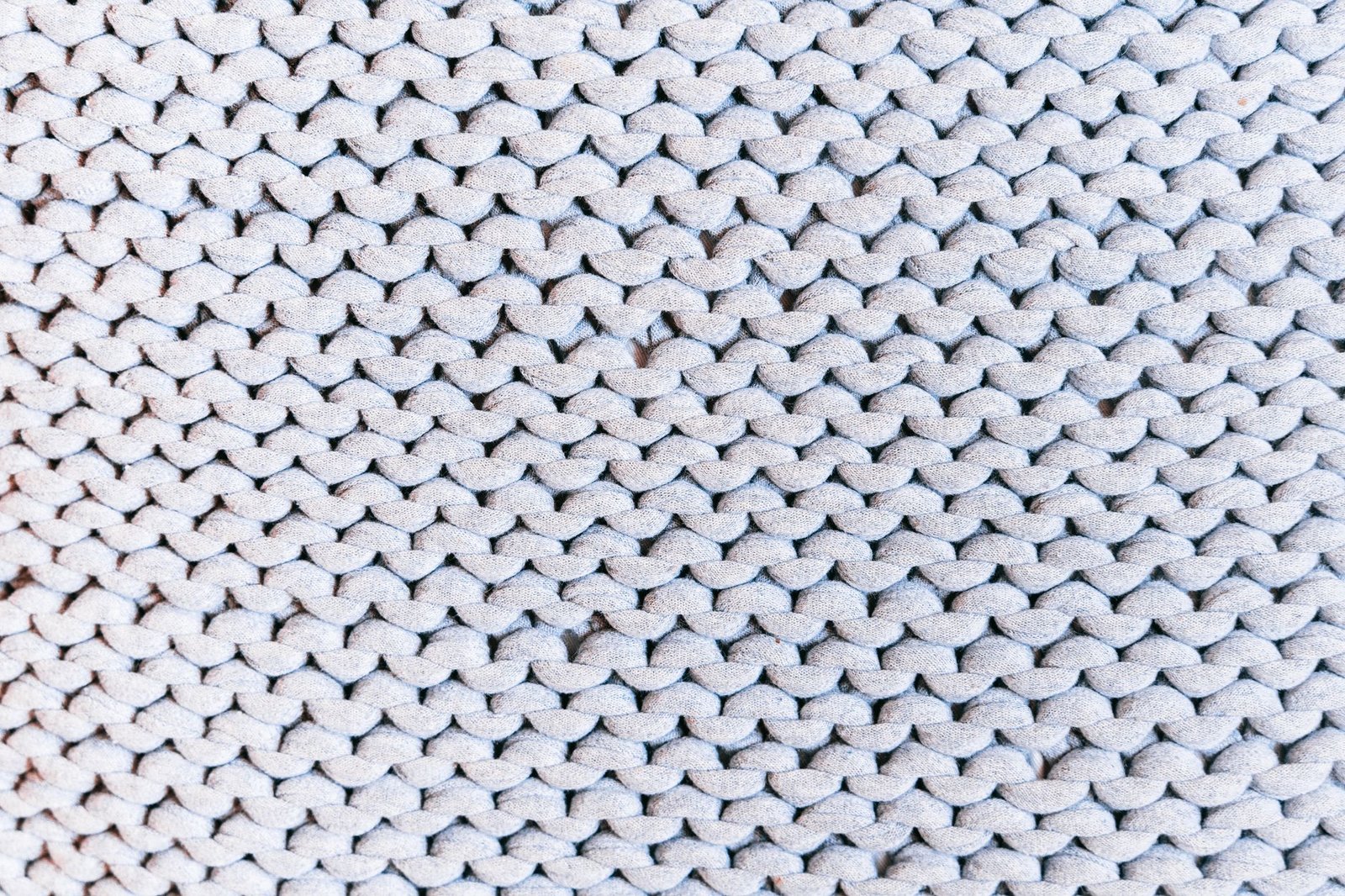
Whether a fabric is woven or knit makes a real practical difference in how it drapes, stretches, and holds up to fraying, which in turn shapes what projects it suits. Woven fabric generally has little to no stretch unless it includes an added elastic fiber like spandex, which means it holds a defined shape well and is the standard choice for structured garments, quilting, and home decor where dimensional stability matters. Knit fabric stretches readily thanks to its looped construction, draping softly against the body, which is why knits dominate the t-shirt and athletic wear categories where stretch and comfort take priority over structure. Fraying is another key difference, cut edges on woven fabric will unravel over time since the interlaced threads aren’t locked together at a cut edge, requiring some kind of seam finishing, while knit fabric’s looped structure generally resists fraying at cut edges without needing the same finishing treatment. Understanding this distinction before starting a project helps avoid a genuinely common beginner mistake, substituting a knit fabric into a pattern written for woven fabric, or the reverse, which usually results in a garment or project that doesn’t fit or drape the way the pattern intended.
Best Uses For Woven Fabric In Quilting And Sewing
Woven fabric suits an especially wide range of quilting, garment, and home decor projects, which is part of why it remains such a staple across so many types of sewing. Quilting cottons, almost universally a plain weave, are the standard fabric for pieced quilt tops, valued for holding a crisp seam and pressing flat reliably, which matters enormously when precision seam allowances are central to a pattern’s success. Garment sewing relies heavily on woven fabrics like poplin, chambray, and twill for structured pieces, button-up shirts, tailored pants, and jackets that need to hold their shape rather than cling or stretch with the body. Home decor projects, curtains, table linens, upholstery, and pillow covers, lean on woven fabric’s stability and clean drape, which holds up well to the repeated handling and structural demands those items face over years of use.
Cutting And Handling Woven Fabric
Cutting and handling woven fabric well comes down to a handful of habits that make a real difference in accuracy and finish quality. Cutting along the fabric’s grainline, meaning aligned with either the warp or weft threads rather than at an angle, keeps pieces from stretching or distorting unexpectedly once sewn, since woven fabric behaves quite differently on the straight grain compared to the bias, the diagonal direction across the weave. Preventing fraying at raw edges matters more for woven fabric than knit, and options range from a simple zigzag stitch along the cut edge, to pinking shears that cut a jagged edge less prone to unraveling, to a full serged finish for garments that will see heavy wear and washing. Pressing woven fabric accurately, rather than just ironing over it casually, genuinely affects seam quality, since a well-pressed seam on woven fabric lies flatter and holds its shape better through subsequent construction steps than one that’s only lightly touched with the iron.
Caring For Woven Fabric Projects
Caring for finished woven fabric projects generally comes down to standard washing and pressing guidance, though it’s always worth checking a specific fabric’s recommended care since fiber content varies the details. Most quilting cottons hold up well to regular machine washing and drying, though pre-washing fabric before cutting into a project helps account for any shrinkage upfront rather than after a quilt or garment is already assembled. Pressing woven fabric with appropriate heat for its fiber content, cooler for synthetic blends and hotter for cotton or linen, keeps seams crisp without risking scorching or melting more heat-sensitive fibers. Storing finished woven fabric projects folded loosely, rather than crammed tightly into a drawer or closet, helps avoid the kind of sharp, permanent creases that can be difficult to fully press back out over time. Rolling larger pieces of yardage around a tube rather than folding them flat is another storage option worth considering for fabric you’re not planning to cut into right away, since it avoids the fold lines that build up along the same crease points over months of flat storage. A dedicated shelf or set of labeled bins organized by fiber type or weave also makes a growing woven fabric stash much easier to shop from when a new project idea comes together. Keeping a running inventory list, even a simple spreadsheet noting yardage and fiber content for each piece, saves real time when planning a new project against what is already on hand, and it helps avoid buying a duplicate yard of something already tucked away in storage.
Ready to shop for your next woven fabric project? Browse our Fabric Guides here at Bee’s Quilt Shop for more fabric type advice, and check out our canvas material guide if you need something heavier weight. Explore more Fabric Types & Guides guides on the blog, or browse our Fabric collection to see what is currently available.
Frequently Asked Questions
What is the difference between woven and knit fabric?
Woven fabric is made by interlacing two sets of threads at right angles, giving it stability and little stretch, while knit fabric is looped from a single continuous thread and stretches readily. Substituting one for the other in a pattern usually changes how the finished project fits and drapes.
Does woven fabric fray at cut edges?
Yes, cut edges on woven fabric will unravel over time since the interlaced threads are not locked together at a cut edge, so some kind of seam finishing is usually needed. Knit fabric generally resists fraying without the same finishing treatment.
Is quilting cotton a woven fabric?
Yes, most quilting cotton is a plain weave construction, one of the simplest and most common weave patterns, which is part of why it behaves so predictably and presses flat reliably.
What is the difference between plain weave and twill?
Plain weave alternates threads over and under in a basic checkerboard pattern, while twill weave creates a diagonal ribbing by passing the weft thread over multiple warp threads before going under. Twill is generally more durable and has a slightly textured hand compared to plain weave.
How do I keep woven fabric from fraying while I sew?
A simple zigzag stitch along the cut edge, pinking shears, or a full serged finish all work to prevent fraying, depending on how much wear the finished project will see. At Bee’s Quilt Shop, we generally suggest matching the finishing method to how often the item will be washed and handled.
This article is intended for general educational and informational purposes only, based on common sewing and quilting practices. Results vary by fiber content, weave, and fabric brand, so checking your specific fabric’s care instructions is always recommended. Bee’s Quilt Shop shares this guide as part of our ongoing library of quilting and sewing resources.