Quick answer: Flower patterns appear across quilting and sewing through printed floral fabric, pieced flower blocks, and applique, each offering a different balance of realism and construction difficulty. Choosing a technique that matches your skill level, then coordinating a limited color palette, are what separate a polished floral project from a chaotic one.
Flower patterns are as close to a universal favorite as sewing and quilting themes get, showing up across quilts, garments, home decor, and just about every other project category imaginable. There’s a good reason florals have that kind of staying power, they work in nearly any color palette, suit nearly any skill level depending on the technique chosen, and rarely feel dated the way some more trend-driven themes eventually do. This guide covers why flower patterns remain such a sewing and quilting staple, the main techniques used to create them, choosing a pattern for your skill level, color and fabric coordination, common mistakes with floral applique and piecing, and a few popular style categories worth exploring. Bee’s Quilt Shop sees florals stay consistently popular across every season of the year, and the short version is that the theme’s flexibility is really what keeps it feeling fresh project after project. Seasonal shifts add even more variety within the floral category itself, spring projects often lean toward pastel tulips and cherry blossoms, while fall florals favor deeper, warmer tones like dahlias and chrysanthemums, so the theme rarely feels locked into a single look across a full year of projects.
Why Flower Patterns Are A Sewing And Quilting Staple
Flower patterns hold their staple status largely because of how versatile the theme is across such a wide range of project types. Quilts lean on floral themes constantly, whether through printed floral fabric used as-is, pieced flower blocks built from geometric shapes, or hand or machine applique creating more realistic, detailed blossoms. Garment sewing uses floral prints heavily too, a floral fabric choice can shift a simple dress or blouse pattern from plain to distinctly seasonal or feminine without changing the pattern itself at all. Beyond quilts and garments, florals show up constantly in home decor, pillow covers, curtains, table linens, taking advantage of how universally appealing and non-polarizing floral motifs tend to be compared to bolder or more niche design themes. That sheer range of application is a big part of why flower patterns never really go out of style the way a more specific trend eventually does, there’s always a floral approach that fits whatever project is currently on the table.
Types Of Flower Pattern Techniques
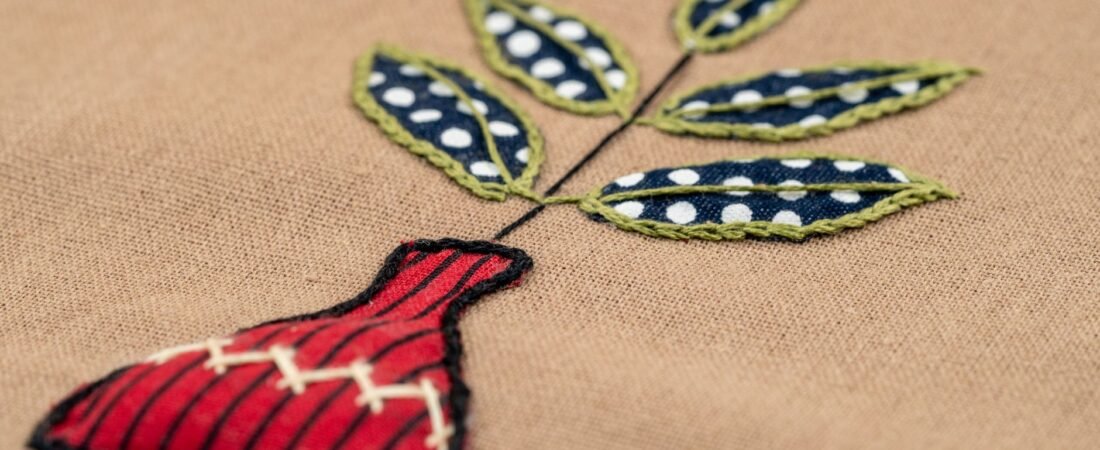
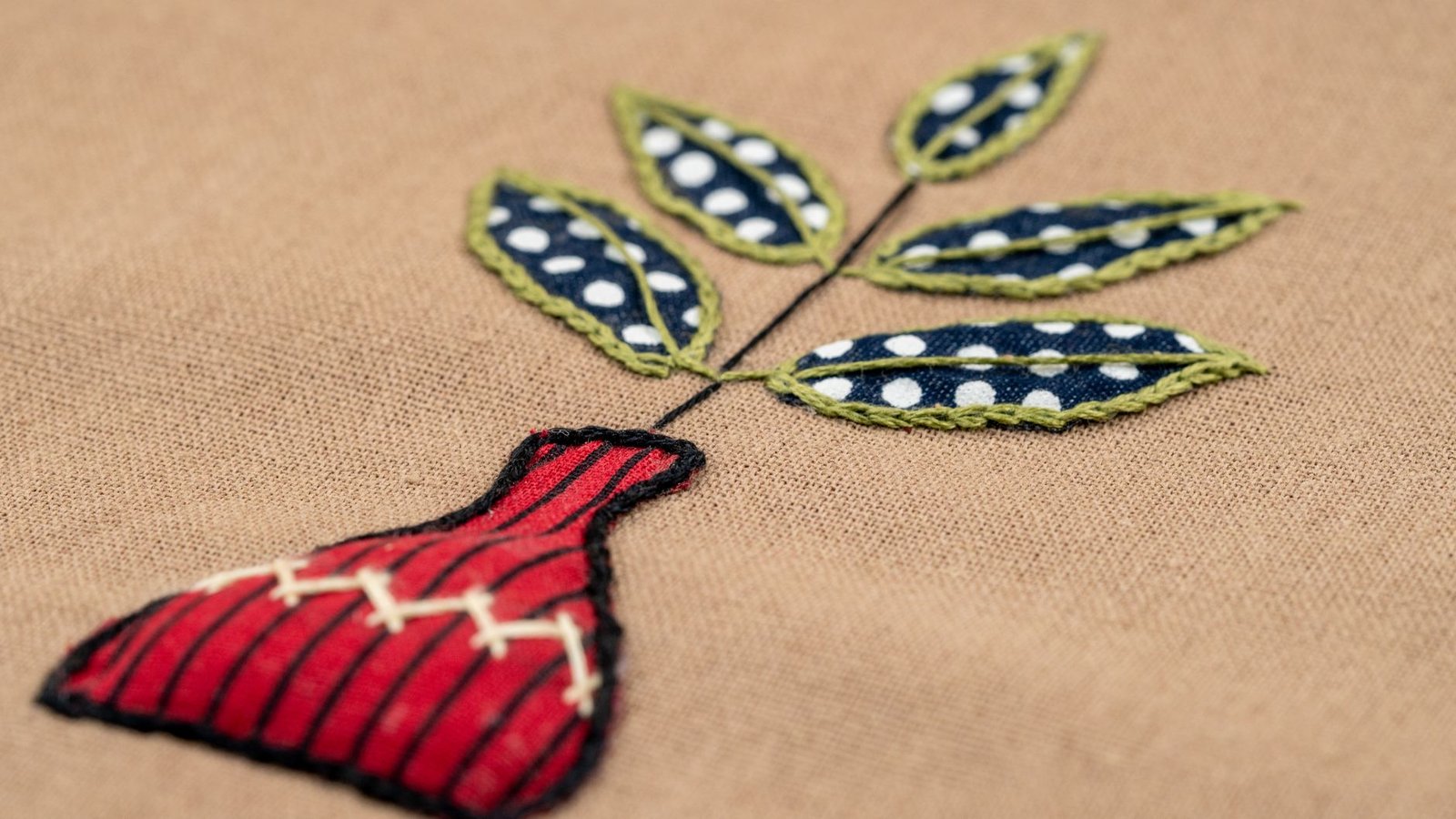
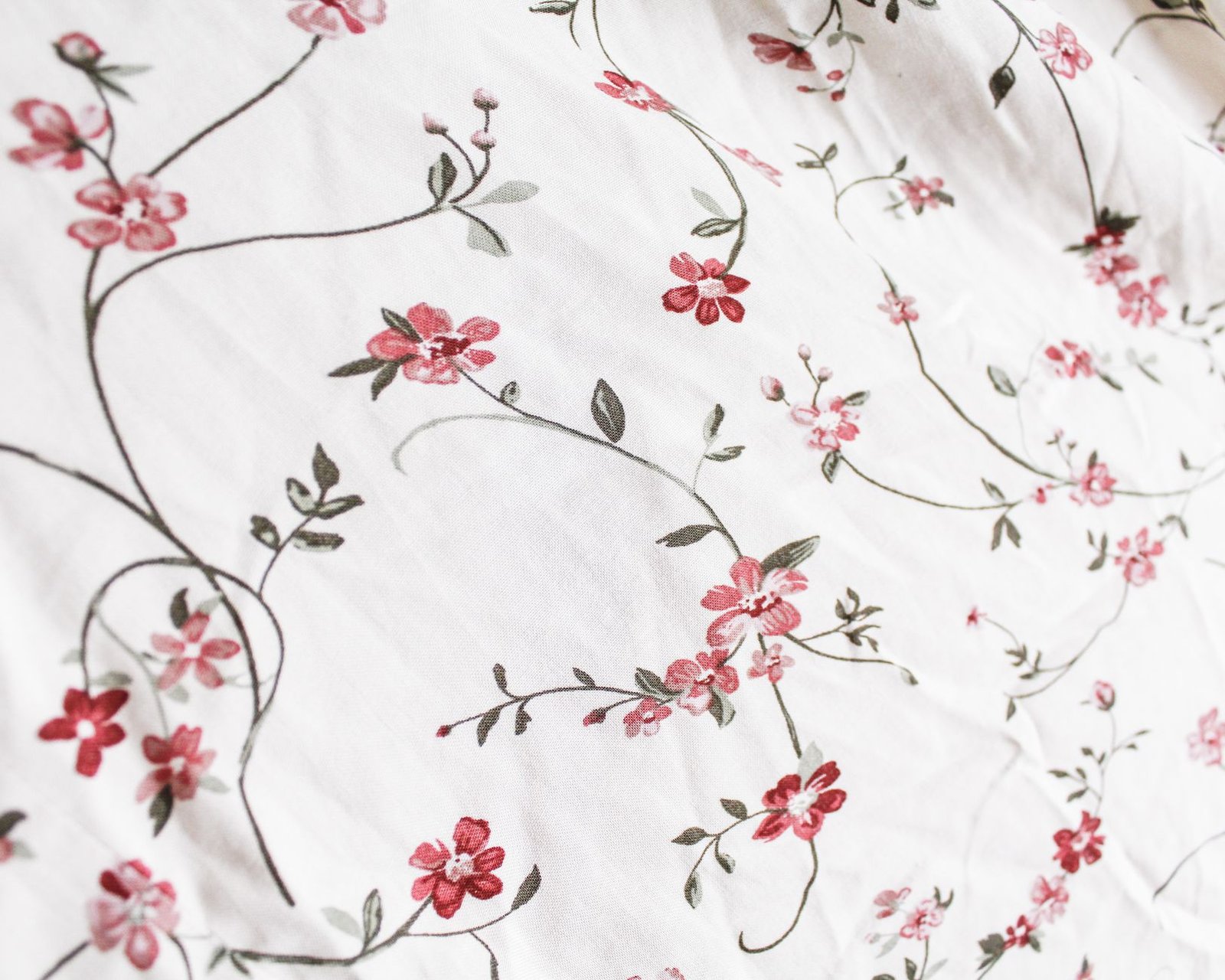
Flower pattern projects generally break down into three main technique categories, and each produces a genuinely different finished look. Applique, where individual flower and leaf shapes are cut from fabric and stitched onto a background, offers the most flexibility for realistic, curved floral shapes, since fabric can be cut into nearly any organic outline a piecing pattern couldn’t easily replicate. Pieced flower blocks, built entirely from straight-line geometric piecing, trade some of that organic realism for a more graphic, quilted look, and popular pieced flower blocks like the Dresden plate or various pieced tulip designs have been quilting staples for generations specifically because they capture a floral impression through geometric shapes alone. Printed floral fabric is the simplest approach of all, letting the fabric itself carry the entire floral motif without any additional piecing or applique work, which makes it an accessible option for sewists who love the floral look but aren’t drawn to the extra construction techniques applique or pieced blocks require.
Choosing A Flower Pattern For Your Skill Level
Choosing a flower pattern that matches your actual skill level comes down to honestly assessing a few key factors before committing to a project. Curved seams and small, detailed petal shapes generally signal a more advanced pattern, since sewing accurately around tight curves takes more practice than straight-line piecing does. The total number of individual pieces in a single flower motif is another useful gauge, a simple five-petal flower with one center circle is far more approachable than a densely layered rose with a dozen overlapping petal shapes. For a genuine first floral project, patterns using raw-edge applique with simple, rounded petal shapes tend to be the most forgiving starting point, offering a satisfying floral result without demanding precision piecing or advanced hand-applique technique right out of the gate.
Color And Fabric Choices For Floral Projects
Color and fabric choices make or break a floral project’s overall impact, and a bit of planning here goes a long way toward a cohesive finished look. Coordinating prints with solids is one of the more reliable approaches, using a floral print for the main flower shapes while solid fabric fills in leaves, stems, or background elements, since that contrast keeps the floral motifs visually distinct rather than blending into a busy background. Thread color deserves real thought too, particularly for machine applique, where a close color match to each fabric piece creates a cleaner, more seamless edge, while a contrasting thread color, used intentionally, can add a decorative outline effect around each petal instead. Pulling a small palette of two or three main colors, rather than trying to incorporate every color visible in a busy floral print, generally produces a more polished, intentional-looking finished project than an approach that tries to match every shade exactly.
Common Mistakes With Floral Applique And Piecing
A handful of mistakes come up again and again with floral applique and piecing, and knowing what to watch for helps sidestep most of them early. Curves that pucker or don’t lie flat are probably the single most common floral applique frustration, usually caused by not clipping the seam allowance on inward curves enough to let the fabric relax into the shape, and taking the time to clip curves properly before turning or stitching them down makes a real difference in how smoothly a petal lies. Overly busy fabric choices, where every single element in a floral project uses a different competing print, can leave a finished piece looking chaotic rather than intentionally layered, and pulling back to a more limited, coordinated palette usually improves the overall visual balance considerably. Rushing the pressing step on pieced flower blocks, particularly ones with a lot of small pieces meeting at a single center point, tends to leave bulky, uneven seams that show through on the quilt’s front, so pressing carefully and consistently as you go, rather than waiting to press everything at the very end, pays off in a noticeably flatter, cleaner finished block.
Popular Floral Pattern Styles To Explore
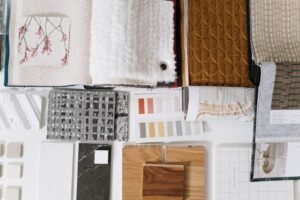
Floral pattern styles cover a genuinely wide aesthetic range, and it’s worth exploring a few different categories before settling on a direction for a specific project. Traditional floral applique, often featuring layered, realistic petal shapes in classic garden colors, has deep roots in quilting history and remains a popular choice for heirloom-style projects. Modern minimalist florals, using simplified, often single-color petal shapes against lots of negative space, offer a more contemporary take on the same basic theme for sewists who want floral character without a busy, traditional look. Folk-art and whimsical florals, featuring stylized, sometimes asymmetrical petal shapes in bold, unexpected color combinations, give the theme a more playful, less realistic feel that suits a lot of modern quilting aesthetics particularly well. Botanical and single-stem styles, focusing on one carefully rendered bloom rather than a dense, repeated floral pattern, have also grown more popular for quilters drawn to a cleaner, more editorial look, and they’re worth exploring for anyone who finds a busy, all-over floral design a bit overwhelming to plan or execute. Whichever style catches your eye, our fabric guides here at Bee’s Quilt Shop cover plenty of floral print options worth browsing alongside a specific pattern before you commit to a full project’s yardage. Building a small swatch board of favorite floral combinations over time, pinned up somewhere visible in your sewing space, makes it much easier to spot a winning palette quickly the next time a new project idea comes along. Photographing successful color combinations from finished projects, and keeping those photos alongside the swatch board, adds another quick reference for revisiting a palette that worked especially well in the past. Over time, that simple board tends to become a genuinely useful planning tool for every new floral project that follows, and it makes explaining a color vision to a friend or fellow quilter much easier than trying to describe it in words alone.
Ready to start your own flower pattern project? Browse our Fabric Guides here at Bee’s Quilt Shop for more floral fabric advice, and check out our floral quilt guide for a full-sized project idea. Explore more General Sewing & Quilting guides on the blog, or browse our Patterns collection to see what is currently available.
Frequently Asked Questions
What is the easiest flower pattern technique for a beginner?
Raw-edge applique with simple, rounded petal shapes tends to be the most forgiving starting point, offering a satisfying floral result without demanding precision piecing. Printed floral fabric is even simpler since the fabric itself carries the entire motif.
What is a good beginner pieced flower block?
The Dresden plate and various pieced tulip designs have been quilting staples for generations specifically because they capture a floral impression through geometric shapes alone. They are worth exploring once basic piecing skills feel comfortable.
How many colors should a floral quilt use?
Pulling a small palette of two or three main colors, rather than trying to incorporate every color visible in a busy floral print, generally produces a more polished, intentional-looking finished project.
Why does my applique flower pucker instead of lying flat?
Curves that pucker are usually caused by not clipping the seam allowance on inward curves enough to let the fabric relax into the shape. Taking the time to clip curves properly before turning or stitching them down makes a real difference.
What thread color should I use for machine applique flowers?
A close color match to each fabric piece creates a cleaner, more seamless edge, while a contrasting thread color, used intentionally, can add a decorative outline effect instead. At Bee’s Quilt Shop, both approaches are common, so it really comes down to the look you want.
This article is intended for general educational and informational purposes only, based on common sewing and quilting practices. Results vary by technique, fabric, and pattern, so checking your specific pattern’s instructions is always recommended. Bee’s Quilt Shop shares this guide as part of our ongoing library of quilting and sewing resources.