Quick answer: See-through fabric gets its translucency from a combination of fine fibers and a loose or open weave, or in the case of tulle and mesh, from being a net-like knit rather than a woven fabric at all. The most common types are chiffon, organza, voile, georgette, tulle, and mesh, and they range from crisp and structured to soft and flowing depending on the weave. They’re most often used for bridal wear, eveningwear, costumes, and window treatments, but working with them takes a bit of technique since they tend to be slippery and can fray easily. Using pattern weights instead of pins, and stabilizing the fabric with tissue paper before cutting, are two tricks that make sewing sheer materials much more manageable.
Sheer, gauzy, delicate, you’ve probably heard people describe see-through fabric with a dozen different words, and it can be confusing to know exactly what you’re looking at when you’re standing in front of a bolt of chiffon versus organza versus tulle. See-through fabric covers a wide range of materials that all let light pass through to some degree, but they behave very differently once you’re actually working with them. Here at Bee’s Quilt Shop and Studio, customers come in reaching for sheers for everything from bridal veils to art quilt overlays, and the right choice really does depend on the project. Let’s go through what makes a fabric see-through in the first place, the most common types you’ll run into, and how to actually sew with them without losing your patience.
What Makes a Fabric See-Through?
Sheerness comes down to how much light can pass through the fabric, and that’s controlled by a combination of fiber thickness and how tightly or loosely the threads are woven together. A fabric made from very fine fibers, woven in a loose, open pattern, lets more light through and feels lighter in your hand, while a denser weave using the same fiber will feel more opaque even at a similar weight. Some sheers get their translucency from an open weave structure, like voile or gauze, while others, like tulle or mesh, are actually a net-like knit rather than a woven fabric at all. Either way, the common thread, so to speak, is a structure that doesn’t fully block light, which is what gives all of these fabrics that soft, ethereal look. Fiber content plays a role too, silk and polyester sheers tend to have a bit of natural sheen, while cotton-based sheers like voile lean more matte and soft. None of this means a see-through fabric is automatically fragile or low quality, sheerness is just a design choice built into the weave, and plenty of sheer fabrics are actually quite sturdy for their weight once you know how to handle them. Thread count factors in too, a sheer fabric woven from a high thread count of very fine yarn can actually be more durable than a lower thread count sheer made from thicker fibers, even though both let a similar amount of light through.
Common Types of See-Through Fabric
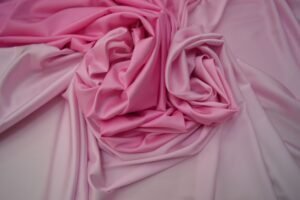
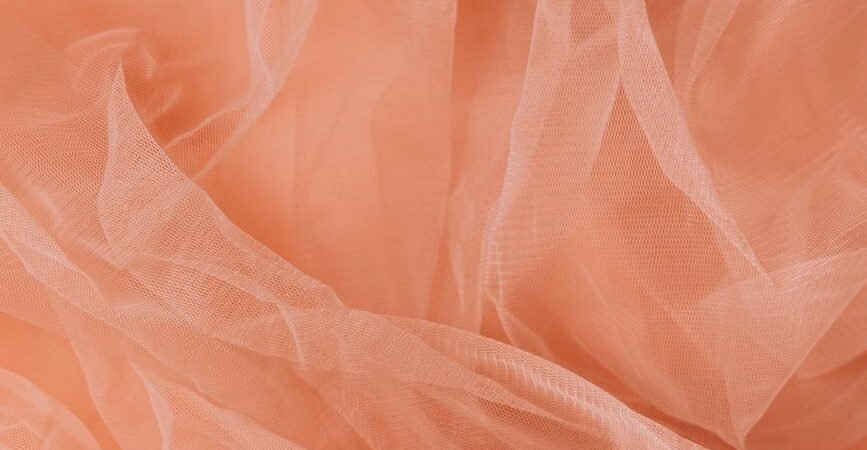
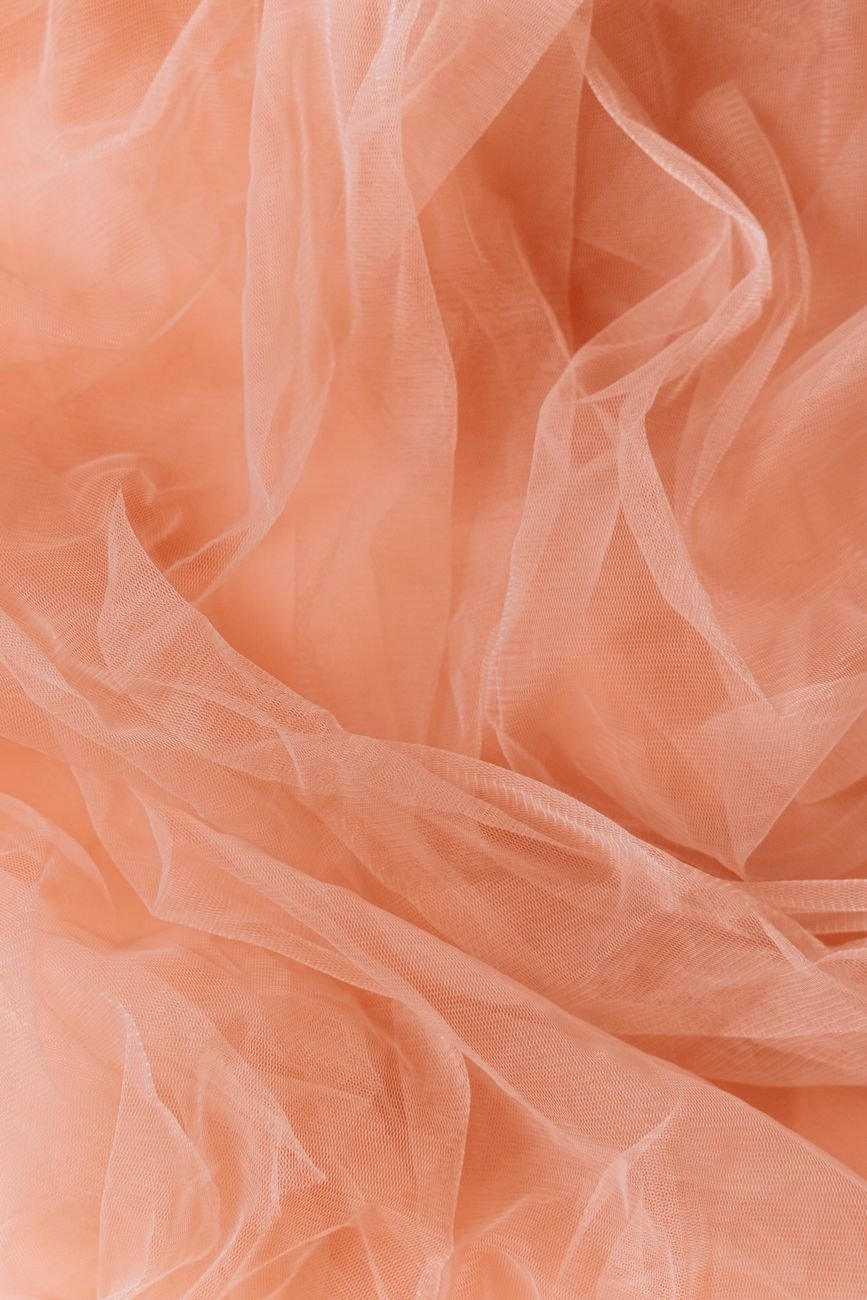
There are a handful of see-through fabrics you’ll run into again and again at a fabric shop, and each one has its own personality. Chiffon is lightweight and slightly textured with a matte finish, and it moves beautifully but can be slippery to sew. Organza is crisp and holds its shape even though it’s sheer, which makes it popular for structure under a skirt or as an overlay. Voile is soft, lightweight, and has a bit more body than chiffon without much of the slipperiness. Georgette has a subtle crepe texture that gives it a bit more grip and body than chiffon. Tulle and mesh are net-like rather than woven, tulle being fine and soft, mesh often a bit stiffer and more structured, and both are common in veils, costumes, and craft overlays. Gauze and cheesecloth round out the category on the more casual end, both loosely woven cottons with a relaxed, textured look that suits everyday garments and home decor rather than formalwear, and both tend to be far more forgiving to sew than a slippery synthetic sheer.
Crisp or Drapey? How Sheer Fabrics Differ
Not all see-through fabric behaves the same way once it’s off the bolt, and the biggest difference you’ll notice is whether it’s crisp or drapey. Organza and some mesh fabrics hold their shape and even stand away from the body a little, which is why they’re often used for structure, like a full skirt or a stiff overlay. Chiffon and georgette, on the other hand, are soft and fluid, they’ll cling and flow rather than hold a shape, which is what makes them popular for flowing garments and soft drapery. Voile falls somewhere in the middle, sheer but with enough body to behave predictably. Knowing where a fabric falls on that crisp-to-drapey spectrum before you buy saves you from ending up with a stiff organza when you wanted something that flows. A quick way to test this at the bolt is to pull a corner of the fabric taut and let it fall, a crisp sheer will hold a soft peak or angle for a moment, while a drapey one collapses almost immediately into a fluid curve.
Common Uses for See-Through Fabric in Garments and Home Decor
See-through fabric shows up most often in bridal and eveningwear, veils, overlays, sleeves, and flowing skirts all lean on one sheer or another depending on the look. Costuming and dance wear use a lot of tulle and mesh for their structure and movement. In the home, sheers show up as curtain panels and window treatments, where letting some light through while still offering a bit of privacy is the whole point. Layering is another common use, a sheer overlay over a solid lining lets you get color or texture from the lining while keeping the soft, floaty look of the sheer fabric on top. Even accessories borrow from this category, sheer scarves, sashes, and gift wrapping all lean on the same lightweight, translucent qualities that make these fabrics so versatile in the first place. Photography backdrops and event decor are another growing use, a length of tulle or voile draped behind a setup adds softness to a photo without the cost of a full fabric backdrop. Many home sewists also reach for a sheer overlay on special-occasion table linens, where a bit of shimmer and translucence over a solid tablecloth adds polish without much extra effort.
Sheer Fabric in Quilting and Craft Projects
This is where a lot of general sewing articles stop, but sheer fabric actually has a real place in quilting and craft work too. Many quilters use sheer overlays on art quilts to soften a printed or pieced background, layering a bit of tulle or organza over fabric to add texture or a hazy, dreamlike effect. Sheers also work well as an embellishment layer, adding a bit of tulle over an appliqued shape or using mesh to trap small embellishments like beads or thread scraps between layers. Because sheer fabric shows whatever is underneath it, it’s a fun way to add depth and dimension to a piece without covering up the work you’ve already done. If you haven’t tried working sheers into a mixed-media quilt, it’s worth experimenting with a small scrap first to see how it changes the look. Sheer fabric also shows up in memory quilts and keepsake projects, where a piece of tulle or organza over a printed photo panel or a delicate embroidered patch protects the piece while still letting it show through clearly, which is a technique a lot of quilters haven’t considered until they see it done.
Taming Slippery See-Through Fabric: Cutting and Stabilizing Tips
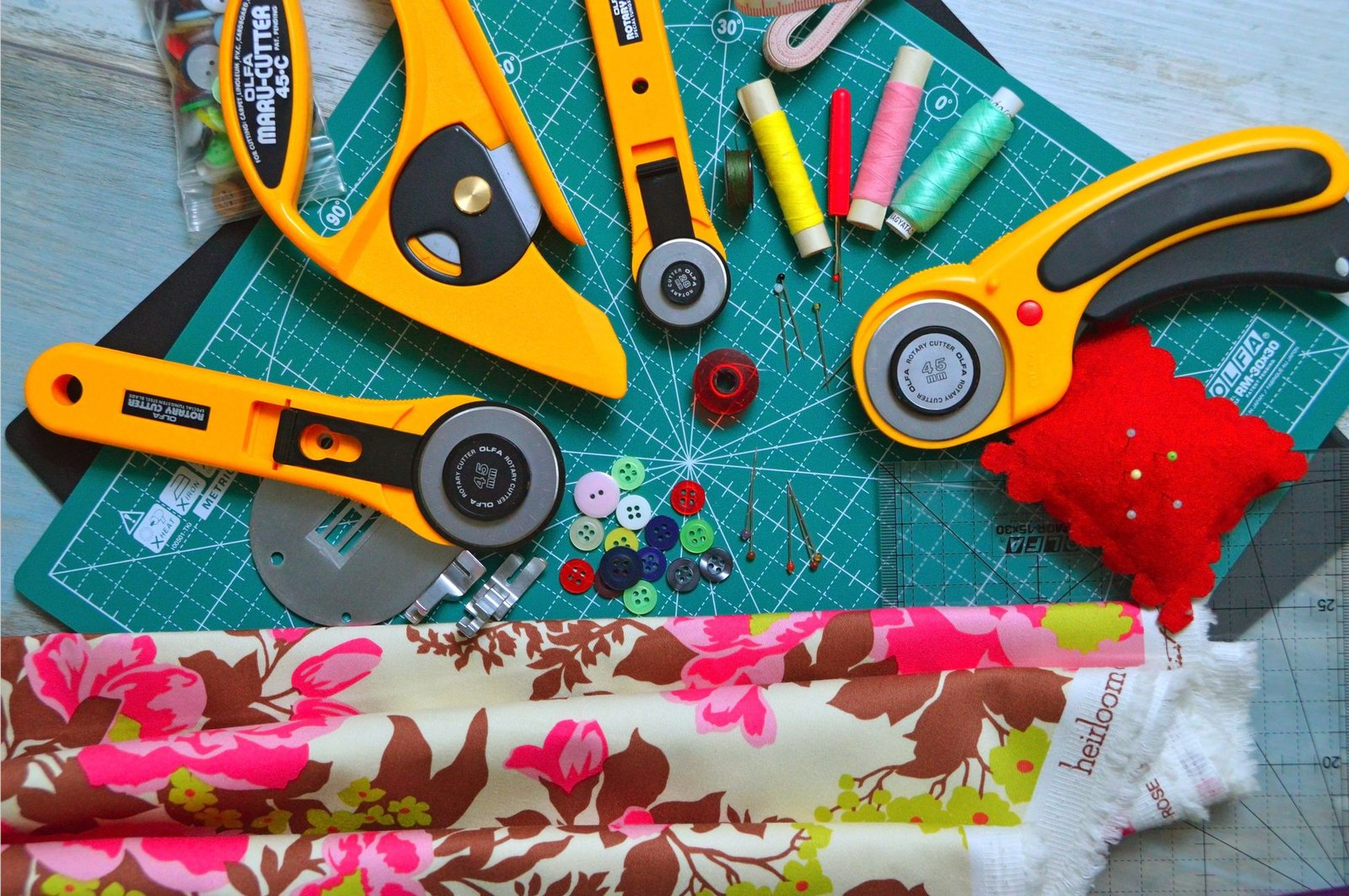
Slippery sheer fabric sliding around on a cutting mat is one of the most common frustrations we hear about, and there are a few tricks that genuinely help. Pattern weights instead of pins keep the fabric from shifting while you cut, since pins can drag delicate sheers out of position. Sandwiching your sheer fabric between two layers of tissue paper before cutting or sewing gives it enough stability to behave like a much sturdier fabric, and you simply tear the tissue away afterward. A rotary cutter with a sharp, fresh blade cuts more cleanly than scissors on slippery fabric, and a non-slip cutting mat surface can help keep everything from sliding around while you work. Many sewists find that once they’ve tried the tissue paper trick once, sheer fabric stops feeling nearly as intimidating. Spray starch or a light fabric stabilizer spray is another option worth trying on a scrap first, since a bit of temporary stiffening can make a slippery sheer behave almost like a crisp cotton for the duration of your cutting and piecing, and it washes back out afterward without leaving a permanent change to the fabric’s hand.
If you’d like to see and feel the difference between chiffon, organza, and voile for yourself, stop by Bee’s Quilt Shop and Studio at 1975 Old Moultrie Road in St. Augustine, FL, or browse our fabric collection online to see what sheers we currently have in stock. Our team has 75 years of combined sewing and quilting experience and we’re always happy to help you pick the right sheer for a bridal project, an art quilt overlay, or anything in between.
Frequently Asked Questions
Is sheer fabric hard to sew for a beginner?
It can take a little more patience than quilting cotton, mostly because sheers move and slip more than a sturdy woven fabric. Many sewists find that starting with voile or a slightly heavier chiffon, along with using pattern weights and a sharp new needle, makes the learning curve much more manageable.
Will pins leave holes in sheer fabric?
Yes, pins can leave visible holes or snags in delicate sheers, especially tightly woven ones like organza. Many sewists switch to fine silk pins placed only in the seam allowance, or skip pins altogether in favor of pattern weights and clips, which avoids the problem entirely.
How do you keep a hem from looking bulky on sheer fabric?
A narrow rolled hem, either sewn on a machine with a rolled hem foot or finished by hand, keeps the hem thin and nearly invisible on sheer fabric. Standard double-fold hems tend to look heavy and stiff on lightweight sheers, so most sewists reach for a narrower hem finish specifically for this fabric type.
Does sheer fabric need to be lined?
It depends entirely on the project and the look you’re going for. Garments meant to be worn against skin, like a blouse or dress, usually need a lining or slip underneath for coverage, while a sheer overlay used purely for texture, like on an art quilt, generally doesn’t need any lining at all.
How do you keep see-through fabric from fraying?
A narrow zigzag or a French seam finishes raw edges cleanly on most sheer fabrics without adding bulk. In our experience, staff at Bee’s Quilt Shop and Studio often recommend testing your seam finish on a scrap first, since different sheers fray at very different rates depending on their weave.
This article is intended for general educational and informational purposes only, based on common sewing practices and the hands-on experience of our staff at Bee’s Quilt Shop and Studio. Fabric behavior can vary between manufacturers and finishes, so we recommend testing your cutting and sewing technique on a scrap before starting a full project.