Quick answer: To choose the right weight and weave when buying cotton fabric by the yard, start with your project rather than the fabric itself: light to mid-weight plain weave cotton suits quilting and blouses, mid-weight twill or sateen suits structured garments, and heavyweight canvas or duck cloth suits bags and home decor that need to hold their shape. Weight is usually measured in ounces per square yard or grams per square meter (GSM), with higher numbers meaning a denser, sturdier fabric. Weave is the pattern the threads form, plain, twill, sateen, canvas, or voile, and it affects drape and durability just as much as weight does. In person, holding fabric up to the light and doing a quick scrunch test in your hand are the fastest ways to judge quality right at the bolt.
If you’ve ever stood at a fabric shop cutting table trying to decide between what looks like ten nearly identical white cottons, you already know that buying cotton fabric by the yard isn’t as simple as it sounds. Weight and weave are the two things that actually determine how a fabric behaves, whether it’ll hold its shape in a quilt block, drape softly for a blouse, or hold up as a sturdy tote bag bottom, and most descriptions online don’t explain either one in a way that’s actually useful at the moment you’re choosing. Here at Bee’s Quilt Shop and Studio, we walk customers through this decision at the counter almost every day. Let’s break down what weight and weave actually mean, how they work together, and how to pick the right cotton fabric by the yard for whatever you’re making next.
What Does “Weight” Mean in Cotton Fabric?
Weight is simply how heavy the fabric is for its size, and it’s usually listed in ounces per square yard or in grams per square meter, often shortened to GSM. A lightweight quilting cotton typically falls somewhere around 4 to 5 ounces, or roughly 130 to 150 GSM, while a mid-weight cotton used for garments might run closer to 5 to 7 ounces, and a heavyweight canvas or duck cloth can climb well past 8 ounces. Higher numbers mean a denser, sturdier fabric, lower numbers mean something thinner and more likely to drape or show light through it. In our experience, most first-time buyers have never actually looked at a weight number before, they’ve just gone by how a fabric feels, which honestly works just as well once you know what you’re feeling for. It’s worth noting that weight labels aren’t always perfectly standardized between manufacturers either, so two fabrics both listed as 5 ounces can still feel slightly different depending on the fiber quality and finishing process, which is one more reason handling the fabric in person tells you more than a spec sheet alone.
What Does “Weave” Mean, and What Are the Common Types?
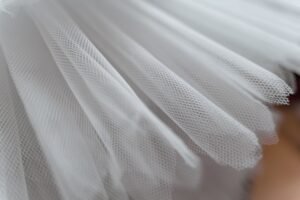
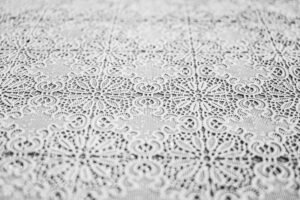
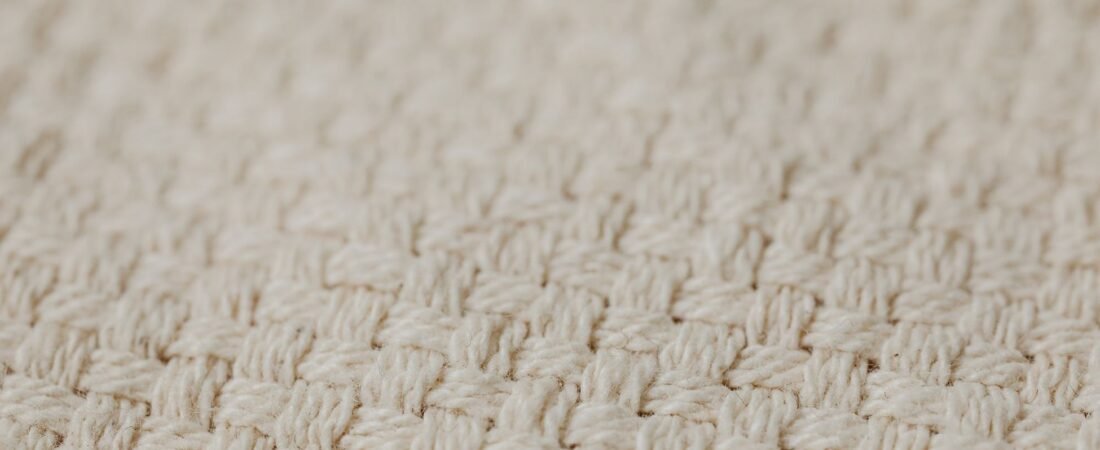
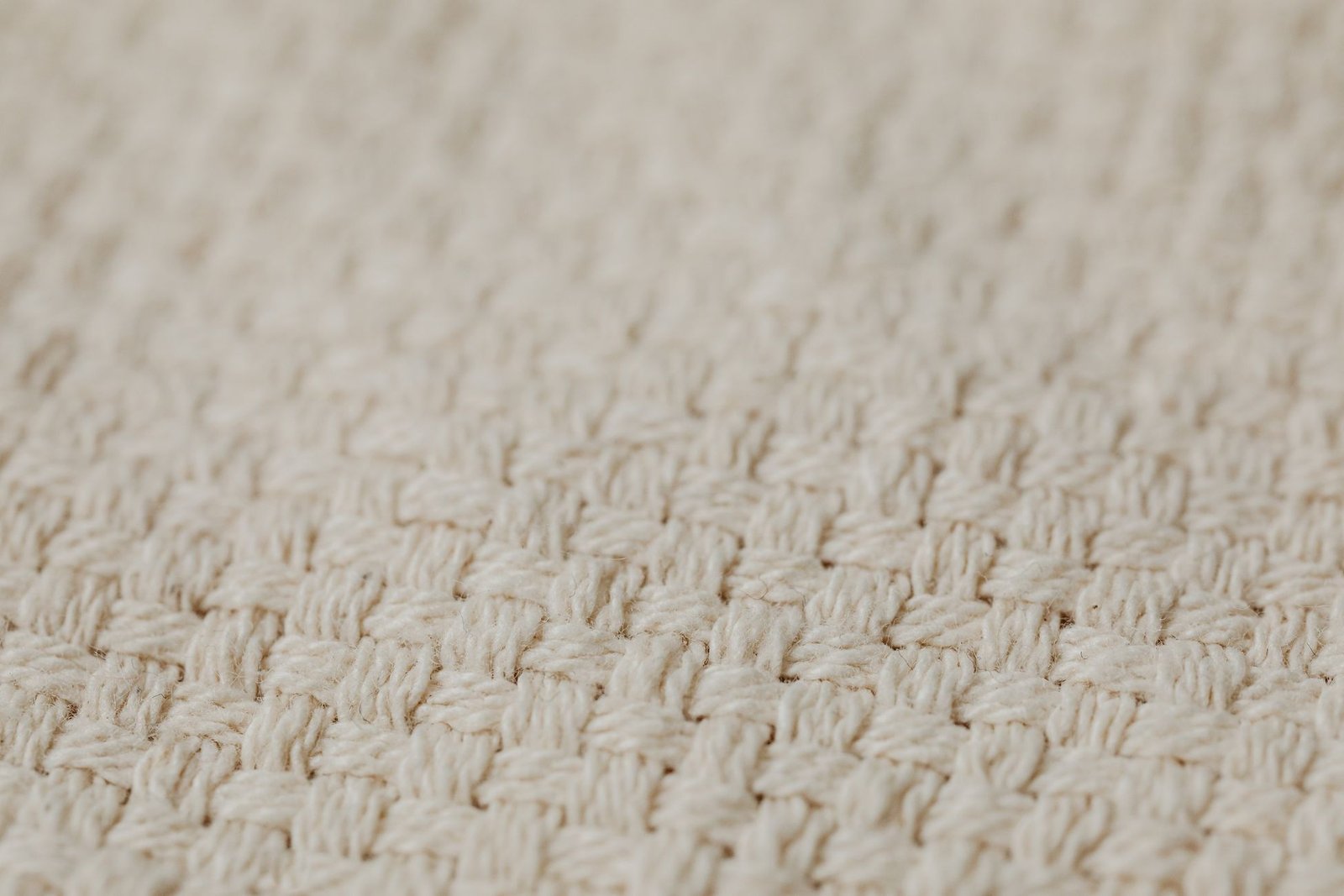
Weave refers to the actual pattern the threads make as they cross over each other, and it changes how a fabric looks, feels, and performs even at the same weight. Plain weave is the simplest and most common, a basic over-under pattern that you’ll see on most quilting cotton, and it tends to be stable and easy to sew. Twill weave creates a diagonal ridge, think denim or chino, and it’s known for being durable and resistant to wrinkling. Sateen has a smooth, slightly lustrous face because more threads float over the surface before crossing under, giving it a soft hand and a subtle sheen that plain weave doesn’t have. Canvas and duck cloth are heavier, tightly woven fabrics built for structure and durability, and voile is a lightweight, airy plain weave with a much looser thread count, prized for its softness and drape. Knowing which weave you’re holding tells you almost as much as the weight number does. There are other weaves worth knowing too, like poplin, which is a tight plain weave with a slight rib that gives it a bit more crispness than standard quilting cotton, and jacquard, a more complex woven-in pattern technique that creates texture directly in the weave rather than through printing on the surface afterward.
How Weight and Weave Work Together
Weight and weave aren’t separate decisions, they work together to determine how a fabric actually behaves once it’s off the bolt. Two fabrics can share the same weight and feel completely different depending on their weave, a 5 ounce plain weave cotton will drape differently than a 5 ounce twill at the same weight, because the weave structure itself adds body or softness independent of thickness. Durability follows a similar pattern, a tightly woven plain weave can actually outlast a looser twill of a similar weight, since a tighter weave resists pulling and fraying better. When you’re comparing cotton fabric by the yard side by side, it helps to stop thinking about weight and weave as two separate specs and start thinking about them as a single combined texture, because that combination is really what you’re shopping for. Hand, the term sewists use for how a fabric feels overall, is really just weight and weave working together, and once you start paying attention to hand as its own quality, picking the right fabric for a project becomes a lot more intuitive than reading a label alone.
Matching Weight and Weave to Your Project
When you’re picking out cotton fabric by the yard for a specific project, the fastest way to narrow things down is to start with what you’re making rather than the fabric itself. Quilt tops generally call for a light to mid-weight plain weave quilting cotton, since it presses crisply, holds a seam well, and doesn’t add bulk when you’re piecing dozens of small units together. Garment sewing depends heavily on the piece, a flowy blouse wants a lightweight voile or lawn, while structured pants or a jacket want a sturdier twill or mid-weight cotton with some body. Home decor projects like curtains, pillow covers, or slipcovers usually benefit from a mid to heavyweight cotton that can hold up to handling and sunlight without going limp. Bags and totes are where you want to go heaviest, canvas or duck cloth gives a bag bottom or strap the structure it needs to actually hold weight without sagging. Kids’ clothing and lightweight loungewear sit somewhere in between, a soft mid-weight plain weave cotton offers enough durability to survive frequent washing without feeling stiff or scratchy against the skin, which matters more for those projects than it does for something like a wall-hanging quilt.
How to Judge Cotton Fabric by the Yard at the Bolt
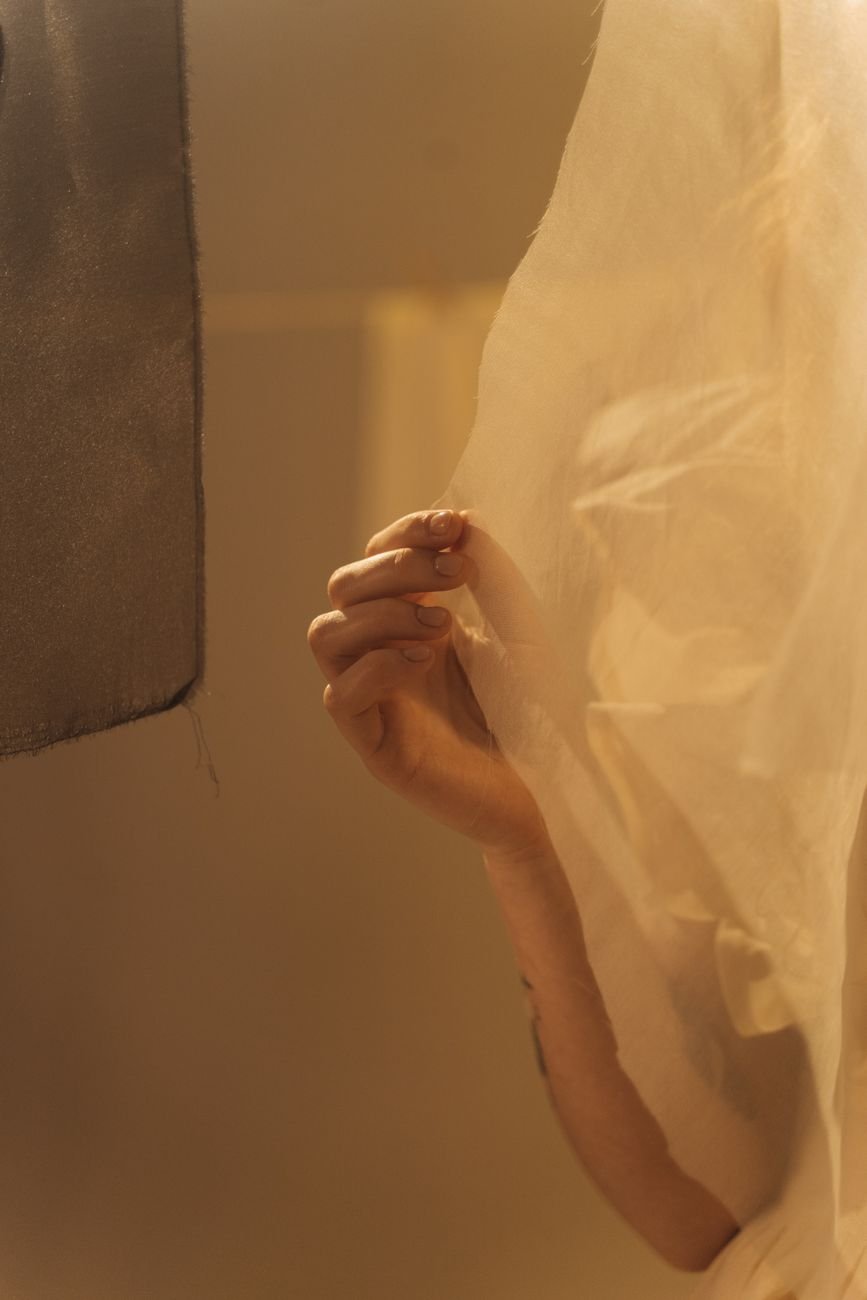
This is the part that’s genuinely hard to get from an online listing, no matter how detailed the spec sheet is. When you’re standing in front of a bolt, hold a section up to the light, a tighter, higher quality weave will let through less light evenly, while a loose or lower grade weave often shows uneven gaps or thin spots. The scrunch test is another one our staff shows customers constantly, gather a handful of the fabric in your fist and let go, a good quality cotton will spring back with fairly minimal wrinkling, while a lower grade fabric tends to hold a crumpled look longer. Run your fingers across the surface too, you’re feeling for a smooth, even hand with no rough or thin patches, and a little bit of natural give without feeling flimsy. Many quilters find that once they’ve done this a few times in person, they can tell a well-made cotton from a mediocre one almost instantly, and that’s honestly a skill you can only really build at a physical counter. Checking the selvage edge is another small trick worth knowing, a clean, well-printed selvage often signals a fabric line from a reputable manufacturer, while a blurry or off-center print can sometimes point to a lower-tier production run, though it’s far from a perfect indicator on its own.
Pre-Washing and Estimating Your Yardage
Before you cut into a big piece of yardage, it’s worth thinking about pre-washing, especially if your project will ever see a washing machine itself. Most quilting cotton shrinks somewhere around 2 to 5 percent on its first wash, which doesn’t sound like much until you’re piecing a large quilt top and that shrinkage throws off your seams or causes puckering later. Many sewists pre-wash a small test swatch first, measure it before and after, and use that percentage to adjust how much yardage they buy. For yardage estimation in general, it’s almost always better to buy a bit more than the bare minimum a pattern calls for, fabric bolts can vary slightly in usable width, and having extra on hand saves you from an awkward return trip if you’re short a few inches at the end. It’s also worth measuring your fabric’s actual usable width once it’s home, since selvage edges sometimes get trimmed away and printed cottons can occasionally run a touch narrower than the bolt label states, and knowing your real working width before you start cutting prevents a layout that looked fine on paper from coming up short in practice.
If you’d rather feel the difference between a crisp quilting cotton and a soft voile for yourself, stop by Bee’s Quilt Shop and Studio at 1975 Old Moultrie Road in St. Augustine, FL, or browse our cotton fabric collection online to see what’s currently in stock. Our staff has a combined 75 years of sewing and quilting experience and we’re always happy to walk you through our wall of bolts, hold a few up to the light with you, and help you find the right weight and weave for whatever you’re planning to make.
Frequently Asked Questions
Is quilting cotton the same thing as regular cotton fabric?
Not exactly. Quilting cotton is a specific category, usually a light to mid-weight plain weave cotton with a tight thread count meant for piecing and pressing, while regular cotton fabric is a much broader term that includes everything from voile to canvas. Most fabrics labeled quilting cotton will work fine for other light sewing projects too, but not every cotton fabric is suited for quilting.
How much cotton fabric should I buy for my project?
It depends on the project and the pattern, but a good general rule is to buy a bit more than the pattern’s minimum yardage, especially for anything with a directional print or a large repeat. Many sewists find that adding an extra quarter to half yard beyond the stated requirement saves a lot of stress if your cutting layout doesn’t come out perfectly efficient.
Is heavier cotton always better quality?
No, heavier doesn’t automatically mean better, it just means denser and sturdier, which isn’t always what a project needs. A lightweight voile isn’t lower quality than a heavyweight canvas, they’re just built for completely different jobs, so the right weight is the one that matches your project rather than the heaviest option available.
How can I tell fabric quality if I’m shopping online instead of in person?
It’s genuinely harder online, since you can’t do the light test or the scrunch test through a screen. Looking closely at close-up photos for an even, consistent weave and reading the listed thread count or GSM can help, but in our experience, nothing replaces actually handling the fabric in person, which is part of why so many customers prefer coming into a shop like Bee’s Quilt Shop and Studio for anything they’re picky about.
Does cotton fabric shrink after washing?
Yes, most cotton fabric shrinks somewhere in the range of 2 to 5 percent on its first wash, sometimes more depending on the weave and finishing process. That’s why pre-washing or at least testing a swatch before cutting into your yardage is worth the extra few minutes, especially for a project you plan to wash regularly later.
This article is intended for general educational and informational purposes only, based on common sewing and quilting practices and the hands-on experience of our staff at Bee’s Quilt Shop and Studio. Fabric weight, weave, and shrinkage can vary between manufacturers and dye lots, so we recommend testing a swatch before cutting into a full piece of yardage for any specific project.