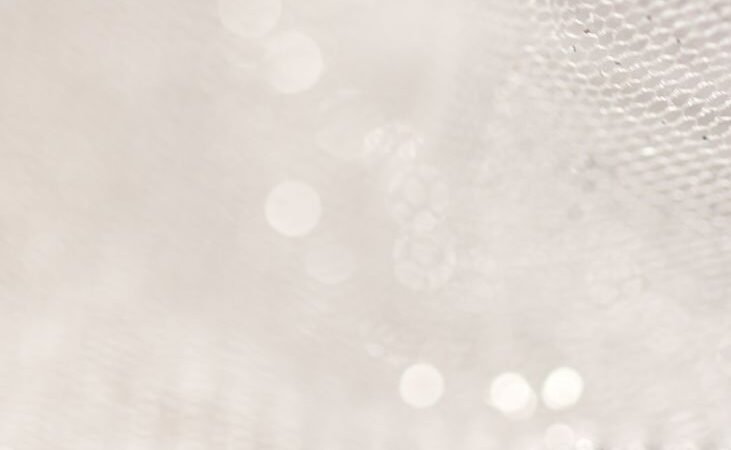
Quick answer: Glitter fabric is a base material, usually tulle, mesh, or a lightweight knit, coated with fine glitter particles bonded on with heat-set adhesive or resin, giving it sparkle on one side while the other stays plain. Common types include glitter tulle, glitter mesh, glitter chiffon, and sequin fabric, which uses actual stitched sequins instead of a bonded coating. It’s used for eveningwear, costumes, dance wear, and holiday decor, but sewing it neatly means using a sharp needle, polyester thread, and a bit of extra machine cleaning afterward. In our experience, working with small amounts for applique or craft accents is the easiest way to enjoy glitter fabric without a full-blown sparkle explosion.
Glitter fabric has a way of turning heads, whether it’s a dance recital costume or a holiday table runner, but it’s also one of those fabrics that scares people off before they’ve even tried it. Between worrying about glitter shedding everywhere and wondering if it’ll wreck a sewing machine, a lot of would-be projects never make it past the fabric shop. Glitter fabric isn’t nearly as high maintenance as its reputation suggests once you know a few basics about how it’s made and how to sew it. Here at Bee’s Quilt Shop and Studio, we carry a range of sparkle fabrics and walk customers through exactly what to expect. Let’s cover what glitter fabric actually is, the types you’re likely to run into, and how to sew it without turning your whole sewing room into a craft store explosion.
What Is Glitter Fabric and How Is the Glitter Applied?
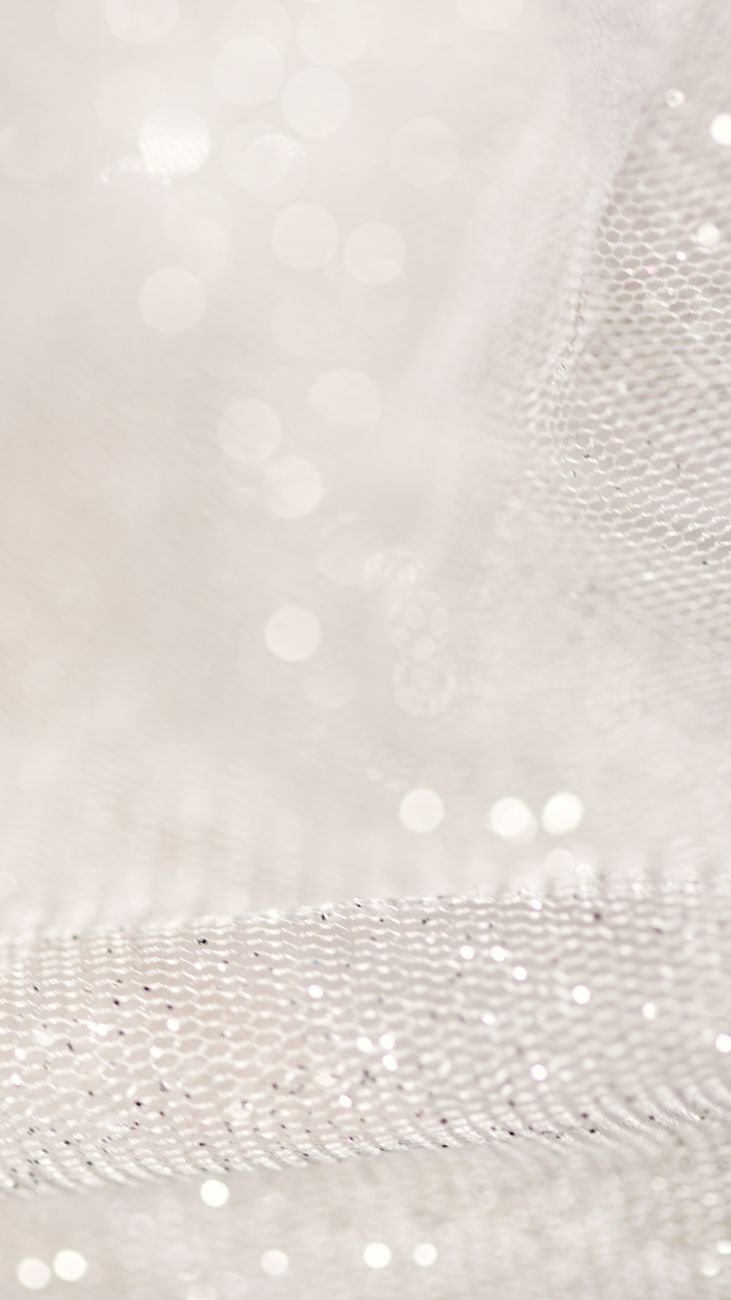
Glitter fabric starts as a base material, usually a tulle, mesh, or lightweight knit, that gets a layer of fine glitter particles bonded to its surface with a heat-set adhesive or resin coating. The base fabric provides the structure and stretch, while the glitter layer sits on top, which is why you’ll sometimes hear people describe it as having a right side and a wrong side, only one side actually sparkles. The quality of the bond matters a lot, cheaper glitter fabric tends to shed more over time and with handling, while a well-made glitter fabric holds onto its sparkle through normal wear and even gentle washing. Since the glitter itself doesn’t stretch the way the base fabric does, movement and repeated flexing are usually what causes shedding, more than the glitter simply falling off on its own. Some manufacturers also apply a thin sealant layer over the glitter to help lock it in place, which is worth asking about if a project needs to hold up to a lot of wear, like a dance costume that gets worn and washed repeatedly over a season. Glitter size and density vary quite a bit between fabrics too, some are covered in a fine, almost powdery glitter for a subtle shimmer, while others use larger, chunkier glitter flakes for a bolder, more sparkly effect, and that choice affects both the look and how the fabric handles under a needle.
Common Types of Glitter Fabric
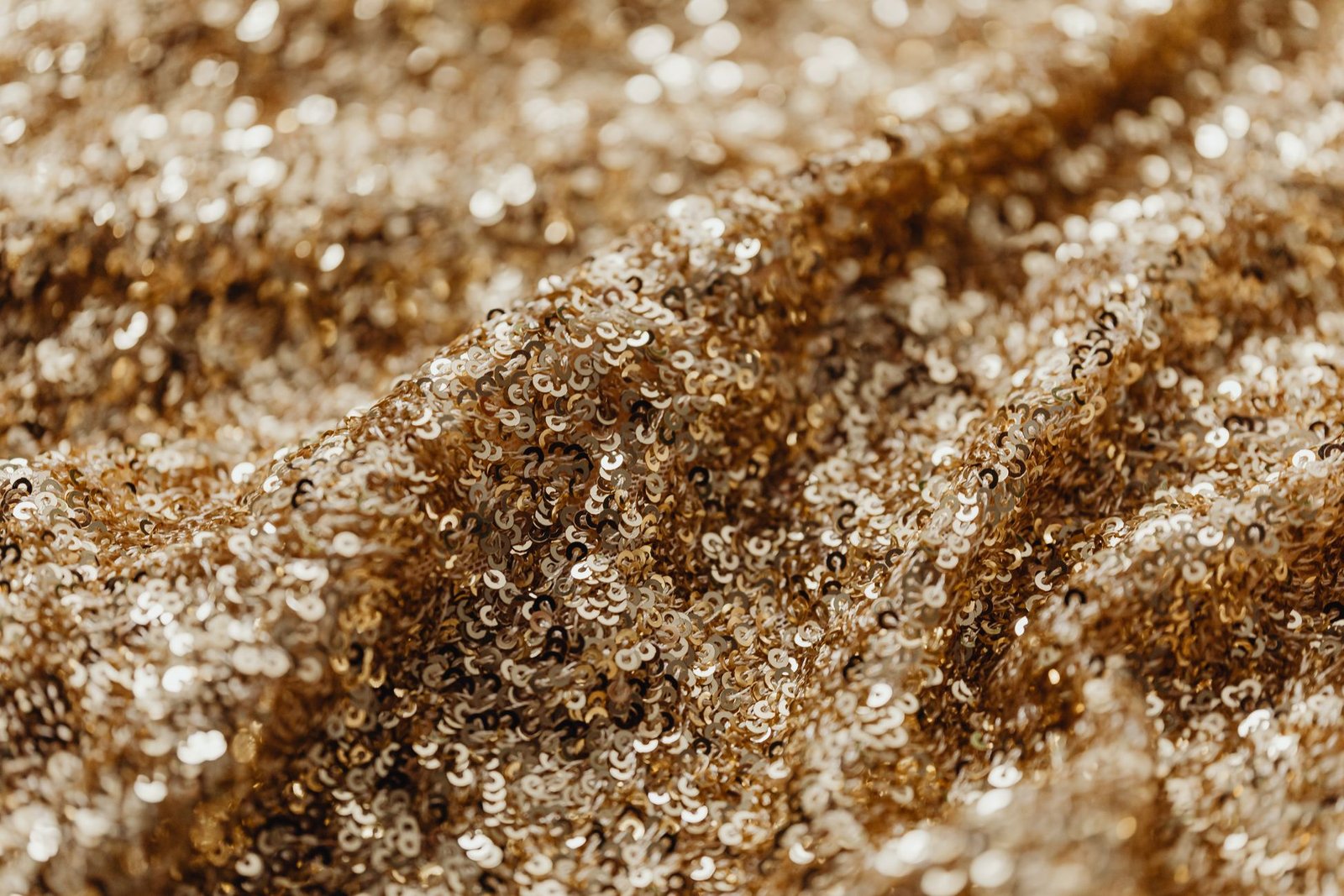
Glitter tulle is probably the most common type you’ll come across, a soft, sparkly net fabric popular for tutus, overlays, and costume accents. Glitter mesh has a bit more structure than tulle and holds its shape a little better, making it useful for stiffer costume pieces. Glitter chiffon combines the flowy movement of chiffon with a scattered or all-over glitter finish, giving you sparkle with drape rather than stiffness. Sequin fabric is a related but distinct category, instead of a bonded glitter coating, it has actual small sequins stitched or glued onto a mesh backing, giving a heavier, more dimensional sparkle than glitter fabric alone. There’s also glitter vinyl and glitter knit, which are a bit less common at a typical fabric shop but show up occasionally, glitter vinyl being a stiff, non-fraying option popular for small craft projects like bows and appliques, and glitter knit offering more stretch than tulle or mesh for form-fitting pieces.
Common Uses for Glitter Fabric
Eveningwear and costuming are where glitter fabric really shines, quite literally, showing up in dance recital costumes, cheer uniforms, and dressy overlays for special occasions. Holiday decor is another big one, glitter fabric shows up in table runners, stocking cuffs, tree skirts, and ornament covers around the winter holidays. Many crafters also use small amounts of glitter fabric as accents rather than full garments, adding a strip along a hem or a small applique shape rather than committing to an entire glitter-covered piece, which tends to be more wearable and much easier to sew. Bridal and formal wear borrow glitter fabric too, a subtle glitter tulle underlay beneath a solid gown fabric adds a soft shimmer without being the main event, and it’s a popular way to dress up a simple design for a special occasion without redesigning the whole garment.
Needle and Thread Choices for Sewing Glitter Fabric
A universal or ballpoint needle in a size 80/12 or 90/14 works for most glitter fabrics, especially glitter tulle and mesh, since the base fabric underneath the glitter coating is usually a soft knit. A sharp needle helps avoid dragging glitter particles into the stitch line, and many sewists switch to a fresh needle partway through a project since glitter dust can dull a needle faster than it dulls on plain fabric. Polyester thread generally holds up better than cotton thread on glitter fabric, since it has a bit more strength and resists fraying from the abrasive glitter coating. Keeping your stitch length slightly longer than usual also helps reduce how much the needle has to punch through the glitter layer with each stitch. It’s also worth sewing with the right side, the glittery side, facing up whenever possible so you can see exactly where your seam is landing, since glitter fabric can be harder to read at a glance than a plain, solid-colored material once it’s under the machine. If you’re combining glitter fabric with a plain lining, as many costume patterns call for, basting the two layers together by hand first keeps them from shifting apart once they’re under the presser foot, since the glitter coating adds a bit of extra grip and drag that a plain lining fabric doesn’t have on its own.
Protecting Your Machine When You Sew Glitter Fabric
This is the part most articles skip, but it matters if you plan to sew glitter fabric more than once. Glitter dust can work its way into the bobbin case and feed dog area over time, where it mixes with the machine’s lubricating oil and turns into a gritty paste that isn’t great for the internal mechanism. After finishing a glitter fabric project, many sewists take a few minutes to brush out the bobbin area with a small, soft brush and wipe down the machine bed before moving on to the next project. Covering your machine’s throat plate area with a strip of painter’s tape during the project, then removing it afterward, is another simple trick that catches a surprising amount of loose glitter before it ever reaches the machine’s inner workings. A quick cleaning routine like this after every glitter project goes a long way toward keeping your machine running smoothly for years. It’s also smart to sew glitter fabric projects in a separate session from your regular quilting work when possible, so any stray glitter dust doesn’t end up migrating onto your next cotton project by accident. A quick pass with a lint roller over your work surface and clothing afterward helps too, since loose glitter has a way of traveling much farther than you’d expect, and it’s much easier to catch right after a project than to find weeks later on an unrelated piece of fabric.
Using Glitter Fabric in Small Doses: Applique and Craft Accents
You don’t have to commit to an entire garment covered in glitter fabric to enjoy what it brings to a project. Many quilters use small glitter fabric shapes as applique accents, a scattering of stars on a holiday quilt or a sparkly moon on a nursery piece adds just enough sparkle without overwhelming the rest of the design. Small craft projects like ornaments, gift bags, and applique patches are also a great low-commitment way to work with glitter fabric, since you’re only handling a small piece at a time and any shedding stays fairly contained. This approach also makes glitter fabric a lot more approachable for a beginner, since a small applique shape is a much easier first project than a full costume. Fusible web is a handy tool here too, bonding a small glitter fabric shape to a fusible backing before cutting it out keeps the edges from shifting and makes precise applique placement much easier than working with the loose fabric alone.
If you’re ready to add a little sparkle to your next project, stop by Bee’s Quilt Shop and Studio at 1975 Old Moultrie Road in St. Augustine, FL, or browse our fabric collection online to see what glitter and specialty fabrics we currently have in stock. Our team has 75 years of combined sewing and quilting experience and we’re always happy to help you pick the right sparkle fabric and talk through needle and machine care before you start cutting.
Frequently Asked Questions
Will glitter fabric ruin a regular sewing machine?
No, a regular home sewing machine can handle glitter fabric just fine, it just benefits from a bit of extra cleaning afterward. Brushing out the bobbin area and wiping down the machine bed after a glitter project keeps glitter dust from building up over time.
Does the glitter fall off glitter fabric over time?
Some shedding is normal, especially with cheaper glitter fabric or with a lot of flexing and washing. Many sewists find that a well-made glitter fabric with a strong bonded coating holds up quite well through normal wear, and choosing a higher quality fabric from the start makes a noticeable difference.
How do you wash glitter fabric?
Hand washing in cool water, or a gentle machine cycle inside a mesh laundry bag, is generally the safest way to wash glitter fabric. Avoid high heat when drying, since heat can weaken the adhesive bond holding the glitter coating in place and speed up shedding.
Is glitter fabric safe to use in kids’ costumes?
Most glitter fabric sold for sewing is fine for costumes, but it’s worth checking that the glitter coating is securely bonded rather than loose or flaking, especially for younger kids who might put fabric near their mouths. In our experience, staff at Bee’s Quilt Shop and Studio can point you toward glitter fabrics that hold up well for costume use if you mention what the project is for.
Can a beginner sew glitter fabric successfully?
Yes, especially if you start small, a glitter applique accent or a simple holiday craft project is a much more forgiving place to start than a full garment. With the right needle, a fresh blade or scissors, and a bit of patience, many first-time glitter fabric sewists find the results are worth the slightly extra care.
This article is intended for general educational and informational purposes only, based on common sewing practices and the hands-on experience of our staff at Bee’s Quilt Shop and Studio. Fabric quality and glitter bonding methods vary between manufacturers, so we recommend testing a scrap piece and reviewing your machine’s manual before starting a full project.