Quick answer: Ripstop fabric resists tearing thanks to thicker reinforcement threads woven into the fabric at regular intervals, forming a visible grid that stops a small tear from spreading further once it starts. It’s most often made from nylon or polyester, both lightweight and water-resistant, though cotton ripstop exists too and trades some durability for breathability and a softer hand. Use it when a project needs to be tough and lightweight at the same time, tents, bags, pet gear, and packable outdoor accessories all lean on that combination. In our experience, ripstop sews on a regular home machine without much trouble as long as you use a sharp fine needle and finish your seams cleanly.
Ripstop fabric has a reputation as tough, technical, outdoor gear material, tents, backpacks, kites, that kind of thing, and it’s easy to assume it’s out of reach for a home sewing project. But ripstop fabric shows up in plenty of approachable projects too, reusable bags, pet gear, camping accessories, even kids’ outdoor toys, and it sews on a regular home machine more easily than its rugged reputation suggests. Here at Bee’s Quilt Shop and Studio, ripstop is one of those fabrics customers often ask about after seeing a specific project online, usually wanting to know if they can really make it themselves. The short answer is yes. Let’s cover what makes ripstop fabric tear-resistant in the first place, the different fiber types you’ll run into, and how to actually sew it at home without treating it like some exotic technical material.
What Is Ripstop Fabric and How Does the Grid Work?
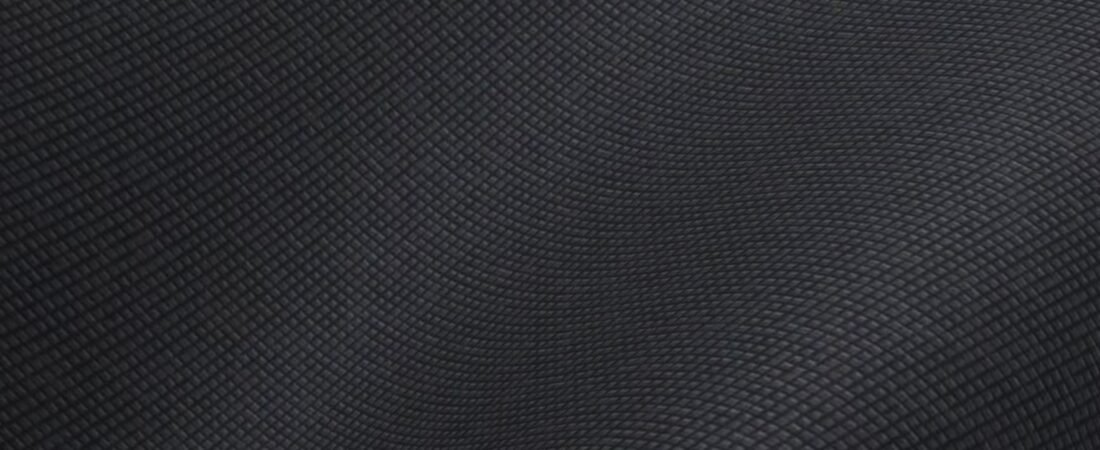
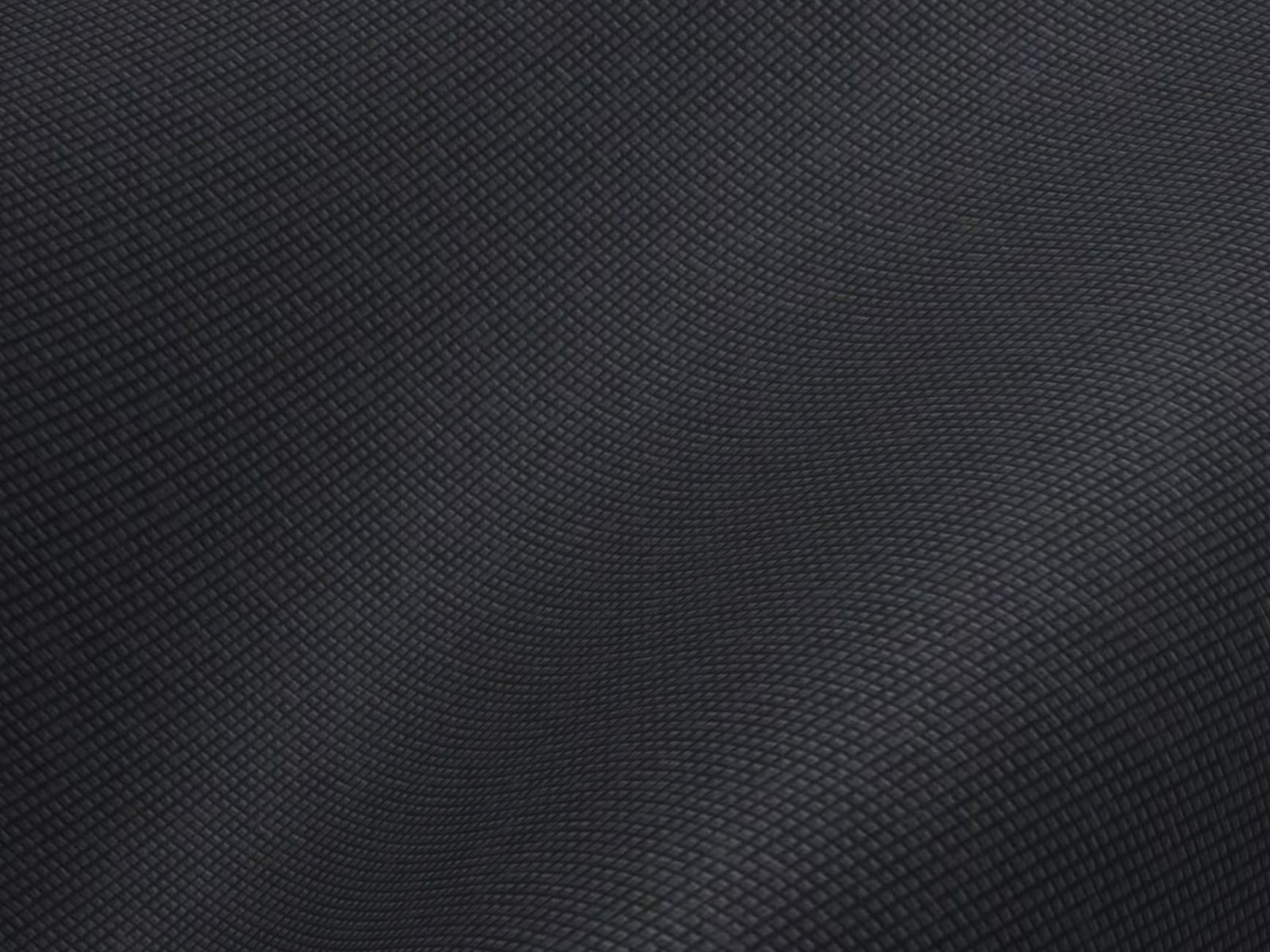
Ripstop fabric gets its name from exactly what it does, it resists ripping and tearing thanks to a reinforcement technique woven directly into the fabric. During weaving, thicker reinforcement threads are woven into the base fabric at regular intervals, creating a visible grid pattern, usually a quarter inch to half inch or so between each reinforcement line, though the exact spacing varies between fabrics. When a small tear or puncture does happen, that grid of thicker threads stops the tear from spreading, containing the damage to a small area instead of letting it run the entire length of the fabric the way a plain weave might. This is the same basic principle that gives ripstop fabric its name, it literally stops rips from continuing once they start, which is exactly why it became the go-to choice for gear that needs to survive rough handling in the field. The technique dates back to military and early outdoor gear development, where the priority was cutting weight without sacrificing durability, and that same logic still drives why ripstop remains the default choice for anything that needs to be tough but also pack down small. You can usually feel the grid with your fingertips even when it’s hard to see, running a hand across a piece of ripstop reveals faint raised lines where the reinforcement threads sit, which is a quick way to confirm you’re actually holding ripstop rather than a plain lightweight synthetic.
Common Fiber Types Used in Ripstop Fabric
Nylon ripstop is probably the most common type you’ll encounter, valued for being lightweight, strong, and naturally resistant to water and abrasion, which is why it dominates the outdoor gear and tent market. Polyester ripstop is similar in many ways but tends to hold up a bit better to prolonged UV exposure without degrading as quickly, which matters for gear that spends a lot of time outdoors in direct sun. Cotton ripstop is less common but does exist, offering more breathability and a softer hand than the synthetic versions, though it trades away some of the water resistance and lightweight strength that make nylon and polyester so popular for technical gear. Each fiber type takes the reinforcement grid a little differently too, synthetic ripstop tends to show the grid lines more crisply, while cotton ripstop’s grid can be a bit softer and less visually distinct. Some ripstop also blends fiber types, a nylon-cotton blend can offer a bit more breathability than pure nylon while keeping most of the strength and light weight, which is worth asking about if you want a middle ground between the two extremes.
How Ripstop Compares in Feel and Weight to Other Fabrics
Compared to quilting cotton, ripstop feels noticeably slicker and more synthetic in hand, at least in its nylon and polyester forms, with a crisp, almost papery rustle when you move it. It’s also considerably lighter than most people expect for a fabric marketed as tough and durable, a hallmark of good ripstop is that it manages to be both lightweight and tear-resistant at the same time, rather than achieving durability through sheer bulk the way canvas does. Compared to canvas or duck cloth, ripstop trades some of that heavier fabric’s stiffness and structure for flexibility and packability, which is exactly why it’s the fabric of choice for anything that needs to fold down small, like a stuff sack or a packable rain jacket. Cotton ripstop sits closer to a mid-weight quilting cotton in hand, just with that telltale grid pattern woven in. Sound is another small but noticeable difference, synthetic ripstop has a distinctive rustle when it moves that quilting cotton simply doesn’t have, which is worth knowing if you’re making something like a bag liner where a quieter fabric might matter.
Common Uses for Ripstop Fabric
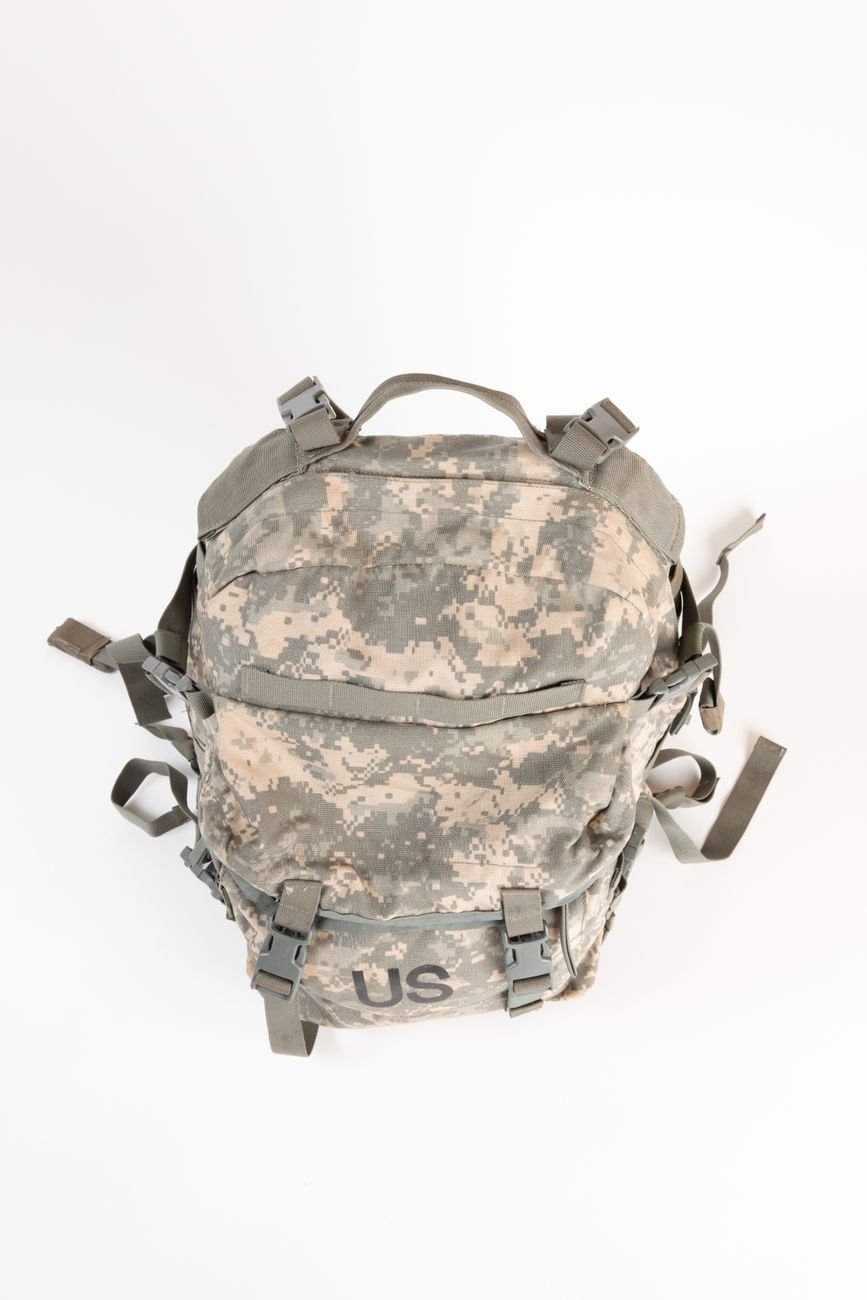
Outdoor gear is where ripstop fabric really earns its reputation, tents, backpacks, and sleeping bag shells all rely on its combination of light weight and tear resistance to survive rough handling without adding unnecessary bulk. Kites and parachutes lean on ripstop too, where the fabric needs to hold up to constant wind stress without tearing apart mid-use. Rain gear and packable jackets are another major category, often using a coated ripstop that adds water resistance on top of the fabric’s existing durability. Beyond the obvious technical gear, ripstop shows up in more everyday items too, laptop sleeves, stuff sacks, and gear organizers all benefit from a fabric that’s tough enough to handle daily wear without becoming heavy or bulky. Costume and cosplay makers use ripstop occasionally too, especially for pieces that need to hold a crisp, structured shape while staying light enough to wear comfortably for a full event.
Home Sewing Projects Suited to Ripstop
This is the part most ripstop guides skip entirely, but there’s a real world of approachable home sewing projects here beyond tents and parachutes. Reusable grocery bags and produce bags are a great starting point, ripstop’s light weight and durability make it genuinely better suited to the job than quilting cotton, which can sag and wear thin with repeated heavy use. Pet gear is another popular use, dog packs, travel bowls, and outdoor pet accessories all benefit from ripstop’s water resistance and toughness. Camping accessories like stuff sacks, gear pouches, and simple tarps are a natural fit too, giving you a taste of technical sewing without committing to a full tent build. Kids’ outdoor play items, like simple capes, kite kits, or a durable outdoor picnic blanket, round out the list of projects where ripstop’s toughness genuinely earns its keep at a much smaller scale than full outdoor gear. A simple zippered pouch or a set of packing cubes for travel is another approachable first project, giving you a feel for how the fabric handles before committing to something larger like a full backpack or tent.
Sewing Ripstop at Home
A sharp, fine needle, generally a size 70/10 or 80/12 universal or microtex needle, works well for most ripstop, since a larger needle can leave more visible holes in the tightly woven fabric. Ripstop doesn’t fray as readily as some other synthetics thanks to its tight weave, but it still benefits from a finished seam, a French seam or a simple zigzag along the raw edge both work well and keep things tidy. Pins can leave small permanent holes in ripstop, so many sewists prefer clips, especially on coated versions where a pin hole can also compromise water resistance. A walking foot can help too, especially on slicker coated ripstop, since it keeps both layers feeding evenly and prevents the top layer from creeping ahead of the bottom one as you sew. Polyester thread is generally the better match for synthetic ripstop, since it has enough strength to hold up to the fabric’s intended rugged use, and a slightly shorter stitch length than you’d use on quilting cotton helps create a stronger, more weather-resistant seam overall. Sealing seams with a bit of seam tape or seam sealer is worth doing on coated ripstop projects meant for wet conditions, since the needle holes from stitching can otherwise become small leak points even on an otherwise water-resistant fabric.
If you’re ready to try a project with ripstop or another durable fabric, stop by Bee’s Quilt Shop and Studio at 1975 Old Moultrie Road in St. Augustine, FL, or browse our fabric collection online to see what’s currently in stock. Our team has 75 years of combined sewing and quilting experience and we’re always happy to help you pick the right weight and finish for a bag, pouch, or outdoor project.
Frequently Asked Questions
Is ripstop fabric actually tear-proof?
No, ripstop fabric isn’t tear-proof, it’s tear-resistant, meaning it’s designed to stop a small tear from spreading rather than prevent damage from happening in the first place. A sharp enough object or enough force can still puncture or cut ripstop, but the reinforcement grid keeps that damage contained to a small area instead of running the length of the fabric.
Can ripstop be sewn on a regular home machine?
Yes, a standard home sewing machine handles ripstop fabric just fine, especially the lighter nylon and polyester weights used for bags and accessories. A sharp, fine needle and polyester thread are the main adjustments most sewists make compared to sewing quilting cotton.
Is ripstop fabric waterproof?
Plain ripstop fabric is water-resistant to some degree thanks to its tight weave, but it’s not fully waterproof unless it has a specific coating applied, often a polyurethane or silicone coating on one side. If waterproofing matters for your project, look specifically for coated ripstop rather than assuming the base fabric alone will keep water out.
What are the grid lines on ripstop fabric for?
Those grid lines are the reinforcement threads woven into the fabric during manufacturing, and they’re what gives ripstop its name and its tear-stopping ability. If a small tear or puncture happens between the reinforcement lines, the thicker threads act as a barrier that keeps the tear from spreading further across the fabric.
Is cotton ripstop as durable as nylon ripstop?
Not quite, cotton ripstop is generally less tear-resistant and less water-resistant than nylon or polyester versions, though it does offer more breathability and a softer hand. In our experience, staff at Bee’s Quilt Shop and Studio can help you weigh those tradeoffs based on what you’re actually making, since the right ripstop really depends on the project.
This article is intended for general educational and informational purposes only, based on common sewing practices and the hands-on experience of our staff at Bee’s Quilt Shop and Studio. Fabric durability, water resistance, and coating types can vary between manufacturers, so we recommend checking the specific product details and testing a scrap before starting a full project.