Quick answer: Sublimation fabric needs a high polyester content, ideally 100%, because sublimation dye turns to gas under heat and bonds permanently with polyester fibers at a molecular level. Fabrics with little or no polyester, like quilting cotton, linen, or wool, don’t hold the dye and end up faded or washed out. Light or white polyester fabric gives the best, most vibrant results, since the translucent dye blends with whatever color is underneath it. In our experience, quilters can still use sublimation successfully by sticking to polyester panels for labels, art quilt accents, or small decor pieces rather than trying to print directly onto cotton.
Sublimation printing has exploded in popularity over the last few years, and if you’ve spent any time in craft groups online, you’ve probably seen someone showing off a custom printed tumbler, shirt, or blanket made with it. What’s less clear from those posts is which fabrics actually work with sublimation and which ones will leave you with a faded, disappointing mess. Here at Bee’s Quilt Shop and Studio, we get asked about sublimation fabric fairly often, usually from someone who’s seen a beautiful sublimated project online and wants to know if they can print onto the quilting cotton sitting on our shelves. The short answer is almost always no, and understanding why opens up a much better path to the results you’re actually after, one that still lets you bring custom printed elements into a cotton-based project the right way. Let’s cover what sublimation fabric means, which fabrics work and which don’t, and how quilters and crafters can still use this technique in projects that make sense for it.
What Is Sublimation Fabric and How Does the Printing Process Work?
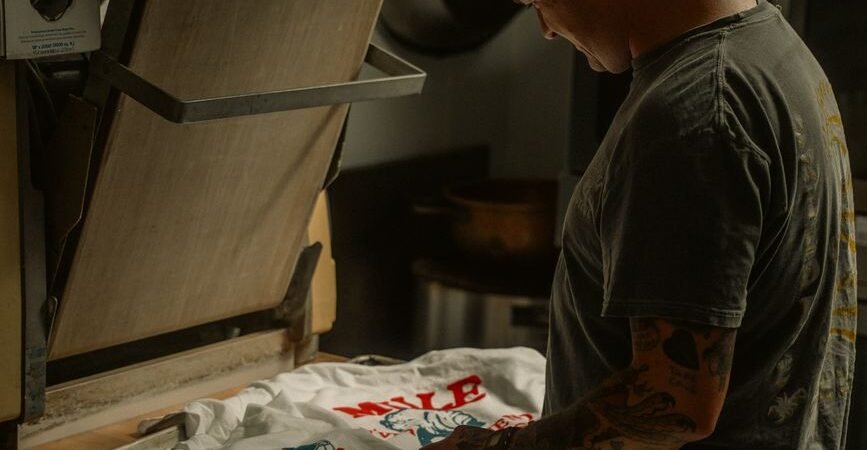
Sublimation printing works by turning a special dye directly into a gas under heat and pressure, skipping the liquid stage entirely, which is where the term “sublimation” comes from. That dye gas then bonds permanently with the fibers of the fabric it’s being applied to, rather than sitting on top of the fabric the way regular screen printing or iron-on transfers do. The design starts as a print made with sublimation ink on special transfer paper, which is then pressed against the fabric with a heat press, transferring the image as the dye converts to gas and infuses into the fibers. Because the dye actually becomes part of the fiber rather than a layer on top of it, a properly sublimated design won’t crack, peel, or feel like a separate layer the way a vinyl transfer can, which is a big part of the technique’s appeal. This is also why sublimated fabric keeps its original softness and feel, since there’s no added layer of ink or vinyl sitting on the surface changing how the fabric drapes or breathes, an important distinction for anyone making a garment or a project meant to be worn or handled often.
Which Fabrics Work Well for Sublimation
Sublimation fabric needs a high polyester content to work properly, ideally 100% polyester, since the dye gas bonds specifically with polyester fibers at a molecular level. Fabrics with at least 65% polyester can still take a sublimation print reasonably well, though the color will generally be less vivid and less durable than on 100% polyester, since the dye has fewer polyester fibers available to bond with. This is why so much sublimation printing happens on polyester t-shirts, polyester-blend tumblers and mugs with a polymer coating, and polyester-based home decor items like pillow covers and blankets. Some polyester fabrics are specifically manufactured and marketed for sublimation use, often described as sublimation-ready or dye-sublimation fabric, and these tend to give the most consistent, vibrant results since they’re engineered specifically for the process. Performance fabrics used in athletic wear, often a poly-spandex blend, also take sublimation well, which is why so much sports apparel and dance wear features bold, custom, all-over sublimated prints rather than screen-printed graphics.
Which Fabrics Don’t Work for Sublimation
Cotton and other natural fibers, linen, wool, silk, simply don’t have the right molecular structure for sublimation dye to bond with, since there’s no polyester present for the gas to attach to. If you try to sublimate onto 100% cotton, you’ll typically end up with a faded, washed-out, or nearly invisible print that fades further with the first wash, since the dye never actually bonded to the fiber in the first place, it’s just sitting loosely on the surface, and even that faint image usually rinses out further after just one wash cycle. Cotton-polyester blends fall somewhere in the middle, and results vary a lot depending on the exact polyester percentage, a 50/50 blend generally gives a muted, vintage-looking print rather than the vibrant, saturated colors you’d get on pure polyester. Nylon and some other synthetics also don’t sublimate well despite being synthetic fibers, since the chemistry of the dye-to-fiber bond is specific to polyester rather than synthetics in general. Leather, vinyl, and most coated fabrics are also poor candidates, since the coating itself blocks the dye gas from ever reaching a fiber structure to bond with, regardless of what’s underneath that coating.
Color and Prep Considerations for the Best Results
Fabric color matters enormously for sublimation, since the process works best on white or very light-colored polyester, the dye is translucent rather than opaque, so it blends with whatever color is underneath it rather than covering it the way regular ink does. Printing a colorful design onto a dark fabric will muddy or completely wash out your colors, which is a common disappointment for beginners who don’t realize this going in. Prepping your fabric properly also makes a real difference, a clean, lint-free, wrinkle-free surface transfers much more evenly than a fabric straight off the bolt, and many crafters do a quick pre-press with the heat press alone, no paper, just to flatten and dry the fabric before the actual printing step. Getting your heat press temperature, pressure, and timing dialed in for your specific fabric weight also takes some trial and error, since even small variations can noticeably affect how vibrant and even the final print turns out. Using a protective sheet of butcher paper both above and below your fabric during pressing also helps prevent ghosting, a faint doubled image that can happen if the transfer paper shifts slightly during the press cycle.
Why Quilting Cotton Doesn’t Work for Sublimation
This is the point of confusion we hear most often, since sublimation projects show up constantly in general craft content without much explanation of why they won’t work on the cotton fabric sitting in a typical quilt shop. Standard quilting cotton is 100% cotton, which as covered above simply doesn’t have the polyester content sublimation dye needs to bond permanently. Quilters who’ve tried it usually describe the same result, a faint, ghostly image that fades dramatically or disappears entirely after the first wash, since the dye was never actually locked into the fiber. If a design absolutely needs to end up on quilting cotton, other printing methods like inkjet fabric printing with fabric-specific ink, or a properly heat-set iron-on transfer, are much better suited to natural fibers than sublimation ever will be. A polyester or poly-cotton blend batting can also occasionally cause similar confusion when quilters ask about sublimating directly onto a quilt top, but the same fiber content rule applies there too, only the polyester-rich layers will actually take the dye.
Craft and Quilting-Adjacent Sublimation Projects
None of this means sublimation is off the table for a quilter or crafter, it just means the polyester needs to come from somewhere specific in the project. Custom-printed fabric panels made from polyester or a high-polyester blend can be sublimated with a photo or design, then incorporated into an art quilt or wall hanging alongside more traditional cotton fabrics, giving you a personalized focal point within an otherwise fabric-pieced design. Quilt labels are another great use, a small polyester panel sublimated with a name, date, or photo makes a lovely, permanent label for the back of a finished quilt. Small home decor pieces, like a sublimated polyester pillow cover or a printed panel for a tote bag, are approachable ways to bring sublimation into a craft room that’s otherwise built around cotton, without needing to abandon your existing fabric stash or workflow. Personalized gift items are popular too, a sublimated polyester patch or panel sewn into a handmade bag or apron adds a custom, photo-quality touch that would be difficult to achieve with any other printing method available to a home crafter. Even something as simple as a set of sublimated coasters or a mug rug backed with cotton for stability shows how the two materials can work together in the same finished piece.
If you’d like to talk through sublimation-friendly fabric options for an upcoming project, stop by Bee’s Quilt Shop and Studio at 1975 Old Moultrie Road in St. Augustine, FL, or browse our fabric collection online to see what’s currently in stock. Our team has 75 years of combined sewing and quilting experience and we’re always happy to help you figure out the right fabric for a printed panel, label, or decor project.
Frequently Asked Questions
Does sublimation work on regular cotton quilting fabric?
No, sublimation dye needs polyester fibers to bond with, and regular quilting cotton doesn’t have any, so a sublimated design on cotton will look faded from the start and fade further with washing. If you want a printed design on cotton, a different printing method like fabric-specific inkjet printing is a better fit.
Why does my sublimation design look faded on some shirts?
This usually comes down to polyester content, a shirt with a lower polyester percentage, or one blended with cotton, won’t hold the dye as vividly or permanently as a 100% polyester shirt will. Checking the fabric’s fiber content before you print is the best way to avoid this disappointment.
Is sublimation ink safe to wash?
Yes, properly sublimated designs on the right fabric are permanent and machine washable, since the dye becomes part of the fiber rather than sitting on the surface. Following the recommended washing temperature and avoiding harsh detergents still helps keep colors looking their best over time.
Do you need a home heat press for sublimation?
Yes, a heat press capable of reaching the correct temperature and applying even pressure is essential for sublimation, a household iron generally can’t provide consistent enough heat and pressure for good results. In our experience, staff at Bee’s Quilt Shop and Studio can point you toward the right supplies if you’re just getting started with sublimation projects.
Does sublimation work on dark colored fabric?
Not well, sublimation dye is translucent rather than opaque, so it blends with the fabric’s existing color instead of covering it, which means a dark background will muddy or hide your design’s colors. For best results, sublimation works on white or very light-colored polyester fabric.
This article is intended for general educational and informational purposes only, based on common crafting practices and the hands-on experience of our staff at Bee’s Quilt Shop and Studio. Fabric content, heat press settings, and results can vary between materials and equipment, so we recommend testing a small sample before starting a full project.