Quick answer: Water-repellent fabric works through a coating or finish, most commonly a durable water repellent (DWR) treatment, that causes water to bead up and roll off the surface instead of soaking in. It comes in several types, including coated nylon, treated canvas, and laminated fabrics, each offering a different balance of water resistance, breathability, and hand feel. Most home sewists need water-repellent fabric for smaller, everyday projects like bags, picnic blankets, and pet gear rather than full technical rain gear, where a true waterproof laminate becomes more important.
Water-repellent fabric has a bit of a reputation for being intimidating, something reserved for outdoor gear brands and technical rain jackets rather than a home sewing project. Here at Bee’s Quilt Shop and Studio, we hear that a lot, customers picking up a bolt of coated fabric and asking whether it’s even possible to sew on a regular machine. The truth is water-repellent fabric is far more approachable than it looks, and it opens up a whole category of genuinely useful projects, from garden totes to reusable snack bags to a picnic blanket that actually survives a damp lawn without needing anything close to industrial-grade equipment. Let’s cover how water-repellent treatments actually work, how they differ from true waterproofing, the types you’re likely to find on our shelves, and how to sew with it successfully at home without feeling like you need an industrial sewing setup.
How Water-Repellent Fabric Works
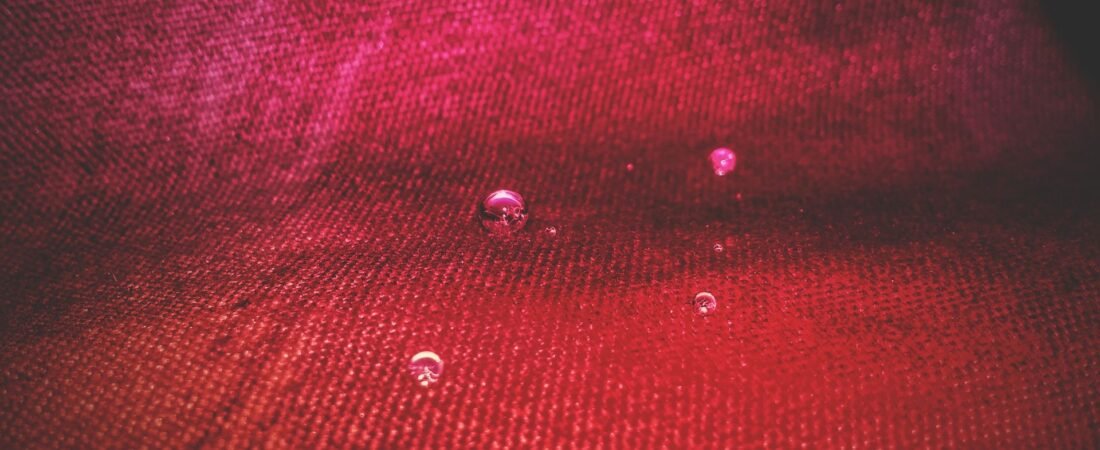
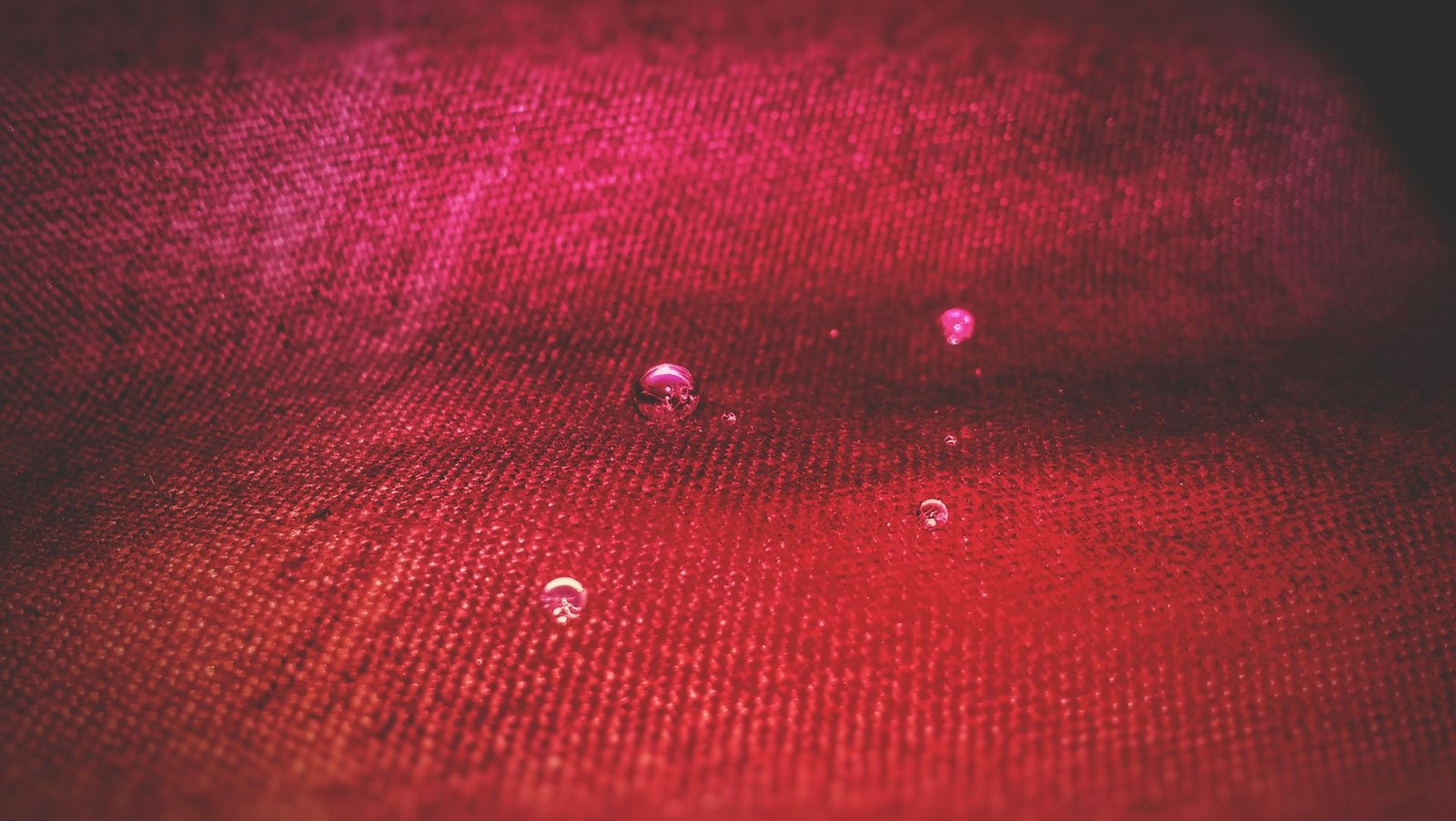
Most water-repellent fabric gets its resistance from a durable water repellent finish, commonly shortened to DWR, applied to the surface of the fabric during manufacturing. That finish changes the surface tension of the fabric so water forms into beads and rolls off instead of spreading out and soaking into the fibers, an effect you can usually see clearly if you run a few drops of water across the surface. DWR finishes are typically applied as a spray-on or dip treatment during production, coating individual fibers rather than sealing the fabric’s weave completely shut, which is part of why treated fabric can still breathe somewhat while resisting light moisture. Over time and with repeated washing or heavy use, a DWR finish can wear down, which is why some technical outdoor gear needs occasional reapplication of a water-repellent spray to keep performing well. For most home sewing projects, though, the factory-applied DWR finish holds up for a long time without needing any extra maintenance, especially on something that isn’t facing daily outdoor exposure the way a hiking jacket would. It’s also worth knowing that the DWR finish is a surface treatment rather than a change to the fabric’s fiber content, which is why two fabrics that feel and drape almost identically can perform very differently once water hits them, one beading it off instantly and the other soaking it in right away.
Water-Repellent Fabric Versus Waterproof Fabric
This is probably the most common question we get, and the distinction matters a lot depending on what you’re making. Water-repellent fabric resists light moisture, splashes, and short exposure to rain, but it isn’t sealed, so sustained heavy rain or submersion will eventually work its way through. Waterproof fabric, by contrast, has a fully sealed membrane or coating, often a laminate bonded to the base fabric, that blocks water from passing through entirely, which is what you’d want for something like a true rain jacket or a dry bag. Coated nylon and treated canvas generally fall into the water-repellent category, while laminated fabrics with a taped-seam construction usually cross into genuinely waterproof territory. For most home sewing projects, water-repellent fabric is actually the better choice, since fully waterproof laminates can be stiffer, harder to sew, and more prone to needle holes that compromise the seal anyway.
Common Types of Water-Repellent Fabric
Coated nylon is one of the most common water-repellent options, a lightweight, tightly woven nylon with a polyurethane or similar coating applied to one side, giving it a slightly slick hand and a visible sheen. Treated canvas takes a heavier cotton or cotton-blend base and applies a DWR finish to it, keeping canvas’s durability and structure while adding meaningful water resistance, which makes it popular for totes and outdoor cushions. Laminated fabrics bond a thin waterproof film to the back of a decorative outer fabric, giving you the look of quilting cotton or a printed design on the surface with genuine water resistance underneath, which is a favorite for bibs, wet bags, and picnic blankets. Ripstop nylon, often treated with the same DWR finishes, adds a reinforced grid weave that resists tearing in addition to shedding water, useful for anything that’s going to see rougher handling. Each of these options trades off differently between water resistance, breathability, and how easily it presses and sews, so it’s worth handling a few samples in person before committing to yardage for a specific project.
When You Actually Need Water Resistance Versus Full Waterproofing
Most home sewing projects genuinely only need water resistance rather than full waterproofing, and reaching for the lighter, easier-to-sew water-repellent option is usually the smarter call. A picnic blanket, garden tote, or reusable grocery bag benefits from a fabric that sheds a splash or brief drizzle without needing to survive being submerged. Pet gear, like a dog bed cover or a travel mat, similarly just needs to resist spills and muddy paws rather than standing up to hours of rain. Full waterproofing becomes worth the extra sewing difficulty for something like a genuine rain jacket, a dry bag meant to protect electronics, or outdoor cushion covers left uncovered through actual storms. In our experience, a lot of shoppers reach for a fully waterproof laminate out of caution when a simpler, more sewing-friendly water-repellent fabric would have done the job just as well for what they actually had in mind, and starting with the lighter option is usually the easier place to build confidence.
Sewing Water-Repellent Fabric at Home
A universal needle handles most water-repellent fabric fine, though a slightly sharper microtex needle can help it pierce the coating cleanly without dragging or gumming up along the way. It’s worth wiping your needle with a bit of rubbing alcohol partway through a longer project, since the coating can build up residue on the needle over time and start to skip stitches. Seam sealing matters if the finished project genuinely needs to stay dry, a small bead of seam sealant or even a strip of iron-on seam tape over the stitching line closes up the tiny needle holes left behind. Puckering is a common frustration on coated fabric, a walking foot or even a bit of tissue paper under the presser foot helps the layers feed evenly instead of bunching, especially on a home machine without a specialty feed system. Pins can leave permanent holes in some coated fabrics, so many sewists switch to clips within the seam allowance, and a longer stitch length also helps reduce the number of needle holes along each seam compared to a tight, short stitch. Pressing coated fabric also calls for a bit of extra caution, a cool iron setting with a pressing cloth between the iron and the fabric protects the coating from melting or dulling under direct heat, and finger-pressing seams open is often the safer bet on especially heat-sensitive coatings.
Approachable Home-Sewing Projects for Water-Repellent Fabric
Reusable snack bags and lunch pouches are a great low-stakes way to try water-repellent fabric for the first time, small enough to sew quickly and genuinely useful once finished. A picnic blanket with a water-repellent backing keeps a soft top fabric while protecting against a damp lawn, a project that scales well whether you’re making something small for a park outing or a larger family-sized version. Garden totes and plant caddies hold up well to dirt and moisture without needing to be fully waterproof, making them a forgiving project for a first attempt at sewing coated fabric. Pet gear, like a travel mat or a simple dog bed cover, is another approachable option, since pet accidents and muddy paws are exactly the kind of light moisture water-repellent fabric is built to handle. Zippered pouches and wet bags for swimsuits or cloth diapers round out the list, small enough projects to build confidence before tackling something larger like a bag or jacket. Outdoor cushion covers and porch pillow shells are another satisfying option, since they show off water-repellent fabric’s practical side in a spot that gets real daily use, and they’re forgiving enough in shape that small stitching quirks from a first attempt at coated fabric won’t stand out.
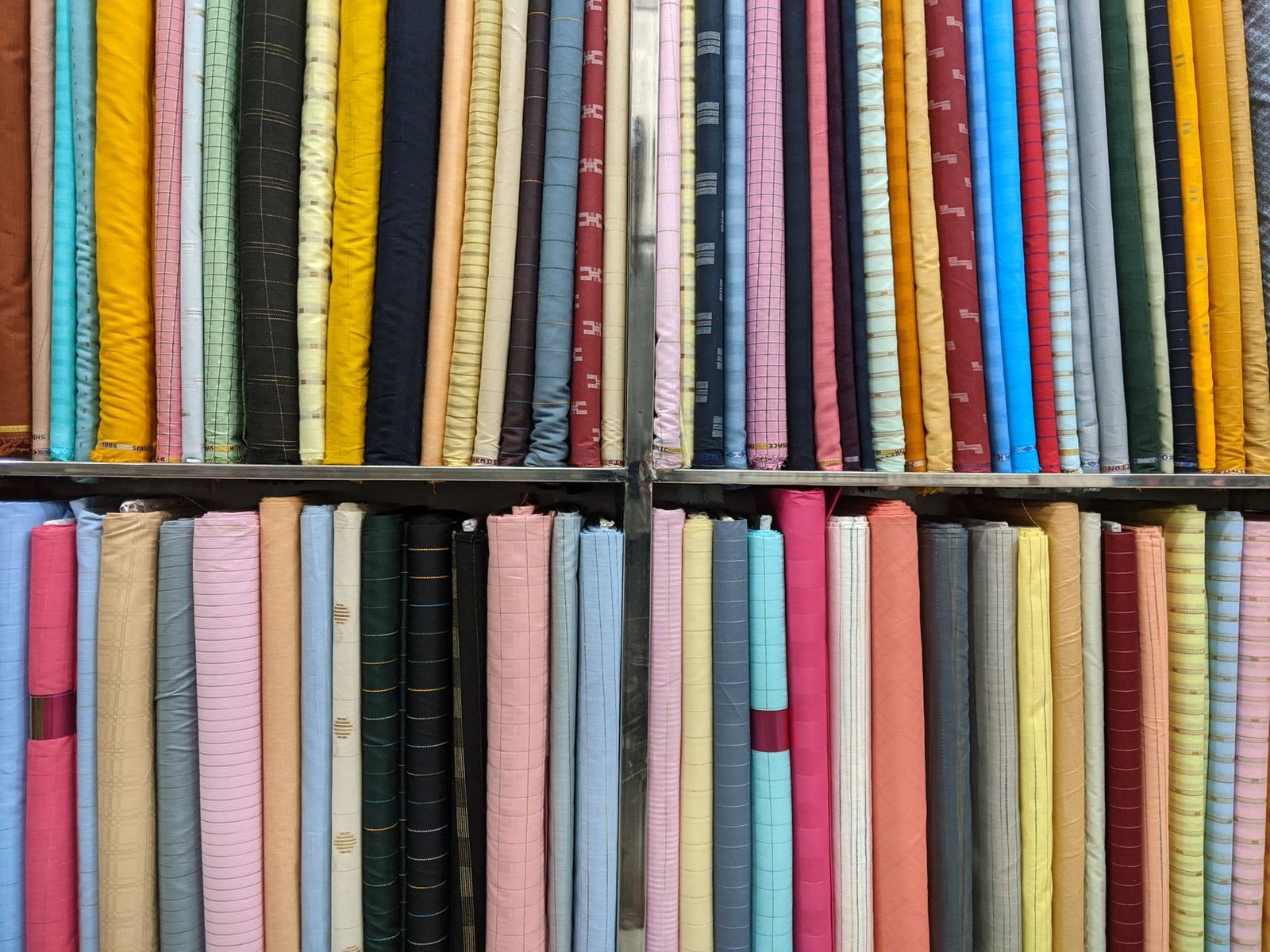
If you’re planning a project that needs a little extra water resistance, stop by Bee’s Quilt Shop and Studio at 1975 Old Moultrie Road in St. Augustine, FL, or browse our fabric collection online to see our water-repellent fabric options in person. Our team has 75 years of combined sewing and quilting experience and we’re happy to help you pick the right coated fabric for your next project.
Frequently Asked Questions
Is water-repellent fabric the same as waterproof fabric?
No, water-repellent fabric resists light moisture and splashes through a surface coating, while waterproof fabric has a fully sealed membrane that blocks water entirely. For most everyday sewing projects, water-repellent fabric offers plenty of protection without the extra stiffness and sewing difficulty that comes with a true waterproof laminate.
Does the water-repellent coating wear off over time?
It can, especially with heavy use, frequent washing, or prolonged sun exposure, though most home sewing projects don’t face that level of wear. If a finished item does start absorbing water instead of shedding it, a store-bought water-repellent spray can usually refresh the coating.
Can water-repellent fabric be sewn on a regular home machine?
Yes, most water-repellent fabric sews just fine on a standard home machine with a universal or microtex needle. In our experience helping customers at Bee’s Quilt Shop and Studio get started, the main adjustments are using clips instead of pins and slowing down slightly to keep the layers feeding evenly.
Is water-repellent fabric safe to wash?
Most water-repellent fabric can be machine washed on a gentle cycle, though it’s worth checking the specific care label since coatings and finishes vary between manufacturers. Avoiding fabric softener is a good habit too, since it can coat the fibers and reduce how well the water-repellent finish performs over time.
Is water-repellent fabric breathable enough for wearable projects?
It depends on the specific fabric, coated nylon tends to be less breathable, while some treated canvas and lighter DWR-finished cottons breathe reasonably well. For a wearable project meant to be worn for a while, it’s worth handling a sample and considering ventilation or lining choices rather than assuming all water-repellent fabric behaves the same way.
This article is intended for general educational and informational purposes only, based on common sewing and crafting practices and the hands-on experience of our staff at Bee’s Quilt Shop and Studio. Fabric coatings, finishes, and washability can vary between manufacturers, so we recommend checking care labels and testing a scrap before starting a full project.